Easy Sourdough Discard Recipes That Save Breakfast Fast
Turn leftover starter into quick pancakes, crackers, muffins, and more with simple steps, pantry staples, and big flavor.
Your sourdough starter worked hard. The discard does not deserve a dramatic trip to the trash. It deserves pancakes with crispy edges, crackers that disappear in one sitting, and muffins that make you look weirdly organized.
That is the magic here: less waste, more snacks, almost no fuss. You already did the expensive part by feeding the starter, so why not squeeze every last delicious win out of it? IMO, discard might be the most underrated ingredient in a home kitchen.
The best part is speed. Most discard recipes come together faster than a full loaf, with zero need for spiritual-level patience. If your starter keeps multiplying like it pays rent, this article is your backup plan.
What Makes This Special
Sourdough discard adds flavor, texture, and a subtle tang to everyday recipes without making you wait all day. It gives baked goods a deeper taste than plain flour and water ever could. That little jar in the fridge is basically a secret weapon wearing a humble label.
These recipes also solve a very real problem: waste. Many bakers remove discard during feedings and then wonder what to do with it. Instead of tossing it, you can turn it into quick breakfasts, savory snacks, and easy desserts.
Another win: flexibility. You can use discard straight from the fridge in many recipes, especially when the goal is flavor rather than a huge rise. Active starter is great, sure, but discard shines when you want something easy and forgiving.
Most of these ideas use pantry basics you likely already own. Flour, eggs, butter, sugar, cheese, herbs, and maybe a little cinnamon can carry you very far. Your discard does not need a fancy stage. It just needs a chance.
What You’ll Need (Ingredients)
The exact ingredients depend on which recipe you make, but these are the staples that cover most of the best options.
- Sourdough discard, cold or room temperature
- All purpose flour or whole wheat flour
- Sugar, brown sugar, or honey
- Salt
- Baking soda and baking powder
- Eggs
- Milk or buttermilk
- Butter or neutral oil
- Vanilla extract
- Cinnamon or nutmeg for sweet recipes
- Cheddar, parmesan, or other cheese for savory recipes
- Fresh herbs like chives, rosemary, or thyme
- Garlic powder or onion powder
- Chocolate chips, berries, or bananas for muffins and quick breads
- Olive oil for crackers and flatbreads
If you want the shortest path to success, start with pancakes, crackers, waffles, banana bread, or biscuits. Those recipes welcome discard without demanding perfection. A rare and beautiful thing.
Instructions
Use this list as your choose your own adventure guide. Pick one recipe, follow the steps, and let the discard finally fulfill its destiny.
-
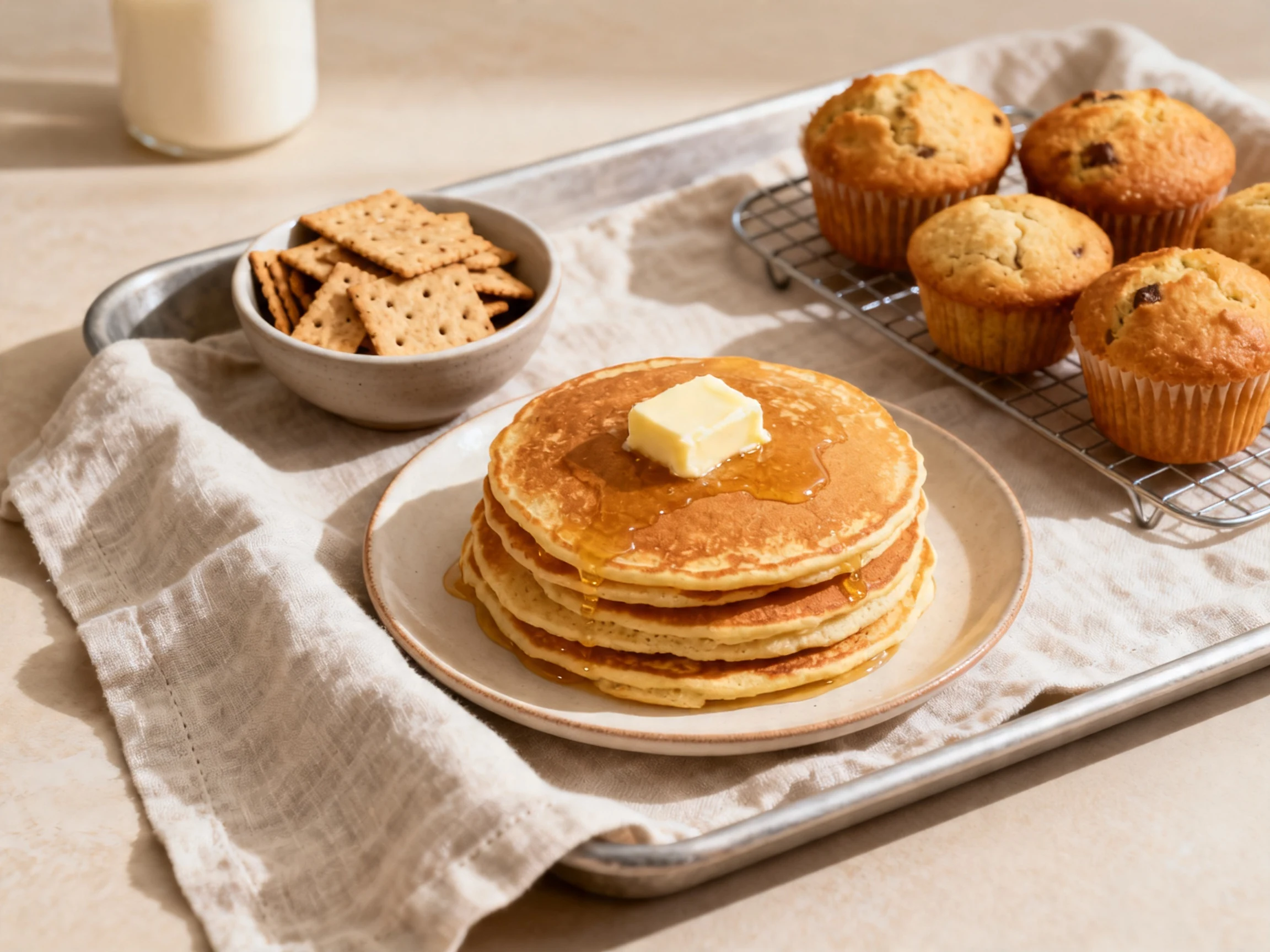
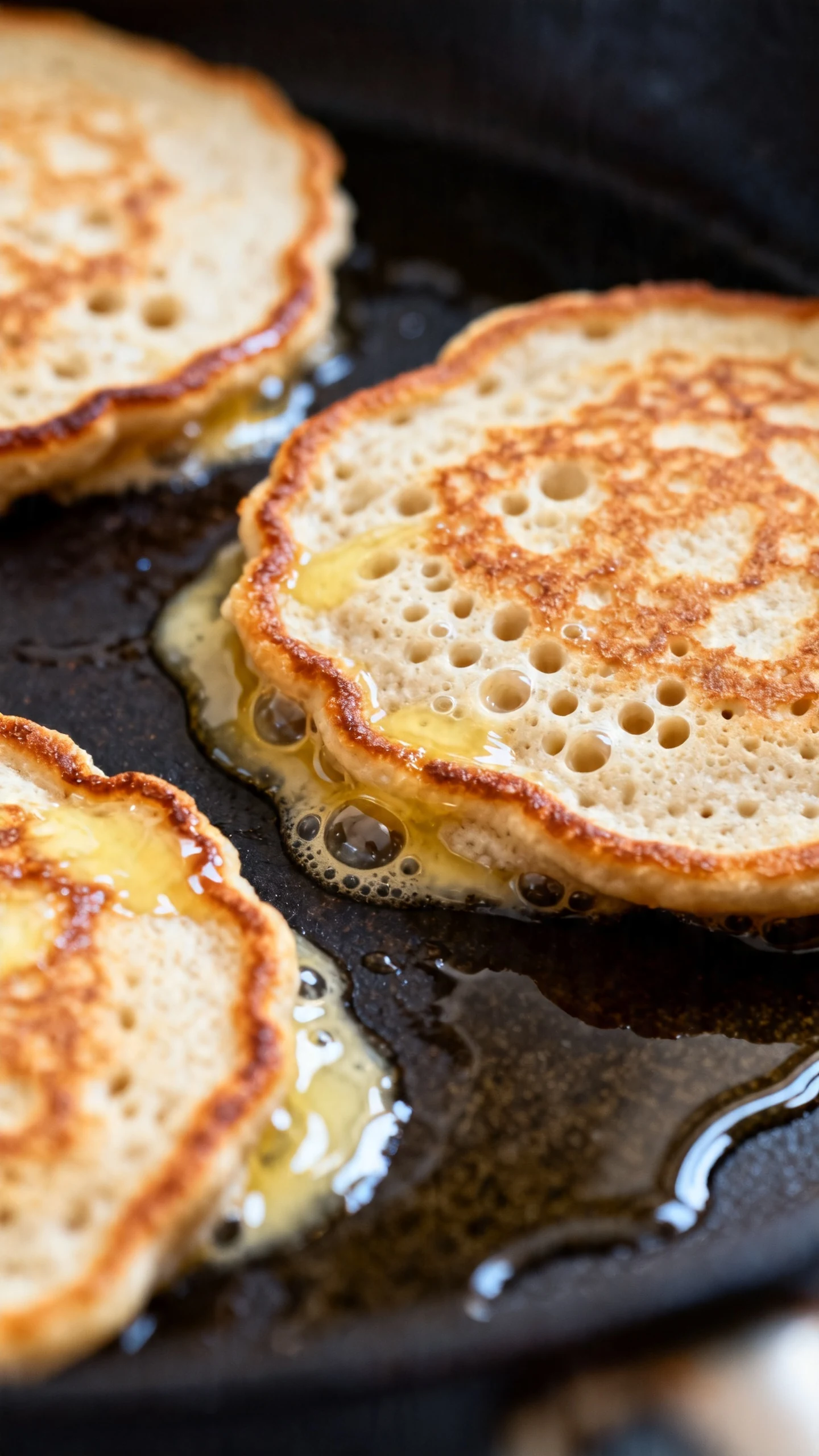
For pancakes: Whisk 1 cup discard, 1 egg, 3/4 cup milk, 2 tablespoons melted butter, and 1 tablespoon sugar. Stir in 1 cup flour, 1 teaspoon baking powder, 1/2 teaspoon baking soda, and 1/2 teaspoon salt. Cook on a buttered skillet until bubbles form, then flip and cook until golden.
-
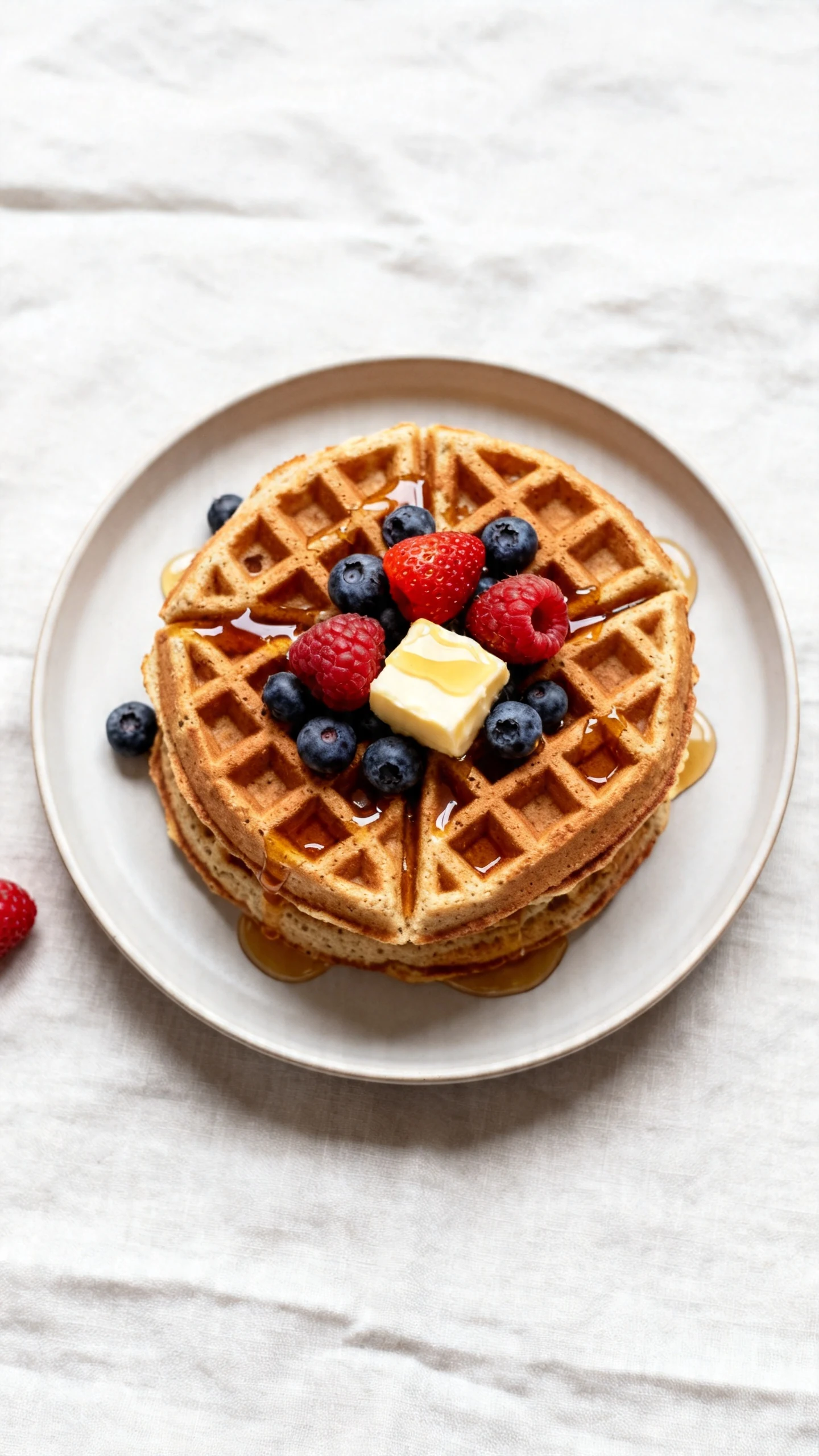
For waffles: Use the pancake batter above, but reduce the milk slightly for a thicker texture. Cook in a preheated waffle iron until crisp outside and tender inside. Top with fruit, syrup, or enough butter to make your ancestors proud.
-
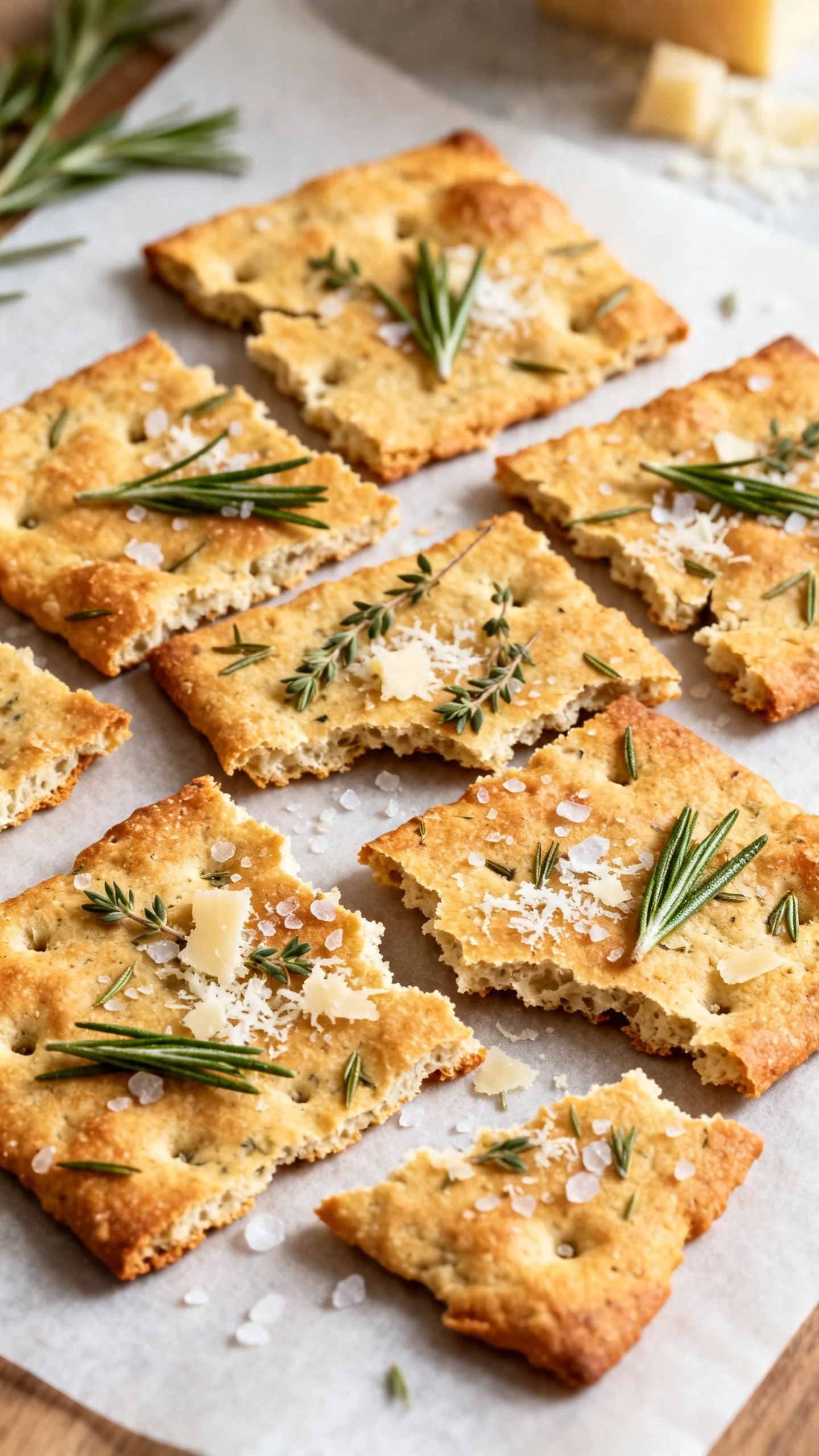
For crackers: Mix 1 cup discard with 2 tablespoons olive oil, 1/2 teaspoon salt, and any herbs or grated cheese you like. Spread the mixture thinly on parchment, sprinkle with seasoning, and bake at 325°F until crisp, usually 20 to 30 minutes. Break into rustic shards and pretend you paid a lot for them.
-
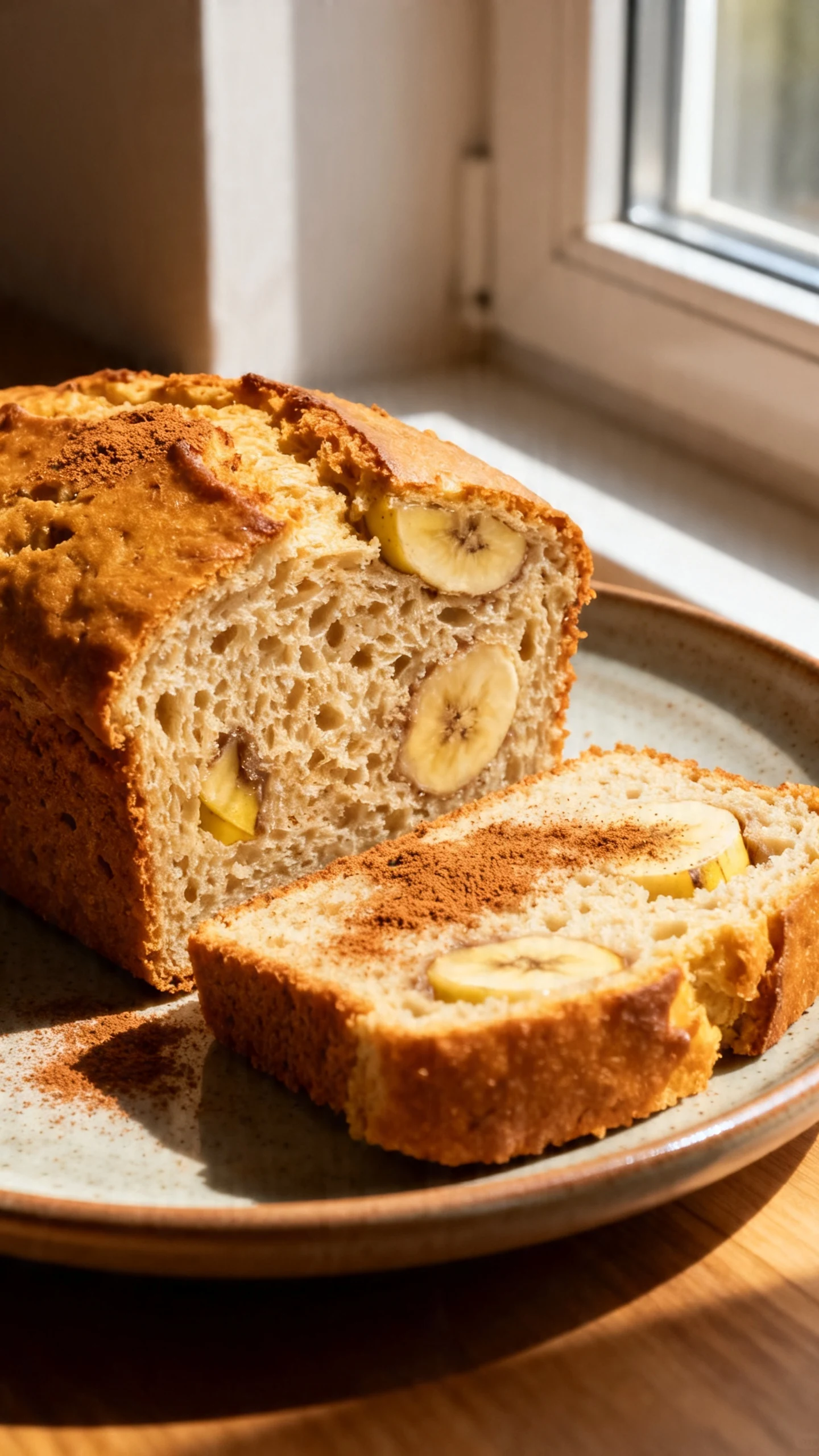
For banana bread: Mash 2 ripe bananas and mix with 1 cup discard, 2 eggs, 1/2 cup melted butter, 3/4 cup sugar, and 1 teaspoon vanilla. Fold in 1 1/2 cups flour, 1 teaspoon baking soda, 1/2 teaspoon salt, and cinnamon if you want. Bake at 350°F for 50 to 60 minutes.
-
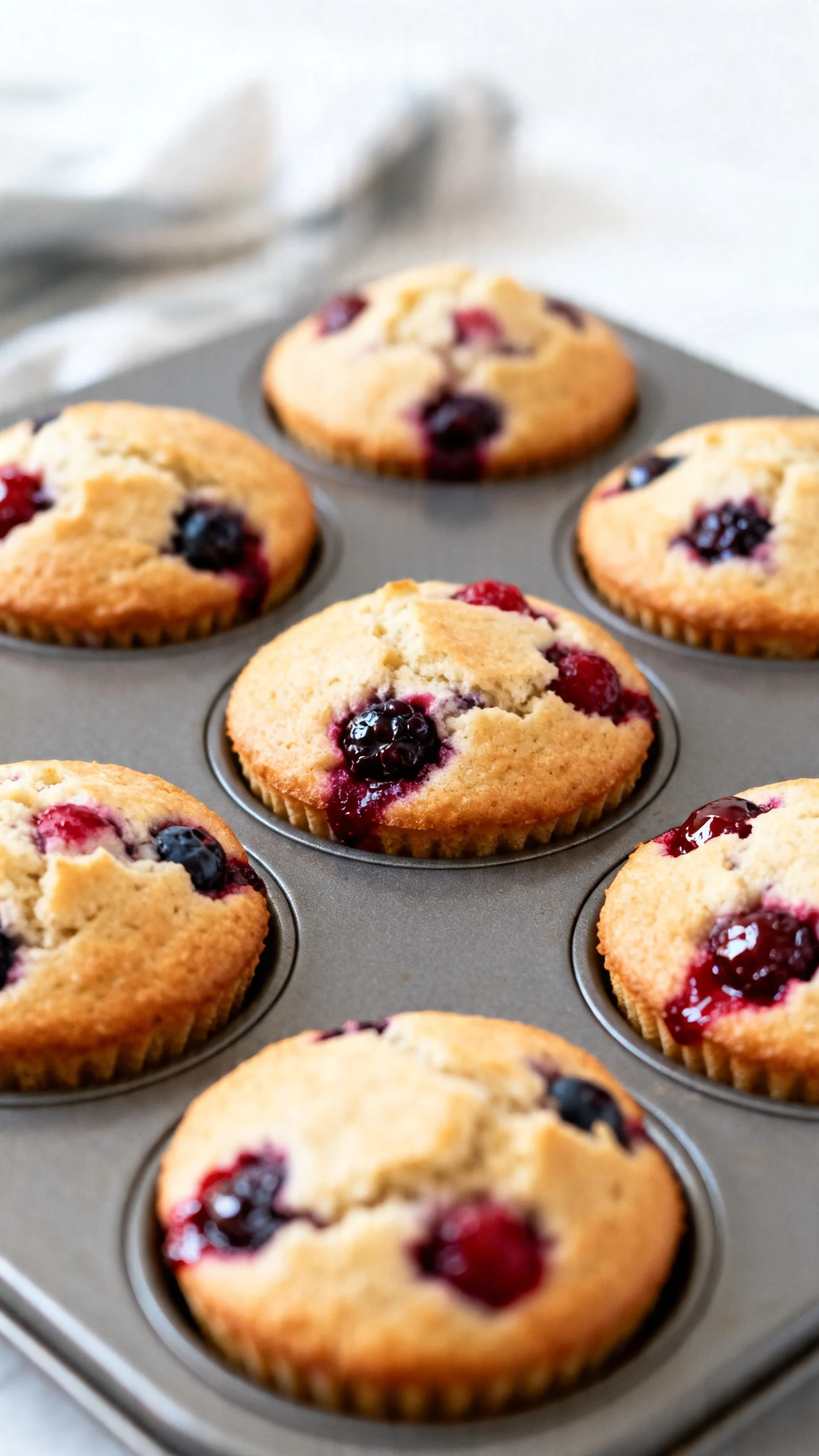
For muffins: Stir together 1 cup discard, 1 egg, 1/3 cup oil, 1/2 cup milk, and 1/2 cup sugar. Add 1 1/2 cups flour, 1 teaspoon baking powder, 1/2 teaspoon baking soda, and 1/2 teaspoon salt, then fold in berries or chocolate chips. Bake at 375°F for 18 to 22 minutes.
-
For biscuits: Combine 1 cup flour, 1 teaspoon baking powder, 1/2 teaspoon baking soda, and 1/2 teaspoon salt. Cut in 6 tablespoons cold butter, then stir in 1 cup discard until just combined. Pat, cut, and bake at 425°F for 14 to 16 minutes.
-
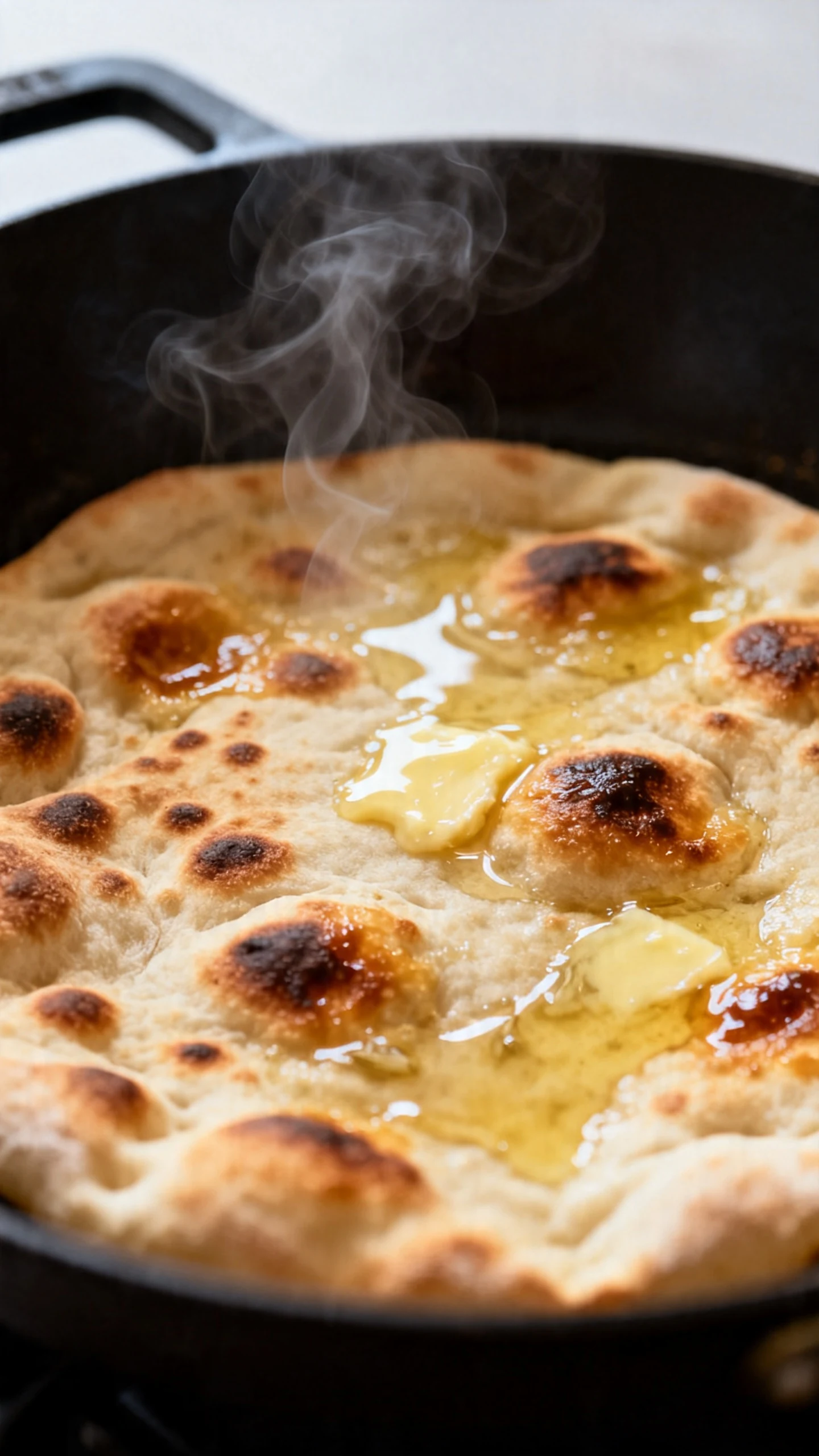
For flatbread: Mix 1 cup discard, 1 cup flour, 2 tablespoons olive oil, and 1/2 teaspoon salt into a soft dough. Rest it for 20 minutes, divide, roll thin, and cook in a hot skillet for 1 to 2 minutes per side. Brush with garlic butter if you want people to hover around the stove.
-
For savory fritters: Blend 1 cup discard with 1 egg, 1/2 cup flour, shredded zucchini or corn, a handful of cheese, and a pinch of salt and pepper. Scoop into a hot pan with oil and cook until crisp and browned. These disappear absurdly fast, FYI.
-
For cookies: Cream 1/2 cup butter with 1/2 cup sugar and 1/2 cup brown sugar, then mix in 1/2 cup discard, 1 egg, and vanilla. Add 1 1/2 cups flour, 1/2 teaspoon baking soda, 1/2 teaspoon salt, and chocolate chips. Bake at 350°F for 10 to 12 minutes.
-
For a quick discard cake: Mix 1 cup discard with 2 eggs, 1/2 cup oil, 3/4 cup sugar, and vanilla. Add 1 1/2 cups flour, 1 teaspoon baking powder, and 1/2 teaspoon salt. Bake at 350°F until set, then glaze or dust with powdered sugar.
If you are new to discard cooking, start with pancakes or crackers. They offer quick wins and teach you how discard changes flavor and texture. Once you get comfortable, branch out into muffins, biscuits, and all the other dangerous little “just one more bite” situations.
How to Store
Store sourdough discard in a sealed jar in the refrigerator if you plan to use it within about a week. Label the jar with the date if your fridge tends to become a mystery novel. Fresh discard usually tastes milder, while older discard develops a stronger tang.
For baked recipes, store pancakes, muffins, and breads in airtight containers once fully cool. Keep them at room temperature for 1 to 3 days or refrigerate for longer freshness. Crackers should stay in a dry container so they keep their snap instead of going sad and chewy.
Most discard recipes freeze well. Pancakes, waffles, muffins, biscuits, and banana bread all handle freezing like champs. Wrap tightly, freeze, and reheat as needed for quick breakfasts or snack emergencies.
Why This is Good for You
Using discard helps reduce food waste, which is already a pretty solid win. Instead of throwing out a usable ingredient, you turn it into something practical and satisfying. That is good for your budget and your conscience, which rarely get to high-five each other.
Sourdough discard also brings fermented flavor to recipes, and many people find that fermented foods fit nicely into a balanced eating pattern. While discard recipes are not automatically health food, they often offer better flavor with less effort. When food tastes better, you are less likely to chase random snacks an hour later.
You can also adapt these recipes to fit your needs. Add whole grain flour, reduce sugar, mix in fruit, or use vegetables and herbs in savory versions. The base ingredient stays the same, but the nutritional profile can shift with simple swaps.
Avoid These Mistakes
Do not use moldy or pink discard. If your starter develops strange colors, fuzzy growth, or a truly cursed smell, toss it. Tangy is good. Science experiment gone rogue is not.
Do not assume every discard recipe rises like bread. Many quick recipes depend on baking soda or baking powder for lift. Discard adds flavor and moisture, but it will not always do the heavy lifting by itself.
Do not overmix batter. Muffins, pancakes, and quick breads get tough when you stir them into submission. Mix until combined, then stop. The batter does not need a motivational speech.
Do not spread cracker batter too thick. Thin batter bakes crisp and snappy. Thick batter gives you a chewy sheet that feels like a personal insult.
Do not ignore discard age. Very old discard can taste much more sour, which works well in savory recipes but can overpower sweeter ones. If the flavor seems sharp, balance it with sugar, spice, cheese, or herbs.
Different Ways to Make This
You can take the same basic discard concept in a dozen directions without making life harder. Sweet recipes love vanilla, cinnamon, fruit, chocolate, and nuts. Savory recipes work beautifully with cheese, garlic, herbs, scallions, and even chopped jalapeños.
Need a healthier twist? Swap in part whole wheat flour, cut some sugar, and add oats, flax, or fruit. Want something richer? Use buttermilk, extra butter, or a crumble topping and accept your choices with confidence.
You can also make many discard recipes gluten aware or dairy free with the right substitutions. Use a trusted one to one gluten free flour blend and plant based milk or butter alternatives. Results vary a bit, but the discard still adds nice depth.
If you like meal prep, make a larger batch of pancakes, waffles, or muffins and freeze portions. That turns your starter routine into future breakfasts. Look at you, being efficient and delicious at the same time.
FAQ
What is sourdough discard exactly?
Sourdough discard is the portion of starter you remove before feeding it with fresh flour and water. It is not useless at all. It still offers flavor and can work beautifully in recipes that do not rely entirely on wild yeast for rise.
Can I use discard straight from the fridge?
Yes, in most quick recipes you can use it cold right from the refrigerator. Pancakes, muffins, crackers, and banana bread usually do just fine. If the discard is very stiff, let it warm slightly so it mixes more easily.
How old can discard be before I should not use it?
Many people use refrigerated discard that is up to a week old with great results, and sometimes longer if it still looks and smells normal. The older it gets, the tangier it becomes. If it shows mold, odd colors, or an unpleasant smell beyond normal sourness, throw it out.
Does discard still have health benefits?
Discard still comes from a fermented starter, so it carries some of that fermented character into recipes. The final health value depends on the full recipe, not just the discard. A cheddar cracker and a berry muffin are both valid life choices, but they are not nutritionally identical.
Can I replace flour completely with discard?
Usually no. Discard contains both flour and water, so it affects hydration and texture. Most recipes use discard as part of the structure, then add extra flour to create the right consistency.
Why do my discard pancakes taste too sour?
Your discard may be older or more acidic than expected. Add a little extra sugar or vanilla, or use fresher discard next time. You can also pair sour pancakes with sweeter toppings to balance the flavor.
What are the easiest recipes for beginners?
Pancakes, waffles, and crackers are the easiest places to start. They mix quickly, bake or cook fast, and give you a clear sense of how discard behaves. They are also hard to mess up, which is always a nice personality trait in a recipe.
The Bottom Line
Sourdough discard is not a problem to manage. It is an ingredient with range. Once you start using it in pancakes, crackers, muffins, biscuits, and quick breads, tossing it feels downright rude.
The smartest approach is simple: keep a jar in the fridge, choose one easy recipe, and use what you already have. You save waste, get better flavor, and end up with something warm and homemade without a full bread making marathon. That is a very solid trade.
If your starter keeps growing and your patience does not, this is your answer. Make the pancakes, bake the crackers, freeze the waffles, and enjoy the small smug thrill of turning leftovers into something excellent.