Pumpkin Sourdough Discard Recipes for Cozy Fall Baking Wins
Turn extra starter and pumpkin puree into easy, bakery-style bakes that taste cozy, save waste, and fit busy fall days.
Your discard has been sitting in the fridge, judging you. The can of pumpkin in the pantry has the same energy. Put them together, and suddenly you look like the person who casually pulls out perfect fall baking on a random Tuesday.
That is the magic here. You get rich pumpkin flavor, the subtle tang of sourdough, and a smart way to use something you would otherwise toss. It feels resourceful, tastes impressive, and honestly makes your kitchen smell like you have your life together.
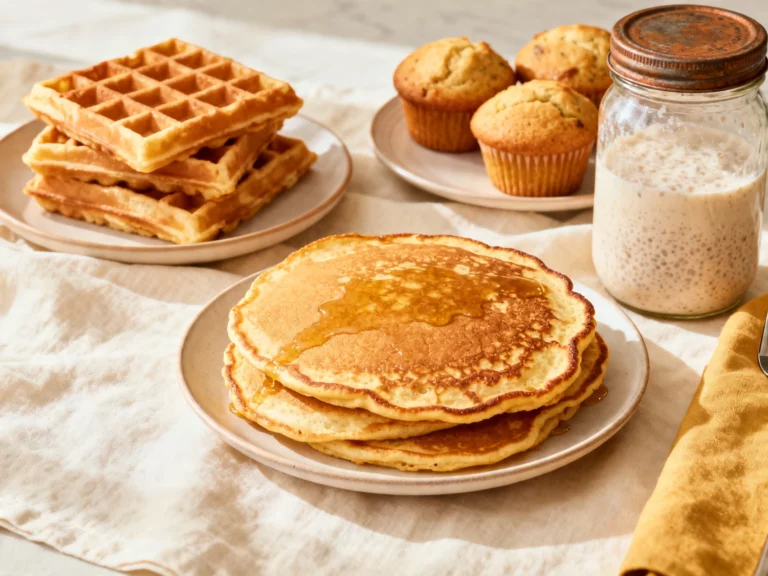
Whether you want muffins, pancakes, quick bread, waffles, or cookies, this formula works hard. It gives you flexible ideas, easy ratios, and enough options to keep breakfast and snack time out of a boring little rut. Cozy season can, in fact, be efficient.
Why This Recipe Works
Pumpkin and sourdough discard make a surprisingly perfect pair. Pumpkin brings moisture, earthy sweetness, and a soft texture, while discard adds a mild tang that keeps baked goods from tasting flat or one-note.
Another reason these recipes win: they are forgiving. Discard does not need to be bubbly and peak-active like bread dough starter. If it came from your fridge and looks sleepy, that is usually fine for muffins, pancakes, biscuits, cakes, and other quick bakes.
The flavor also gets better with warm spices. Cinnamon, ginger, nutmeg, and cloves play beautifully with the fermented notes in starter. Instead of a sugar bomb, you get something balanced and layered. Fancy without trying too hard.
Best of all, these recipes reduce waste. You use up leftover starter, stretch pantry basics, and get food that actually feels worth making. IMO, that is the kind of kitchen math we all need more of.
What You’ll Need (Ingredients)
The exact list changes by recipe, but most pumpkin discard bakes rely on a core set of ingredients. Keep these on hand, and you can mix and match all season long.
- Sourdough discard, unfed and at room temperature or cold from the fridge
- Pumpkin puree, not pumpkin pie filling
- All-purpose flour or whole wheat flour for a heartier version
- Granulated sugar, brown sugar, maple syrup, or honey
- Eggs for structure and richness
- Butter or neutral oil
- Milk, buttermilk, or a dairy-free alternative
- Baking soda and baking powder for lift
- Salt to sharpen flavor
- Cinnamon
- Ground ginger
- Nutmeg
- Ground cloves or allspice
- Vanilla extract
- Optional add-ins like chocolate chips, chopped pecans, walnuts, cranberries, pepitas, or a cream cheese swirl
If you want one dependable base to start from, use this combination for quick bread or muffins: 1 cup sourdough discard, 1 cup pumpkin puree, 2 eggs, 1/2 cup oil or melted butter, 3/4 to 1 cup sugar, 1 3/4 cups flour, 1 teaspoon baking soda, 1 teaspoon baking powder, 1/2 teaspoon salt, and 2 to 3 teaspoons total warm spices.
Cooking Instructions
Use this method as a flexible blueprint for the most popular pumpkin discard bakes, especially muffins and quick bread. It is simple, fast, and hard to mess up if you avoid going full chaos mode.
-
Prep your tools and oven. Heat your oven to 350°F. Grease a loaf pan or line a muffin tin with paper liners. For pancakes or waffles, preheat your skillet or waffle iron instead.
-
Mix the wet ingredients. In a large bowl, whisk together the sourdough discard, pumpkin puree, eggs, oil or melted butter, vanilla, and sugar until smooth. If your discard is cold and lumpy, whisk a little longer. No one gets a medal for undermixing.
-
Combine the dry ingredients. In a separate bowl, stir the flour, baking soda, baking powder, salt, cinnamon, ginger, nutmeg, and cloves. This helps distribute the leaveners and spices evenly, so you do not end up with one aggressively clove-flavored bite.
-
Bring everything together. Add the dry mixture to the wet mixture and stir just until combined. A few streaks of flour are okay. Overmixing makes the texture tough, and nobody dreams about dense muffins.
-
Fold in extras. Add chocolate chips, chopped nuts, dried cranberries, or pepitas if you want extra texture and flavor. Keep the total add-ins around 3/4 to 1 cup for a standard loaf or 12 muffins.
-
Fill the pan. For muffins, fill each cup about three-quarters full. For a loaf, spread the batter evenly in the pan. If you want a bakery-style finish, sprinkle the top with coarse sugar or extra pepitas.
-
Bake until set. Muffins usually take 18 to 24 minutes. A quick bread loaf takes about 50 to 65 minutes. Pancakes cook 2 to 3 minutes per side, and waffles take 4 to 6 minutes depending on your machine.
-
Check for doneness. Insert a toothpick into the center. It should come out clean or with a few moist crumbs, not wet batter. If the top browns too quickly on a loaf, tent it loosely with foil.
-
Cool before slicing. Let muffins cool for 10 minutes, or let a loaf rest in the pan for 15 minutes before moving it to a rack. Slicing too early turns your beautiful bake into steamy pumpkin rubble. Patience, sadly, matters.
Keeping It Fresh
These bakes hold well because pumpkin keeps them moist. Store muffins, cookies, or sliced quick bread in an airtight container at room temperature for up to 3 days. If your kitchen runs warm, move them to the fridge after day 2.
For longer storage, refrigerate for up to 1 week. Warm slices in the microwave for 10 to 15 seconds or toast them lightly before serving. Cold pumpkin bread is fine, but warm pumpkin bread feels like better life choices.
You can also freeze most pumpkin discard recipes beautifully. Wrap slices or individual muffins tightly, then place them in a freezer-safe bag or container for up to 3 months. Thaw at room temperature or reheat straight from frozen for a quick breakfast win.
Benefits of This Recipe
It reduces waste. The biggest perk is obvious but important. You use sourdough discard instead of tossing it, which makes your starter routine cheaper and less annoying.
It adds better flavor. Discard brings a gentle tang that balances pumpkin and sugar. That extra depth makes the final bake taste more homemade and less like a candle store snack.
It improves texture. Pumpkin adds moisture, while discard can help create tenderness and softness in cakes, muffins, and pancakes. The result often stays fresh longer than standard quick bakes.
It works across many recipes. One basic idea can turn into waffles, donuts, biscuits, crackers, cinnamon rolls, coffee cake, or blondies. FYI, that kind of flexibility is why this becomes a habit and not just a one-week fall phase.
Avoid These Mistakes
Using pumpkin pie filling instead of puree. They are not the same. Pie filling already contains sugar and spices, which can throw off the recipe and make everything oddly sweet or overly wet.
Adding too much discard. More is not always better. Too much starter can make the batter too loose, too tangy, or too heavy. Start with tested ratios, then adjust once you know how your starter behaves.
Overmixing the batter. This is the classic quick-bread mistake. Stir until combined, then stop. The batter should not look like it trained for a marathon.
Skipping salt and spices. Pumpkin needs help. Without enough spice and salt, your bake can taste flat and weirdly dull, like autumn with the brightness turned down.
Underbaking the center. Pumpkin-rich batter can look done on top while staying raw inside. Always test the middle of the loaf or the largest muffin before pulling the pan from the oven.
Recipe Variations
You do not need to make the same loaf every time. Swap formats and flavors to keep things interesting and use whatever you have on hand.
- Pumpkin sourdough discard muffins: Add streusel on top for a coffee-shop vibe without the coffee-shop price.
- Pumpkin pancakes: Thin the batter slightly with milk and cook on a buttered griddle. Serve with maple syrup and toasted pecans.
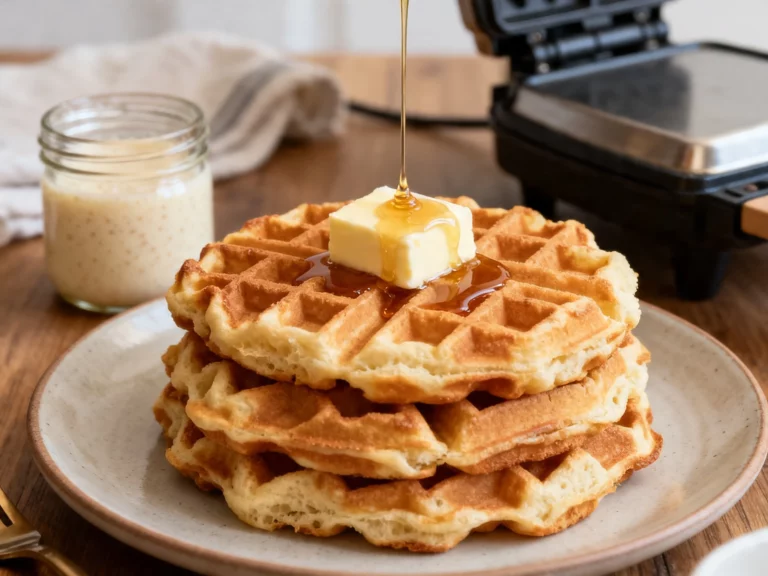
- Pumpkin waffles: Use a slightly thicker batter and add a tablespoon of extra oil for crisp edges.
- Pumpkin chocolate chip bread: Fold in dark chocolate chips for a dessert-like version that still pretends to be breakfast.
- Pumpkin cranberry loaf: Add dried cranberries and orange zest for a brighter, holiday-style twist.
- Pumpkin spice cookies: Reduce liquid slightly and chill the dough before baking for soft, cake-like cookies.
- Gluten-conscious version: Use a measure-for-measure gluten-free flour blend if your starter supports it, and expect a slightly softer crumb.
- Lower-sugar option: Reduce sugar modestly and boost flavor with vanilla, spices, and chopped nuts so the bake still feels satisfying.
FAQ
Can I use sourdough discard straight from the fridge?
Yes. Most pumpkin discard recipes work well with cold discard, especially muffins, pancakes, and quick breads. If it is very stiff, whisk it with the wet ingredients thoroughly so it blends smoothly.
Does the discard need to be active?
No. For these types of recipes, the main rise comes from baking soda and baking powder, not from active fermentation. Active starter will still work, but unfed discard is usually the whole point.
What can I make besides bread and muffins?
You can make pancakes, waffles, snack cake, cookies, donuts, biscuits, scones, and even pumpkin cinnamon rolls. Once you understand the flavor pairing, the options multiply fast.
Can I make these recipes dairy-free?
Absolutely. Use plant milk, dairy-free butter, or a neutral oil. The pumpkin keeps the texture moist, so dairy-free swaps often work very well here.
How tangy will the finished bake taste?
Usually just lightly tangy. The pumpkin, sugar, and spices mellow the sour flavor, so the result tastes balanced rather than sharp. Older discard may taste stronger, especially if you use a large amount.
Can I freeze the batter instead of baking it right away?
It is better to bake first, then freeze the finished product. Batter with baking soda and baking powder loses strength as it sits, so you may get a weaker rise if you wait too long.
What spices work best with pumpkin and sourdough?
Cinnamon leads the way, then ginger, nutmeg, and a small amount of cloves or allspice. You can also add cardamom for a more complex flavor if you want something a little less standard.
Why did my loaf turn out gummy?
You probably underbaked it, used too much pumpkin or discard, or sliced it while it was still hot. Let the loaf cool properly and check the center carefully before removing it from the oven.
The Bottom Line
Pumpkin and sourdough discard solve each other’s problems in the best way. Pumpkin adds moisture and cozy flavor, while discard brings depth and helps you waste less. That combination turns everyday bakes into something smarter, richer, and way more interesting.
If you want an easy fall baking upgrade, start with muffins or a quick bread. Once you see how simple the formula feels, branch into pancakes, waffles, cookies, and beyond. Your starter gets used, your kitchen smells incredible, and you get to act like this level of seasonal competence is totally effortless.