Healthy 30-minute Pasta Recipes (light and Satisfying)
Weeknight pasta that hits all the marks: lean protein, bright sauces, and fresh veggies—ready fast and designed to leave you energized.
You want pasta that doesn’t knock you out afterward. Fair. Here’s the play: big flavor, smart macros, and a sauce that hugs the noodles without drowning them in heavy cream. We’ll use high-protein or whole-wheat pasta, plus vegetables and lean protein, to deliver a bowl that eats like comfort and performs like fuel. It’s fast, straightforward, and wildly customizable—because your Tuesday night doesn’t need more complexity. Ready to win dinner and your next morning workout?
What Makes This Special
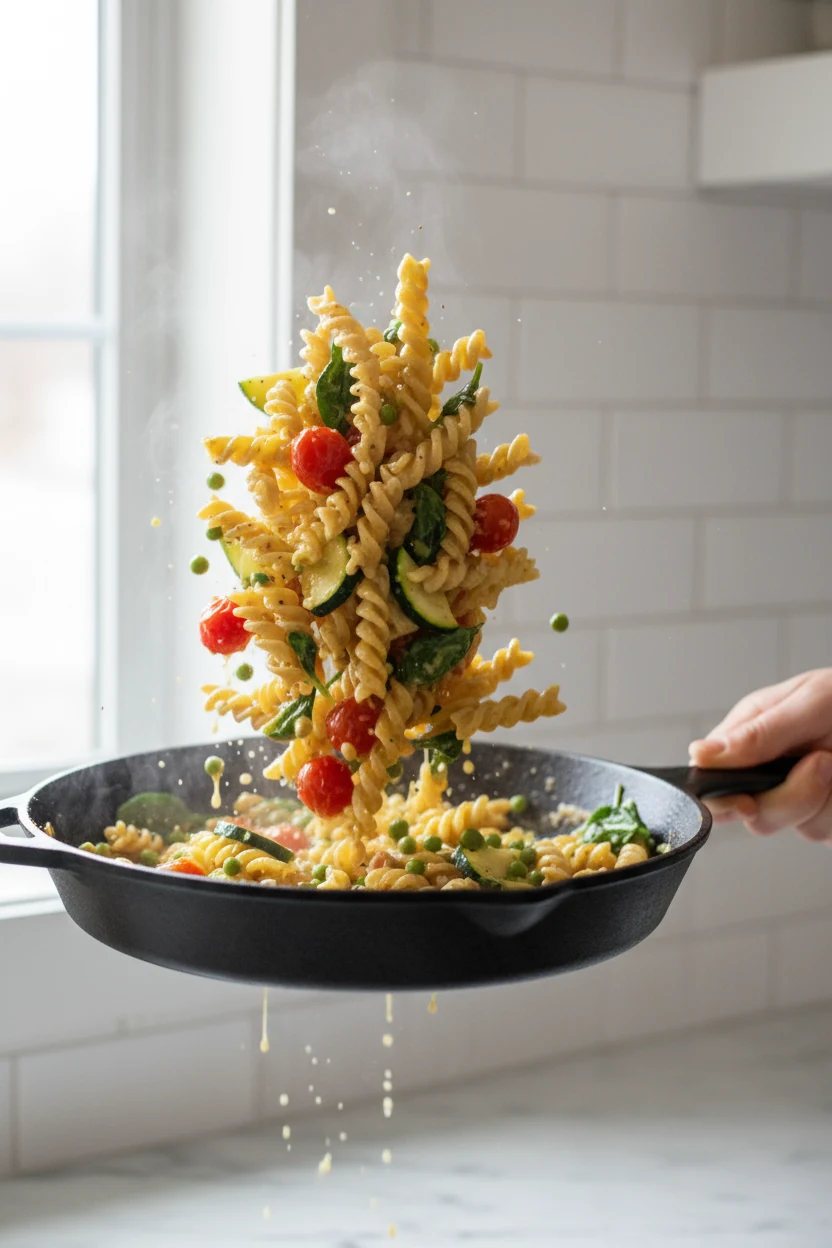
These recipes fuse speed with nutrition, leaning on pantry staples and fresh produce to deliver maximum payoff in minimal time. We swap heaviness for bright acidity, umami boosts, and lean proteins so you stay satisfied without the sluggish aftermath. The secret weapon? Emulsification—using starchy pasta water, olive oil, and a touch of lemon or Dijon to create a glossy, clingy sauce that feels indulgent but stays light.
Every bowl is balanced: carbs for energy, protein for satiety, fiber for happy guts, and fats for flavor. No chef drama, just practical technique that works on a busy weeknight. And yes, it’s one-pot adjacent—less mess, more eating.
What Goes Into This Recipe – Ingredients
Core Pantry and Produce (Serves 4)
- 12 oz whole-wheat or high-protein pasta (penne, fusilli, or spaghetti)
- 2 tbsp extra-virgin olive oil
- 3 cloves garlic, thinly sliced
- 1/2 tsp crushed red pepper flakes (optional, for gentle heat)
- 1 lemon (zest + 2 tbsp juice)
- 1 cup low-sodium vegetable broth or reserved pasta water
- 1/4 cup finely grated Parmesan or Pecorino (or 2 tbsp nutritional yeast)
- 1/3 cup chopped fresh herbs (parsley, basil, or mint)
- 1/2 tsp kosher salt, plus more for the pasta water
- Freshly ground black pepper, to taste
Veggie Add-Ins
- 2 cups baby spinach
- 1 cup cherry tomatoes, halved
- 1 small zucchini, diced or ribboned
- 1/2 cup peas (fresh or frozen)

Protein Options (Pick One or Mix)
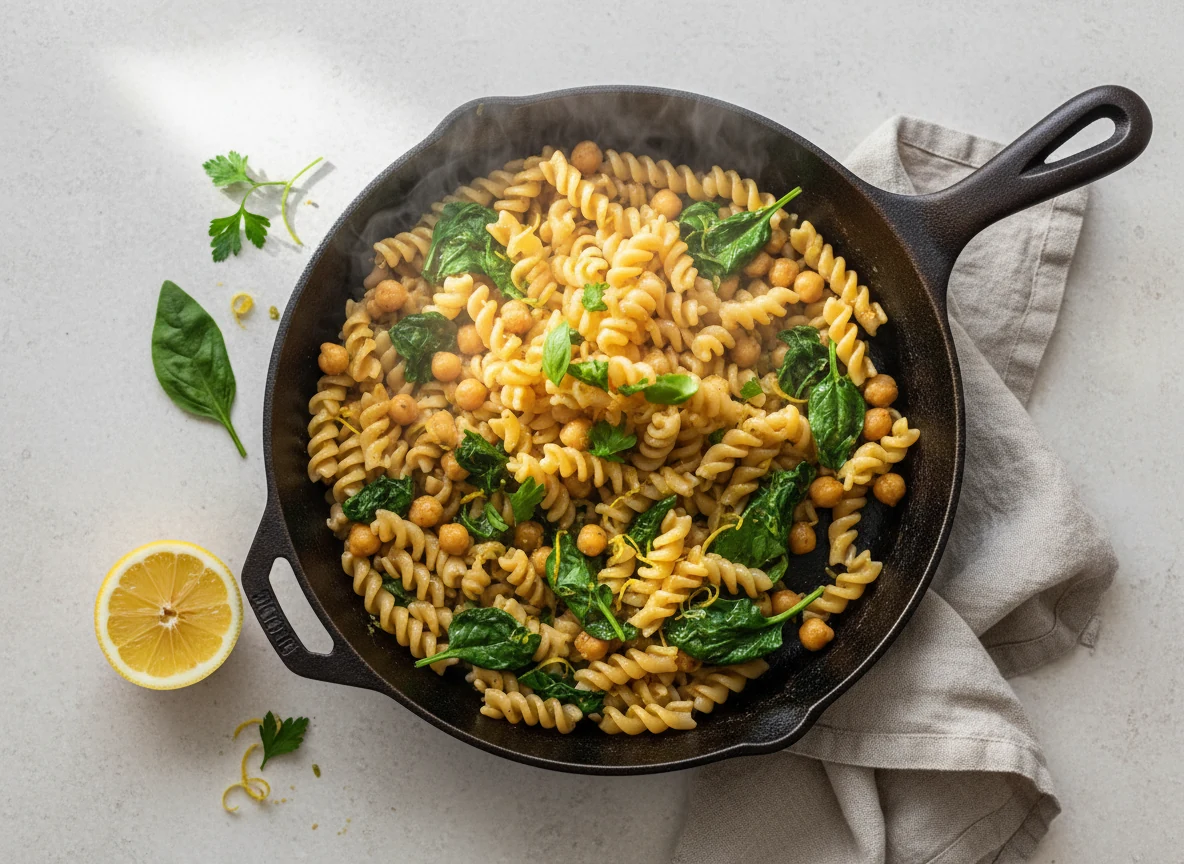
- 1 can (15 oz) chickpeas, rinsed and drained
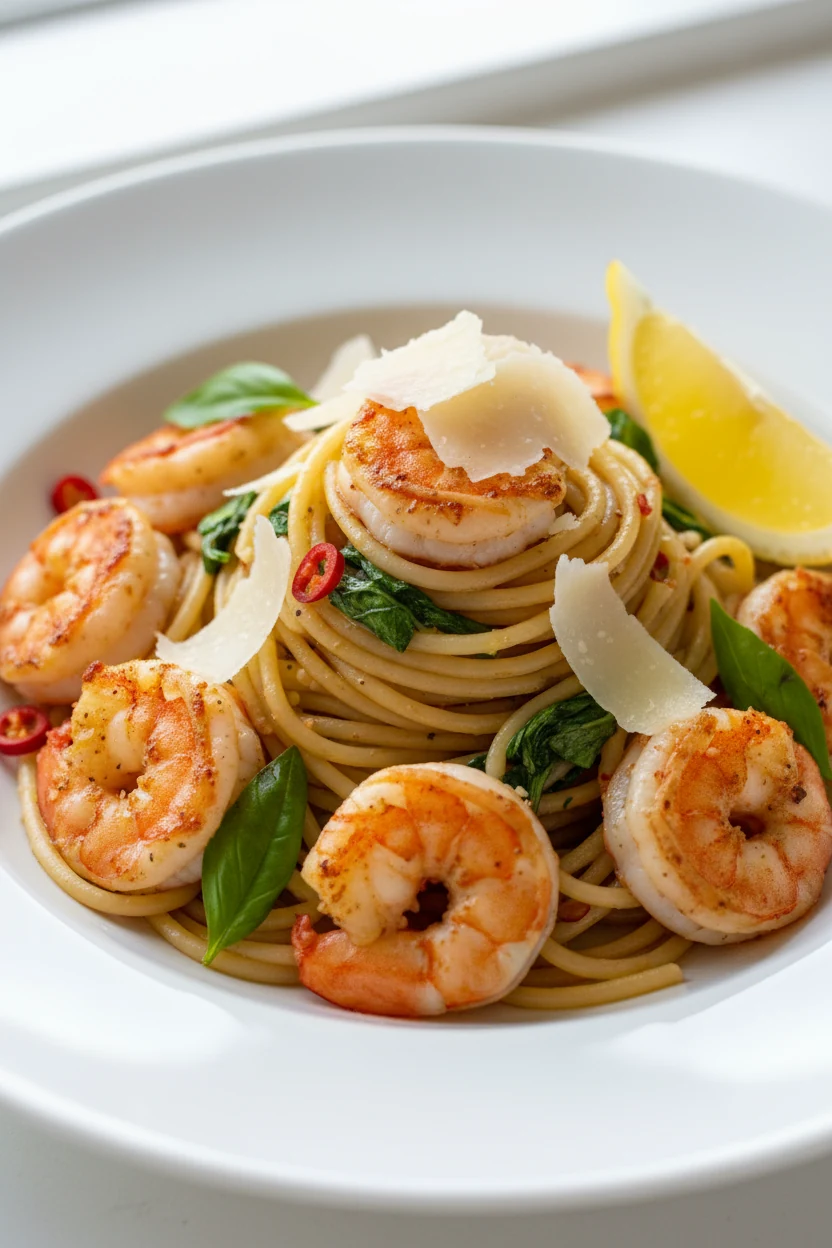
- 8 oz shrimp, peeled and deveined
- 8 oz cooked chicken breast, shredded or diced
- 1/2 cup Greek yogurt (for a creamy variation) or 3 tbsp ricotta
- 1/4 cup toasted pine nuts or sliced almonds (for crunch)

Flavor Boosters (Optional but Excellent)
- 2 tsp Dijon mustard (helps emulsify the sauce)
- 1 tsp honey or maple syrup (balances acidity)
- 1 tbsp capers, rinsed
- 1/4 cup sun-dried tomatoes, chopped
Garnish
- Lemon wedges
- Extra herbs
- Crushed red pepper
- Parmesan curls
Cooking Instructions
- Boil the pasta: Bring a large pot of water to a boil and add 1–2 tbsp kosher salt. Cook pasta until al dente per package timing. Reserve 1 cup starchy pasta water before draining.
- Cook your protein: If using shrimp, sauté in 1 tsp olive oil with a pinch of salt and pepper until pink, 2–3 minutes. For chicken, warm through. For chickpeas, toss in the pan for 2 minutes to lightly toast.
- Build the flavor base: In a large skillet, warm 2 tbsp olive oil over medium. Add garlic and red pepper flakes; sizzle 30–45 seconds until fragrant (not brown—garlic goes bitter fast, and we’re not here for that).
- Emulsify the sauce: Add 1 cup broth or reserved pasta water, lemon zest, and juice. Whisk in Dijon and honey if using. Simmer 2 minutes to marry flavors.
- Veggie time: Add tomatoes, zucchini, and peas. Cook 2–3 minutes until just tender. Toss in spinach to wilt, 30 seconds.
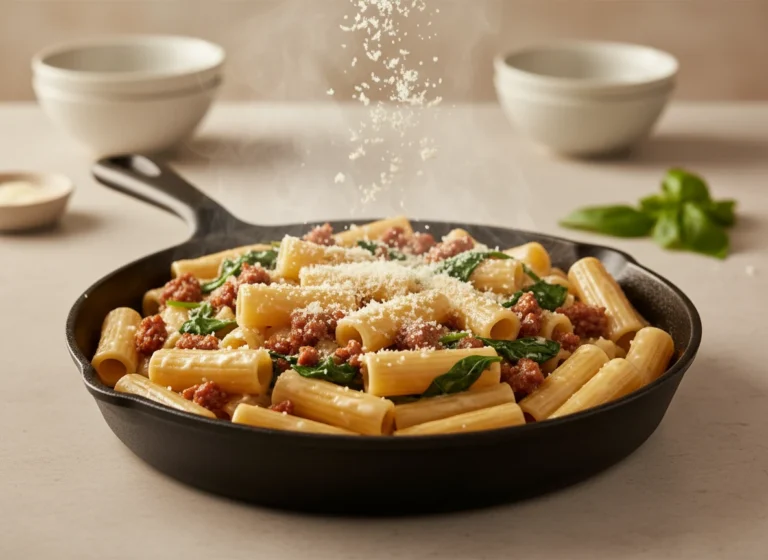
- Toss with pasta: Add drained pasta to the skillet with Parmesan (or Greek yogurt for creamy vibes). Stir vigorously, adding splashes of reserved water until the sauce clings and turns glossy. Season with 1/2 tsp salt and black pepper.
- Finish and customize: Fold in herbs, capers, or sun-dried tomatoes. Add your cooked protein and gently toss. Taste and adjust—more lemon? More pepper? Your call.
- Serve: Plate, garnish with extra herbs and Parmesan curls, and squeeze a final lemon wedge. Then accept your applause (or just nod at yourself, TBH).
Preservation Guide
Cool leftovers quickly, then store in an airtight container in the fridge for 3–4 days. Reheat in a skillet over medium with a 2–3 tbsp splash of water or broth to revive the sauce and keep things silky. Microwaving works in a pinch, but stir halfway and add a splash of liquid so it doesn’t turn into pasta jerky.
Freezing is great for versions without yogurt or delicate greens; freeze up to 2 months. If you used Greek yogurt, skip the freezer—dairy can separate. Instead, freeze the cooked pasta and veg/protein base, then stir in yogurt fresh after reheating. FYI, shrimp gets rubbery if over-reheated; warm it gently.
What’s Great About This
- Balanced and light: Protein + fiber + healthy fats = satisfaction without the slump.
- Fast: From water boil to plating in about 25–30 minutes.
- Flexible: Works with what’s in your fridge. Cherry tomatoes out? Use bell peppers.
- One-skillet sauce: Minimal mess, maximal flavor. Your sink says thank you.
- Budget-friendly: Pantry pasta plus seasonal veg keeps costs down while taste goes up.
- Meal-prep friendly: Holds well, reheats cleanly, and doesn’t rely on heavy cream.
What Not to Do
- Don’t skip salting the pasta water: Bland water equals bland pasta. Aim for water that tastes pleasantly seasoned.
- Don’t overcook: Mushy pasta = sauce sponge, not appetizing. Pull it just shy of al dente; finish in the skillet.
- Don’t add yogurt to boiling sauce: Lower the heat first so it blends creamy, not curdled.
- Don’t drown it in oil: A little EVOO plus emulsified pasta water is all you need.
- Don’t forget acidity: Lemon or vinegar wakes the whole dish up. Your taste buds are not asleep at 7 p.m., promise.
- Don’t overcrowd the skillet: Veg turns soggy. Cook in batches if needed. Patience pays.
Mix It Up
- Lemon-Tahini Chickpea & Spinach: Whisk 1 tbsp tahini into the sauce with lemon and Dijon. Fold in chickpeas and spinach. Finish with parsley and a sprinkle of sumac, IMO elite.
- Yogurt “Alfredo” Broccoli & Chicken: Steam 2 cups broccoli florets. Off heat, stir in 1/2 cup Greek yogurt and Parmesan. Add chicken. Black pepper avalanche recommended.
- Tomato-Basil Shrimp: Sauté shrimp; add cherry tomatoes and a splash of balsamic. Finish with basil, lemon zest, and chili flakes for a clean kick.
- Miso-Butter Mushroom: Brown sliced mushrooms; whisk 1 tsp white miso into the pan with pasta water and a tiny pat of butter. Chives on top. Umami for days.
- Pesto Pea & Zucchini: Toss cooked pasta with 1/4 cup pesto, peas, and sautéed zucchini. Brighten with lemon. Add almonds for crunch.
FAQ
Is whole-wheat or high-protein pasta really healthier?
Yes—more fiber and protein means better satiety and steadier energy. Whole-wheat pasta also brings micronutrients and a nutty flavor that plays nicely with lemon and herbs. If texture is your worry, cook it just shy of al dente and finish in the sauce for a great bite.
Can I make this gluten-free?
Absolutely. Use a quality gluten-free pasta (brown rice, quinoa, or corn blends) and handle it gently—it can break if overcooked. Reserve extra pasta water; GF pasta starch helps emulsify the sauce even more.
How do I keep it creamy without heavy cream?
Use emulsification plus smart swaps: starchy pasta water, olive oil, a touch of Dijon, and Parmesan create a silky coating. For extra creaminess, stir in Greek yogurt off heat. It’s tangy, protein-rich, and doesn’t sit heavy. Ricotta works too.
What’s the right amount of salt for pasta water?
A good rule is 1–2 tbsp kosher salt per 4–5 quarts. The water should taste pleasantly seasoned, not ocean-level. Salted water is the fastest “seasoning” for the pasta itself—don’t rely only on the sauce.
Can I meal prep this without it drying out?
Yes. Undercook the pasta by 1 minute, keep some reserved pasta water, and reheat with a splash in a skillet. Avoid adding delicate herbs until serving; they taste fresher when added last. Store proteins and garnishes separately if you want maximum texture.
What pasta shapes work best here?
Short cuts like fusilli, penne, and rigatoni are great for chunkier add-ins; spaghetti or bucatini shine with lighter, silky sauces. The goal is sauce cling and balanced bites, not a game of fork Jenga.
In Conclusion
Healthy pasta in under 30 minutes isn’t a fantasy—it’s technique plus smart ingredients. Build a bright, emulsified sauce, keep the pasta al dente, and load your bowl with lean protein and vegetables. The result: comfort that fuels, flavor that pops, and a routine you’ll actually keep. FYI, leftovers taste even better tomorrow—if they survive tonight.