18 Vegan Indian Recipes Everyone Will Love — Big Bold Flavor
Weeknight-friendly, crowd-pleasing Indian recipes with zero animal products and big spice—ideal for potlucks, meal prep, and dinners.
You want flavor that punches above its weight class and keeps the whole table happy. Indian cuisine has the blueprint: layered spices, pantry-smart proteins, and sauce that makes rice feel like a treat. So I built a simple master method that lets you turn one base into 18 legit vegan Indian dishes people will request again and again. Minimal fuss, maximum payoff, and yes—your leftovers will taste even better tomorrow. Ready to upgrade dinner without playing chef for three hours? Thought so.
Why This Recipe Works
This roundup uses a master masala base—an aromatic tomato-onion sauce you’ll build once and remix into 18 different dishes. It’s faster than learning every recipe from scratch, and it keeps your grocery list tight. Spices layer at the right times, so you get depth without bitterness. You’ll swap in veggies, beans, tofu, lentils, and regional add-ins to unlock different flavors while reusing the same core steps. Budget-friendly, meal-prep friendly, and wildly customizable—what’s not to love?
Ingredients Breakdown
- Aromatics: Yellow onions, garlic, fresh ginger, green chilies (optional for heat).
- Base & body: Tomato puree or crushed tomatoes, water or vegetable stock.
- Fats: Neutral oil (like avocado or canola), or coconut oil for a richer vibe.
- Whole spices: Cumin seeds, mustard seeds, bay leaf, cinnamon stick, cloves, green cardamom pods.
- Ground spices: Coriander, turmeric, Kashmiri chili powder (or paprika), cumin, garam masala.
- Fragrant add-ins: Curry leaves, kasuri methi (dried fenugreek leaves), asafoetida/hing (ensure gluten-free, some brands add wheat).
- Acid & sweet: Lemon or lime, tamarind paste, jaggery or coconut sugar (a pinch balances flavor).
- Creamy elements (vegan): Full-fat coconut milk, cashew cream (blend soaked cashews + water), unsweetened plant yogurt.
- Proteins: Chickpeas (canned or cooked), kidney beans (rajma), red lentils (masoor), yellow split lentils (moong/toor), firm tofu, tempeh, soy curls, peas.
- Vegetables: Cauliflower, potatoes, spinach, tomatoes, eggplant, okra, mushrooms, bell peppers, carrots, green beans.
- Rice & breads (to serve): Basmati rice, quinoa (not traditional, but solid), vegan naan or roti.
- Garnishes: Fresh cilantro, toasted coconut, sliced green chilies, lemon wedges, roasted cashews.
- Optional for specific dishes: Biryani whole spices (star anise, extra cardamom), saffron, vinegar (for vindaloo vibes), mint, fresh coconut.
How to Make It – Instructions
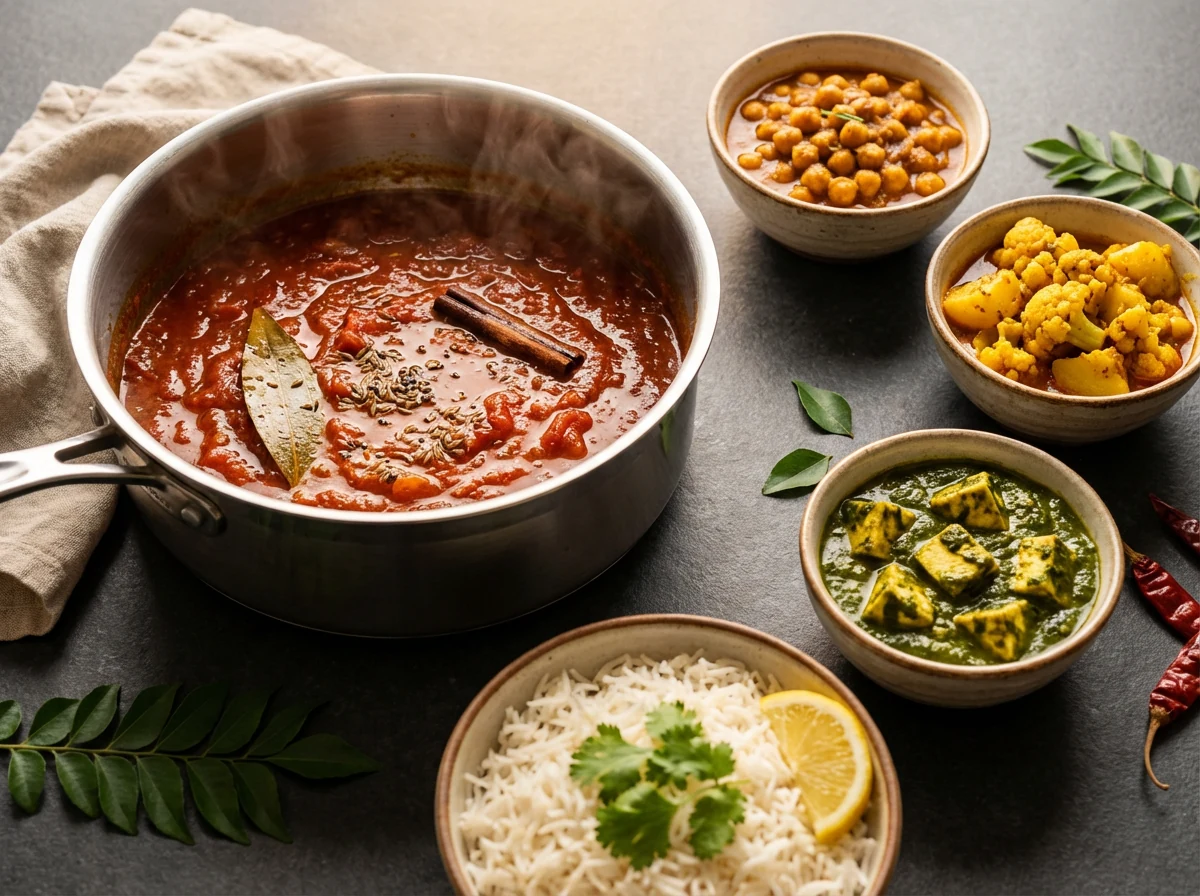
- Bloom whole spices: Warm 2–3 tbsp oil over medium heat. Add 1 tsp cumin seeds, 1/2 tsp mustard seeds, bay leaf, and a small cinnamon stick. Cook until the seeds crackle, 30–45 seconds.
- Build aromatics: Add 1 large diced onion with a pinch of salt. Sauté until deeply golden, 8–10 minutes. Stir in 4 minced garlic cloves and 1 tbsp grated ginger; cook 60 seconds.
- Spice layer: Add 1 tsp ground coriander, 1 tsp ground cumin, 1/2–1 tsp Kashmiri chili powder, and 1/2 tsp turmeric. Toast 30 seconds until fragrant. If dry, splash water so nothing scorches.
- Tomato time: Add 1 1/2 cups tomato puree. Simmer until thick and glossy, 6–8 minutes, stirring so it doesn’t stick. Taste: it should be savory-sweet, not raw.
- Choose your path: For a curry, add 1–1 1/2 cups water/stock to loosen. For creamy dishes, stir in 1/2–3/4 cup coconut milk or cashew cream.
- Protein/veg: Add your main ingredients. Chickpeas/beans: simmer 12–15 minutes. Tofu/tempeh: simmer 8–10 minutes. Quick-cook veggies (spinach, peas): 3–5 minutes. Root veg/cauli: 12–15 minutes (add a splash more liquid if needed).
- Finish & balance: Stir in 1 tsp garam masala and 1 tsp kasuri methi, crush between fingers. Add a squeeze of lemon and tiny pinch of jaggery to balance. Salt to taste.
- Garnish & serve: Top with cilantro. Serve hot with basmati rice or vegan naan. Pro tip: let the pot rest 5 minutes off heat—flavors marry, steam settles.
- Meal prep: Cool, portion, and refrigerate. Sauces thicken overnight (that’s the good kind of clingy). Thin with a splash of water when reheating.
- Instant Pot (FYI): Sauté steps on Sauté mode; for lentils/beans curries, pressure cook 5–8 minutes (red lentils 3–4) with a natural release.
Storage Tips
- Fridge: Store in airtight containers for 4–5 days. Keep garnishes separate.
- Freezer: Most curries freeze well for 2–3 months. Skip freezing fresh greens; add spinach after reheating.
- Reheat: Low heat on stovetop with a splash of water. Stir gently so creamy elements don’t split. Microwaves are fine; cover to avoid splatter.
- Make-ahead masala: Batch the base sauce and freeze in 1–2 cup portions. Pull one midweek, add protein/veg, dinner’s done.
Benefits of This Recipe
- High flavor, low complexity: One base unlocks 18 dishes—chef magic without drama.
- Plant-powered: Beans, lentils, and tofu bring protein; veggies carry fiber and micronutrients.
- Budget-friendly: Pantry staples stretch into multiple meals. Beans > takeout. Your wallet agrees.
- Custom heat: Dial chilies up or down to match the audience (kids, spice fiends, whoever shows up).
- Meal prep gold: Curries improve on day two. Batch once, feast for days.
- Gluten-free friendly: Most dishes are naturally GF; just choose the right hing and bread.
Pitfalls to Watch Out For
- Burning spices: Whole/ground spices cook fast. If the pan is screaming hot, add a splash of water to save the day.
- Watery sauce: Simmer long enough to reduce. You want glossy, not soupy.
- Raw tomato tang: Cook the puree down until sweet-savory. If tangy, keep simmering.
- Cream splitting: Add coconut milk/cashew cream after the simmer, not at a furious boil.
- Tough beans: Canned are fine; if using dried, soak and cook properly (or use an Instant Pot).
- Soggy tofu: Press tofu, then simmer gently. Or pan-sear first for texture, IMO the move.
Recipe Variations
- Chana Masala: Add chickpeas, a splash of tamarind, and extra coriander. Finish with lemon and cilantro.
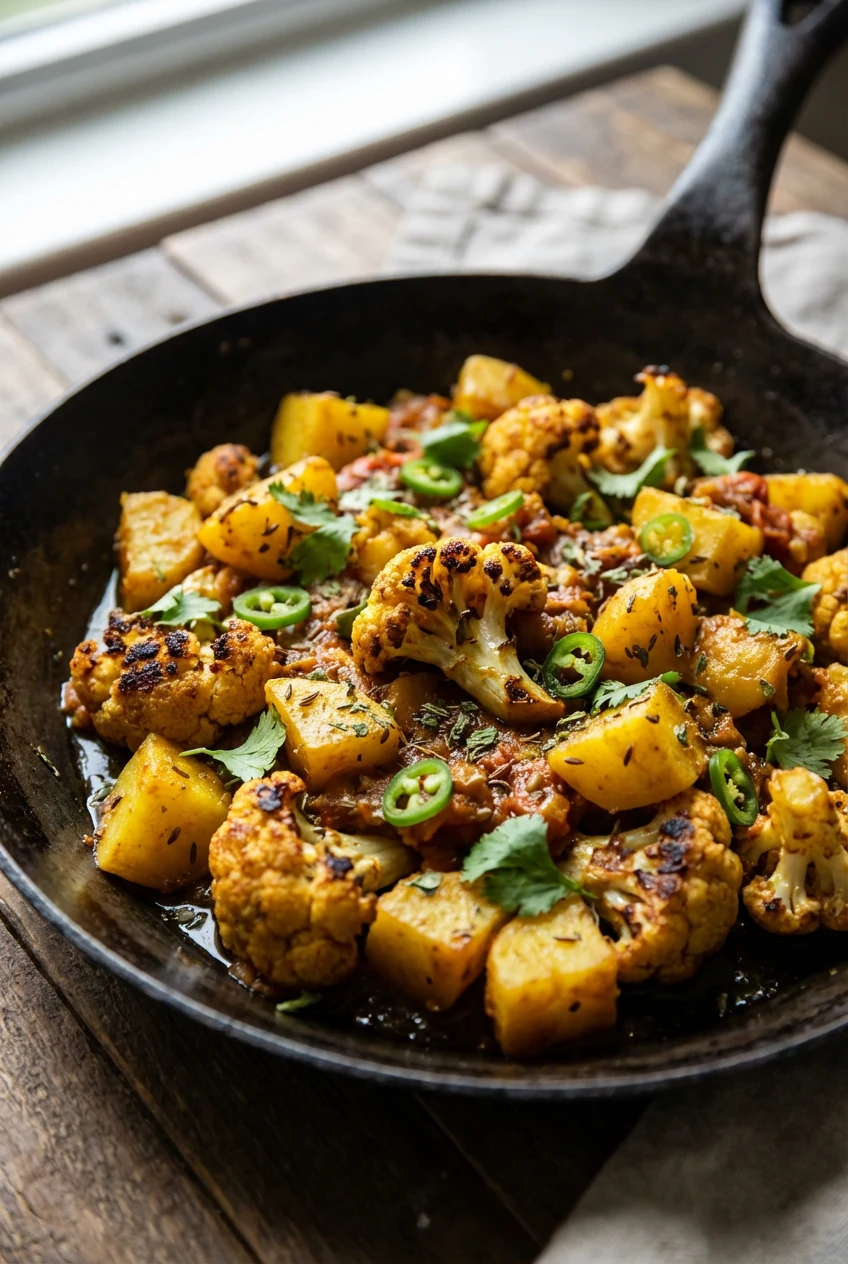
- Aloo Gobi: Cauliflower florets and potato cubes. Keep it dry-ish; finish with kasuri methi and green chilies.
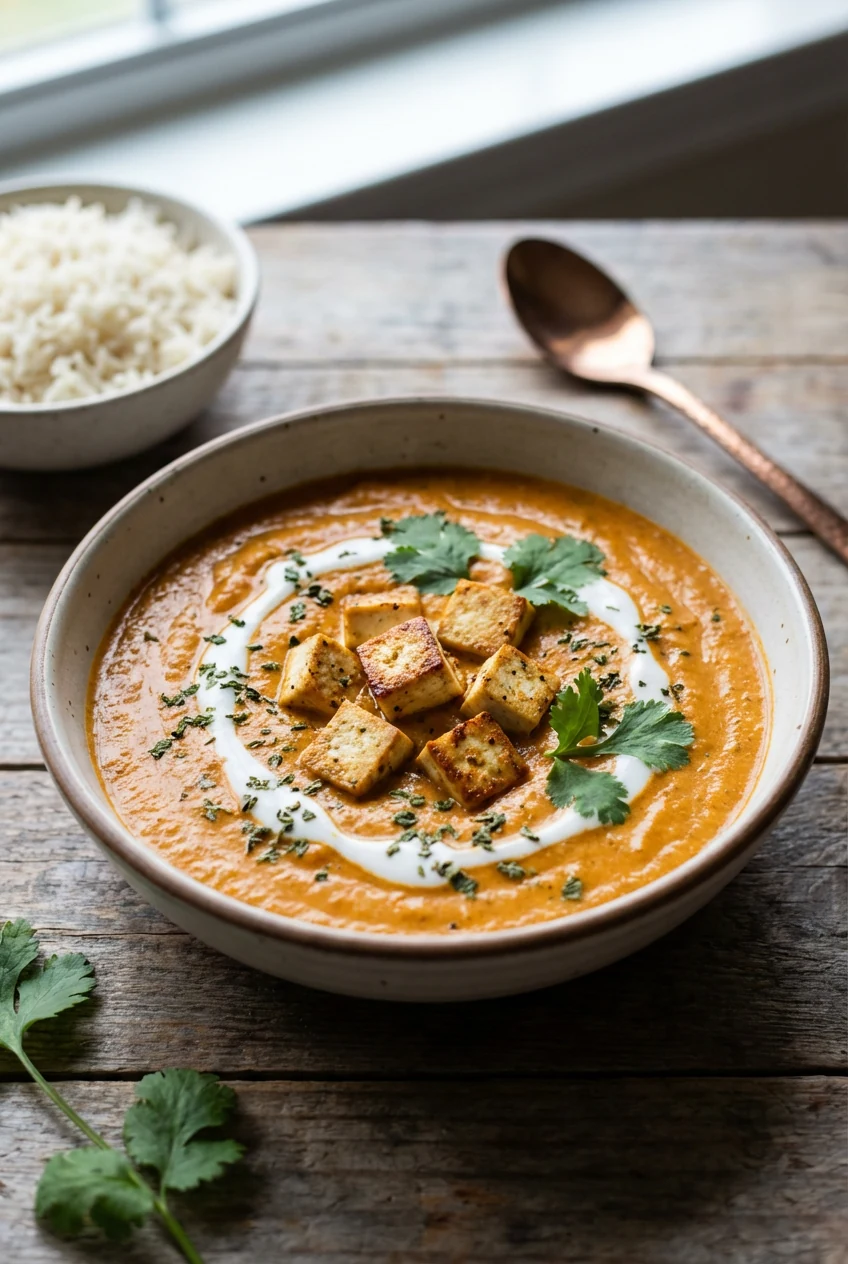
- Palak Tofu (Saag Style): Blend blanched spinach into the sauce, fold in pan-seared tofu, and add garam masala.
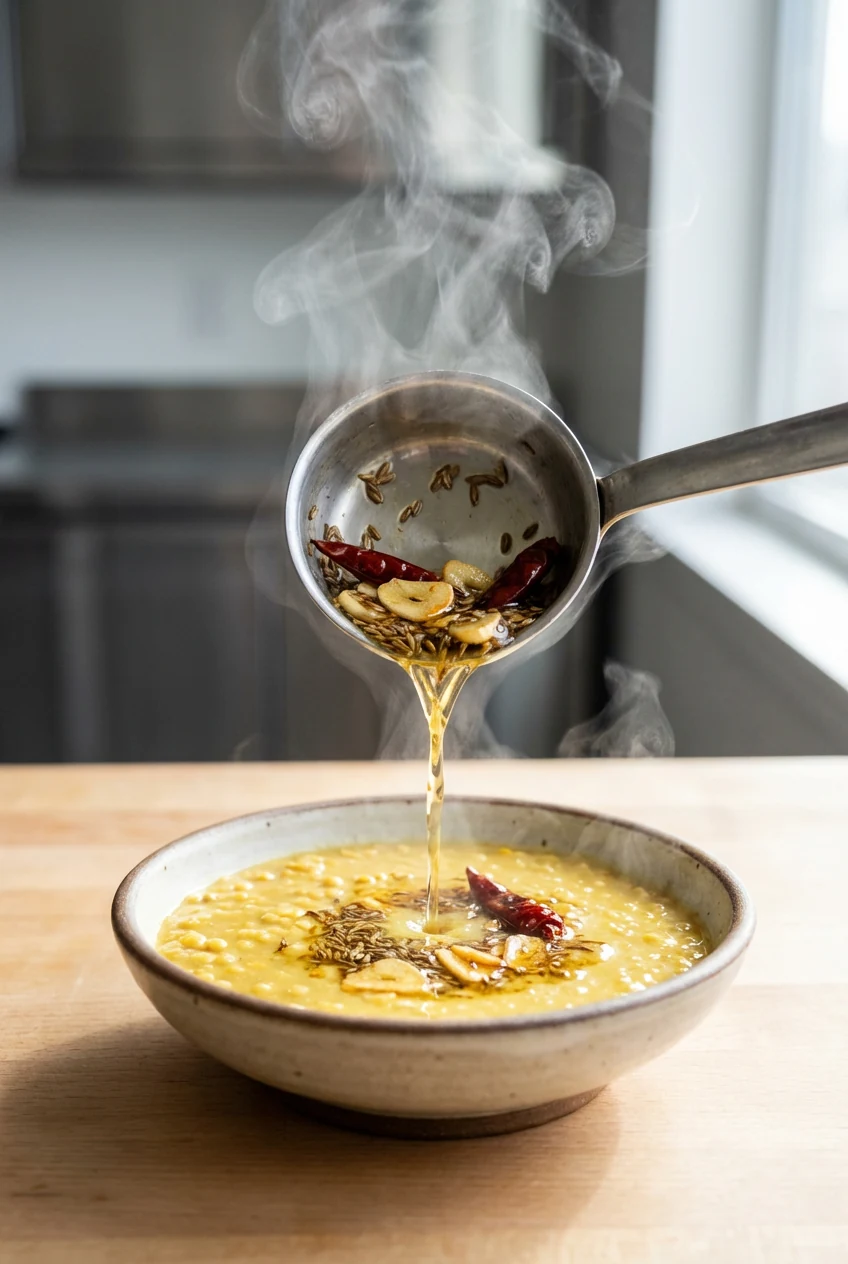
- Dal Tadka: Simmer yellow lentils in the base. Top with a tempering of cumin seeds, garlic, and chilies in hot oil.
- Rajma Masala: Kidney beans, bay leaf, cinnamon, and extra tomato. Rich and cozy with basmati rice.
- Baingan Bharta: Roast eggplant until smoky, mash into the masala, and finish with cilantro and lemon.
- Vegetable Korma: Mixed veg + coconut milk + cashew cream. Add cardamom and a pinch of sugar for balance.
- Tofu Butter Masala: Vegan butter + cashew cream + mild chili. Silky, kid-friendly, still a flex.
- Sambar: Add toor dal, tamarind, curry leaves, and mixed veg (drumstick, carrots, beans). Mustard seed tadka on top.
- Coconut Chickpea Curry: Kerala-style with coconut oil, curry leaves, and coconut milk. Gentle heat, big comfort.
- Tofu Tikka Masala: Marinate tofu in plant yogurt, garam masala, and lemon. Broil, then simmer in the base + cream.
- Masoor Dal: Red lentils cook in minutes. Add cumin, turmeric, and finish with lemon and cilantro.
- Bhindi Masala: Okra sautéed until non-slimy (important!), then tossed in a spiced tomato-onion base.
- Mushroom Matar: Mushrooms and peas. Add a touch of coconut milk for body and pepper for warmth.
- Cauliflower Tikka Bites: Marinate florets in spiced plant yogurt, roast until charred, then toss in the masala.
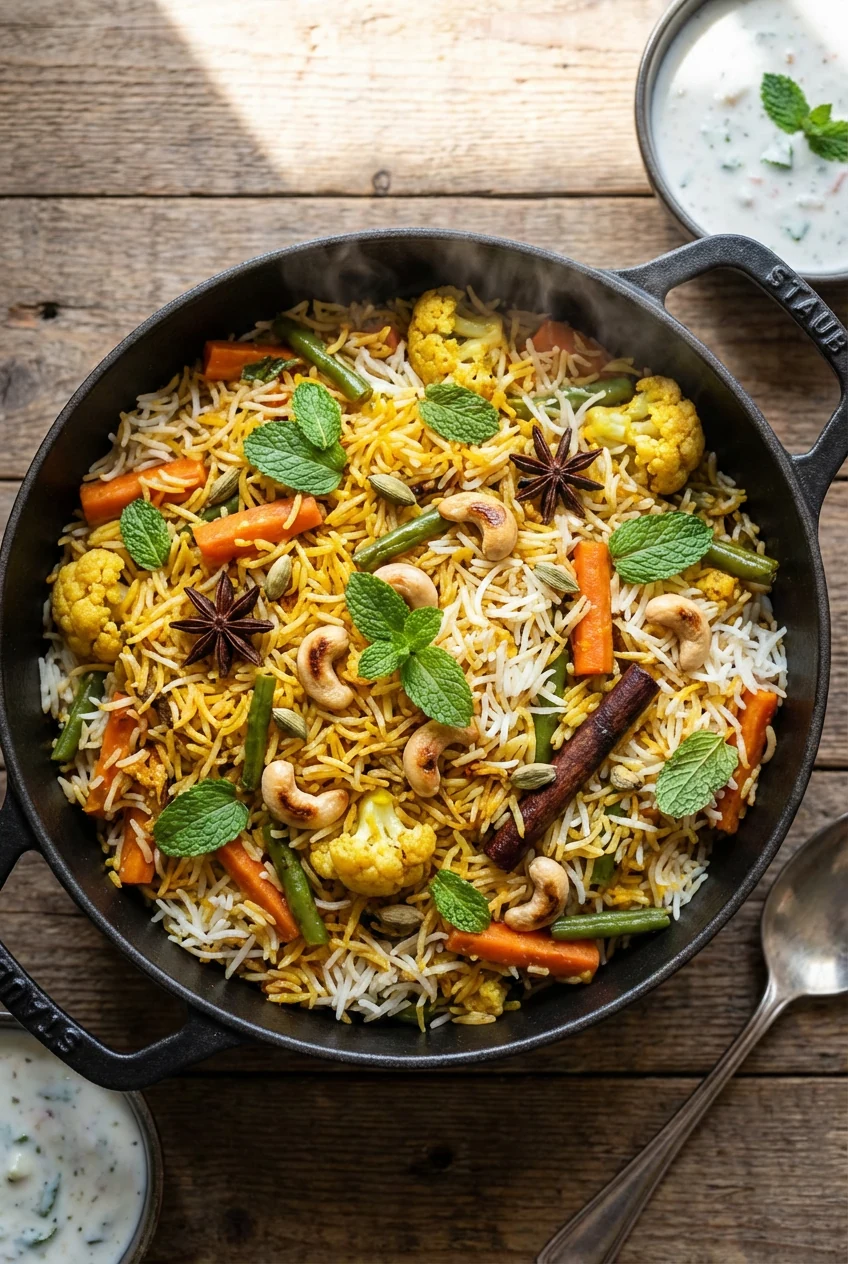
- Vegetable Biryani: Layer parboiled basmati with spiced vegetables, biryani whole spices, and saffron. Steam until fluffy.
- Kaddu (Pumpkin) Curry: Pumpkin cubes, coconut milk, mustard seeds, and curry leaves. Sweet-savory perfection.
- Pindi Chole: Drier chickpea dish with extra roasted cumin and amchur (dried mango powder) for tang.
FAQ
What if I don’t have garam masala?
Use a mix of ground coriander, cumin, a pinch of cloves and cardamom, and black pepper. It’s not identical, but it delivers warm, balanced flavor that plays nicely with the base.
How do I control the heat level?
Skip green chilies and use mild chili powder (Kashmiri or paprika). You can always add sliced chilies at the end for the spice lovers, so everyone wins.
How do I make it creamy without dairy?
Coconut milk gives body and a subtle sweetness; cashew cream yields a silky finish without coconut flavor. Blend 1/2 cup soaked cashews with 3/4 cup water until smooth—done.
Can I make this oil-free?
Yes. Sauté aromatics in a splash of water or stock, adding more as needed. You’ll miss some fat-soluble flavor extraction, but it still tastes solid and keeps things lighter.
Which lentils cook the fastest?
Red lentils (masoor) cook in about 12–15 minutes on the stovetop and 3–4 minutes under pressure. Yellow split (moong/toor) take longer—plan 20–25 minutes unless you pressure cook.
Are these dishes gluten-free?
Most are naturally GF. Watch the hing (asafoetida), as some brands include wheat flour. Choose GF hing and serve with rice or GF flatbreads.
Can I use canned beans to save time?
Absolutely. Rinse and drain, then simmer in the sauce to pick up flavor. Taste and adjust salt—canned beans bring their own seasoning quirks, FYI.
How do I prevent the sauce from tasting raw?
Cook down the tomatoes until the sharp edge disappears and the color deepens. If it’s still tangy, add a few minutes of simmer and a pinch of jaggery to balance.
Instant Pot directions for bean/lentil curries?
Use Sauté for steps 1–4, then add lentils/beans and liquid. Pressure cook 5–8 minutes for most, 3–4 for red lentils, with a natural release for best texture.
How do I reheat creamy curries without splitting?
Low heat and patience. Add a splash of water, stir gently, and avoid boiling. If it does split, a quick blend or whisk rescues the texture fast.
Final Thoughts
If dinner keeps feeling complicated, simplify the system—not the flavor. This master masala plus smart add-ins turns your week into 18 reliable wins, no culinary gymnastics required. Try two or three variations this week, stash the rest for later, and let your spice drawer finally earn its rent. Your taste buds (and your future self) will thank you.