Cake Recipes That Make Bakery-level Results at Home
One flexible master cake plus foolproof steps, storage tips, and flavor swaps so every slice turns out tender, tall, and impressive.
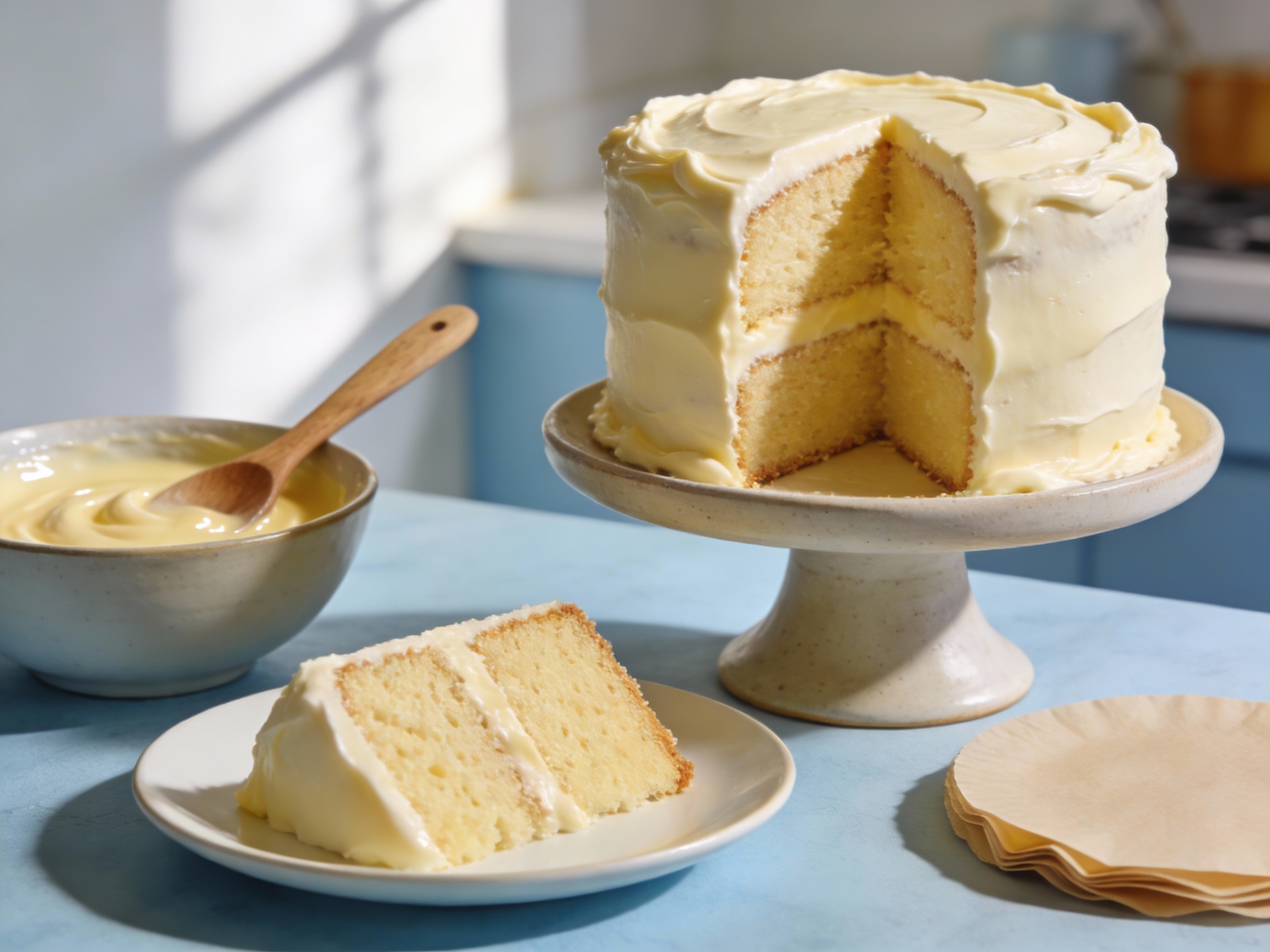
You can buy a decent cake. You can also spend 45 minutes and make one that gets people weirdly quiet at the table. The difference isn’t talent, it’s a few repeatable moves: measure right, don’t overmix, and control heat. This guide gives you a master cake that works for birthdays, Tuesday stress-eating, and “I need a win” moments. Because nothing says “I have my life together” like a cake that slices clean.
This article focuses on one master vanilla butter cake you can bend into multiple flavors, fillings, and finishes. Learn it once, then remix it forever. Your future self will thank you when guests show up early and you still look calm. Or at least calm-ish.
What Makes This Recipe Awesome
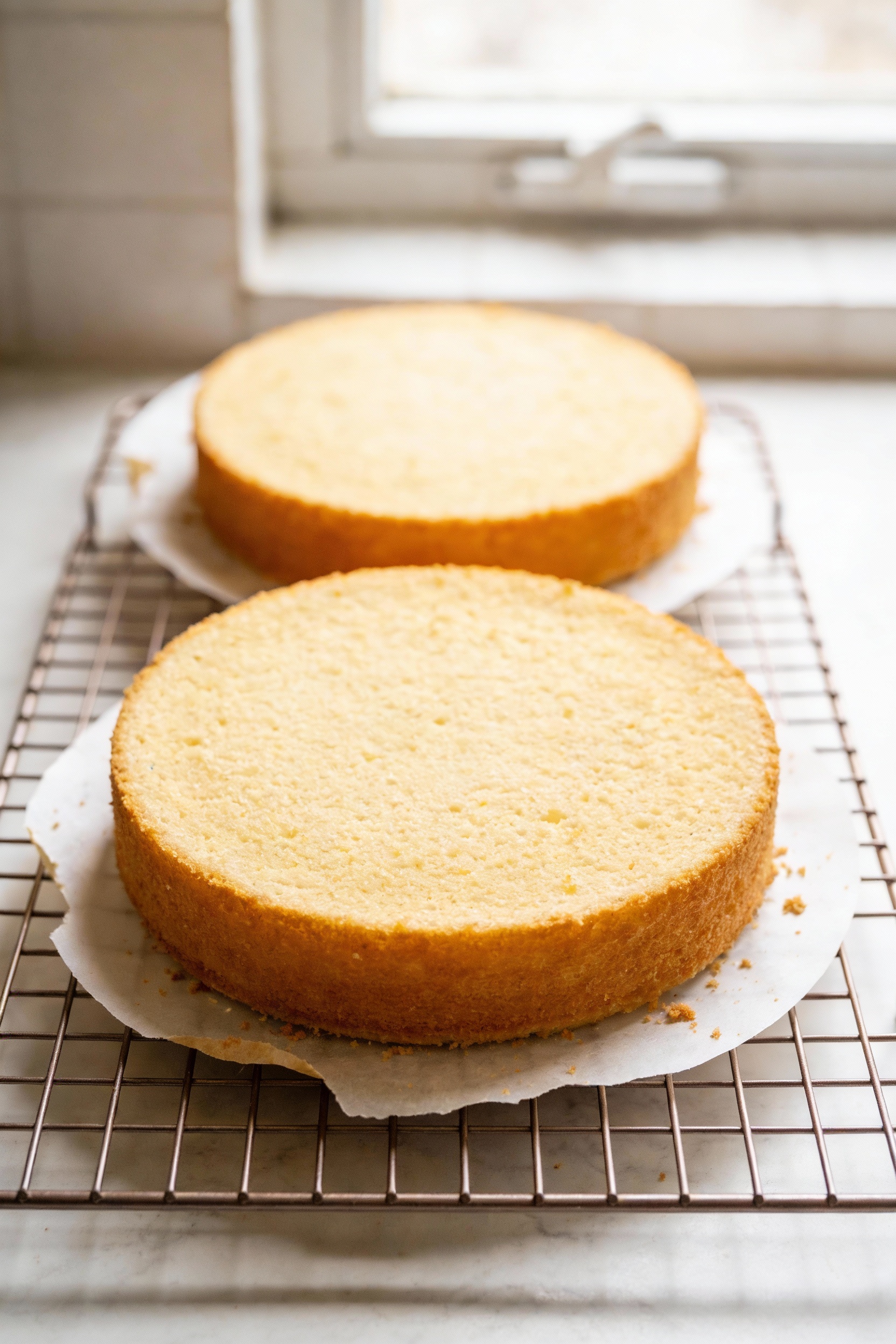
It’s built around a simple formula: butter for flavor, oil for moisture, and a balanced liquid-to-flour ratio so the crumb stays tender. You get a cake that rises evenly, doesn’t dome like a helmet, and stays soft for days. IMO, it’s the sweet spot between “boxed ease” and “bakery texture.”
The method is forgiving. You don’t need a stand mixer, fancy cake strips, or a culinary degree. You just need room-temp ingredients, a timer, and the willpower to stop mixing when the batter looks done.
It also scales. Bake it as two layers, a sheet cake, cupcakes, or a simple loaf. One recipe, a dozen outcomes, minimal chaos.
What Goes Into This Recipe – Ingredients
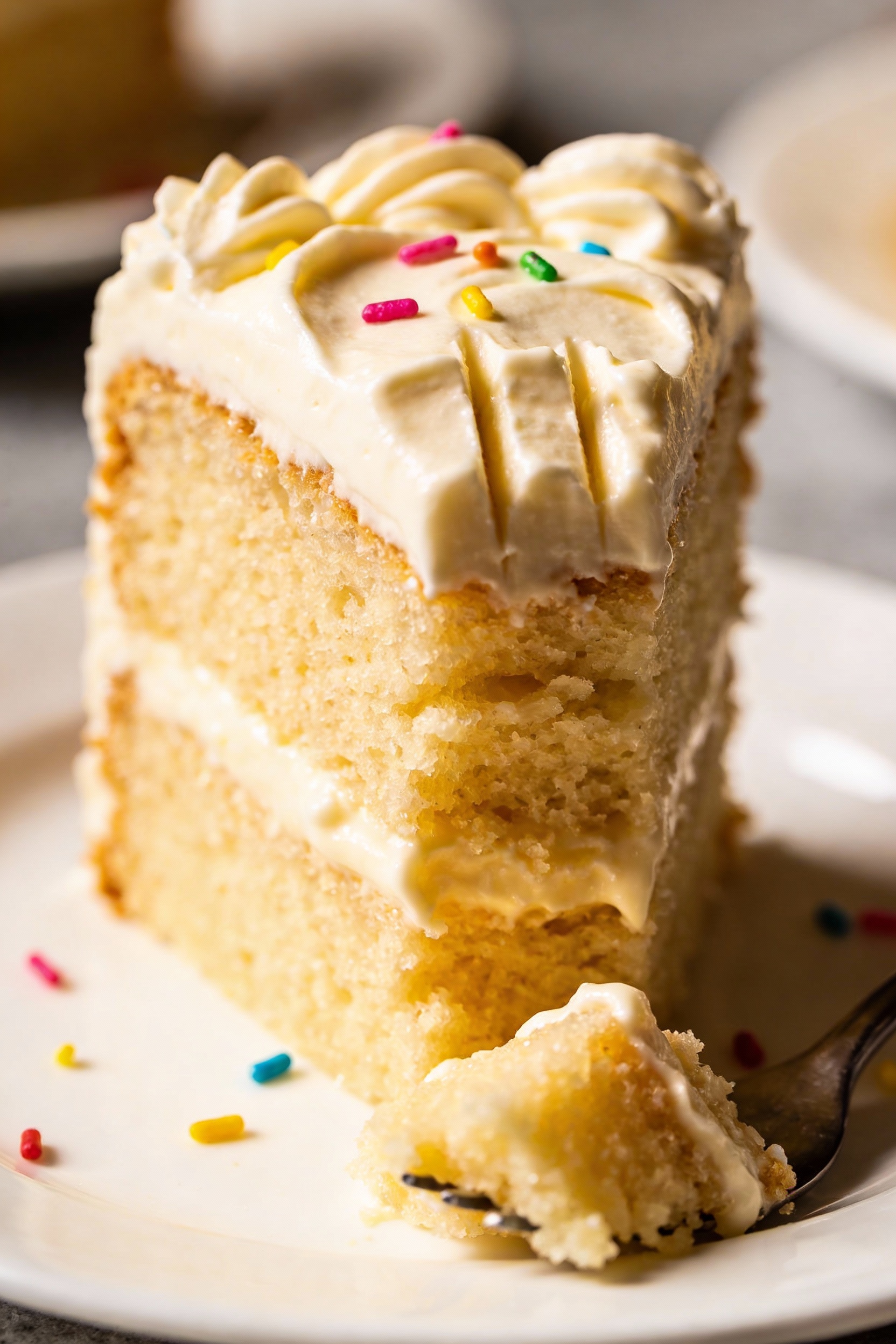
These amounts make a two-layer 8-inch cake (or one 9×13-inch sheet cake). Use room-temperature dairy and eggs for the smoothest batter and the best rise.
- All-purpose flour: 2 1/2 cups (about 300 g), spooned and leveled
- Baking powder: 2 1/2 teaspoons
- Baking soda: 1/2 teaspoon
- Fine salt: 1 teaspoon
- Unsalted butter: 1/2 cup (113 g), softened
- Neutral oil (canola, grapeseed, vegetable): 1/3 cup (75 g)
- Granulated sugar: 1 3/4 cups (350 g)
- Eggs: 3 large, room temperature
- Vanilla extract: 1 tablespoon
- Buttermilk: 1 cup (240 ml), room temperature
- Sour cream: 1/2 cup (120 g)
Optional for serving: buttercream, whipped cream, fruit, jam, chocolate ganache, sprinkles, and your best “I totally meant to do that” confidence.
Instructions
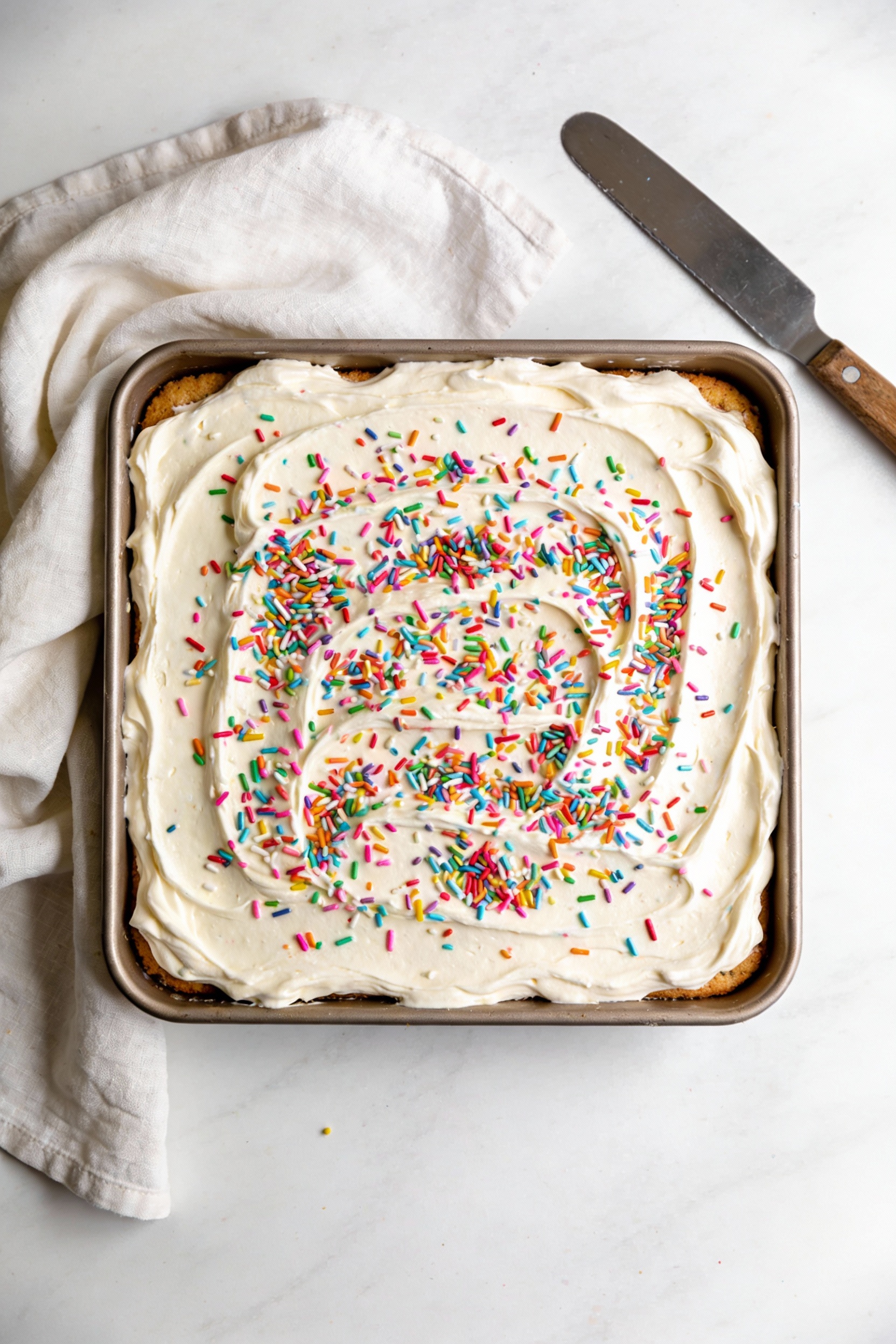
Follow these steps in order. The goal is an airy batter, not a gluten workout.
-
Prep the pans and oven. Heat oven to 350°F (175°C). Grease two 8-inch round pans, line bottoms with parchment, then grease the parchment.
-
Mix the dry ingredients. Whisk flour, baking powder, baking soda, and salt in a bowl until evenly combined.
-
Cream butter, oil, and sugar. In a large bowl, beat butter, oil, and sugar for 2 to 3 minutes until lighter and fluffy. This step builds structure, so don’t speed-run it.
-
Add eggs the smart way. Beat in eggs one at a time, mixing just until each disappears. Scrape the bowl once so you don’t hide a butter blob on the bottom.
-
Flavor it. Mix in vanilla extract.
-
Alternate dry and wet. Add the dry mix in three additions, alternating with buttermilk in two additions. Mix on low and stop as soon as the flour mostly disappears.
-
Fold in sour cream. Add sour cream and mix briefly until smooth. The batter should look thick, glossy, and scoopable.
-
Fill pans evenly. Divide batter between pans and level the tops. Tap pans gently on the counter to pop big air pockets.
-
Bake. Bake 28 to 35 minutes, until a toothpick comes out with a few moist crumbs and the top springs back when pressed lightly.
-
Cool like you mean it. Cool in pans 10 minutes, then turn out onto a rack. Cool completely before frosting, unless you enjoy buttercream soup.
Keeping It Fresh
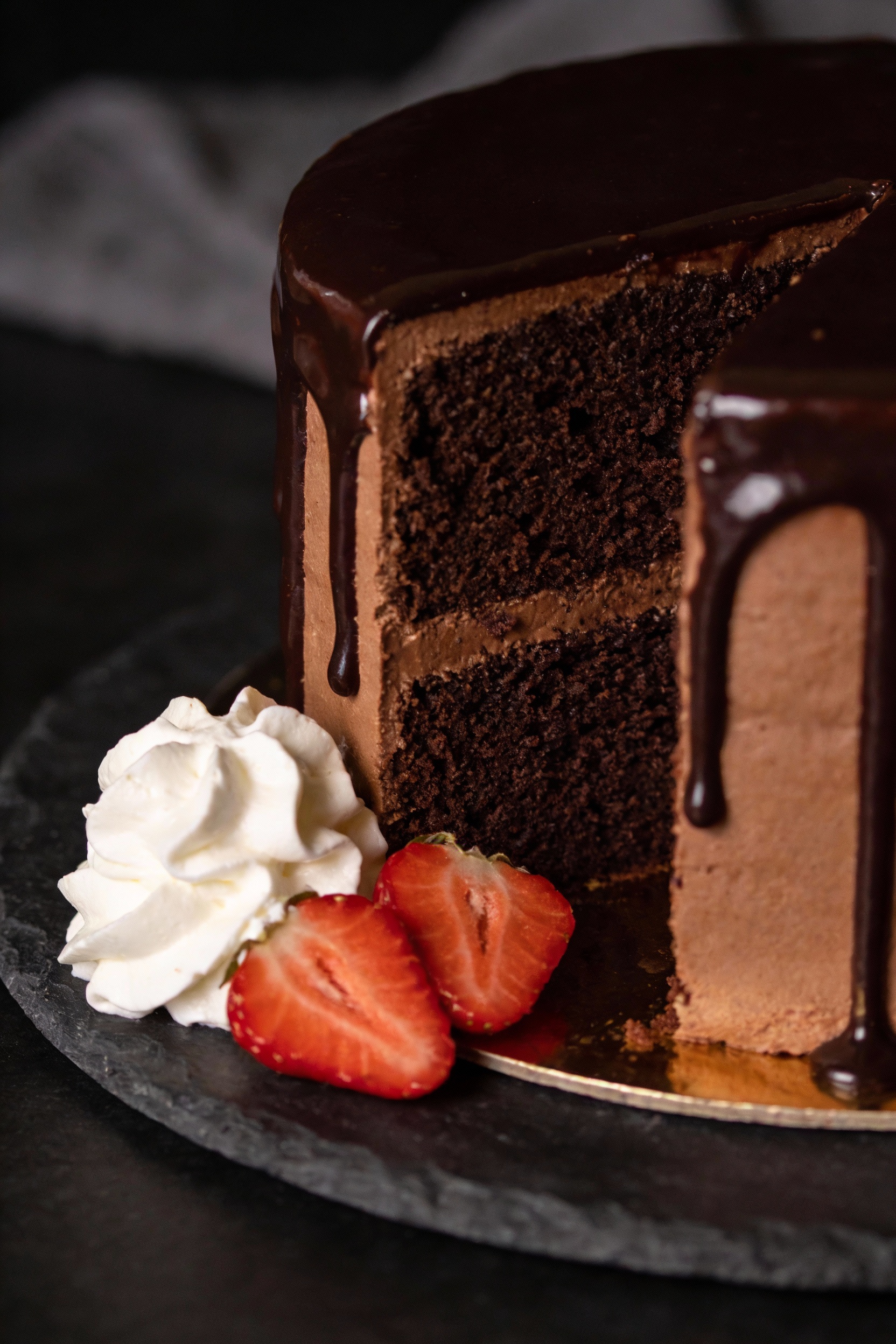
Store unfrosted layers wrapped tightly at room temperature for up to 2 days. For longer storage, wrap in plastic wrap and freeze for up to 2 months; thaw wrapped so condensation forms on the wrap, not the cake.
Frosted cake holds best in the fridge, especially with dairy-based fillings. Chill uncovered for 20 minutes to set the frosting, then cover. Bring slices to room temp for 20 to 30 minutes before serving for the softest texture.
Sheet cake for a party? Keep it in the pan, cover tightly, and slice as needed. Less air exposure means fewer sad, dry corners.
Nutritional Perks
Let’s be honest: cake is a treat, not a multivitamin. Still, you do get some useful stuff: eggs contribute protein and choline, dairy adds calcium, and the fat helps deliver a satisfying texture so you don’t feel like you need half the pan.
Portioning helps more than “healthifying” it into a sponge that tastes like regret. Serve smaller slices with fruit, or pair it with yogurt and call it brunch if anyone asks. FYI, adding nuts or berries boosts fiber and micronutrients without wrecking the vibe.
Avoid These Mistakes
- Cold ingredients. Cold eggs and dairy can make the batter curdle and bake unevenly. Room temp gives you a smoother emulsion and better rise.
- Overmixing after flour. Once flour goes in, mix gently and briefly. Overmixing toughens the crumb and makes the cake chewy in the worst way.
- Wrong measuring. Packing flour into the cup adds extra flour and dries the cake. Spoon into the cup and level, or use a scale.
- Opening the oven too early. The center needs time to set. Opening the door at minute 10 can cause sinking, and then you’re “inventing” trifle.
- Frosting warm cake. Even slightly warm layers melt frosting and slide. Cool fully, or chill layers for 20 minutes if your kitchen runs hot.
- Skipping parchment. Grease alone fails when you need it most. Parchment makes release predictable, which feels like cheating but isn’t.
Recipe Variations
Use the same base and swap flavors without changing the whole method. Keep total add-ins reasonable so the cake still rises properly.
- Lemon pop. Add 2 tablespoons lemon zest and replace 2 tablespoons buttermilk with lemon juice. Finish with a simple lemon glaze.
- Chocolate version. Replace 1/2 cup flour with 1/2 cup unsweetened cocoa powder and add 2 tablespoons extra buttermilk. Pair with chocolate ganache.
- Funfetti. Fold in 1/2 to 3/4 cup rainbow jimmies right before baking. Use vanilla buttercream and lean into the chaos.
- Strawberries and cream. Add a thin layer of strawberry jam between layers and frost with stabilized whipped cream. Keep refrigerated.
- Spiced cozy cake. Add 1 1/2 teaspoons cinnamon and a pinch of nutmeg. Top with cream cheese frosting.
- Cupcakes. Fill liners 2/3 full and bake 18 to 22 minutes at 350°F (175°C). Don’t overbake; cupcakes dry fast.
FAQ
Can I use regular milk instead of buttermilk?
Yes. Mix 1 cup milk with 1 tablespoon lemon juice or vinegar and let it sit 5 to 10 minutes. It won’t be identical, but it gets you close enough for a tender crumb.
Why did my cake sink in the middle?
Common causes include underbaking, opening the oven door early, or too much leavening. Check your oven temperature with a thermometer and bake until the center springs back.
How do I make this cake ahead of time?
Bake the layers, cool fully, then wrap tightly and refrigerate up to 2 days or freeze up to 2 months. Frost the day you serve for the freshest texture, or frost and chill if you need a firm finish for transport.
What frosting works best with this master cake?
Vanilla buttercream is the classic, but this cake also loves chocolate frosting, cream cheese frosting, whipped cream, or ganache. Match the frosting to the event: buttercream for durability, whipped cream for lightness.
Can I bake this in a 9×13-inch pan?
Yes. Bake at 350°F (175°C) for about 32 to 40 minutes, depending on your pan material. Start checking at 30 minutes and remove when a toothpick shows moist crumbs.
How do I get flat, even layers?
Weigh batter into pans for equal layers and level the tops before baking. If your cakes still dome, trim with a serrated knife after cooling, or lower the oven temp to 335°F (170°C) and bake a little longer.
The Bottom Line
If you want a dependable cake that tastes like you planned your life better than you did, master this vanilla butter cake. It bakes up tall, stays moist, and adapts to whatever flavor obsession you’re currently in. Keep ingredients at room temp, stop mixing early, and cool fully before frosting. Do that, and you’ll bring “homemade” to the table without the usual drama.