Cake Recipes Easy Homemade That Always Taste Bakery-fresh
One foolproof vanilla cake base, fast swaps, and no-fail steps so you can bake a tender crumb any night of the week.
You want cake, not a science fair project. You want a slice that tastes like you paid too much for it, without paying too much for it. And you want it now, not after sourcing “European-style unicorn butter” from three stores. This is the kind of reliable, fluffy, actually moist cake you can make with pantry basics and confidence. Because honestly, if dinner can be 20 minutes, dessert can stop being dramatic.
What Makes This Recipe Awesome
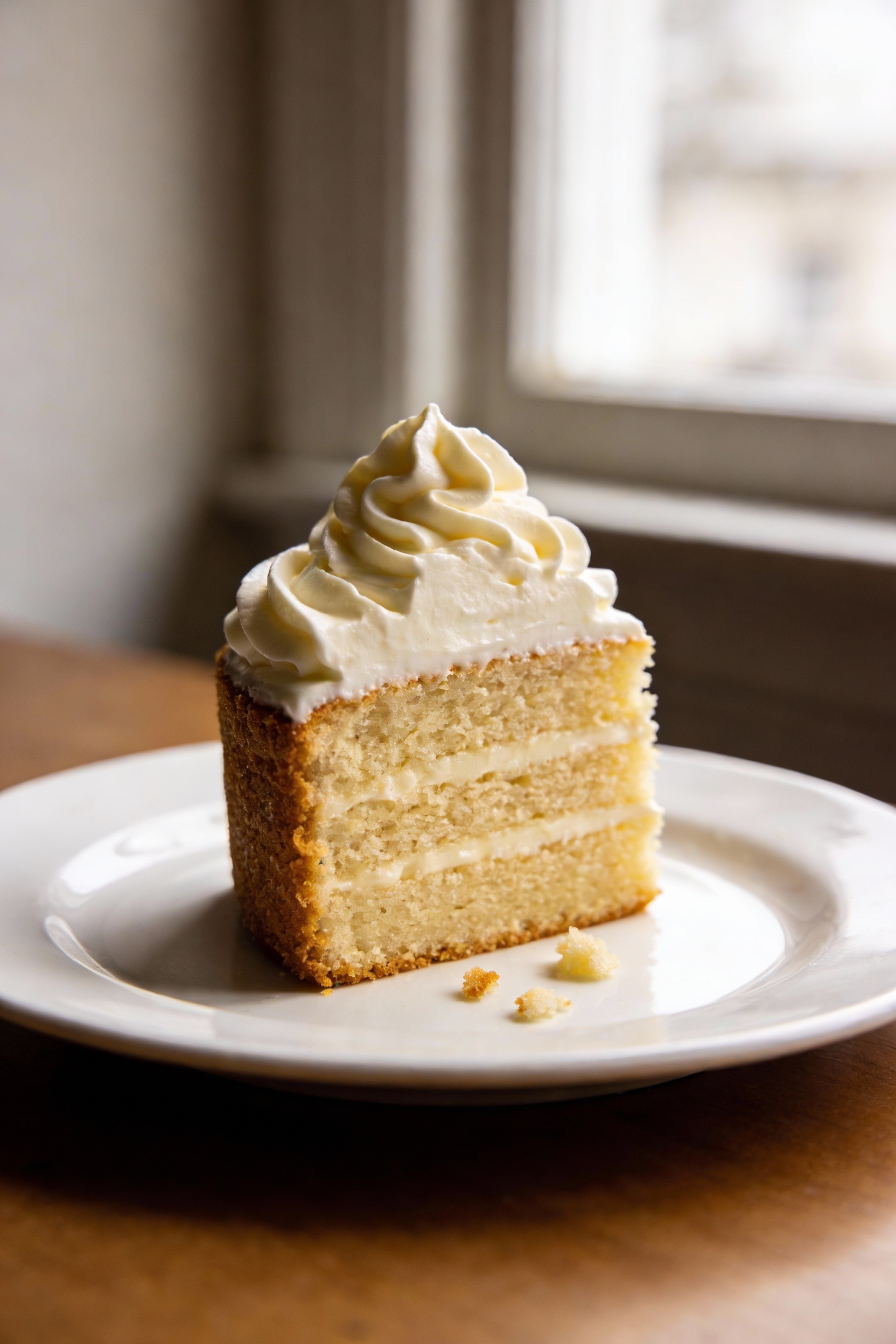
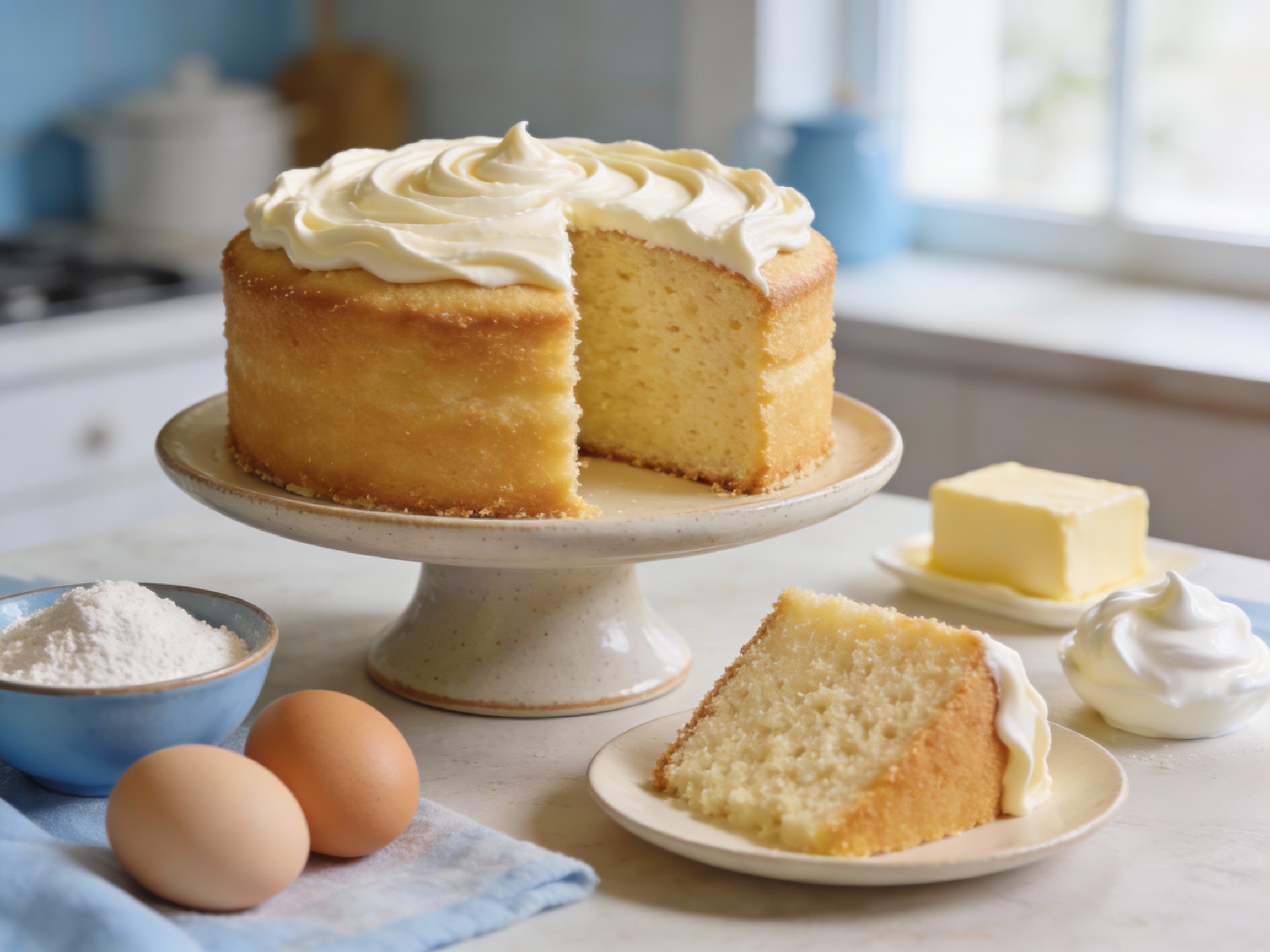
This is a simple homemade vanilla cake that bakes up soft, fine-crumbed, and sturdy enough for frosting without turning dense. It uses the classic creaming method for lift, plus a splash of milk and sour cream (or yogurt) for tenderness and flavor. You’ll get a cake that slices cleanly, stays moist the next day, and doesn’t taste like “plain.”
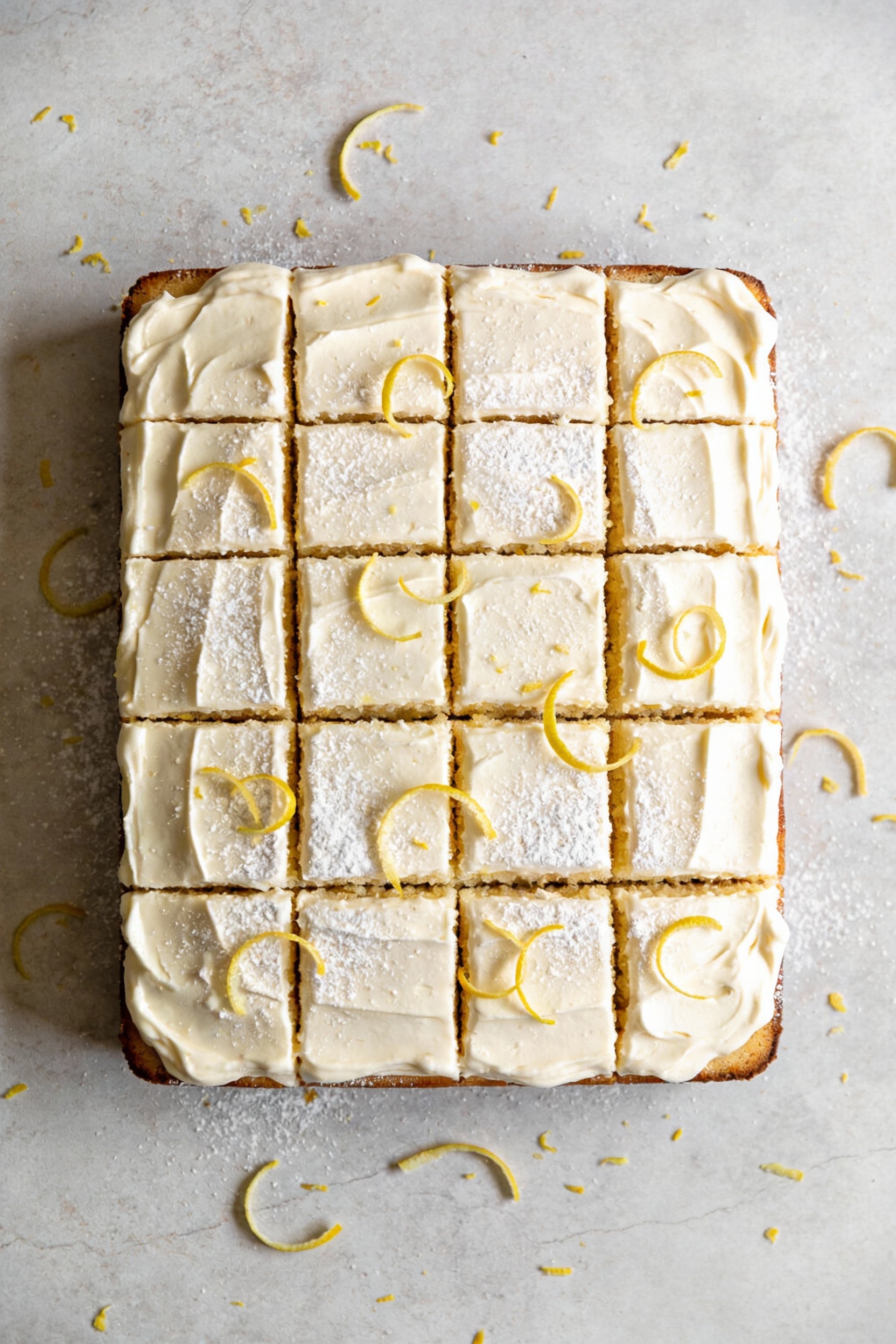
It’s also flexible. Make it as a 9×13 sheet cake, two 8-inch layers, or cupcakes without needing a different recipe. And if you’ve ever had a cake sink in the middle and wondered if the oven hates you, this process avoids the usual traps.
What You’ll Need (Ingredients)
These ingredients make one cake that serves about 12, depending on how generous you feel.
- All-purpose flour: 2 1/2 cups (about 300 g), spooned and leveled
- Baking powder: 2 1/2 teaspoons
- Baking soda: 1/2 teaspoon
- Fine salt: 3/4 teaspoon
- Unsalted butter: 3/4 cup (170 g), softened
- Granulated sugar: 1 3/4 cups (350 g)
- Eggs: 3 large, room temperature
- Vanilla extract: 1 tablespoon
- Sour cream or full-fat yogurt: 1/2 cup
- Milk: 1 cup, room temperature (whole milk preferred)
- Optional: 1 to 2 teaspoons lemon zest for a brighter flavor
Optional quick frosting idea (not required, but highly encouraged): 1/2 cup butter, 3 cups powdered sugar, 2 to 3 tablespoons milk, 1 teaspoon vanilla, pinch of salt.
Step-by-Step Instructions
Follow this order and your cake will behave. Rebel baking is fun until you serve rubber.
-
Preheat and prep. Heat oven to 350°F (175°C). Grease and line two 8-inch round pans, or grease a 9×13 pan. If you skip the parchment, don’t act surprised when the cake clings like it pays rent.
-
Mix the dry ingredients. Whisk flour, baking powder, baking soda, and salt in a bowl until evenly combined. This spreads the leaveners so you don’t get random bitter “baking powder pockets.”
-
Cream butter and sugar. Beat butter and sugar on medium-high for 3 to 4 minutes until pale and fluffy. This step builds air, which builds lift. Yes, it’s worth the time.
-
Add eggs and vanilla. Beat in eggs one at a time, scraping the bowl after each. Mix in vanilla (and lemon zest if using). If the batter looks slightly curdled, relax, it will smooth out once flour goes in.
-
Add sour cream (or yogurt). Mix it in just until combined. This is your tenderness insurance policy.
-
Alternate dry and milk. Add 1/3 of the dry mix, then 1/2 the milk, then 1/3 dry, then remaining milk, then remaining dry. Mix on low and stop as soon as it looks smooth. Overmixing = tough cake, and nobody asked for that.
-
Fill pans evenly. Divide batter between pans (or pour into 9×13). Tap pans lightly on the counter to pop big air bubbles. No need to slam them like you’re mad at them.
-
Bake. Bake 8-inch layers for 24 to 30 minutes, or 9×13 for 32 to 38 minutes. The cake is done when the center springs back and a toothpick comes out with a few moist crumbs.
-
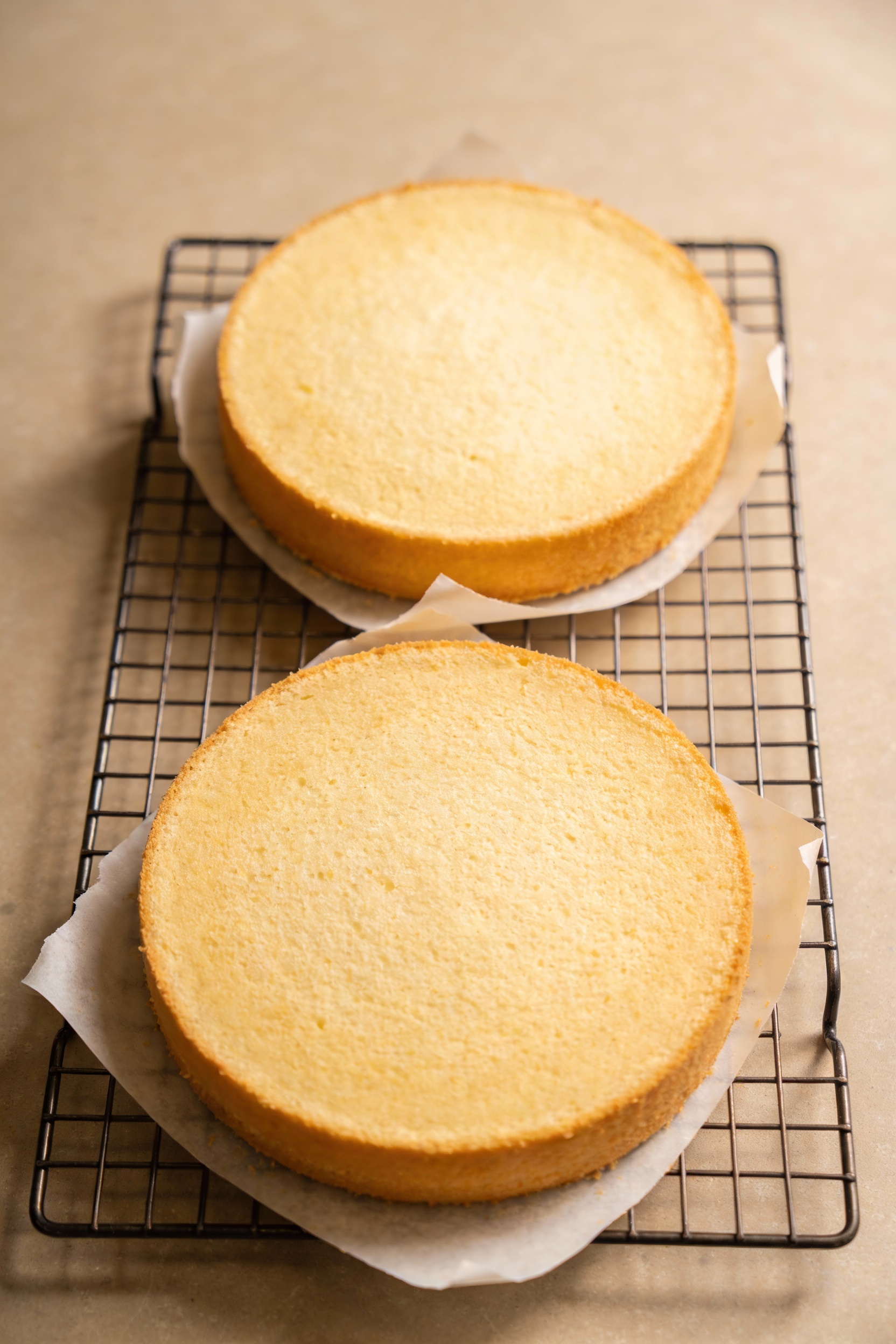
Cool correctly. Cool in the pan for 10 minutes, then turn out onto a rack to cool completely. Frosting warm cake is basically choosing chaos.
-
Frost and serve. Frost with your favorite buttercream, whipped topping, or a simple dusting of powdered sugar. Slice, serve, and accept compliments like you worked harder than you did.
How to Store
Room temperature: Store unfrosted cake tightly wrapped for up to 2 days. If frosted with buttercream, you can keep it covered at room temp for about 1 day if your kitchen isn’t a sauna.
Refrigerator: Store frosted cake in an airtight container for up to 5 days. Let slices sit at room temp 20 to 30 minutes before eating, because cold cake hides its best texture.
Freezer: Wrap unfrosted layers in plastic wrap, then foil, and freeze up to 3 months. Thaw wrapped at room temperature to avoid condensation turning the surface gummy. FYI, freezing layers makes frosting easier because they crumble less.
Health Benefits
It’s cake, not kale, but you still get a few wins. Homemade lets you control ingredients, portion sizes, and add-ins. You can reduce sugar slightly, choose better fats, and avoid some preservatives found in shelf-stable mixes.
Eggs add protein and nutrients, dairy contributes calcium, and you can add berries or nuts for fiber and micronutrients. Also, the mental health boost of baking something comforting is real, IMO, even if your “meditation” involves licking a spatula.
What Not to Do
- Don’t pack the flour. Scoop-and-pack adds extra flour and dries the cake out. Spoon into the cup and level, or weigh it.
- Don’t skip creaming time. Under-creamed butter and sugar leads to a dense, flat cake. Set a timer and commit.
- Don’t add all the flour at once and blast the mixer. That’s how you get tunnels and a chewy crumb.
- Don’t open the oven repeatedly. Heat drops fast and cakes can sink. Use the oven light like a normal impatient person.
- Don’t frost before it’s cool. Melted frosting slides off, and then you’re “going for a rustic look.” Sure.
- Don’t overbake. A few moist crumbs on the toothpick beats a perfectly clean toothpick every time.
Different Ways to Make This
Use this base and switch the vibe without learning a new recipe every week.
- Chocolate version: Replace 1/2 cup flour with 1/2 cup unsweetened cocoa powder. Add 2 tablespoons extra milk if batter feels thick.
- Lemon cake: Add 1 tablespoon lemon zest and replace 2 tablespoons milk with lemon juice. Top with a simple glaze.
- Funfetti: Fold in 1/2 cup rainbow sprinkles at the end. Use jimmies, not nonpareils, unless you want muddy batter.
- Strawberry shortcake style: Bake as a sheet cake and top with whipped cream and macerated strawberries right before serving.
- Spice cake: Add 2 teaspoons cinnamon, 1/2 teaspoon nutmeg, and a pinch of cloves. Pair with cream cheese frosting.
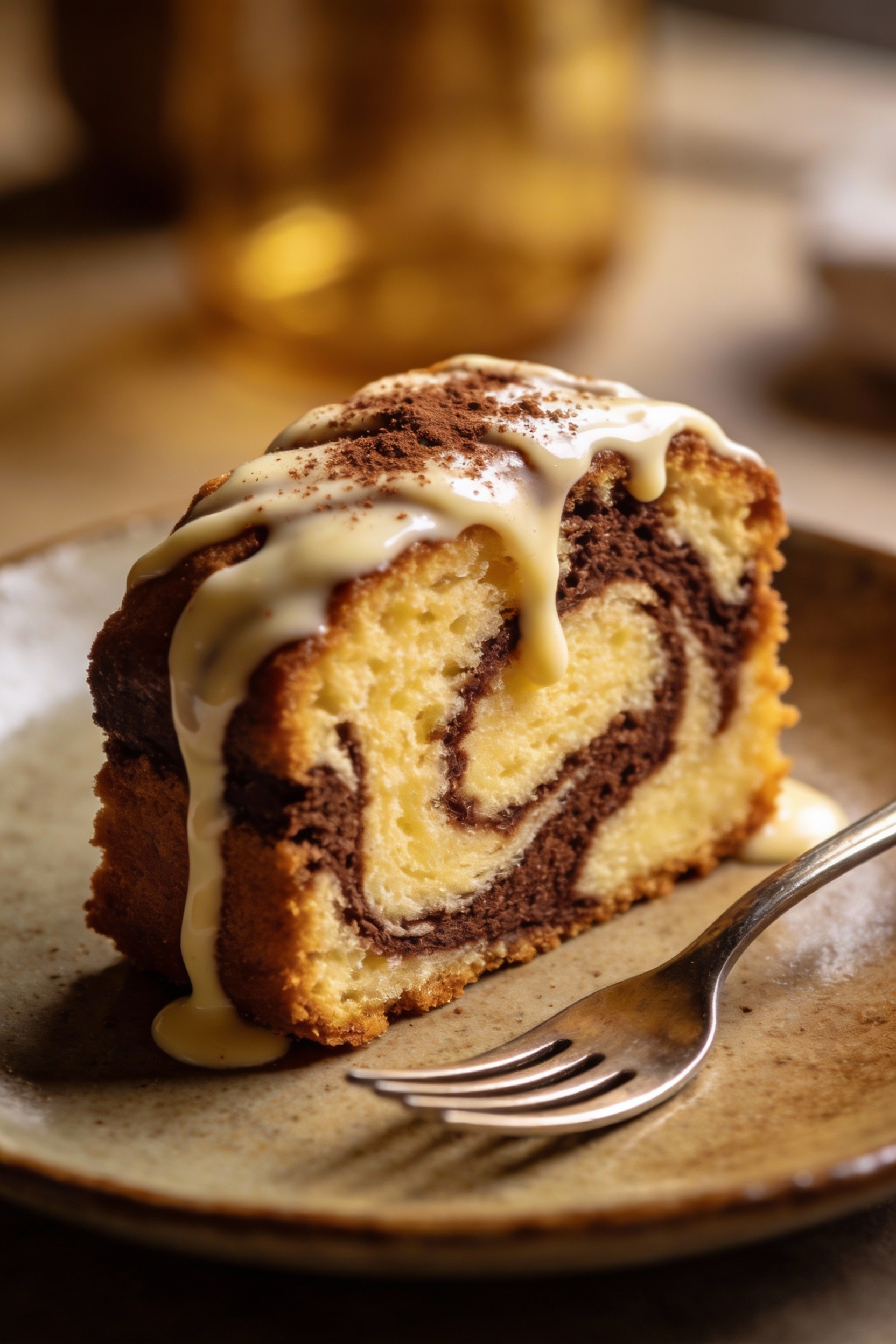
- Marble cake: Remove 1 cup batter, mix with 2 tablespoons cocoa and 1 tablespoon milk, then swirl into pans.
- Cupcakes: Fill liners 2/3 full and bake 18 to 22 minutes. You’ll get about 24 cupcakes.
- Dairy-light swap: Use plant milk and a plant-based yogurt. Flavor stays great, crumb may be slightly less rich.
FAQ
Can I make this cake without sour cream or yogurt?
Yes. Replace it with 1/2 cup buttermilk (and reduce milk to 3/4 cup) or use 1/2 cup mayonnaise for moisture. The flavor won’t taste like mayo, but your brain will insist it should.
Why did my cake sink in the middle?
Most common causes: underbaked center, oven door opened too early, expired baking powder, or overmixing after adding flour. Use an oven thermometer if your oven runs hot or cold, because ovens lie.
Can I use salted butter?
Yes. Reduce added salt to 1/4 teaspoon. Salt levels vary by brand, but this keeps the cake from tasting like a snack pretzel.
How do I convert this to a 9×13 pan?
Use the same batter amount. Bake at 350°F (175°C) for 32 to 38 minutes, checking at the 30-minute mark. Cool fully before frosting so it sets cleanly.
What frosting works best for beginners?
A simple vanilla buttercream is the easiest: beat softened butter, powdered sugar, vanilla, a pinch of salt, and enough milk to spread. If it’s too sweet, add a pinch more salt and a tiny splash of cream.
Can I reduce the sugar?
You can cut sugar by about 10 to 15% (up to 1/4 cup) with minimal texture change. Beyond that, the cake may bake up less tender and less fluffy, since sugar helps retain moisture.
How do I keep my layers flat?
Use cake strips or wrap damp towel strips around pans (secured safely) to slow edge baking. You can also lower oven temp to 335°F (170°C) and bake a few minutes longer for more even rise.
In Conclusion
This is the dependable, crowd-pleasing homemade cake you can bake on a random Tuesday and still feel like you “did something.” Keep the method tight, don’t overmix, and pull it when it’s just done. Once you’ve nailed the base, every flavor variation becomes a simple remix, not a new project. And yes, you can absolutely call it “from scratch” with a straight face.