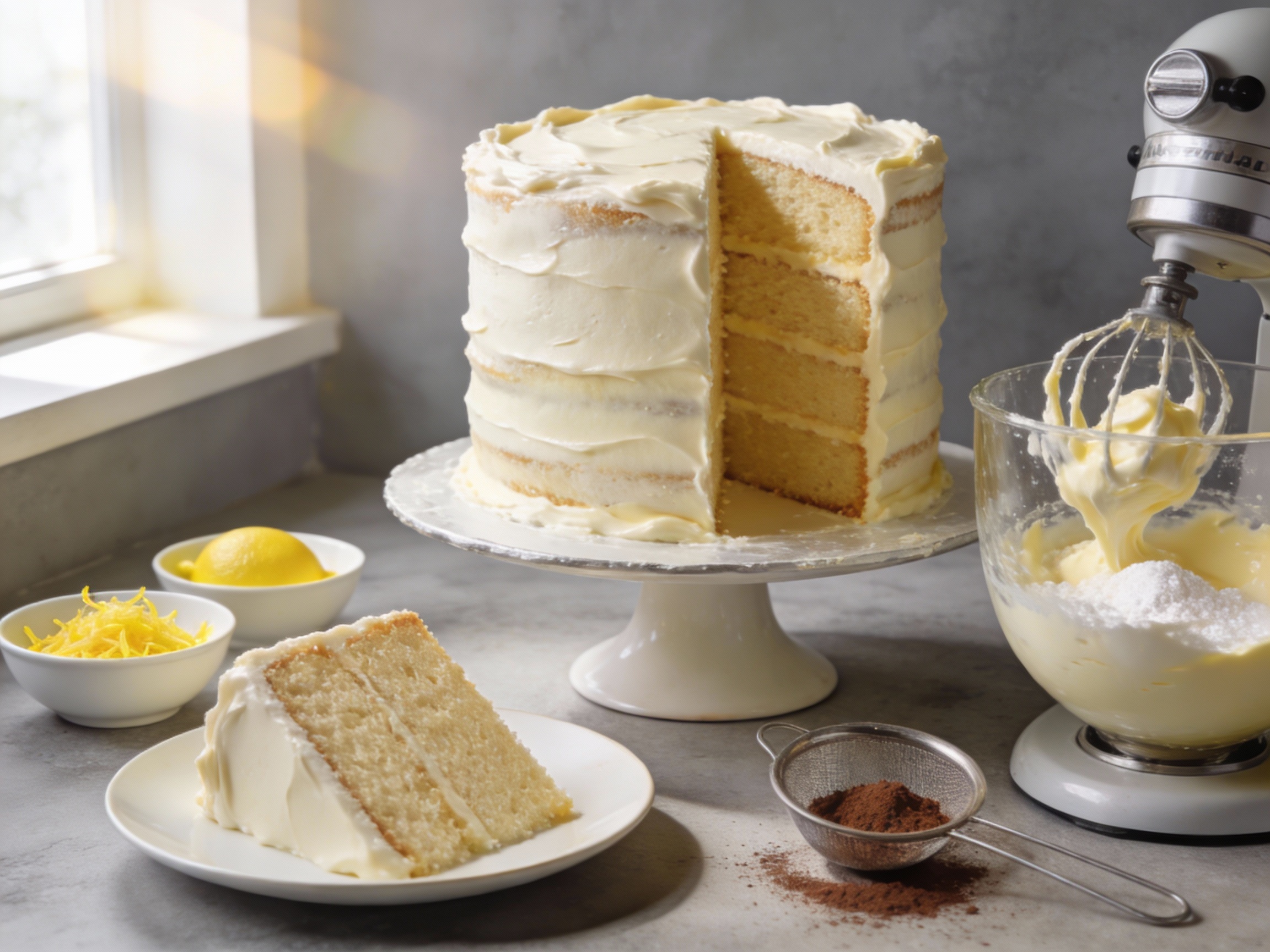
Homemade Cake Recipes That Turn Any Kitchen Into a Bakery
From birthdays to weeknights, master a base batter plus quick flavor twists—fast, fluffy, and budget friendly for busy home bakers.
You want the kind of cake that makes people stop mid sentence and ask for the recipe, right? Here is the playbook that turns simple pantry items into bakery level results without fancy gear or chef school. The secret is not magic, it is repeatable steps that stack small wins into a showstopper. Budget friendly, time smart, and flexible enough to match any craving. Ready to make your oven the most popular spot in the house?
Why This Recipe Works
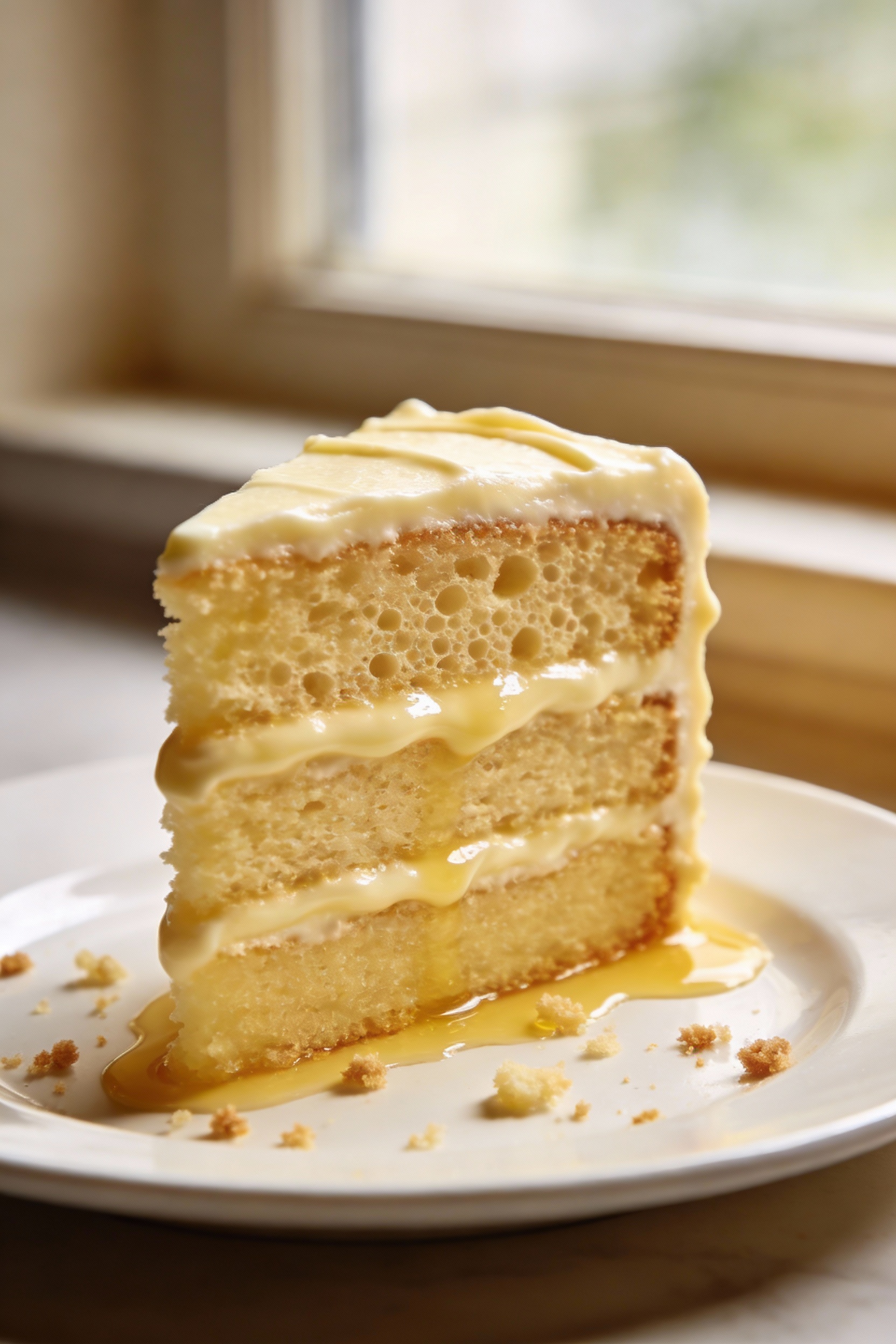
This master batter leans on the creaming method, where butter and sugar are beaten until light. That aeration builds a fine network of tiny bubbles, which expand in the oven for a tall, tender crumb. Add eggs one at a time to emulsify fat and water so the batter stays smooth and stable.
We use a mix of butter and a splash of neutral oil. Butter brings flavor and structure, oil keeps the crumb moist even after day one. Buttermilk adds gentle acidity, which reacts with baking soda for lift and softens gluten for a plush bite.
Balanced leavening is key. Baking powder gives steady rise, while a touch of baking soda boosts lift in the presence of buttermilk. Measured salt and vanilla sharpen flavors so the cake tastes fuller, not just sweet.
Finally, the flour choice matters. All purpose flour keeps the batter versatile for layers, cupcakes, or a sheet pan. Measured by weight or carefully fluffed and spooned by volume, it prevents tough bites and surprise sinkholes. In short, smart technique meets forgiving ingredients.
What Goes Into This Recipe – Ingredients
Base Batter for a two layer cake or one sheet cake
- All purpose flour 250 g or 2 cups, fluffed and leveled
- Granulated sugar 200 g or 1 cup
- Unsalted butter 170 g or 12 tablespoons, room temperature
- Neutral oil 60 ml or 1 quarter cup
- Large eggs 3, room temperature
- Buttermilk 240 ml or 1 cup
- Baking powder 2 teaspoons
- Baking soda one half teaspoon
- Fine salt one half teaspoon
- Pure vanilla extract 2 teaspoons
Flavor add ons and quick variations
- Cocoa powder 30 g or one third cup for chocolate
- Lemon zest 1 tablespoon and lemon juice 2 tablespoons
- Almond extract one half teaspoon
- Cinnamon 1 teaspoon and brown sugar 2 tablespoons for a swirl
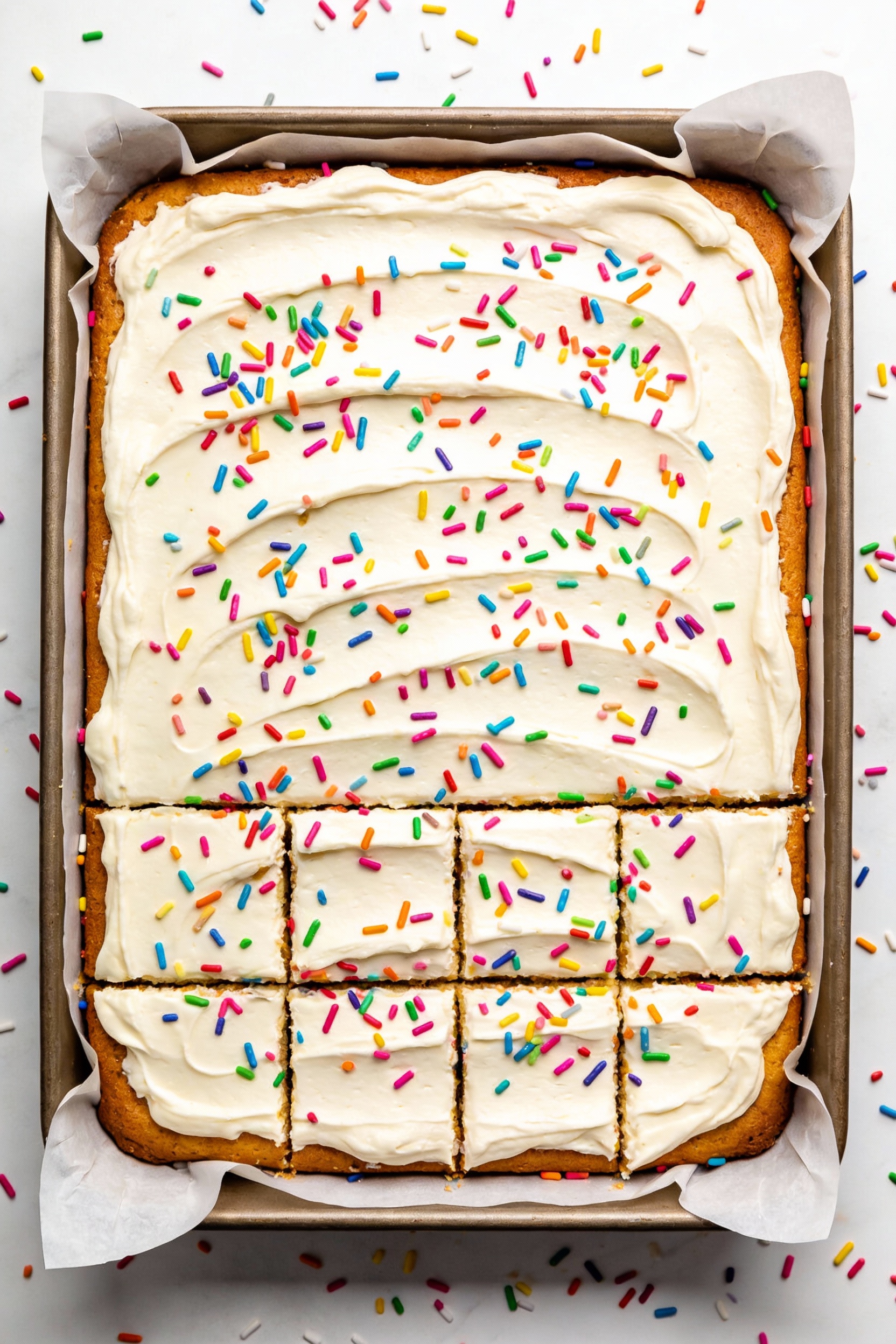
- Sprinkles one half cup for a birthday vibe
- Orange zest 1 tablespoon and a splash of olive oil
Simple frosting options
- Vanilla buttercream: unsalted butter 170 g, powdered sugar 300 g, vanilla extract 1 teaspoon, milk 2 tablespoons
- Chocolate glaze: powdered sugar 250 g, cocoa powder 30 g, milk 3 tablespoons, vanilla extract one half teaspoon
- Cream cheese frosting: cream cheese 225 g, unsalted butter 115 g, powdered sugar 300 g, vanilla 1 teaspoon
Step-by-Step Instructions
- Preheat the oven to 350 degrees. Grease and line two eight inch round pans or one nine by thirteen inches pan with parchment.
- Make sure butter, eggs, and buttermilk are at room temperature. This helps everything mix smoothly and prevents a lumpy batter.
- In a large bowl, beat the butter and sugar on medium high until pale and fluffy, about 3 to 4 minutes. Scrape the bowl so no sugar lurks on the sides.
- Beat in the oil until the mixture looks glossy. This quick step is a big reason for a soft crumb on day two.
- Add eggs one at a time, beating just until combined after each. Stir in vanilla. If the mix looks slightly curdled, do not panic, it will smooth out.
- In a separate bowl, whisk flour, baking powder, baking soda, and salt. This evenly distributes leavening and prevents surprise pockets.
- Alternate the dry mix and buttermilk into the butter bowl, starting and ending with dry. Use low speed and mix just until you no longer see streaks.
- For chocolate, sift in cocoa with the dry mix. For lemon or almond, add zest or extract with the vanilla. For sprinkles, fold them in at the end.
- Divide the batter evenly between pans. Tap gently to release air bubbles. For a swirl, spoon cinnamon sugar on top and marble with a knife.
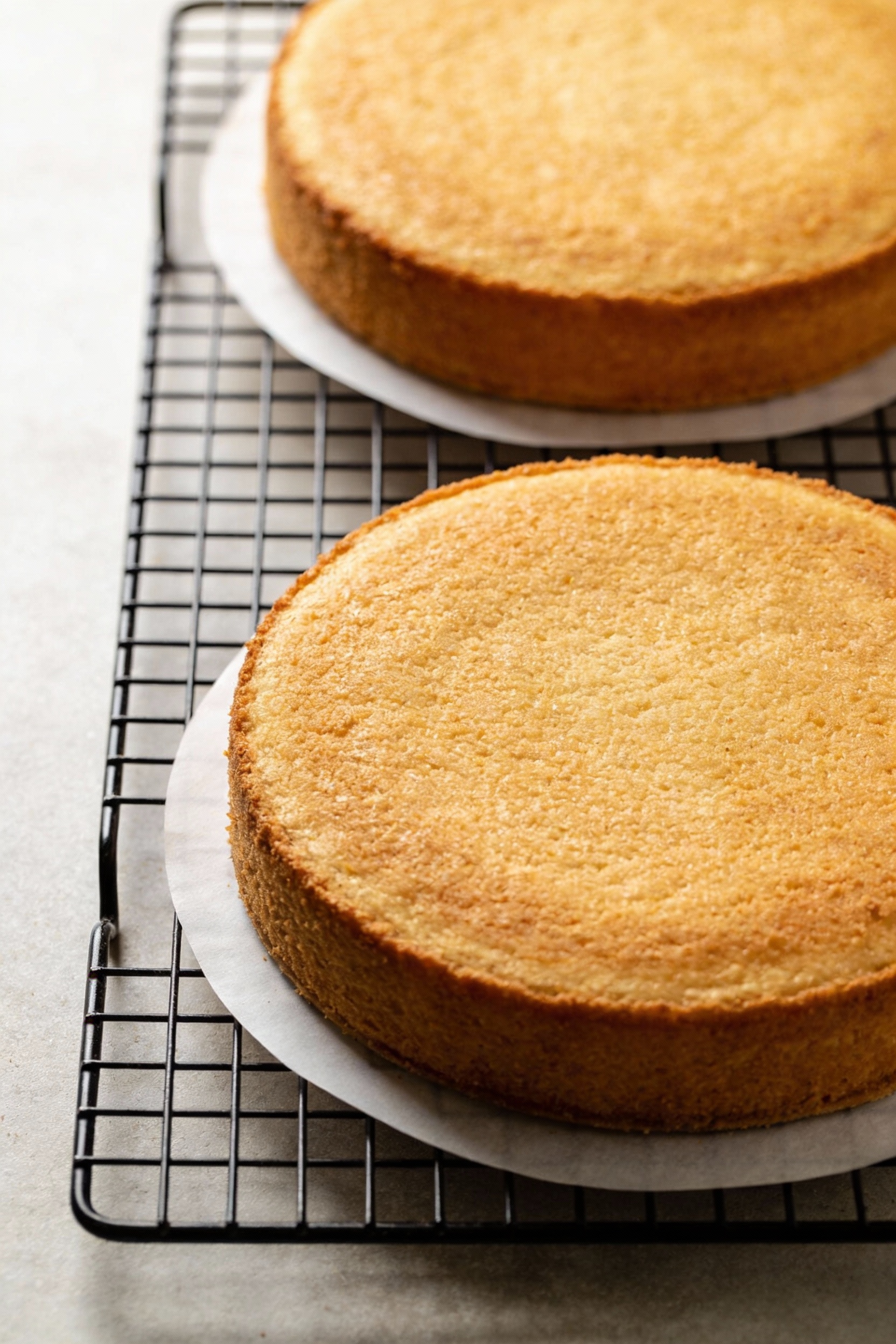
- Bake until the tops spring back and a toothpick comes out with a few moist crumbs, about 25 to 35 minutes depending on pan size.
- Cool in the pan for 10 minutes, then turn out to a rack. Let layers cool fully before frosting, even if the kitchen smells too good to wait.
- Frost with your choice and decorate. Slice with a sharp knife and serve to people who will pretend they did not want seconds.
Preservation Guide
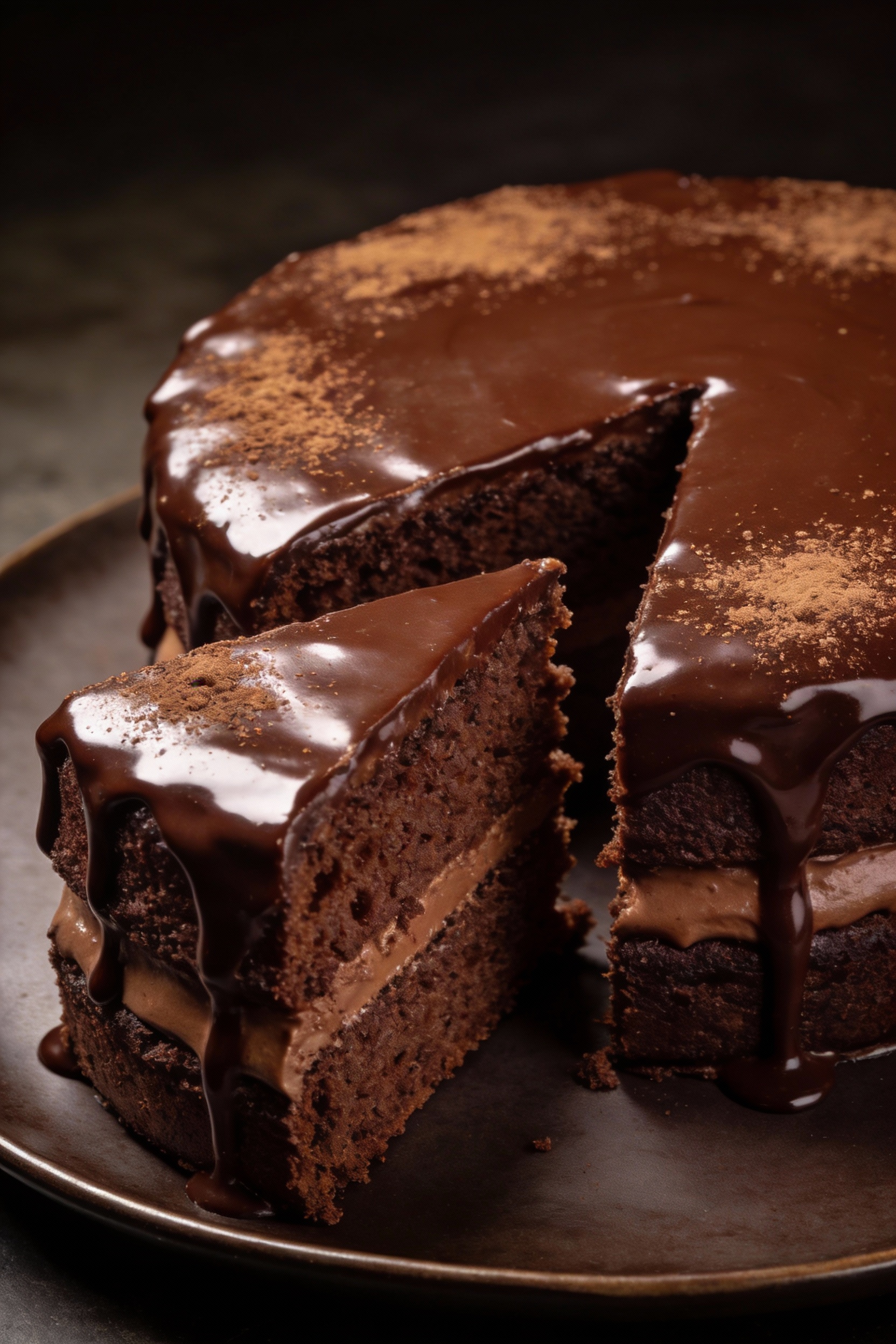
Room temperature storage works for unfrosted or buttercream frosted cakes. Keep the cake in an airtight container or under a cake dome for up to 2 days. Avoid direct sunlight and warm spots near appliances.
Refrigeration extends life to 3 to 5 days, especially for cream cheese frosting. Wrap layers tightly or cover the whole cake so fridge air does not dry it out. Let slices come back to room temperature before serving so the texture returns to soft.
Freezing is your friend. Wrap unfrosted layers in plastic and then foil, and freeze for up to 2 months. Thaw wrapped at room temperature, then frost. You can also freeze frosted cupcakes in a snug container, fyi.
Health Benefits
It is cake, not kale, but smart choices matter. Using real butter and eggs gives a cleaner ingredient list and better portion satisfaction. When a dessert tastes truly rich, smaller slices feel just right.
You can trim sugar by 10 to 15 percent without wrecking texture. Swap part of the butter with yogurt for protein and a moist crumb. A citrus zest boost gives flavor pop so you do not miss sweetness.
Whole grain vibes are possible by replacing one third of the flour with white whole wheat. Balance with buttermilk for tenderness. Add fruit layers like mashed banana or chopped berries for fiber and fun.
What Not to Do
- Do not use cold butter or eggs. Cold fat will not aerate and your cake will sulk.
- Do not overmix once flour goes in. Extra mixing builds gluten and turns tender into chewy.
- Do not guess baking times without checking. Ovens vary, and overbaked cake drinks from the Sahara.
- Do not open the oven door too early. Heat loss can collapse a half risen beauty into a pancake.
- Do not skip salt. A pinch makes vanilla sing and chocolate bloom.
- Do not frost a warm cake. The frosting will slide off like a cartoon scene, and yes, it will be messy.
- Do not substitute baking powder for soda or vice versa. They do different jobs in this batter.
- Do not measure flour by scooping straight from the bag. Spoon and level or use a scale for consistent results.
Alternatives
- Chocolate deluxe: add cocoa powder and a touch of espresso for depth, then glaze with chocolate.
- Lemon sunshine: fold in zest and a splash of juice, then finish with a simple lemon drizzle.
- Almond cloud: add almond extract and top with sliced almonds and a light dust of powdered sugar.
- Olive oil citrus: swap the neutral oil with a fruity olive oil and use orange zest for a modern twist.
- Carrot comfort: grate carrots and add warm spices, then crown with cream cheese frosting.
- Gluten free route: use a reliable cup for cup blend with xanthan gum and keep buttermilk for tenderness.
- Vegan lane: use plant milk with vinegar, oil for fat, and a reliable egg replacer so structure stays intact.
- Speed mode cupcakes: portion into a muffin tin and bake 18 to 22 minutes for party friendly serving.
FAQ
Can I use self rising flour instead of all purpose?
Yes, but adjust leavening. Self rising flour already includes salt and baking powder, so skip added salt and reduce baking powder. Keep baking soda as written if using buttermilk for the acid reaction.
What if I do not have buttermilk?
Use milk with acid. Mix 1 cup milk with 1 tablespoon white vinegar or lemon juice, let it sit 5 minutes, and use it in place of buttermilk. It will soften gluten and help lift the cake, tbh.
How do I keep the cake moist for days?
Use a bit of oil in the batter, avoid overbaking, and store tightly covered. Frosting acts as a moisture shield, so consider a thin crumb coat even for simple cakes. Slice only what you need to minimize exposure.
Can I reduce the sugar without ruining texture?
Yes. Cut sugar by about 10 percent and the cake will still rise well. Sugar does add moisture and tenderness, so do not slash too far unless you boost flavor with zest, spices, or extracts.
Why did my cake sink in the middle?
Common causes include underbaking, too much leavening, cold batter, or early oven door peeking. Measure accurately, bake until set, and keep ingredients at room temperature. Also check that your baking powder is fresh.
How do I scale this into cupcakes?
Fill liners two thirds full and bake at 350 degrees for 18 to 22 minutes. The same batter works well, but test a few minutes early since cupcakes bake faster. Frost after cooling so the topping stays neat.
What is the best frosting for kids?
Vanilla buttercream with sprinkles is a crowd pleaser. It pipes well, holds shape, and tastes familiar. If you need less sweetness, whip in a little cream cheese for tang and structure.
Can I make it dairy free?
Use plant milk with vinegar, swap butter for a quality dairy free spread or oil, and choose a dairy free frosting. The texture will stay soft if you keep the mixing gentle and the leavening balanced, imo.
My Take
Great cakes are not about fancy tricks, they are about stacking small decisions the right way. Warm ingredients, measured leavening, and a little oil give a plush crumb that stays delightful tomorrow. Start with the master batter, then bend it to your flavor mood. And remember, the best compliment is silence followed by a second slice request.