Boxed Cake Mixes Recipes: 12 Genius Upgrades Anyone Can Master
Turn budget cake mix into bakery level treats with simple swaps and add ins. Perfect for weeknights, potlucks, and last minute parties.
You bought a two dollar box and you want twenty dollar results. Good news, you do not need a pastry chef, you need a system. With a few strategic swaps, you can turn any mix into a rich, moist, bakery tier cake that actually tastes homemade. This is the playbook that keeps the crumb tender, the flavor loud, and the time investment low. Ready to stop apologizing for the box and start bragging about the bake?
What Makes This Recipe Awesome
This method is not one cute trick, it is a reliable framework that works across flavors. Swap water for milk, oil for butter, add a little richness, and boom, the texture levels up. The instant win is consistency, because boxed bases are designed to be predictable. You get the ease, and you add the magic.
It respects your time and your budget. One bowl for wet, one for dry, and you are in the oven fast. The ingredients are pantry friendly, and you can scale it for cupcakes, layers, or a big party sheet. FYI, this cake stays moist for days, so dessert on day two still slaps.
It is also flexible. Want lemon blueberry, cookies and cream, or mocha fudge? Same base, new personality. That means fewer shopping trips and more wow moments, IMO.
What You’ll Need (Ingredients)
- 1 box cake mix, 15.25 ounces, any flavor
- 4 large eggs, room temperature
- 1 cup whole milk
- 0.5 cup unsalted butter, melted and slightly cooled, or neutral oil
- 1 cup sour cream or full fat Greek yogurt
- 1 small box instant pudding mix, 3.4 ounces, flavor to match or complement the cake mix, optional but recommended
- 2 teaspoons pure vanilla extract, or almond or lemon extract for flavored cakes
- 0.5 teaspoon fine sea salt
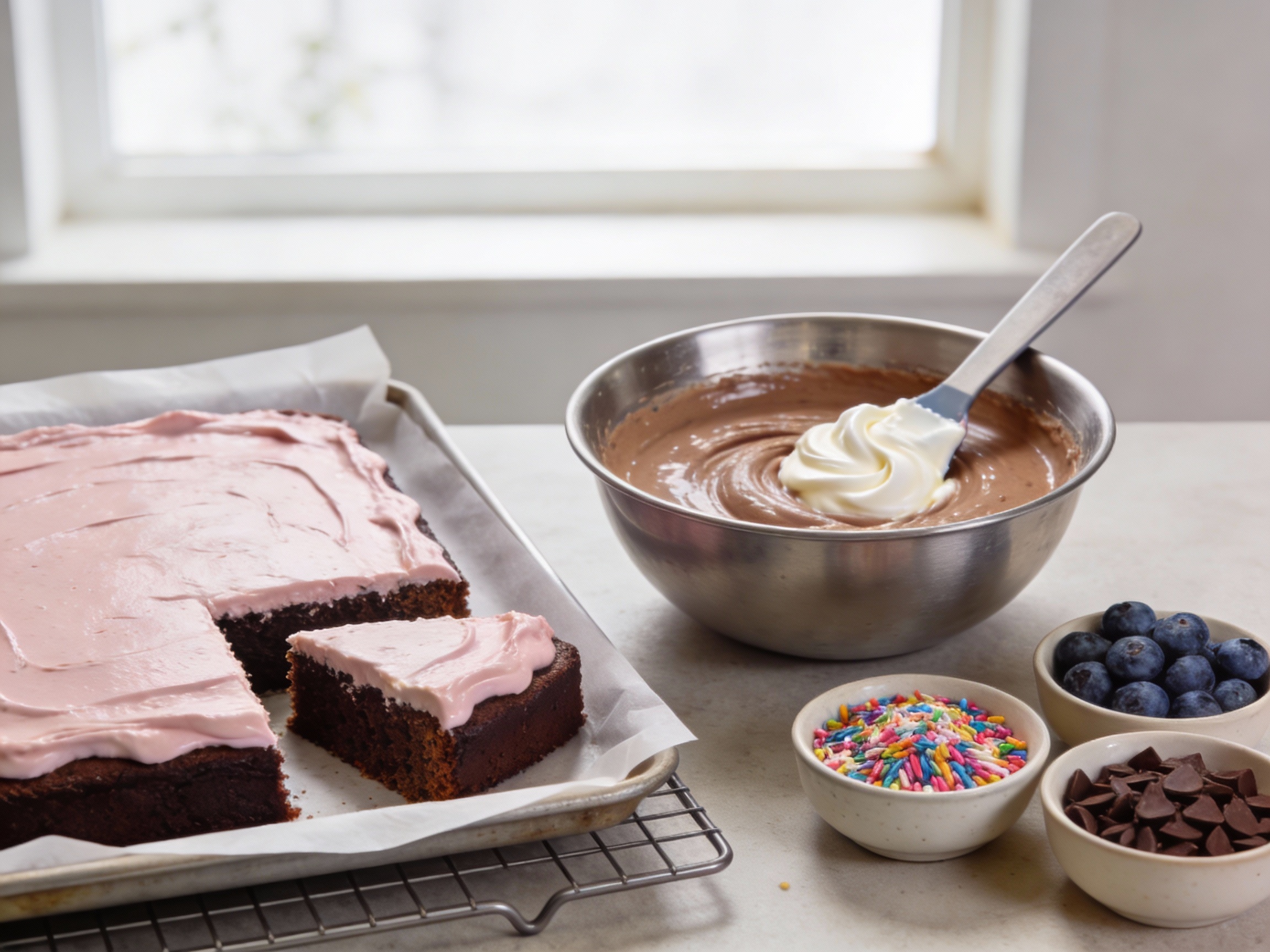
- 1 to 1.5 cups mix ins such as chocolate chips, sprinkles, chopped nuts, shredded coconut, fruit, or cookie crumbs
- For the pan: nonstick spray and parchment paper
- For frosting: 2 to 3 cups of your favorite buttercream, ganache, whipped cream cheese, or simple glaze
The Method – Instructions
- Heat the oven. Set to 350°F for light or shiny pans, or 325°F for dark pans. Grease your pan and line the bottom with parchment for clean release.
- Prep the ingredients. Bring eggs to room temperature, melt the butter and let it cool a bit, and measure milk and sour cream. This keeps the batter smooth and helps it rise evenly.
- Whisk the dry. In a large bowl, combine the cake mix, instant pudding mix, and salt. Break up any clumps so everything blends clean.
- Whisk the wet. In a second bowl, whisk eggs, milk, melted butter or oil, and vanilla until glossy and unified.
- Combine with intention. Pour wet into dry. Beat with a hand mixer on low for 30 seconds to moisten, then on medium for 1 minute. Scrape the bowl to catch any dry pockets.
- Fold in richness. Add the sour cream and mix on low just until combined. The batter will be thick and creamy. Fold in any mix ins with a spatula.
- Pan and level. Spread batter into your prepared pan and smooth the top. For cupcakes, fill each liner about two thirds full. Tap the pan on the counter to pop large bubbles.
- Bake to doneness. As a guide: 9×13 pan for 28 to 34 minutes; two 8 inch rounds for 25 to 30 minutes; cupcakes for 18 to 22 minutes; Bundt for 40 to 50 minutes. A toothpick should come out with a few moist crumbs, not wet batter.
- Cool smart. Let the cake rest in the pan for 10 minutes. Then turn out onto a rack and cool completely. Warm cake plus frosting equals sliding and sadness.
- Frost and finish. Spread or pipe your frosting, add toppings, and let it set for a few minutes. For clean slices, dip a sharp knife in hot water, wipe, and cut.
Storage Tips
- Room temperature: Keep the cake covered at cool room temp for 2 to 3 days. A cake keeper or an inverted bowl works.
- Refrigerator: For cream cheese or fresh fruit toppings, refrigerate for up to 5 days. Bring slices to room temp before serving for best texture.
- Freezer: Wrap unfrosted layers tightly in plastic, then foil, and freeze for up to 2 months. Thaw wrapped at room temp to avoid condensation.
- Leftover cupcakes: Store in an airtight container. Add a slice of bread to the container to keep them soft. Replace the bread daily.
- Glaze set: If you use a glaze, let it set at room temp for 1 hour before covering so it does not smear.
What’s Great About This
- Predictable results. The base mix gives you consistency, and the upgrades give you flavor and texture.
- Moist crumb. Sour cream and butter bring tenderness and a rich mouthfeel that screams bakery.
- Low effort, high reward. Two bowls, one pan, and you look like a weekend show on TV.
- Budget friendly. Cheap base, premium taste. Your wallet and your guests both win.
- Endless flavors. One formula, many personalities. Swap extracts, mix ins, and toppings without reinventing the wheel.
- Works for any format. Cupcakes, layers, sheet bakes, and Bundts all play nice with this batter.
Don’t Make These Errors
- Do not overmix. Mix until combined. Overmixing knocks out air and makes the crumb tough.
- Do not guess bake times. Ovens vary. Start checking early and look for moist crumbs on the tester.
- Skip cold ingredients at your own risk. Cold eggs or butter can curdle the batter and tank the rise.
- Watch your add ins. Heavy fruit sinks. Toss fruit in a little flour and fold in gently.
- Respect pan size. Overfilled pans overflow. Fill pans about two thirds and keep the rest for a cupcake test bake.
- Cool before frosting. Warm cake melts frosting. Give it time and save the rescue mission.
Variations You Can Try
- Birthday confetti: Use white or yellow mix. Fold in 0.5 cup rainbow sprinkles and finish with vanilla buttercream.
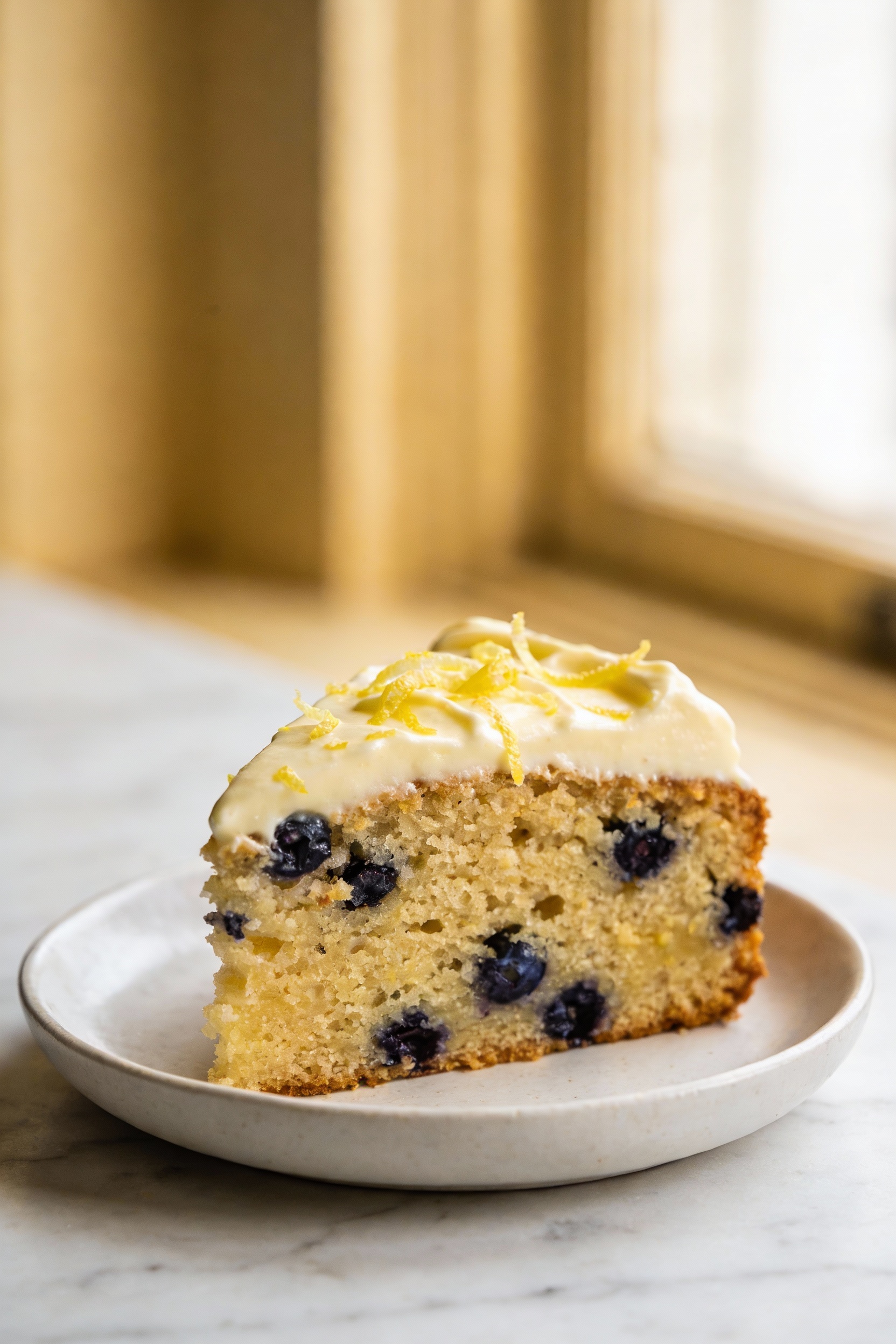
- Lemon blueberry: Use lemon or white mix, add zest of one lemon and 1 tablespoon lemon juice. Fold in 1 cup blueberries tossed in 1 tablespoon flour.
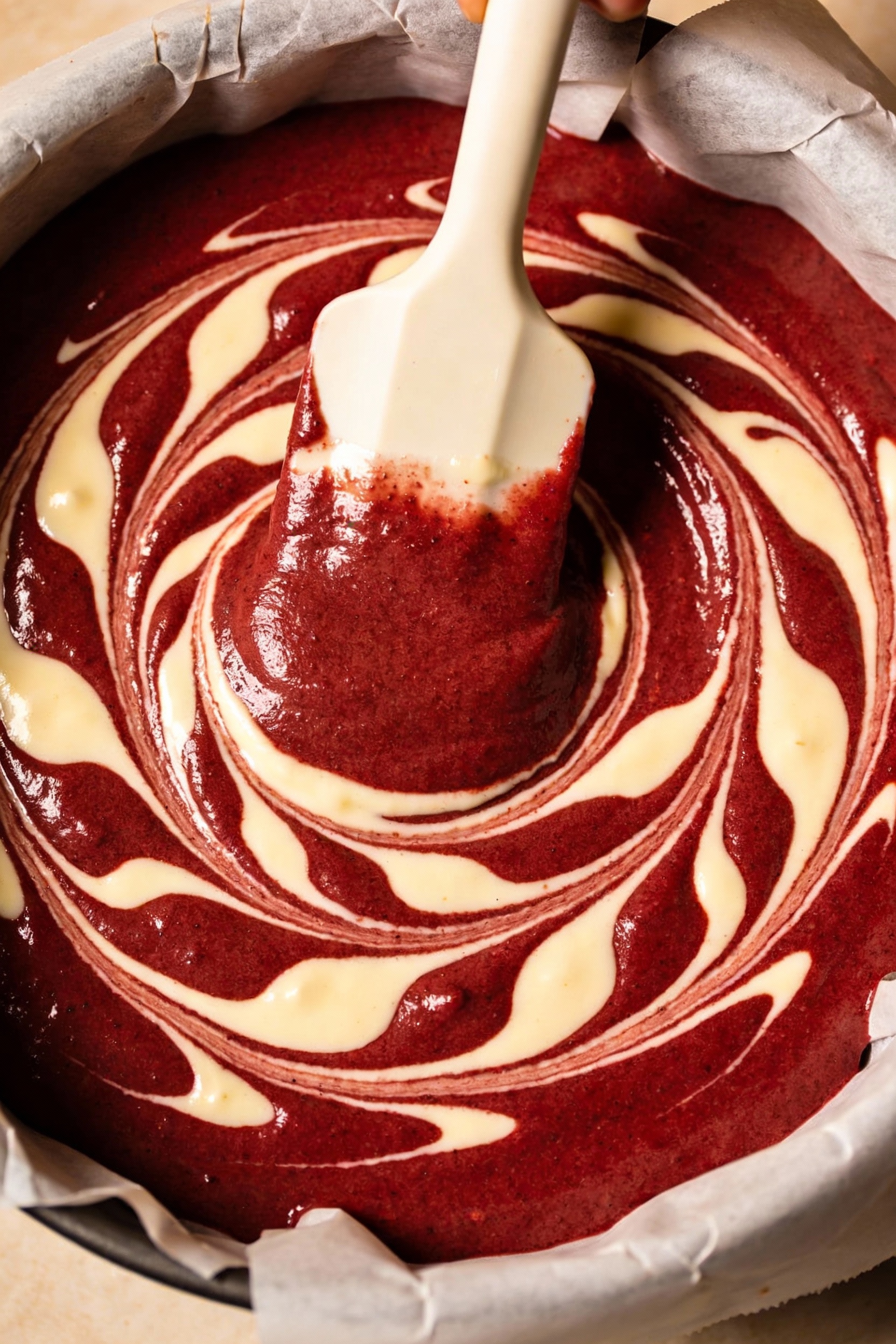
- Red velvet cheesecake swirl: Make the batter with red velvet mix. Swirl in a mix of 8 ounces cream cheese, 0.25 cup sugar, and 1 egg for a marbled effect.
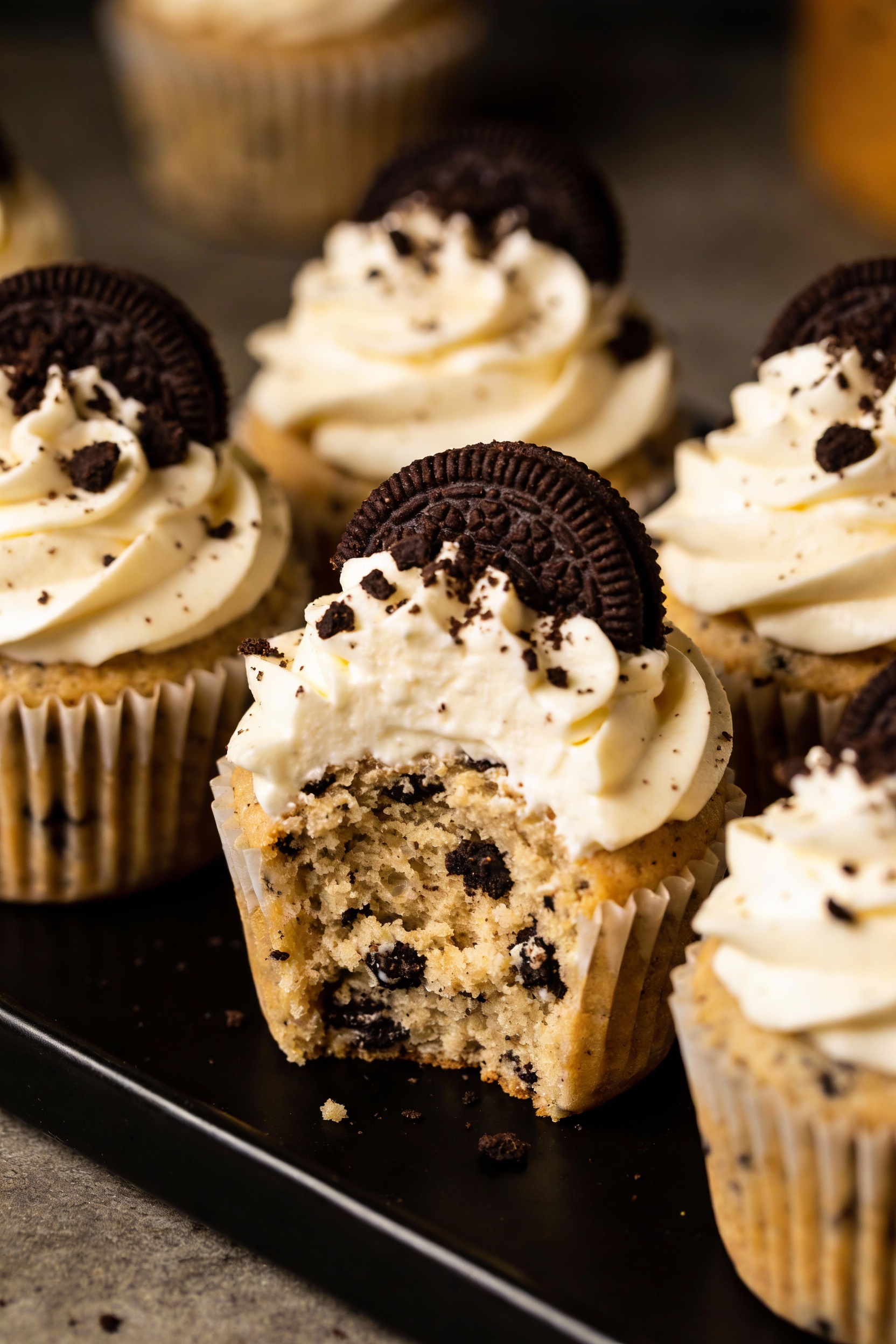
- Cookies and cream: Use white mix and 1 to 1.5 cups crushed chocolate sandwich cookies. Top with cream cheese frosting and more crumbs.
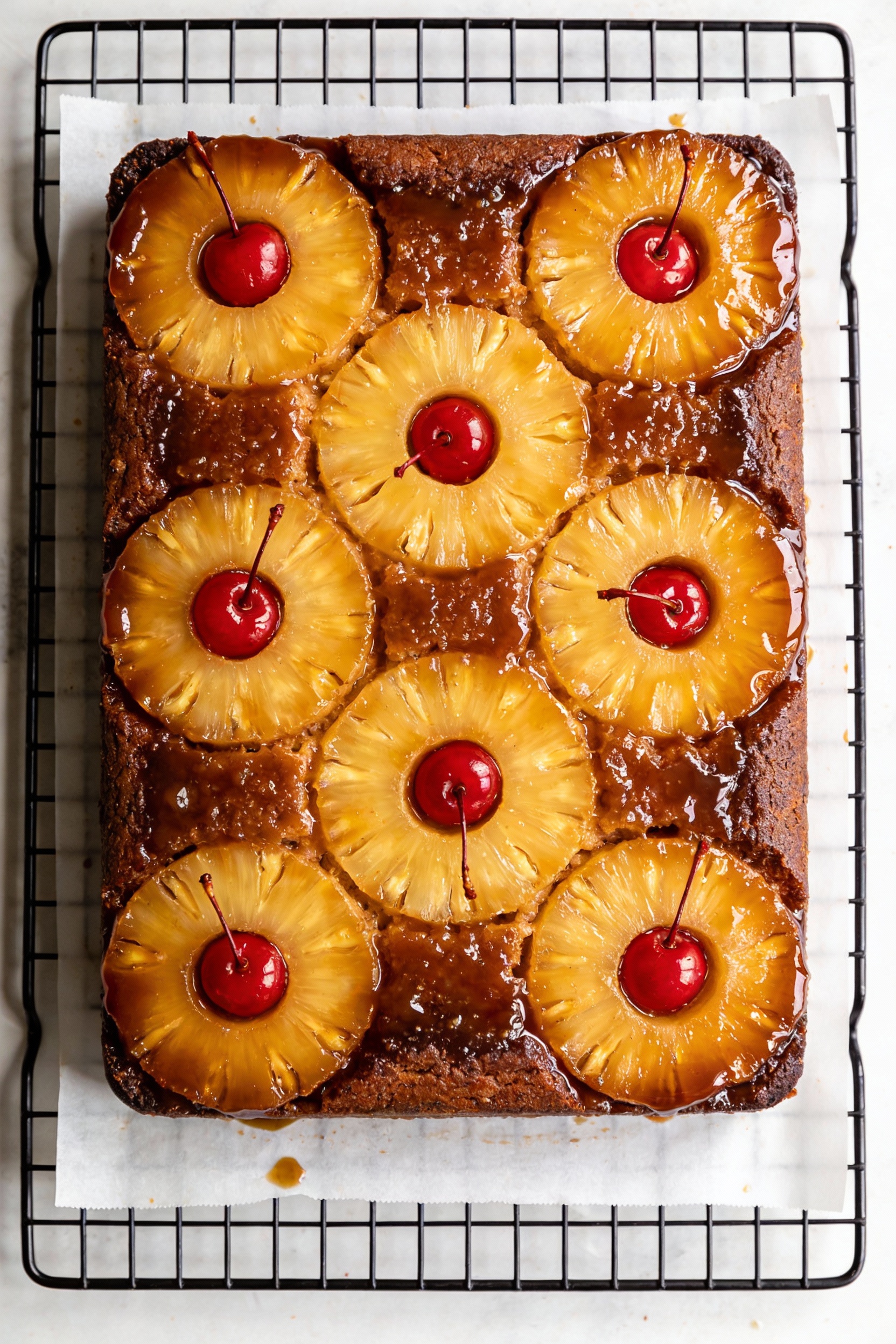
- Pineapple upside down sheet: Use yellow mix. Line the pan with a layer of melted butter, brown sugar, pineapple rings, and cherries. Pour batter on top and bake.
- Mocha fudge: Use chocolate mix. Swap 0.75 cup of the milk with strong coffee and add 0.5 cup mini chocolate chips. Frost with espresso buttercream.
- Cinnamon sugar churro vibe: Use vanilla mix and add 1 teaspoon cinnamon. Brush warm cake with melted butter and shower with cinnamon sugar.
- Pistachio bakery cake: Use white mix and pistachio pudding mix. Top with lightly sweetened whipped cream and chopped pistachios.
- Strawberry shortcake: Use strawberry mix or white mix with 0.5 cup crushed freeze dried strawberries. Top with whipped cream and fresh berries.
- Pumpkin spice snack cake: Use spice or yellow mix. Add 1 cup pumpkin puree and 1 teaspoon pumpkin spice. Frost with cream cheese frosting.
- Coconut tres leches: Use white mix. After baking, poke holes and soak with equal parts evaporated milk, condensed milk, and coconut milk. Chill and top with whipped cream and toasted coconut.
- Caramel apple: Use spice mix. Fold in 1.5 cups diced apples. Drizzle warm cake with salted caramel and a pinch of flaky salt.
FAQ
Can I swap water with milk in a cake mix?
Yes. Using milk instead of water adds fat and sugars that improve flavor and tenderness. Whole milk brings the best boost, but two percent works. If you want extra richness, add a splash of cream to the cup of milk.
Why add instant pudding mix to the batter?
Pudding mix adds starches and emulsifiers that create a plush, moist crumb and a little flavor insurance. It also helps the cake stay soft on day two. Use a flavor that matches or supports your mix for best results.
How do I keep the cake extra moist without it feeling heavy?
Balance fat and liquid. The combo of butter and sour cream adds richness, while milk keeps the batter fluid. Mix just until combined and bake only until a tester shows moist crumbs. Overbaking is the fast track to dryness.
Can I bake this recipe as cupcakes?
Absolutely. Portion the batter into lined tins, filling each about two thirds full. Bake at 350°F for 18 to 22 minutes and start checking at the 17 minute mark. Most boxes yield about 24 standard cupcakes.
How should I adjust for high altitude?
At high altitude, reduce leavening slightly and add a touch more liquid. As a simple rule, add 1 to 2 tablespoons extra milk, reduce the bake temp by 15°F, and check early. If the cake domes too fast, drop the oven rack one level.
Which fat works better, oil or butter?
Butter adds flavor and a velvety crumb, while oil adds a lighter texture and stays soft in the fridge. For most cakes, a blend is great. Use half butter for flavor and half neutral oil for tenderness. If you go all butter, do not skip the sour cream.
How do I add fruit without it sinking?
Use fruit that is dry on the surface, and toss it in a little flour to help suspension. Fold it in gently at the end, and avoid very large chunks. For heavy fruit like apple, spread a thin layer of plain batter in the pan first, then fold the fruit into the remaining batter and add it on top.
Do I need a stand mixer?
No. A hand mixer or a sturdy whisk does the job. The key is to mix wet into dry until just smooth, then stop. Overmixing is the enemy of tender cake.
How many cupcakes or layers will one box make?
One box plus these upgrades makes about 24 cupcakes, a 9×13 sheet, two 8 inch rounds, or one 10 to 12 cup Bundt. For tall layers, you can use one and a half boxes and scale the other ingredients by the same factor.
Can I make it dairy free?
Yes. Use a rich plant milk like soy or oat, swap the butter for neutral oil, and replace sour cream with a thick plant yogurt. Check your pudding mix and frosting to ensure they are dairy free. The texture stays soft and the flavor still delivers.
Can I freeze the baked cake?
Yes, and it is a pro move for make ahead events. Wrap completely cooled unfrosted layers in plastic, then foil, and freeze for up to two months. Thaw wrapped at room temp, then unwrap and frost once dry to the touch. FYI, slightly frozen layers are easier to stack and crumb coat.
The Bottom Line
Box mixes give you a head start, but the right upgrades turn that head start into a finish line sprint. With milk, butter, sour cream, and a few smart flavor plays, you get a cake that tastes like you planned it a week ago and baked it with a smile. Keep this base formula on a sticky note and swap in the variations that fit the moment. The result is reliable, fast, and way more delicious than the label suggests. Your secret is safe with us, unless you want the bragging rights, which you absolutely earned.