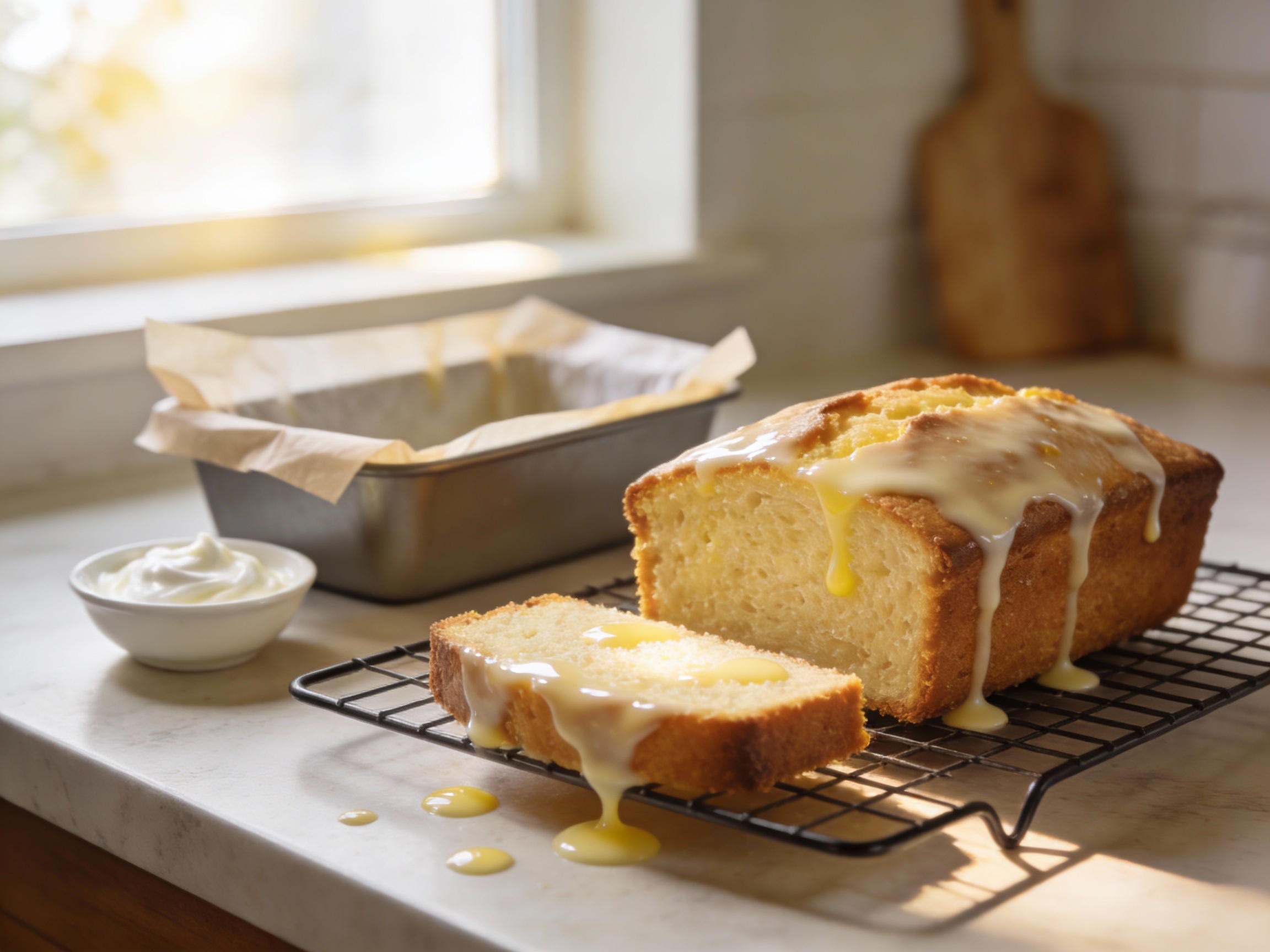
Pound Cake Recipes Moist—one Loaf, Big Wow Results
Bake a rich, tender slice that stays soft for days, using simple pantry staples and one reliable method anyone can repeat.
You know that heartbreak when “butter cake” turns into “brick with vibes”? Yeah, we’re not doing that today.
This is the kind of pound cake that cuts clean, tastes expensive, and still feels plush on day three.
It’s not magic. It’s a few boring-sounding moves that make a loud difference, like room-temp ingredients and the right mixing order.
Want a cake that gets compliments like it pays rent? Good. Preheat the oven.
What Makes This Special
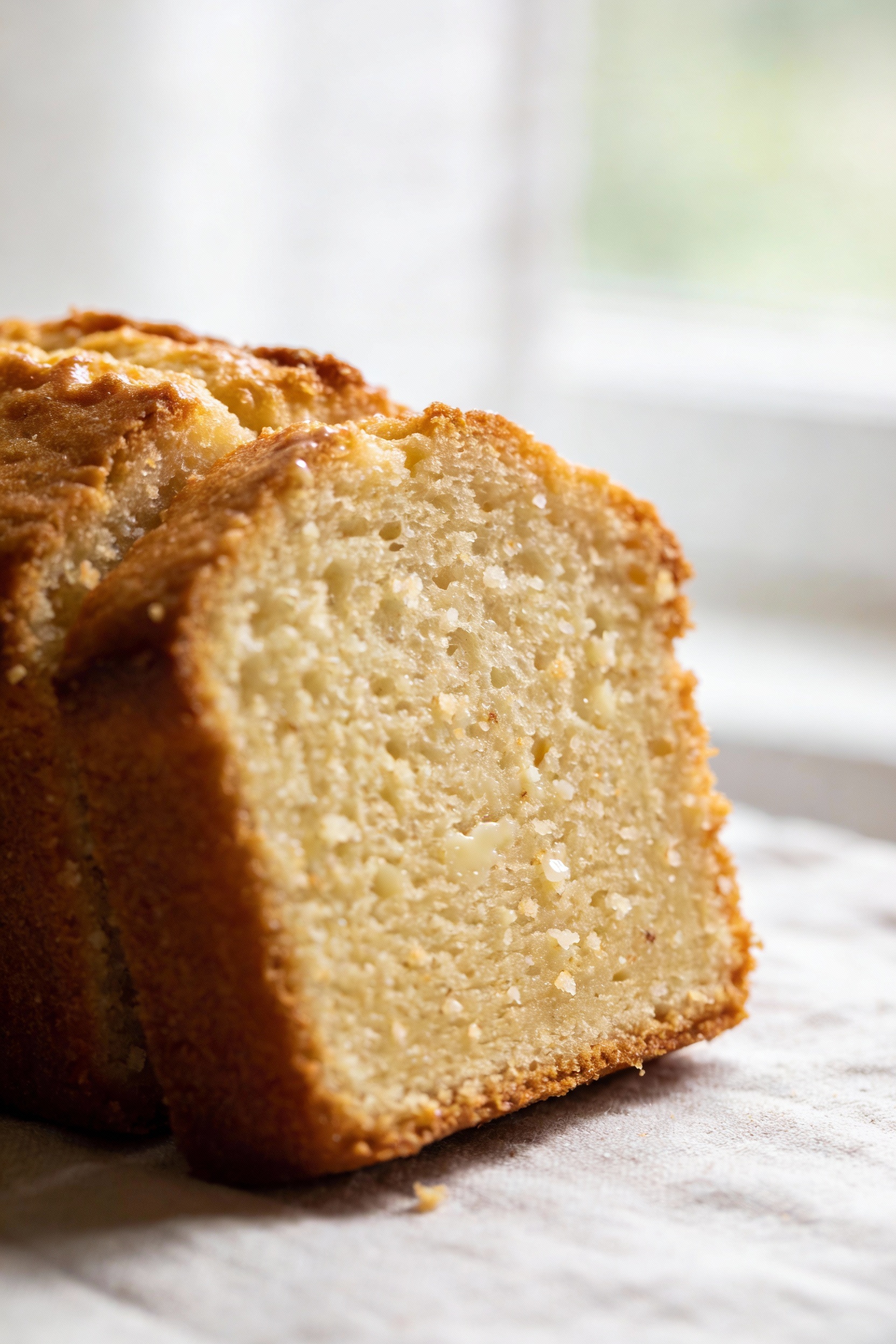
Moist pound cake happens when you balance fat, sugar, and liquid while keeping the crumb from drying out in the oven.
This recipe leans on butter for flavor, sour cream for tenderness, and a little oil for that “still soft tomorrow” effect. IMO, that tiny oil addition is the cheat code people pretend they don’t use.
You also get a tight-yet-tender crumb instead of a gummy center, because we keep mixing under control and bake at a steady temperature.
And the flavor? Vanilla-forward with a subtle tang, which makes it taste bakery-level without the bakery-level bill.
What You’ll Need (Ingredients)
- Unsalted butter: 1 cup (226 g), softened
- Neutral oil: 2 tablespoons (canola or avocado)
- Granulated sugar: 1 3/4 cups (350 g)
- Large eggs: 5, room temperature
- Vanilla extract: 2 teaspoons
- Cake flour: 2 3/4 cups (330 g), spooned and leveled
- Baking powder: 1 teaspoon
- Fine salt: 1/2 teaspoon
- Sour cream: 3/4 cup (180 g), room temperature
- Whole milk: 1/2 cup (120 ml), room temperature
- Optional glaze: 1 cup powdered sugar + 2–3 tablespoons milk or lemon juice + pinch of salt
Instructions
-
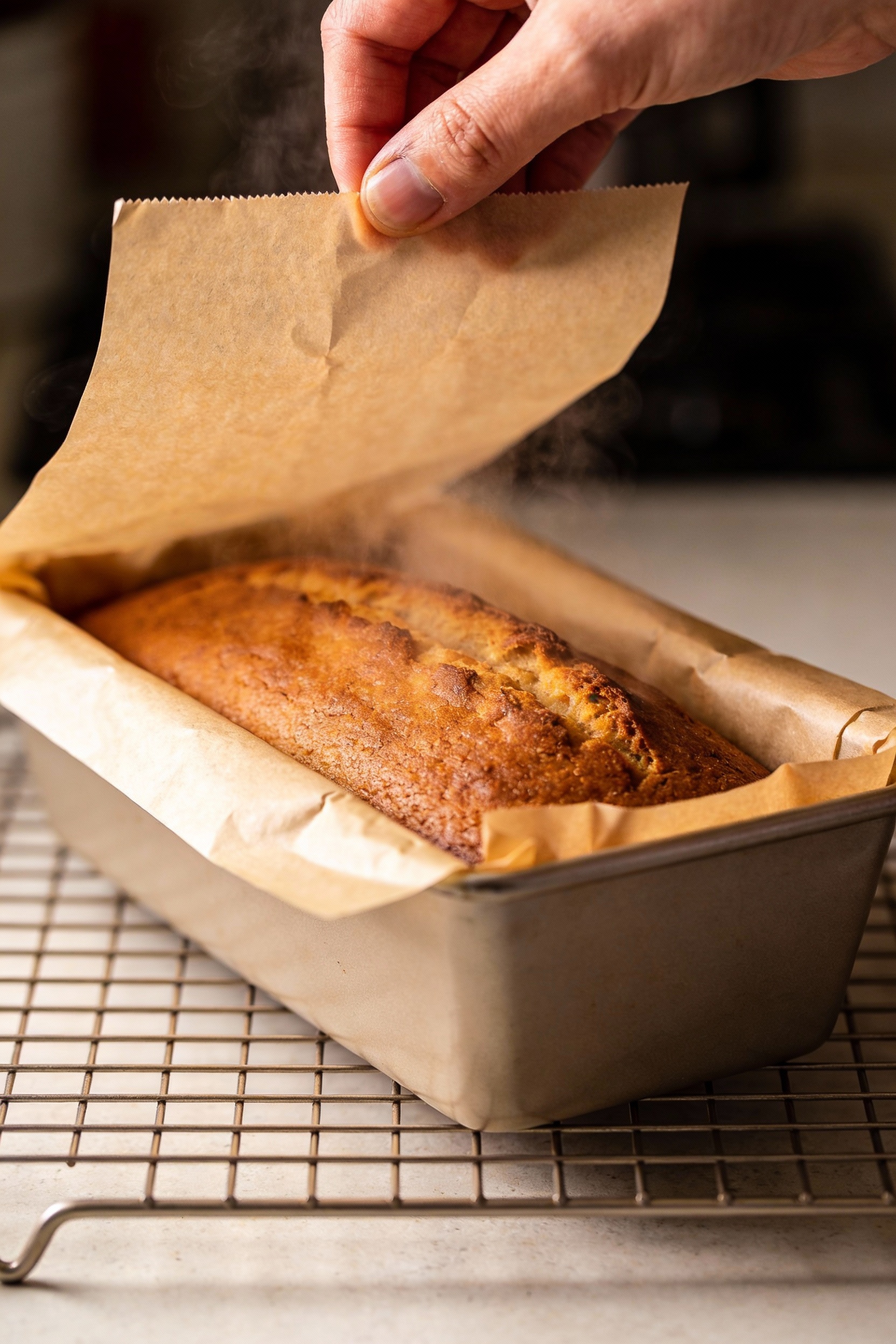
Heat oven to 325°F (163°C). Grease a 9×5-inch loaf pan and line with parchment so you can lift the cake out like a sane person.
-
Whisk cake flour, baking powder, and salt in a bowl. This is the “I care about texture” step, and yes, it matters.
-
Cream butter, oil, and sugar on medium speed until fluffy and lighter in color, about 3–4 minutes. If it still looks dense and gloomy, keep going.
-
Add eggs one at a time, beating 15–20 seconds after each. Scrape the bowl often so you don’t end up with butter hiding on the sides like it’s avoiding responsibility.
-
Beat in vanilla. Pause and take a look: the batter should look smooth and thick, not curdled.
-
Mix sour cream and milk together in a measuring cup. This combo adds moisture without turning the crumb into pudding.
-
Add the flour mixture in three additions, alternating with the sour-cream mixture in two additions. Mix on low and stop the second it comes together.
-
Pour batter into the pan and smooth the top. Tap the pan on the counter 2–3 times to pop big air pockets.
-
Bake 70–85 minutes, until a toothpick comes out with a few moist crumbs and the top is deep golden. If the top browns too fast, tent loosely with foil at the 45–55 minute mark.
-
Cool in the pan 15 minutes, then lift out and cool completely on a rack. Slice too soon and you’ll learn why patience is a life skill.
-
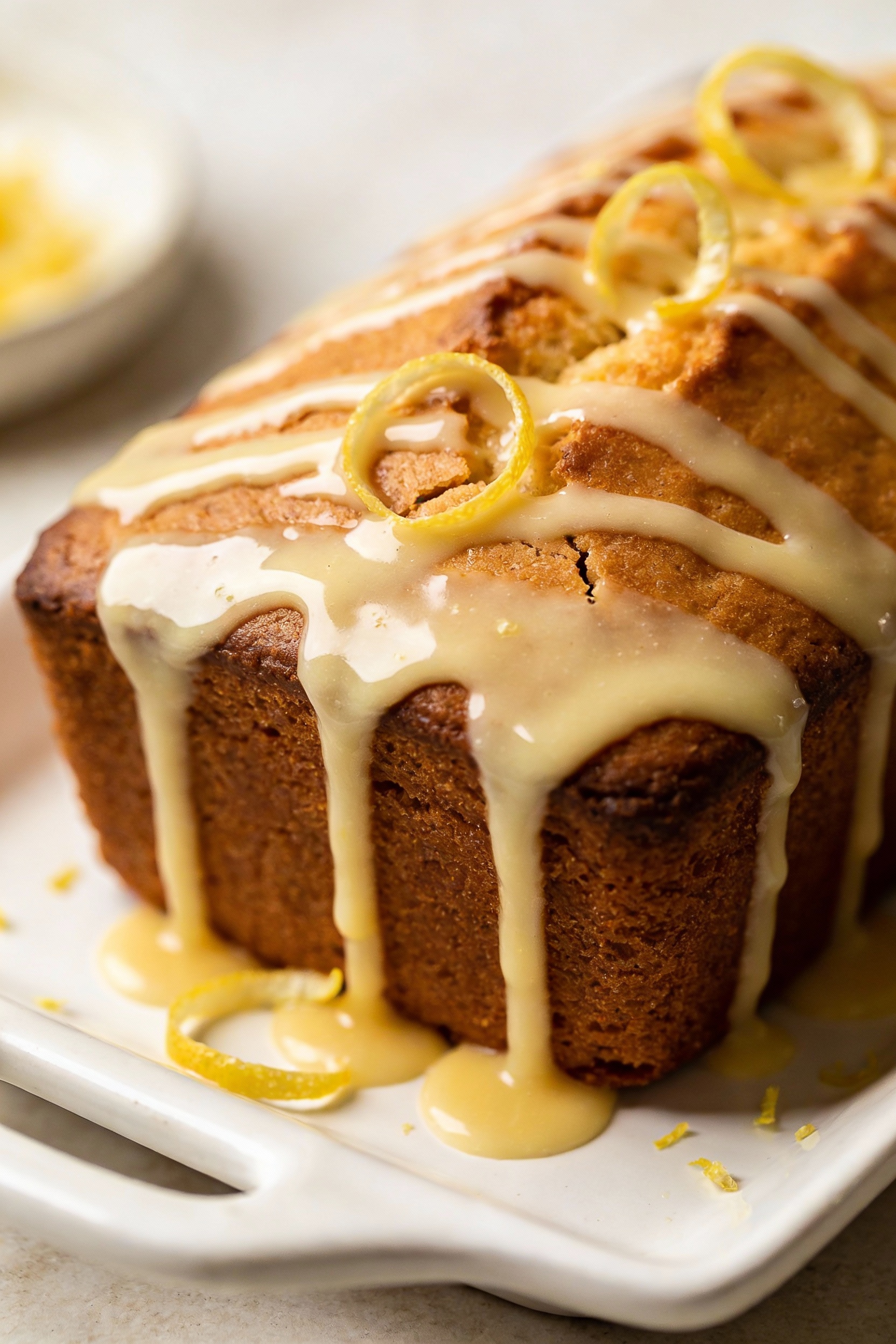
Optional glaze: whisk powdered sugar, milk or lemon juice, and salt until thick but pourable, then drizzle over the cooled loaf.
Storage Tips
Let the cake cool fully before wrapping, or you’ll trap steam and turn the crust soft in a sad way.
Store at room temperature, tightly wrapped, for 3–4 days. A cake dome works, but plastic wrap plus foil works better if your kitchen runs dry.
For longer storage, freeze slices individually wrapped, then place them in a freezer bag for up to 2–3 months. Thaw at room temp, and warm a slice for 10–15 seconds if you want that just-baked vibe.
FYI, the flavor often gets even better on day two because the crumb settles and the vanilla rounds out.
Nutritional Perks
This is still cake, not a kale smoothie pretending to be fun. But it does have some upsides.
Eggs bring protein and structure, dairy adds calcium, and the fat helps you feel satisfied with a normal slice instead of “accidentally” eating half the loaf.
Also, a rich dessert that tastes great can reduce the urge to snack on random sweets later. Emotional stability counts as a perk, right?
What Not to Do
-
Don’t use cold butter, cold eggs, or cold sour cream. That’s how you get curdled batter and uneven crumb.
-
Don’t scoop flour straight from the bag and pack it in. Too much flour equals dry cake, guaranteed.
-
Don’t crank the oven hotter to “speed it up.” Pound cake needs time to bake through without drying out.
-
Don’t overmix once the flour goes in. Overmixing develops gluten and makes the cake tough.
-
Don’t rely on bake time alone. Use color, rise, and a toothpick with moist crumbs as your real signals.
Different Ways to Make This
Once you nail the base, you can remix it like your favorite playlist. Keep the structure the same and swap flavors thoughtfully.
-
Lemon pound cake: Add 1 tablespoon lemon zest and swap 2 tablespoons milk for lemon juice. Finish with a lemon glaze.
-
Almond pound cake: Replace vanilla with 1 1/2 teaspoons almond extract and add 1/3 cup sliced almonds on top before baking.
-
Marble loaf: Remove 1 cup batter, mix it with 2 tablespoons cocoa powder plus 1 tablespoon milk, then swirl into the pan.
-
Brown butter version: Brown the butter, cool until soft-solid again, then proceed. Flavor goes from “nice” to “why is this so good?”
-
Mini loaves or Bundt: Use mini loaf pans (reduce bake time) or a standard Bundt pan (similar bake time). Watch for doneness, not the clock.
FAQ
How do I make pound cake stay moist for days?
Wrap it tightly after it cools, and don’t overbake. The sour cream plus a little oil helps, but the real win is pulling it when the toothpick shows moist crumbs, not when it’s bone-dry.
Why did my pound cake crack on top?
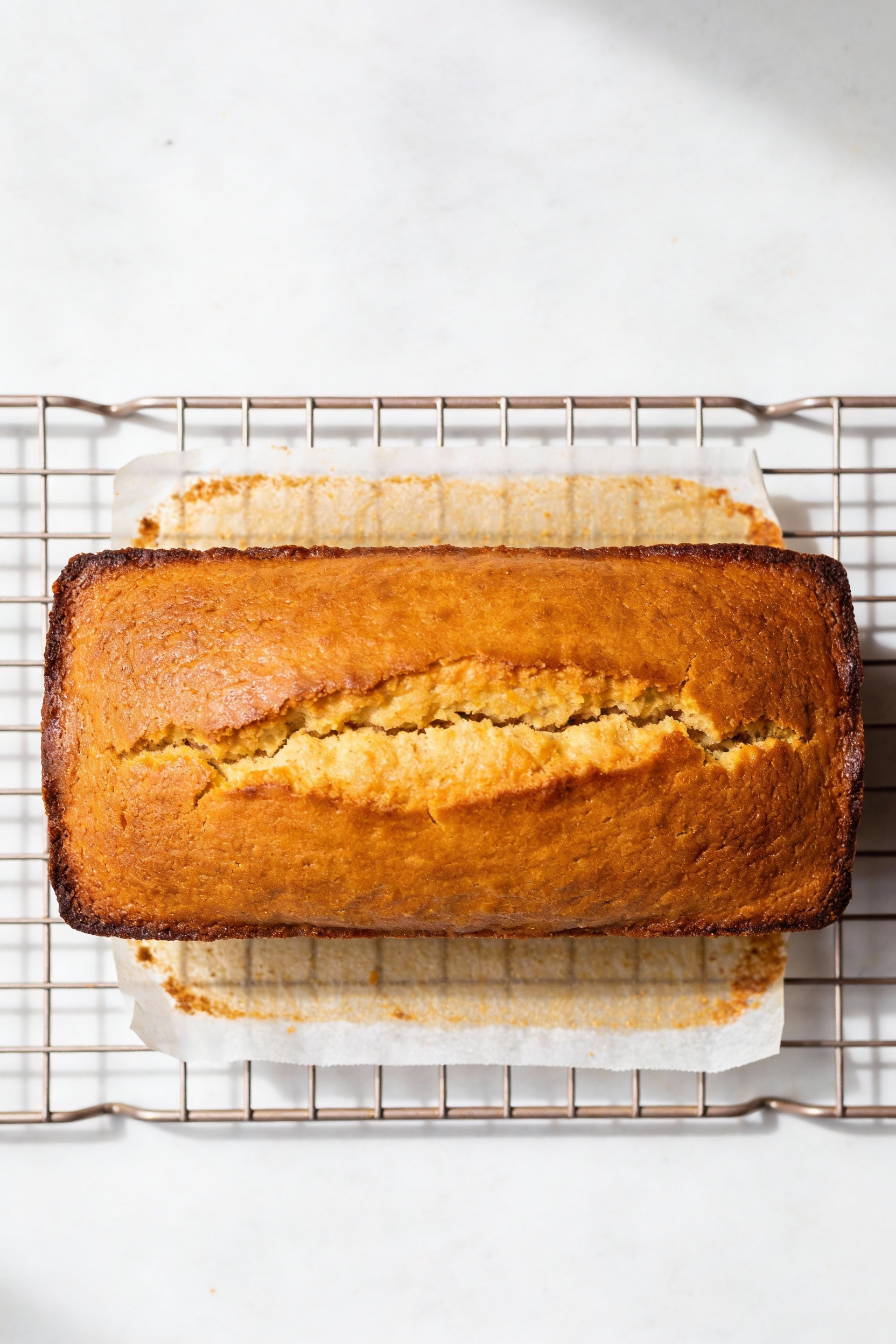
Cracks happen when the top sets before the inside finishes rising, and it’s common with loaf cakes. It’s not a failure; it’s a feature that usually means you built good structure and got proper oven spring.
Can I use all-purpose flour instead of cake flour?
Yes, but the crumb will be slightly less tender. If you only have all-purpose, use it and avoid overmixing; you’ll still get a great loaf, just not quite as plush.
What’s the best pan for a moist pound cake?
A light-colored metal loaf pan bakes most evenly and helps prevent a dark, dry crust. Dark pans brown faster and can dry the edges before the center finishes.
How do I know it’s done without drying it out?
Look for a deep golden top and a toothpick that comes out with a few moist crumbs. If it comes out clean and the cake looks very dark, you probably went a little too long.
Can I add fruit or chocolate chips?
Yes, but keep it reasonable so the cake still bakes through. Toss add-ins with a teaspoon of flour and fold in gently at the end to reduce sinking.
Wrapping Up
A truly moist pound cake is less about luck and more about control: room-temp ingredients, careful mixing, and pulling it at the right moment.
Make the base once, then riff with lemon, almond, marble, or brown butter when you want to flex. The best part is how well it holds up, because a dessert that’s great on day two feels like you hacked the system.
If you try it, slice it thick, pour the coffee, and accept the compliment when someone asks where you bought it. You can tell them the truth, or you can just smile. Your call.