Birthday Cake Recipes That Never Flop at the Party
A foolproof vanilla confetti cake with fluffy frosting, easy steps, and party-proof tips so your next celebration tastes like a win.
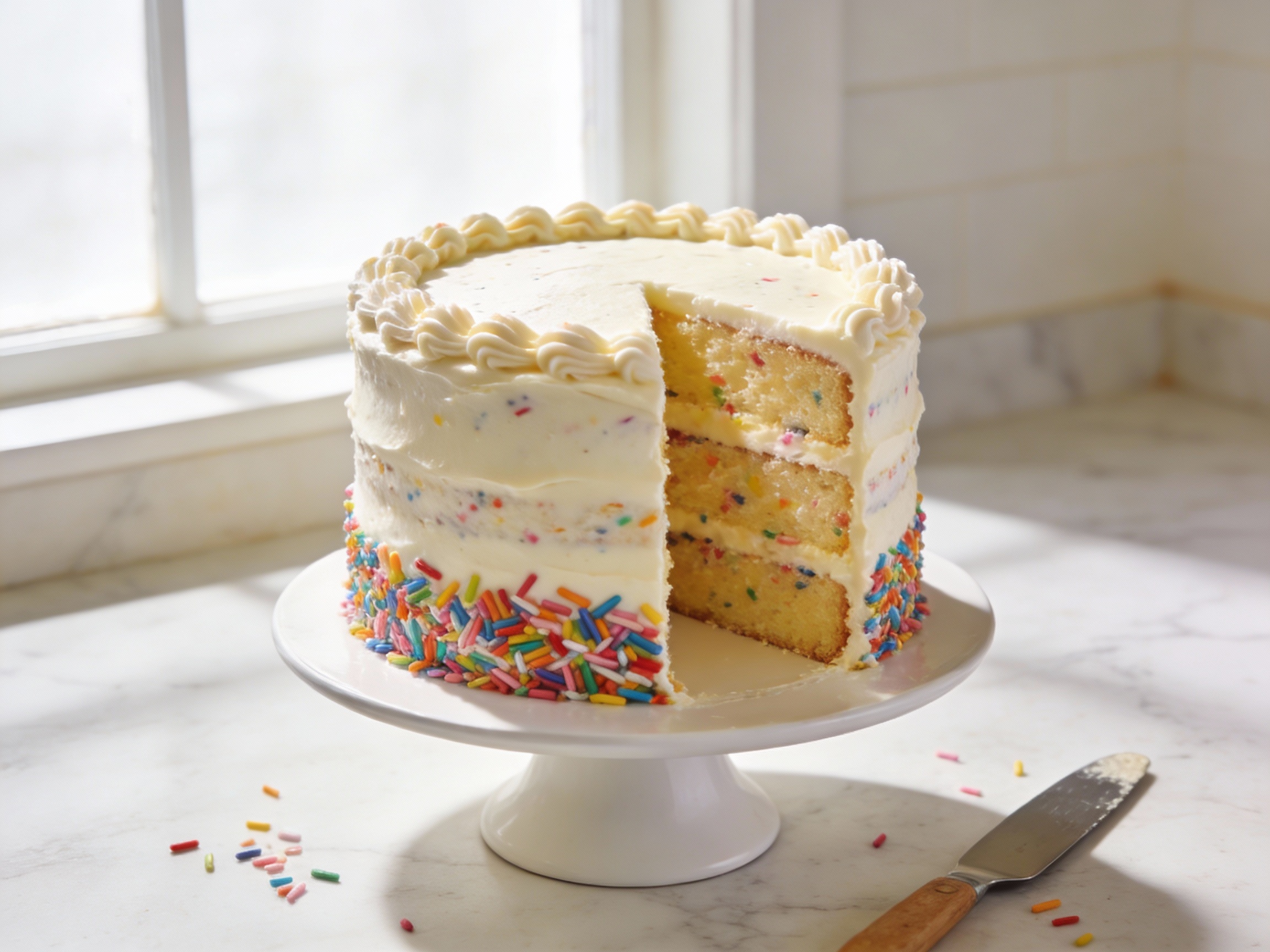
You don’t need a pastry degree to make a birthday cake that gets actual applause. You need a reliable formula, a few non-negotiables, and the confidence to ignore the “just eyeball it” crowd. This cake is soft, tall, and unapologetically fun, with a crumb that stays moist even after the candles drama. Want a bakery look without bakery stress? Good, because we’re doing that.
And yes, the frosting is creamy, not greasy, and it holds up like it has a job. The sprinkles don’t bleed, the layers don’t slide, and you won’t be Googling “why did my cake sink” at 11:47 PM. Let’s make the cake that makes you the person who “just happens to be good at baking.”
What Makes This Special
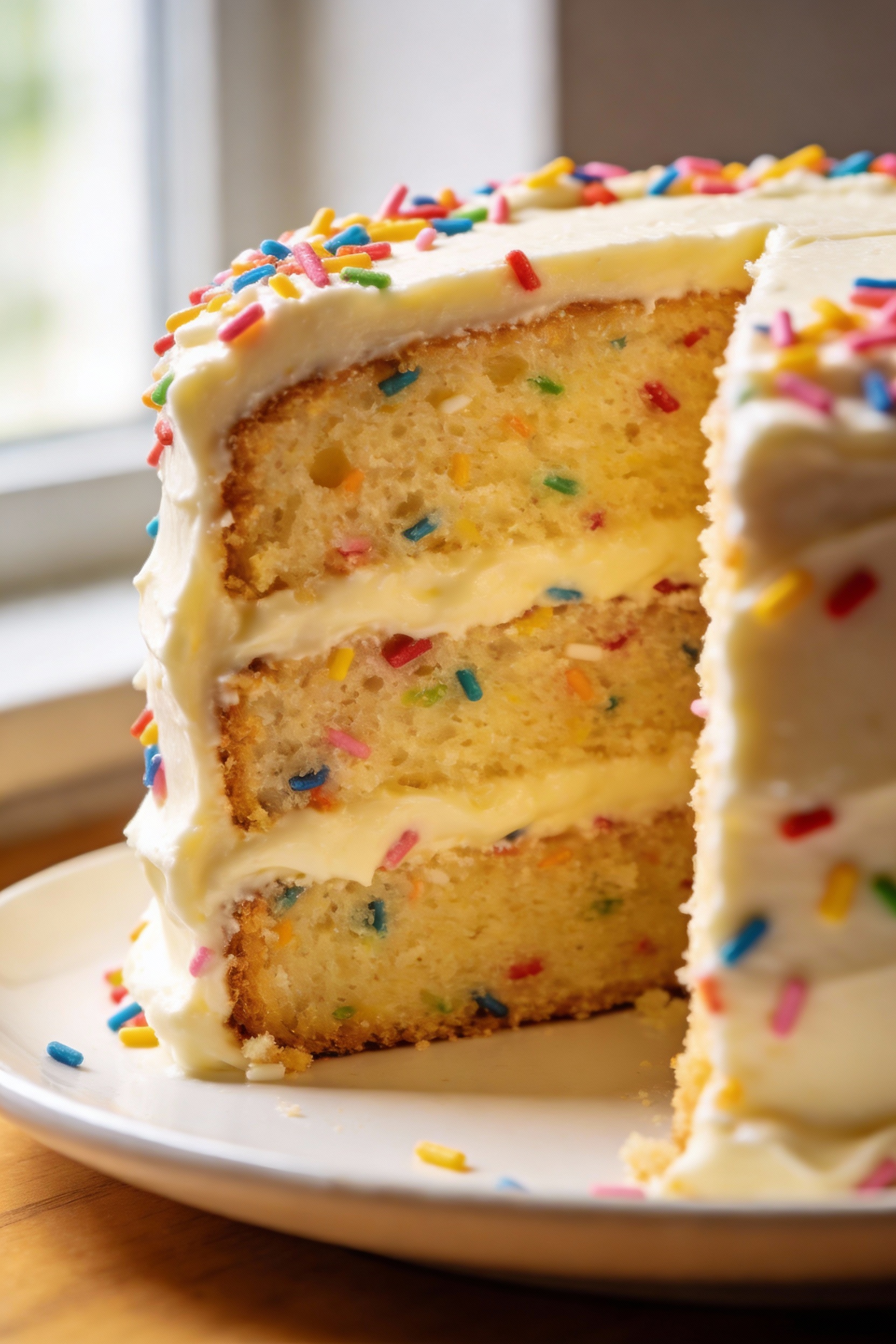
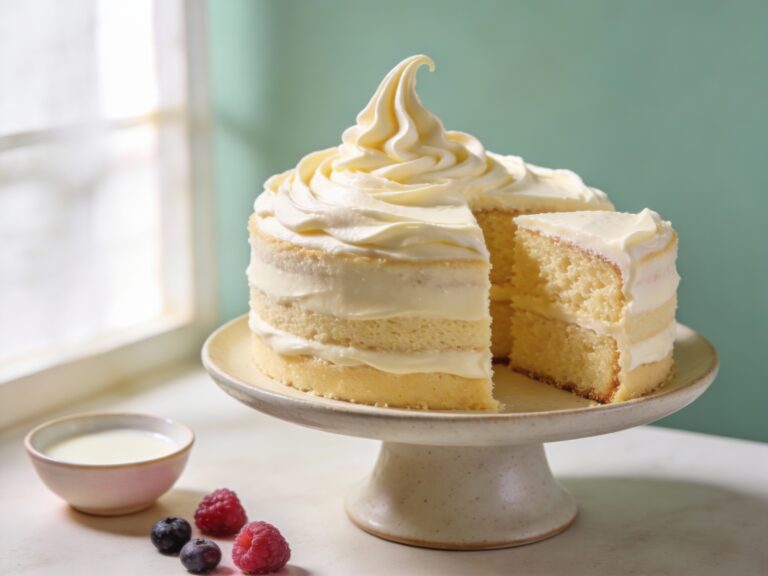
This is a classic vanilla confetti layer cake designed for real life: uneven ovens, busy schedules, and people who cut slices like they’re mining for gold. It uses the reverse-creaming method for a tender crumb and consistent rise, which means fewer air pockets and less doming. You get clean layers that stack without looking like a leaning tower of frosting.
The flavor stays bright and buttery, not bland-sweet. A touch of sour cream adds moisture and a subtle tang that makes vanilla taste bigger, not “plain.” The frosting balances butter and cream cheese for stability, a silky finish, and enough structure to pipe borders like you meant to do that all along.
Ingredients
- All-purpose flour: 3 cups (360 g), spooned and leveled
- Granulated sugar: 2 cups (400 g)
- Baking powder: 2 1/2 teaspoons
- Baking soda: 1/2 teaspoon
- Fine salt: 1 teaspoon
- Unsalted butter: 3/4 cup (170 g), room temperature
- Neutral oil (canola/avocado): 1/4 cup (60 ml)
- Large eggs: 3, room temperature
- Pure vanilla extract: 1 tablespoon
- Buttermilk: 1 1/4 cups (300 ml), room temperature
- Sour cream: 1/2 cup (120 g), room temperature
- Rainbow jimmies sprinkles: 1/2 cup (85 g), plus extra for decorating
- Cream cheese: 8 oz (225 g), softened
- Unsalted butter for frosting: 1 cup (225 g), softened
- Powdered sugar: 5 to 6 cups (600–720 g), sifted if lumpy
- Heavy cream or milk: 2 to 4 tablespoons, as needed
- Pinch of salt (frosting): optional, to taste
Instructions
-
Prep like you mean it. Heat the oven to 350°F (175°C). Grease and line three 8-inch round pans with parchment, then lightly flour the sides. If you skip parchment, don’t act shocked when the cake clings like it pays rent.
-
Mix the dry team. In a large bowl, whisk flour, sugar, baking powder, baking soda, and salt until evenly combined. This prevents bitter pockets of leavener that ruin someone’s first bite.
-
Reverse-cream for a plush crumb. Add room-temp butter and oil to the dry ingredients. Mix until it looks like damp sand and no big flour streaks remain. This coats flour with fat, keeping the cake tender and stable.
-
Build the batter in stages. In a separate bowl, whisk buttermilk, sour cream, eggs, and vanilla until smooth. Pour about half into the mixing bowl and beat just until thick and combined, then add the rest and mix until smooth. Stop once it looks glossy and cohesive.
-
Fold in sprinkles the smart way. Gently fold in rainbow jimmies with a spatula. Avoid nonpareils; they bleed color and turn your cake into a tie-dye regret. FYI, gentle folding keeps the batter from deflating.
-
Pan, level, and bake. Divide batter evenly between pans. Bake 22 to 28 minutes, or until a toothpick comes out with a few moist crumbs and the tops spring back. Rotate pans once halfway if your oven runs hot on one side.
-
Cool without chaos. Cool in pans 10 minutes, then turn out onto racks and cool completely. Warm cake plus frosting equals a slip-and-slide situation, and nobody needs that.
-
Whip the frosting to silky, not sloppy. Beat cream cheese and butter until smooth and fluffy, about 2 minutes. Add powdered sugar gradually, then vanilla and a pinch of salt if needed. Stream in cream or milk 1 tablespoon at a time until spreadable and pipeable.
-
Level the layers. If the tops dome, trim with a serrated knife once fully cool. Save the scraps for “quality control.” This is a scientific process, obviously.
-
Stack with structure. Place the first layer on a cake board or plate. Spread an even layer of frosting, add the next layer, repeat, then top with the final layer upside down for a flatter surface.
-
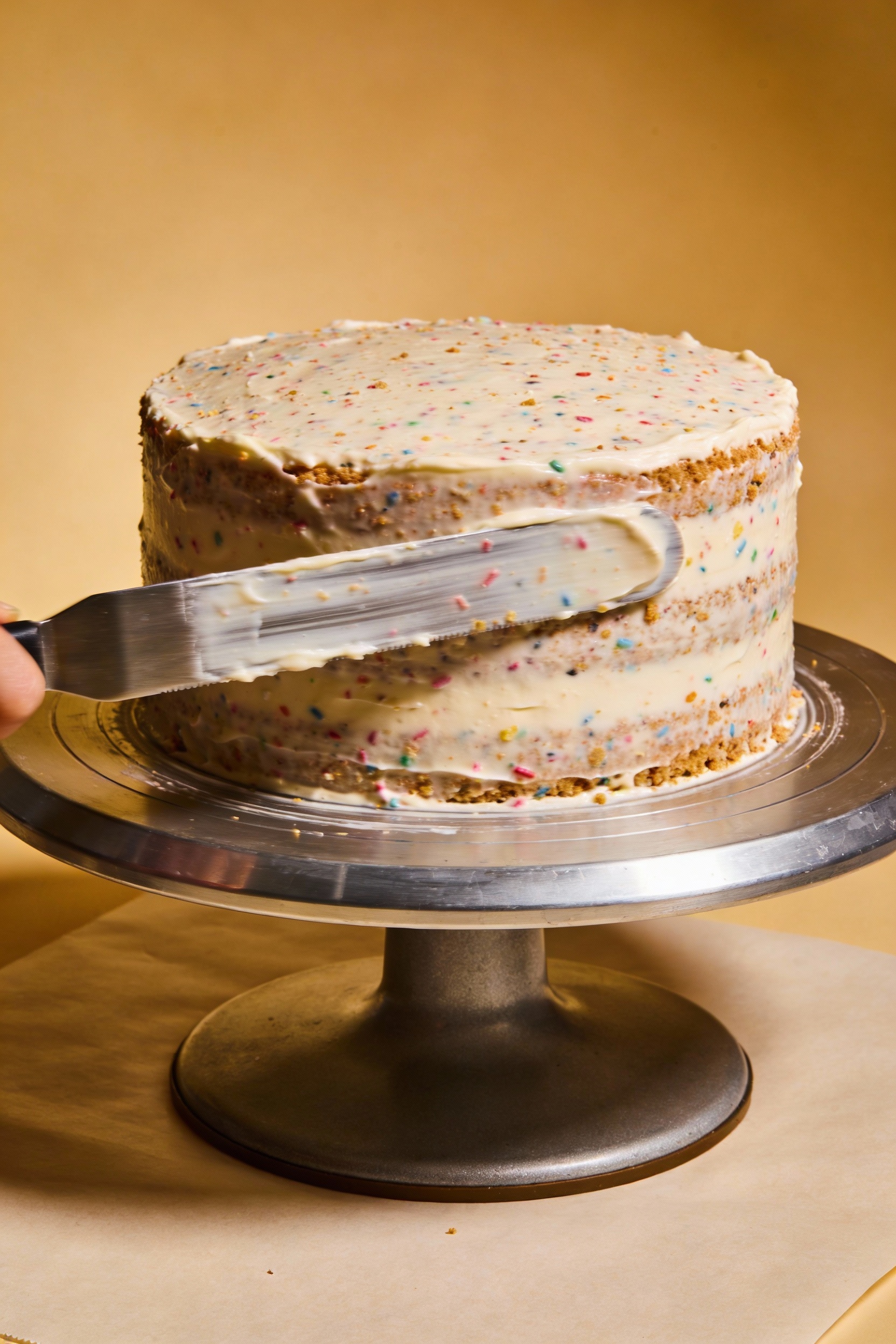
Crumb coat, then chill. Apply a thin crumb coat to trap loose crumbs. Chill 15 to 20 minutes so the final coat goes on clean and smooth.
-
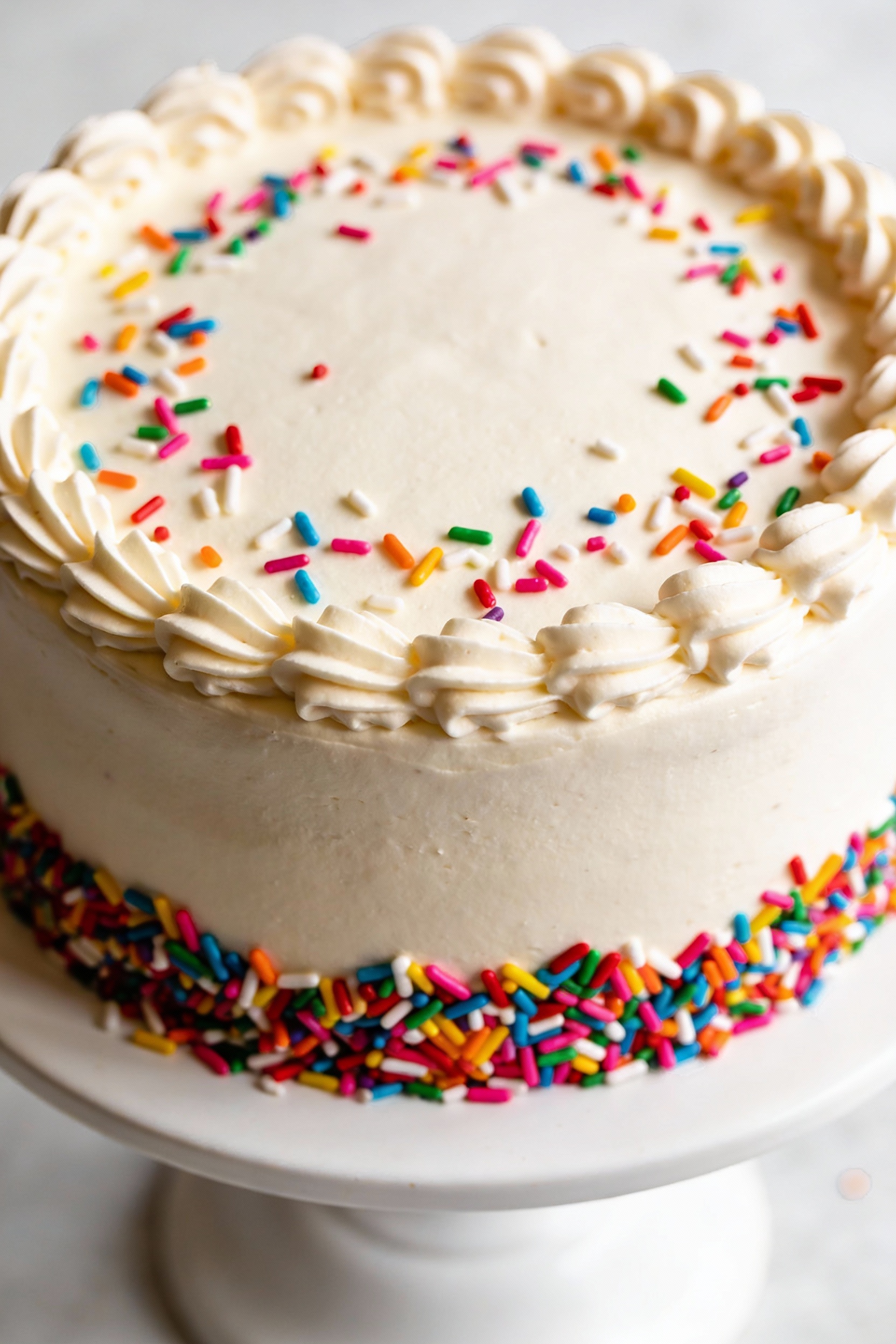
Finish like a pro. Frost the cake fully, smooth the sides, and add sprinkles around the edge or press them onto the sides. Pipe borders if you want extra flair. IMO, sprinkles are basically edible confetti and I support that lifestyle.
Preservation Guide
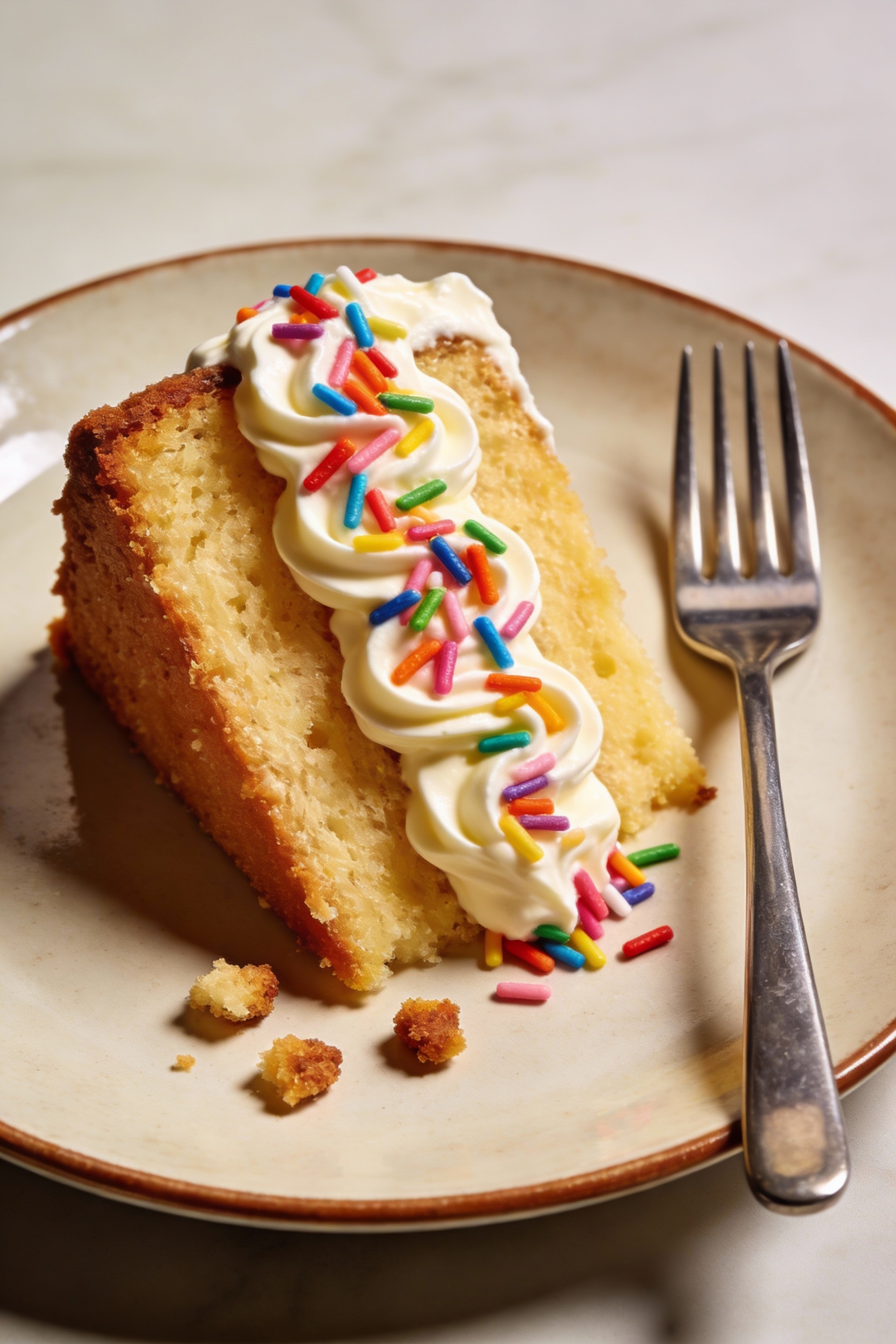
Room temperature: If your kitchen stays cool and you plan to eat it within 24 hours, keep the cake covered in a dome or airtight container. The frosting stays stable, and the crumb stays tender. Keep it away from sunlight, heat vents, and curious pets with strong opinions.
Refrigerator: For up to 4 days, refrigerate the cake in an airtight container. Let slices sit at room temperature 20 to 30 minutes before serving so the texture softens and the flavors pop again. Cold cake tastes muted, like it’s whispering instead of singing.
Freezer: Freeze unfrosted layers wrapped tightly in plastic wrap and foil for up to 2 months. Thaw wrapped at room temperature, then frost. You can also freeze frosted slices individually, then thaw in the fridge overnight for the easiest future-you gift.
Benefits of This Recipe
- Consistent rise: Reverse-creaming reduces domes and tunnels for stackable layers.
- Moist for days: Oil and sour cream keep the crumb soft without tasting oily.
- Party-proof frosting: Cream cheese plus butter gives stability with a smooth finish.
- Easy to scale: Works as cupcakes, sheet cake, or a taller two-layer build.
- Photogenic: Confetti crumb and clean frosting edges look instantly celebratory.
What Not to Do
- Don’t use cold ingredients. Cold eggs and dairy make the batter curdle and bake unevenly.
- Don’t overmix after adding liquids. Overmixing makes the cake tough and bready, which is not the vibe.
- Don’t swap in nonpareils. They bleed color and turn your slices into a watercolor accident.
- Don’t frost warm layers. Melty frosting looks “rustic” in the worst way and slides off.
- Don’t skip measuring flour. Scooping straight from the bag packs flour and dries the cake out fast.
- Don’t crank the oven temp. A hotter oven sets edges too fast and leaves the center underbaked.
Recipe Variations
Want to personalize it without risking the structure? Keep the base method the same and make smart swaps. Small changes give you huge payoff, and nobody has to know how easy it was.
- Chocolate confetti: Replace 1/2 cup (60 g) flour with 1/2 cup (50 g) unsweetened cocoa powder and add 2 tablespoons extra buttermilk.
- Strawberry swirl: Spread a thin layer of strawberry jam between layers, keeping it 1/2 inch from the edge to prevent sliding.
- Lemon party cake: Add zest of 2 lemons to the sugar and swap 1 tablespoon vanilla for 1 tablespoon lemon extract.
- Funfetti cupcakes: Bake in lined muffin tins at 350°F (175°C) for 16 to 20 minutes, filling cups about 2/3 full.
- Sheet cake: Bake in a 9×13-inch pan for 28 to 35 minutes and frost directly in the pan for maximum convenience.
- Cookies-and-cream: Fold crushed chocolate sandwich cookies into the frosting and sprinkle more on top.
FAQ
Can I make this cake a day ahead?
Yes, and it often tastes better. Bake the layers, cool completely, wrap tightly, and store at room temperature overnight. Frost the next day, or frost ahead and refrigerate, then bring to room temp before serving.
Why did my cake sink in the middle?
Usually it’s underbaking, opening the oven door too early, or expired leaveners. Bake until the center springs back and a toothpick shows moist crumbs, not wet batter. Also, measure accurately; too much liquid can weigh the center down.
How do I get flat layers without fancy tools?
Use an inexpensive serrated knife and trim domes after the cakes cool. For extra insurance, wrap the pans with damp cake strips or even folded damp towels secured with foil, but keep them away from the heating element.
Can I use two 9-inch pans instead of three 8-inch pans?
Yes. The layers will be slightly thinner and may bake faster, so start checking around 18 to 22 minutes. Keep the frosting amount the same for a generous finish.
What sprinkles work best?
Use rainbow jimmies for the batter because they hold color better. Save nonpareils for decoration only, and even then, add them right before serving if you worry about bleeding.
How do I keep the frosting from being too sweet?
Use cream cheese for tang, add a pinch of salt, and stop at the lower end of powdered sugar if the frosting still holds shape. You can also add a splash of lemon juice to sharpen the flavor without making it sour.
How do I transport this without ruining it?
Chill the frosted cake for 30 minutes to firm it up, then move it in a sturdy box with a nonslip mat underneath. Keep it level, keep it cool, and avoid sharp turns like you’re carrying a sleeping baby.
Wrapping Up
This cake gives you the holy trinity: soft crumb, stable frosting, and party energy in every slice. It’s forgiving enough for beginners but polished enough to look like you had “help,” even if the only help was a playlist and stubbornness.
If you want the fastest upgrade, focus on two things: room-temperature ingredients and fully cooled layers before frosting. Nail those, and you’ll stop fearing birthdays and start quietly hoping someone asks you to bring cake again. Which, honestly, is a power move.