Vegan Cake Recipes That Taste Like a Bakery Win
Bake fluffy, rich cakes with simple pantry swaps, zero dairy or eggs, and big-party flavor that still feels weeknight-easy.
You want cake that makes people stop talking mid-bite. Not “good for vegan,” not “surprisingly decent,” but actually craveable cake. The kind that gets requested for birthdays, breakups, and random Tuesdays when life needs frosting. Here’s the cheat code: moisture + acid + the right fat, then you don’t overmix like it owes you money. Ready to pull off a cake that tastes expensive while your ingredients look suspiciously normal?
What Makes This Recipe Awesome

This is a dependable, bakery-style vegan vanilla cake with a plush crumb and a bold, not-too-sweet frosting. It handles cupcakes, layers, and sheet cakes without drama. You get a fast batter, easy-to-find ingredients, and a texture that stays soft even the next day. And yes, it slices cleanly for photos, because cake should be delicious and a little bit attention-seeking.
- Soft, tender crumb: Oil plus plant milk keeps it moist without heaviness.
- No weird ingredients: No flax slurry required unless you want it.
- One bowl vibe: Minimal cleanup, maximum bragging rights.
- Scales up beautifully: Make it as a layer cake or casual sheet cake.
- Frosting that behaves: Whips smooth, spreads easily, and doesn’t melt instantly.
What You’ll Need (Ingredients)
These amounts make one 8-inch two-layer cake, one 9×13 sheet cake, or about 18–20 cupcakes. Choose unsweetened plant milk and a neutral oil for the cleanest flavor. If you only have sweetened milk, reduce the sugar slightly so it doesn’t turn into a dessert megaphone.
- 2 1/2 cups all-purpose flour
- 1 1/2 cups granulated sugar
- 1 tablespoon baking powder
- 1/2 teaspoon baking soda
- 1/2 teaspoon fine salt
- 1 3/4 cups unsweetened plant milk (soy or oat work best)
- 1/2 cup neutral oil (canola, grapeseed, or avocado)
- 2 teaspoons vanilla extract
- 1 tablespoon apple cider vinegar or fresh lemon juice
- 1/4 cup unsweetened applesauce (optional but great for extra tenderness)
- 2 tablespoons cornstarch (optional, for a slightly finer crumb)
Simple vegan vanilla buttercream (enough for a two-layer cake):
- 1 cup vegan butter, softened (stick-style works best)
- 3 1/2 to 4 cups powdered sugar, sifted if lumpy
- 2 teaspoons vanilla extract
- 2 to 4 tablespoons plant milk (as needed)
- Pinch of salt
Optional add-ins:
- 1/2 cup sprinkles (check they’re vegan)
- 1 to 2 teaspoons lemon zest
- 1/2 cup dairy-free chocolate chips
- Fresh berries for topping
How to Make It – Instructions
Read once, bake once, look like you’ve been doing this forever. Use a kitchen scale if you have one, but cups work fine if you don’t pack the flour like you’re building a sandcastle. Let your oven fully preheat, because half-warm ovens produce sad cakes. And sad cakes make people lie to you with “It’s still good!”
-
Prep your pans: Heat oven to 350°F (175°C). Grease two 8-inch pans and line bottoms with parchment, or grease a 9×13 pan. If making cupcakes, line the tin.
-
Mix the dry team: In a large bowl, whisk flour, sugar, baking powder, baking soda, salt, and cornstarch if using. Whisk well so you don’t bite into a random salty pocket later.
-
Mix the wet team: In a separate bowl or large measuring cup, whisk plant milk, oil, vanilla, vinegar (or lemon juice), and applesauce if using. Let it sit 1 minute so the acid starts its thing.
-
Combine gently: Pour wet into dry. Stir just until no dry flour remains. Stop. Seriously. Overmixing turns tender cake into “why is it chewy?” territory.
-
Pour and tap: Divide batter evenly into pans (or pour into your sheet pan). Tap pans lightly on the counter to pop big air bubbles.
-
Bake: Bake layers 28–34 minutes, sheet cake 30–38 minutes, cupcakes 18–22 minutes. A toothpick should come out clean or with a few moist crumbs, not wet batter.
-
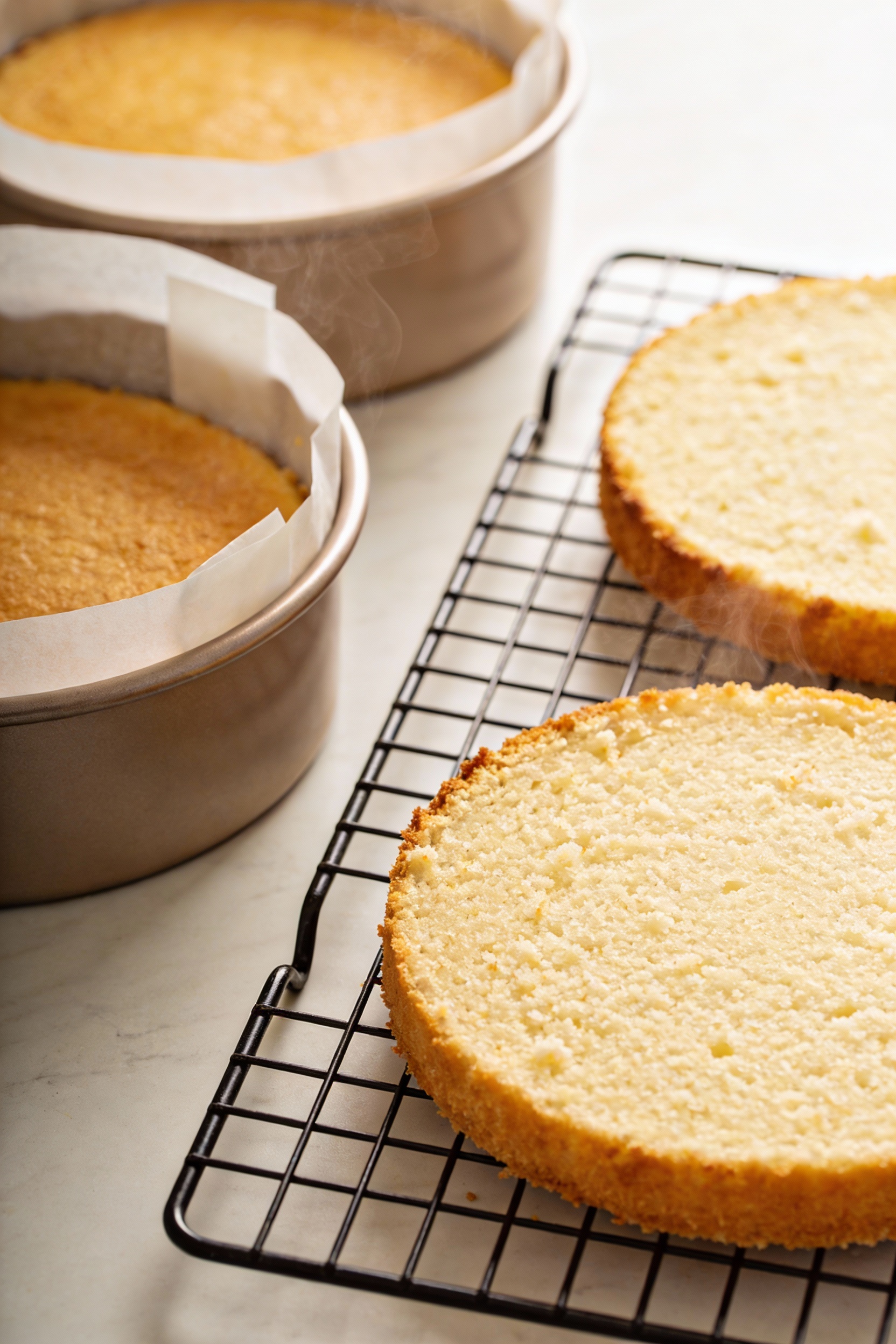
Cool like you mean it: Cool in pans 10 minutes, then turn out onto a rack. Cool completely before frosting, unless you enjoy frosting soup.
-
Make buttercream: Beat vegan butter 2–3 minutes until smooth and lighter. Add powdered sugar gradually, then vanilla, salt, and plant milk a tablespoon at a time until fluffy and spreadable.
-
Level and stack: If layers domed, trim with a serrated knife. Spread frosting on the first layer, add the second, then frost the top and sides. For a clean look, do a thin “crumb coat,” chill 15 minutes, then finish.
-
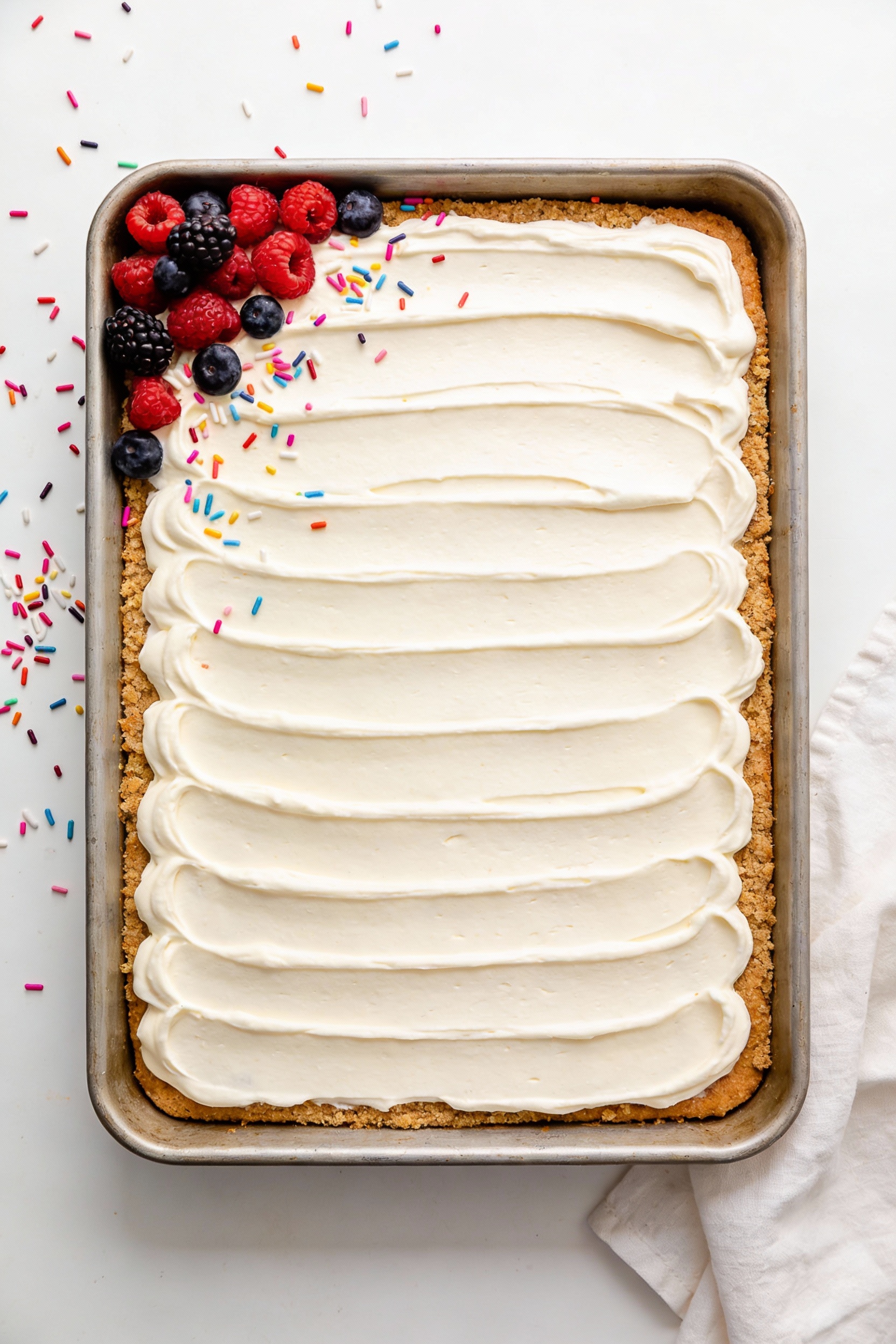
Decorate: Add sprinkles, berries, or a dramatic swirl. Take your photo before someone “just tries a tiny piece.”
Storage Instructions
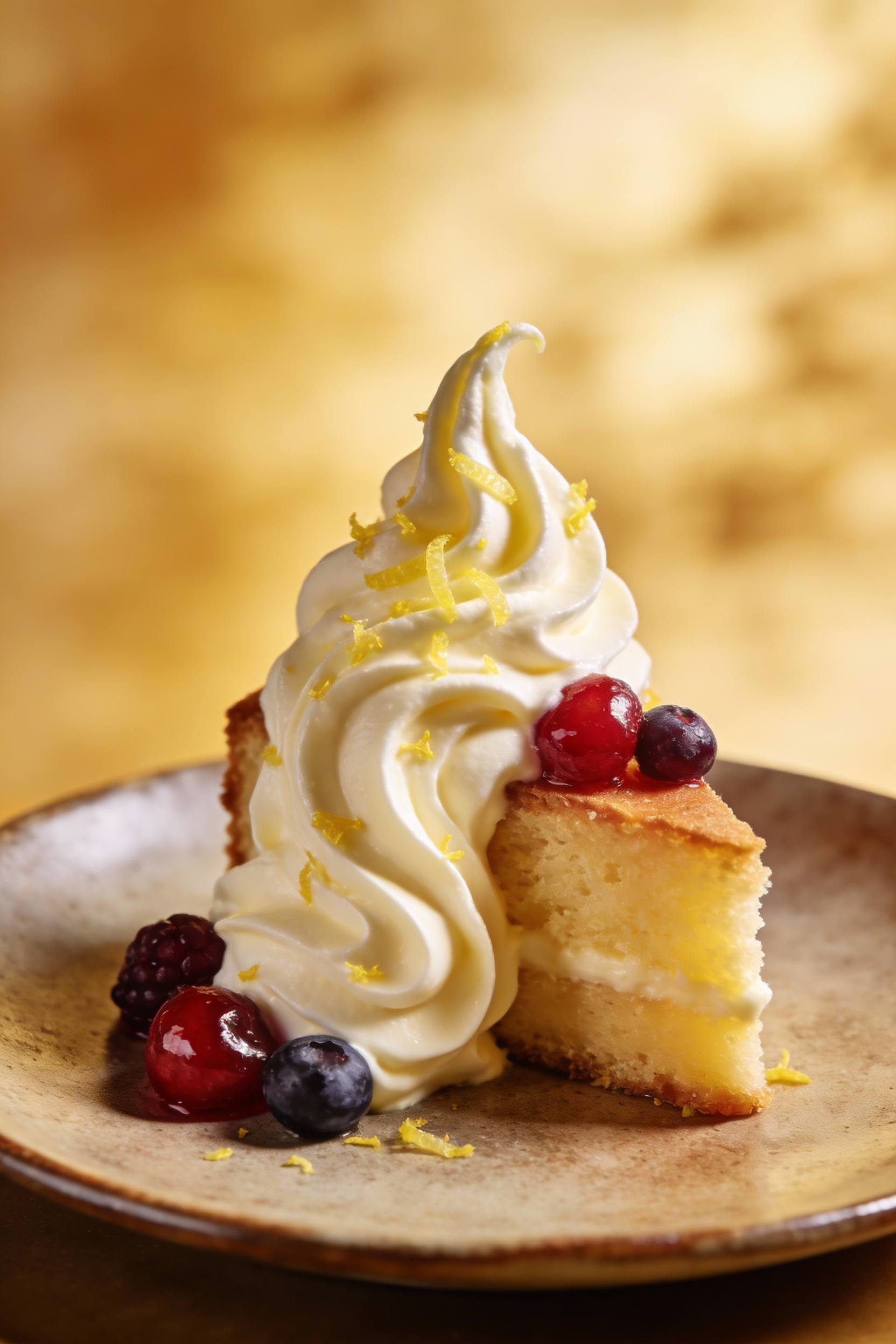
At room temp, an unfrosted cake stays fresh for 2 days when wrapped tightly. Frosted cake can sit out 1 day in a cool room, covered, because the sugar helps preserve it. For longer storage, refrigerate up to 5 days in an airtight container, then let slices come to room temp for best texture. You can freeze unfrosted layers up to 2 months, wrapped well; thaw overnight in the fridge, then frost.
Why This is Good for You
No, it’s still cake, and cake will not pay your bills. But this version skips cholesterol and uses plant-based fats, which many people find easier to digest. You can also add small upgrades without ruining the vibe, like using oat milk for extra creaminess or adding berries for fiber. And if you bake at home, you control ingredients and portion size instead of playing “guess the label” with mystery bakery slices.
- Dairy-free and egg-free: Helpful for allergies, ethics, or preference.
- Simple ingredients: Less ultra-processed randomness, more pantry basics.
- Customizable sweetness: You can dial sugar down slightly in frosting.
Avoid These Mistakes
Most cake disasters come from three things: measuring errors, overmixing, or impatience. Vegan baking isn’t fragile, but it does punish chaos. Keep it simple, follow the sequence, and don’t freestyle the leavening unless you like dense layers. IMO, the biggest mistake is thinking “a little extra flour” will help anything; it won’t.
- Packing flour into the cup: Spoon and level, or weigh it for accuracy.
- Overmixing the batter: Mix just until combined to keep it tender.
- Skipping the acid: Vinegar or lemon helps lift and balance flavor.
- Frosting a warm cake: Wait until fully cool, or accept chaos.
- Old baking powder: If it’s older than 6–12 months, replace it.
Recipe Variations
Once you own the base, you can spin it into basically any party flavor. Think of this as your blank canvas, except the canvas tastes like vanilla and happiness. Keep the same method, swap one or two elements, and you’ve got a new “signature” cake. FYI, add-ins should be folded in at the very end, gently.
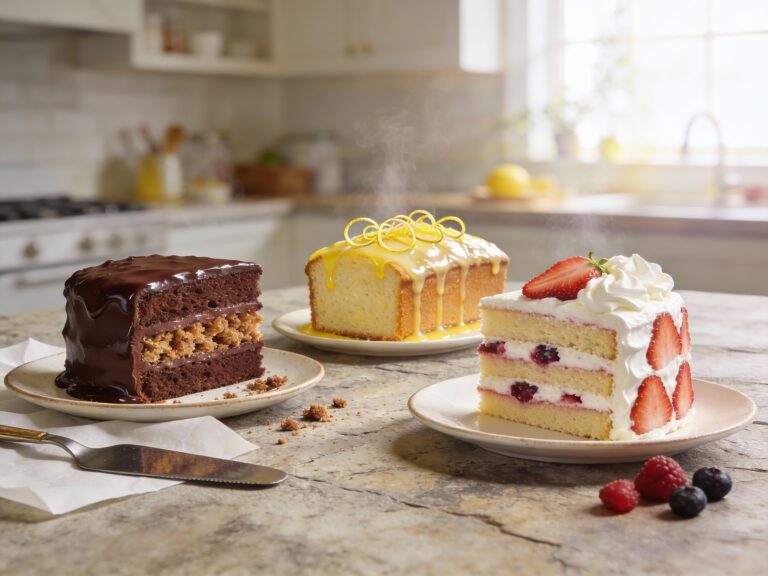
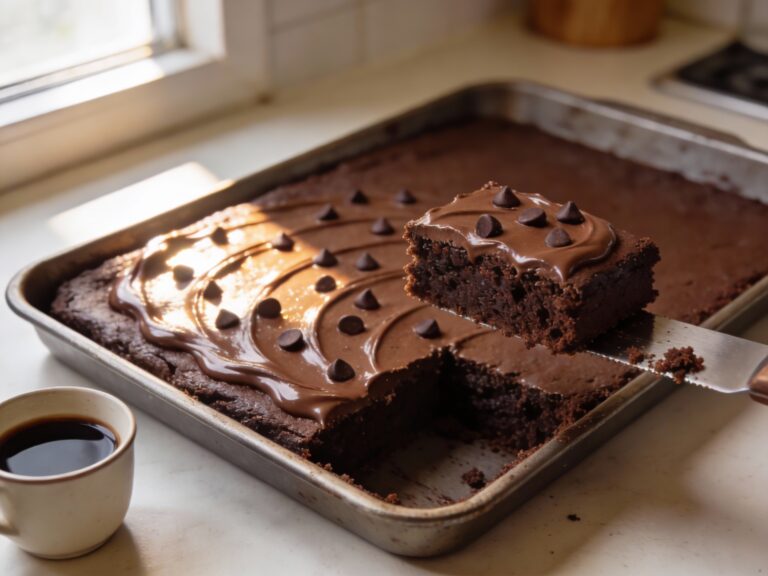
- Chocolate version: Replace 1/2 cup flour with 1/2 cup unsweetened cocoa powder, and add 2–3 tablespoons extra plant milk.
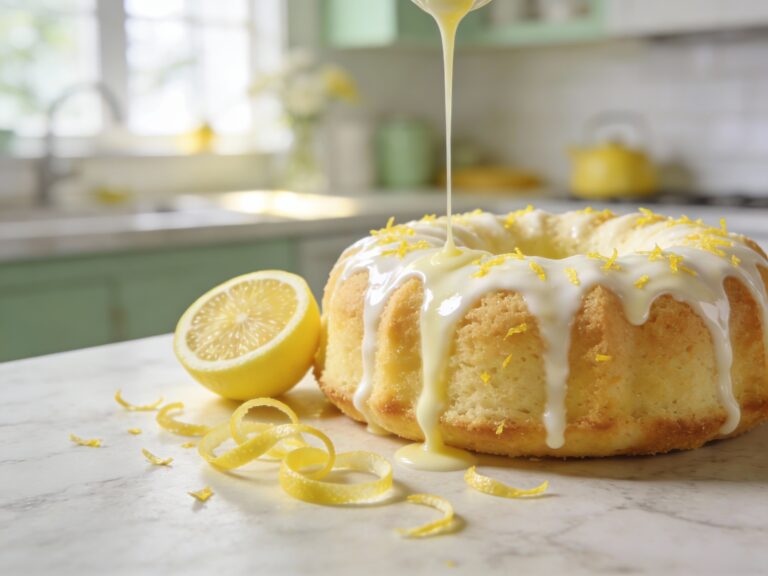
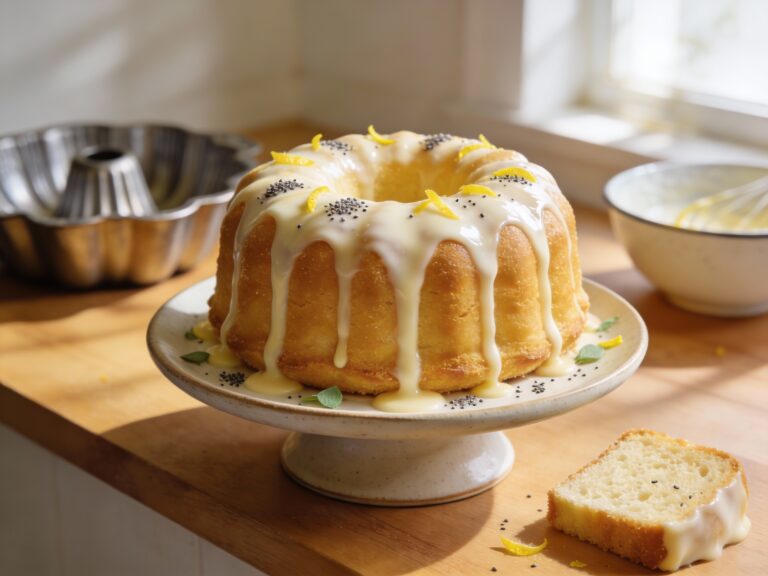
- Lemon pop: Add 1–2 tablespoons lemon zest and swap vanilla for 1 teaspoon lemon extract.
- Funfetti: Fold in 1/2 cup vegan sprinkles; keep batter mixing minimal.
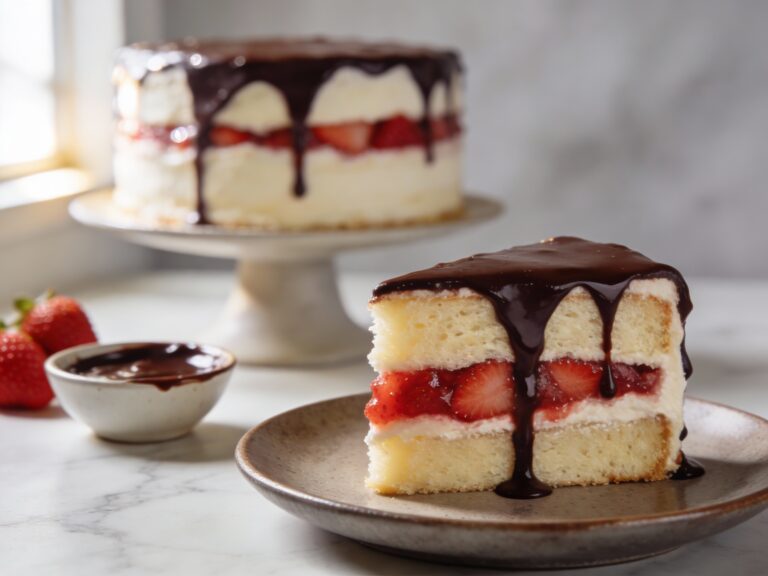
- Strawberry swirl: Spoon in a thick strawberry jam and swirl lightly before baking.
- Spiced cake: Add 1 teaspoon cinnamon and a pinch of nutmeg; top with a simple vanilla glaze.
- Healthier-ish twist: Replace up to 1/2 cup flour with whole wheat pastry flour for a slightly heartier crumb.
FAQ
What replaces eggs in vegan cake?
In this cake, the combo of baking powder, baking soda, acid (vinegar or lemon), and proper mixing gives lift and structure. Applesauce adds moisture and tenderness, but it’s optional. You can also use mashed banana, flax “egg,” or commercial egg replacer, but each changes flavor and texture.
Which plant milk works best?
Unsweetened soy milk often gives the most reliable structure because it has more protein. Oat milk adds softness and a slightly richer taste. Almond milk works too, but the cake may bake up a touch lighter and less springy.
Can I make this gluten-free?
Yes, use a 1:1 gluten-free baking flour blend that includes xanthan gum. Expect a slightly different crumb, and avoid overbaking because gluten-free cakes dry out faster. Let it cool fully before slicing for the cleanest texture.
How do I keep vegan cake from being dry?
Measure flour correctly, don’t overbake, and keep the oil and plant milk amounts consistent. Wrap the cake well after it cools to trap moisture. If your oven runs hot, reduce temperature by 15–25°F and bake a bit longer.
Can I bake this as cupcakes?
Yes, fill liners about two-thirds full and bake 18–22 minutes at 350°F (175°C). Cool completely before frosting so the tops don’t slide off like a bad hat. The recipe makes roughly 18–20 cupcakes depending on how generous you get.
What frosting works besides buttercream?
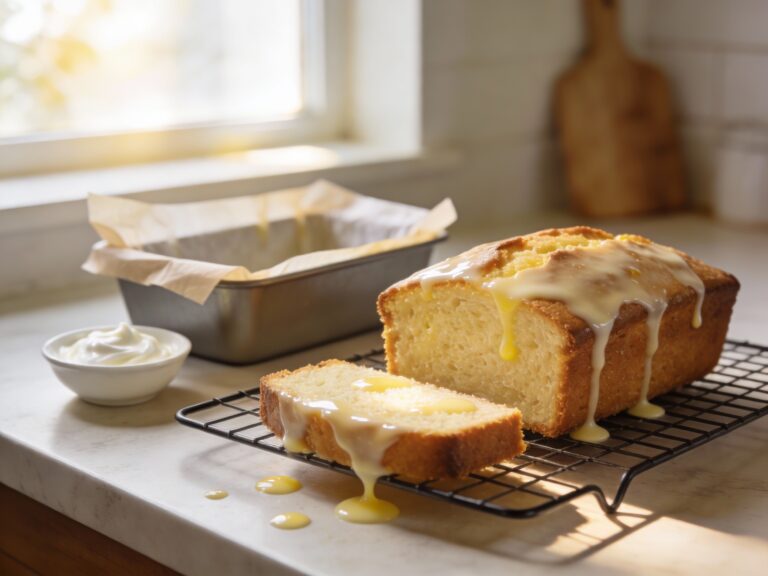
Try a dairy-free ganache made from melted dark chocolate and warm coconut cream, or a whipped coconut frosting for a lighter feel. You can also do a quick glaze with powdered sugar and lemon juice for low-effort shine. Just make sure the cake is fully cool first.
Final Thoughts
This cake proves you don’t need eggs or dairy to get the full “wow” effect. You need smart chemistry, good timing, and the confidence to stop stirring when it’s done. Make it once, then start acting like the friend who “just whips up cakes” casually. If you want, tell me your pan size and flavor goal, and I’ll tailor the bake time and variation to match.