Delicious Cake Recipes That Win Every Party Table
Seven crowd-pleasing cakes with foolproof steps, smart swaps, and storage tips so every slice tastes bakery-level without the stress.
You want a cake that makes people stop mid-sentence, stare, then ask, “Who made this?” Good. Because the difference between “nice” and “legendary” is usually one small move: moisture, balance, and a clean finish.
Most home cakes fail for boring reasons: dry crumbs, flat flavor, or frosting that tastes like sweet air. Fix those and you’re suddenly the person everyone “randomly” invites to bring dessert.
This guide gives you multiple cake options, but one playbook: big flavor, reliable texture, and steps that don’t require a pastry degree. You’ll get the kind of results that make store-bought cakes feel like a polite apology.
Ready to become suspiciously popular at birthdays, potlucks, and “just because” nights?
What Makes This Special

This isn’t a single recipe; it’s a choose-your-own-cake adventure built around the same winning fundamentals. You get a tight lineup of flavors that cover the classics and the “wow, you made that?” picks.
Each recipe leans on practical upgrades: buttermilk for tenderness, coffee to amplify chocolate, citrus zest for brightness, and simple syrups when you want ultra-moist crumbs without drama.
And yes, it respects real life. The instructions assume you own basic tools, you want predictable timing, and you’d prefer not to cry over a collapsed sponge.
What You’ll Need (Ingredients)
Mix and match from this master list depending on which cake you bake. If you want to keep it simple, stock the basics and pick one flavor path below.
- All-purpose flour
- Cake flour (optional for extra tenderness)
- Granulated sugar
- Brown sugar
- Unsalted butter
- Neutral oil (canola/vegetable)
- Eggs
- Buttermilk (or milk + lemon juice)
- Whole milk or heavy cream
- Sour cream or Greek yogurt
- Baking powder
- Baking soda
- Fine salt
- Vanilla extract
- Cocoa powder (Dutch or natural)
- Hot coffee or hot water (for chocolate batter)
- Dark chocolate (chips or chopped)
- Lemons or oranges (zest and juice)
- Ripe bananas
- Carrots (finely grated)
- Ground cinnamon
- Ground nutmeg (optional)
- Chopped nuts (walnuts/pecans, optional)
- Powdered sugar
- Cream cheese (for tangy frosting)
- Fresh berries (strawberries/raspberries)
- Jam or preserves
- Sprinkles (because joy)
Let’s Get Cooking – Instructions
Pick a cake style below and follow the steps. Each one uses the same core moves: measure accurately, don’t overmix, and let the cake cool before frosting (unless you enjoy melting sadness).
-
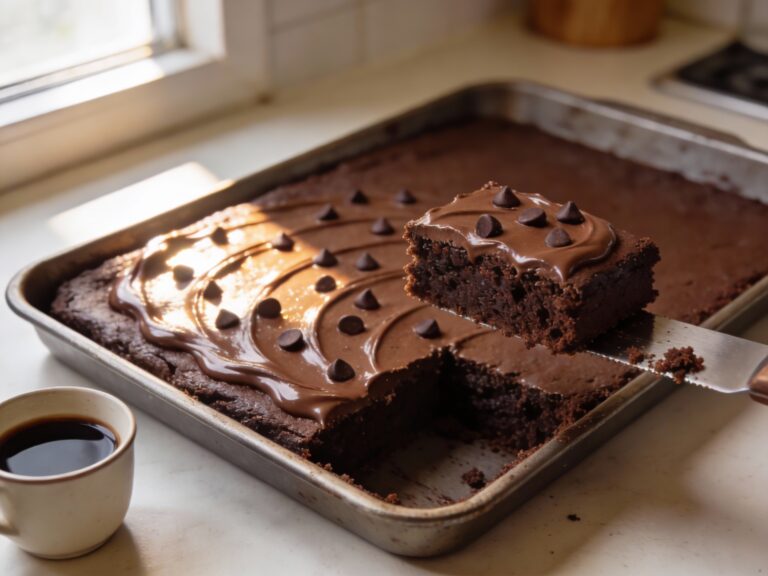
Chocolate Fudge Celebration Cake: Preheat oven to 350°F/175°C. Grease and line two 8-inch pans.
Whisk flour, cocoa, baking powder, baking soda, and salt. In another bowl, beat sugar with oil and eggs, then add vanilla.
Alternate dry mix with buttermilk, then pour in hot coffee and mix just until smooth. Bake 28–35 minutes, cool fully, frost with chocolate ganache or buttercream.
-
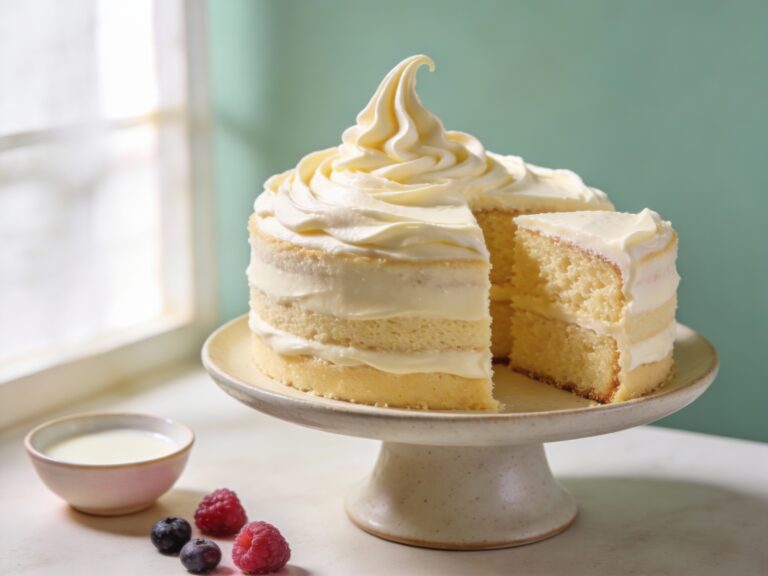
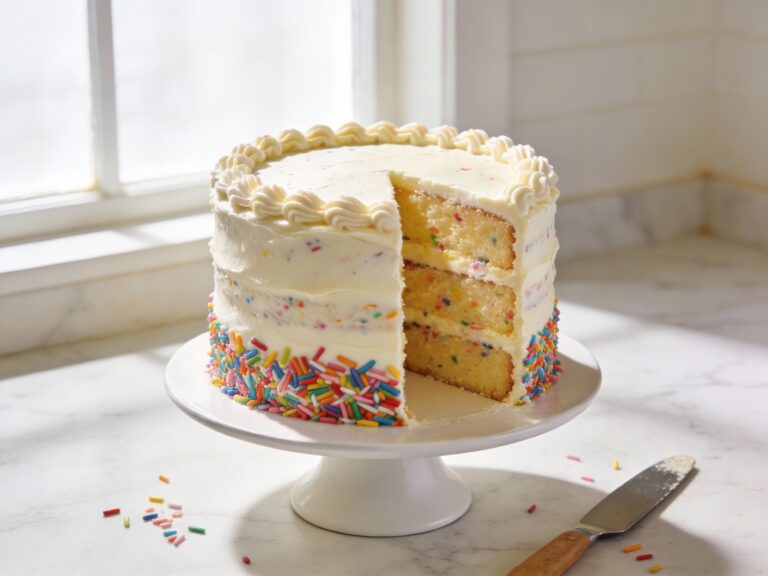
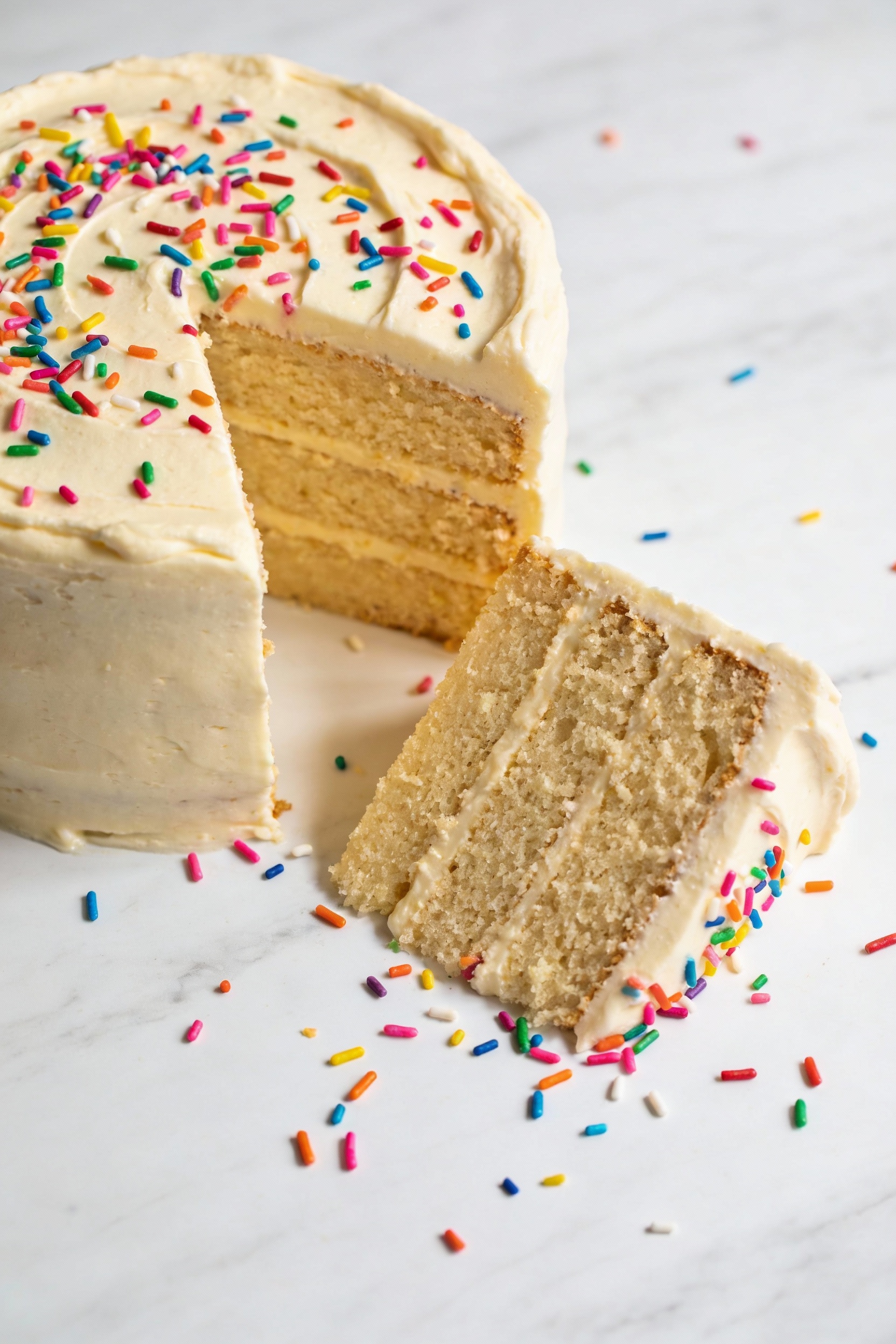
Classic Vanilla Birthday Cake: Preheat to 350°F/175°C and prep two 8-inch pans.
Cream butter and sugar until fluffy, then add eggs one at a time and vanilla. Add dry ingredients in 2–3 additions, alternating with milk or buttermilk.
Bake 25–33 minutes. Cool, then frost with vanilla buttercream and add sprinkles like you mean it.
-
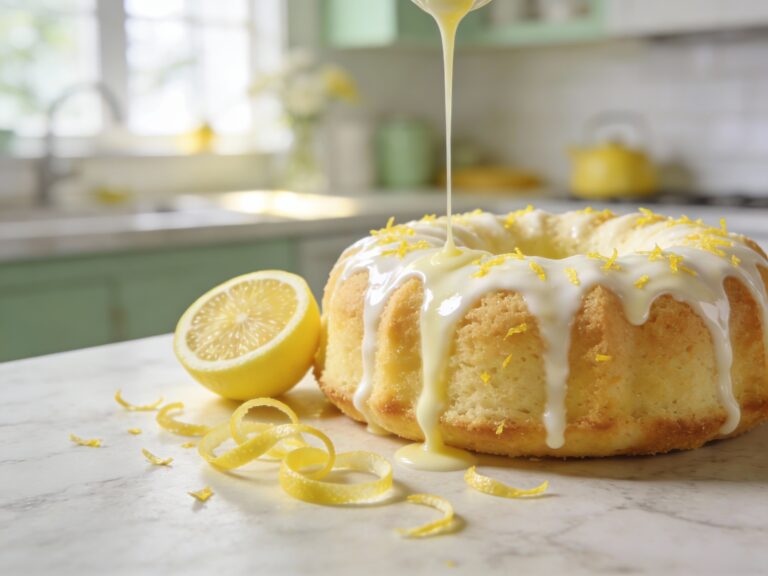
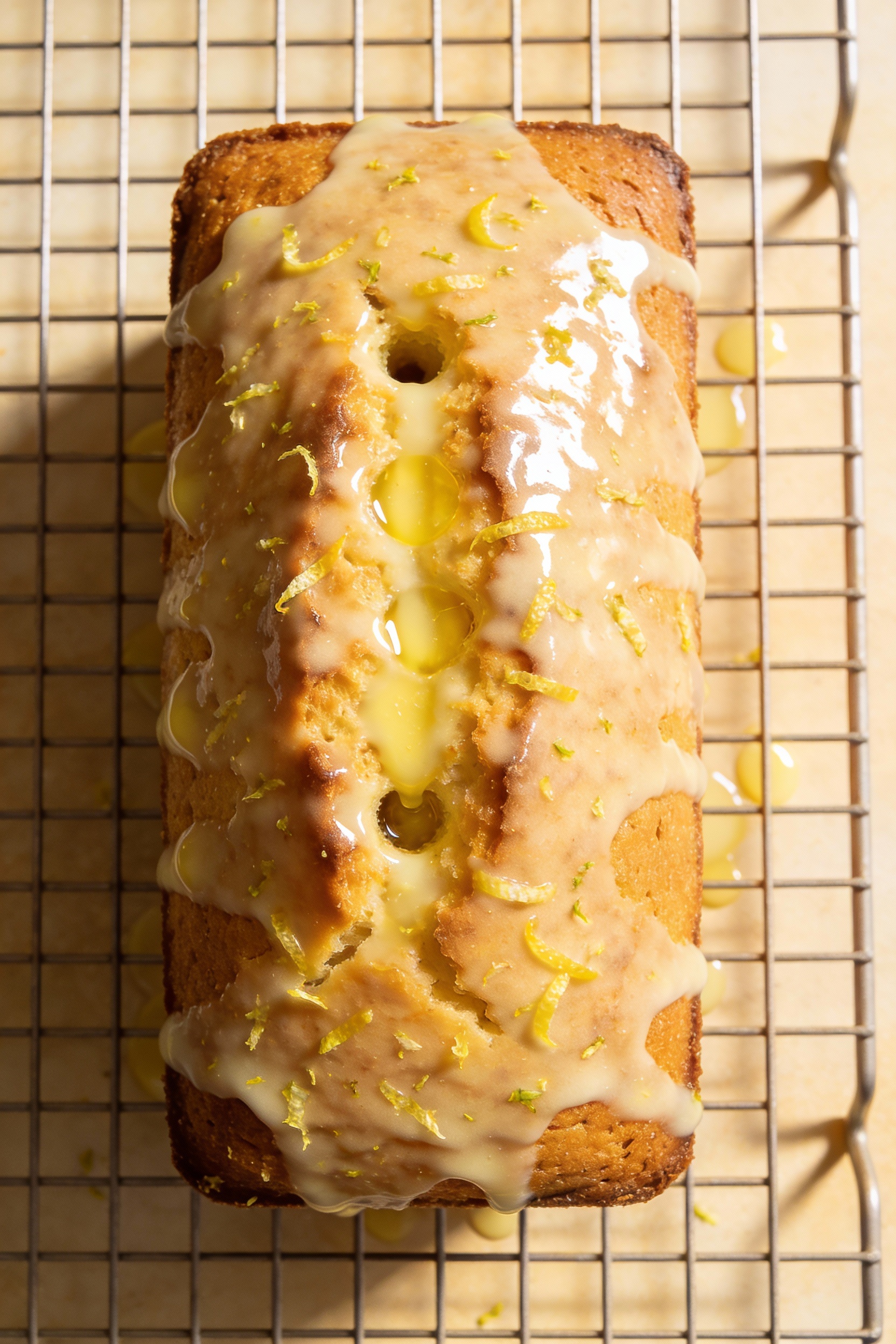
Lemon Zest Drizzle Cake: Preheat to 350°F/175°C. Grease a loaf pan or an 8-inch round.
Rub lemon zest into sugar with your fingers to release oils. Mix in butter, eggs, and yogurt, then fold in flour, baking powder, and salt.
Bake until a tester comes out clean. While warm, poke holes and drizzle lemon juice + sugar syrup for maximum moisture and punchy flavor.
-
Carrot Cake With Cream Cheese Frosting: Preheat to 350°F/175°C. Prep a 9×13 pan or two rounds.
Whisk flour, cinnamon, baking powder, baking soda, and salt. Stir in sugar, oil, eggs, and vanilla.
Fold in grated carrots (and nuts if using). Bake until set and springy. Cool completely, then frost with cream cheese frosting and a tiny pinch of salt for balance.
-
Banana Bread Cake (Yes, It’s a Thing): Preheat to 350°F/175°C and grease a loaf pan or 8-inch pan.
Mash ripe bananas with brown sugar, eggs, melted butter, and vanilla. Stir in flour, baking soda, salt, and optional cinnamon.
Bake until fragrant and deeply golden. Top with whipped cream cheese frosting or a simple powdered sugar glaze. IMO, this is the “midnight snack” champion.
-
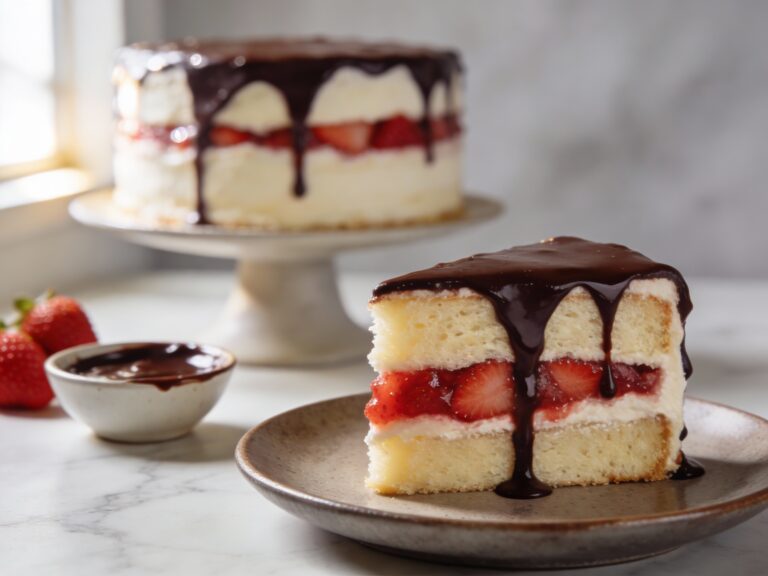
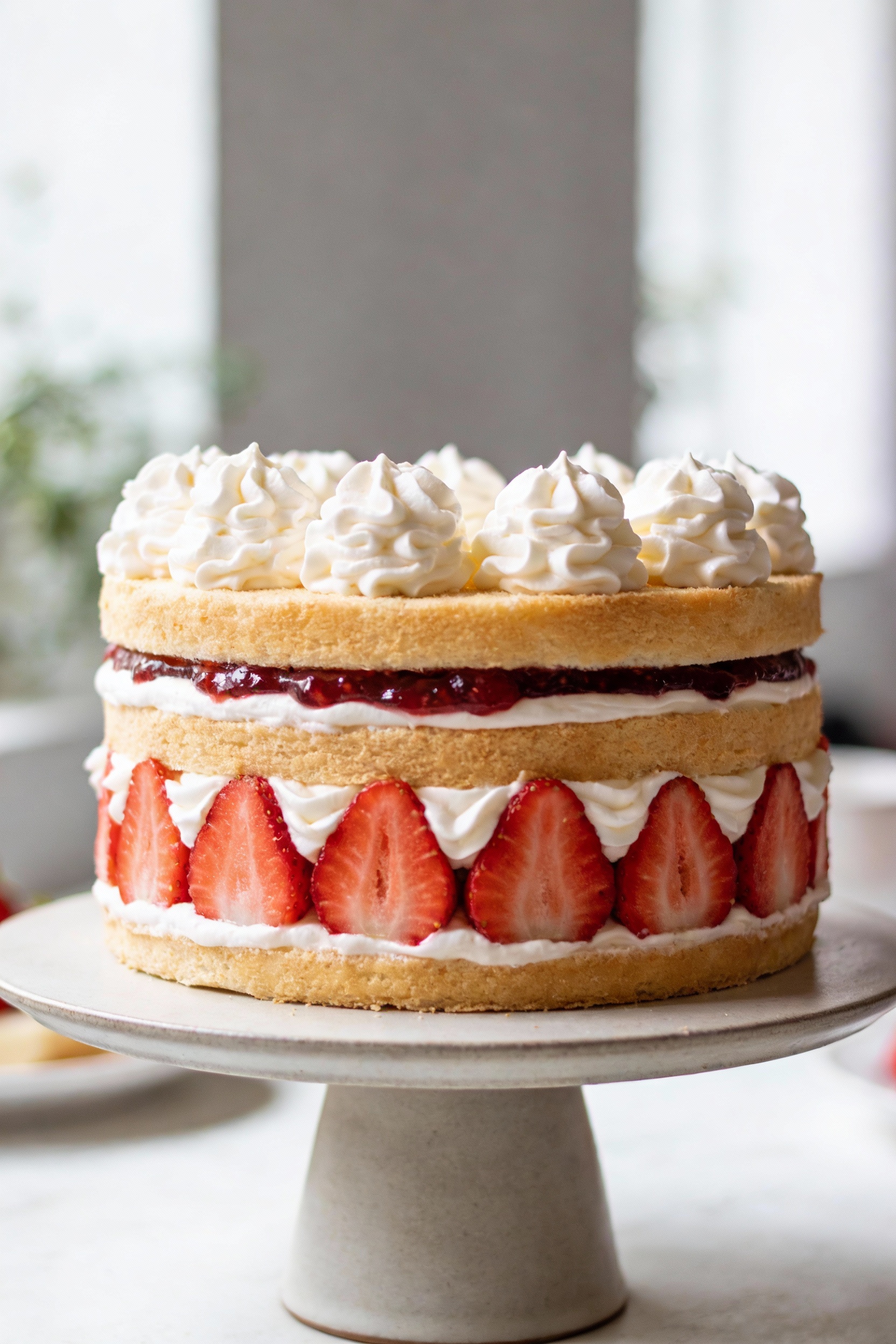
Strawberry Shortcake Layer: Preheat to 350°F/175°C. Make a light vanilla sponge using eggs, sugar, flour, baking powder, and a splash of milk.
Bake layers, then cool. Whip cream with a little powdered sugar and vanilla.
Layer cake with whipped cream and sliced strawberries (plus a thin swipe of jam for extra strawberry “loudness”). Chill before slicing for clean layers.
-
One-Bowl Snack Cake for Busy Humans: Preheat to 350°F/175°C and line an 8×8 or 9×9 pan.
Whisk flour, sugar, cocoa (or spices), baking soda, and salt right in the bowl. Add oil, vinegar, vanilla, and water; stir until just combined.
Bake 20–28 minutes. Dust with powdered sugar or pour a quick glaze. No mixer, no drama, no “why did I start this?” moment.
Storage Instructions
Let cakes cool completely before storing, or you’ll trap steam and turn the texture weird. Wrap unfrosted layers tightly in plastic wrap and keep them at room temperature for 1–2 days.
Store frosted cakes based on the frosting. Buttercream cakes can sit covered at cool room temperature for about a day; cream cheese or whipped cream cakes should go in the fridge in a covered container.
For longer storage, freeze unfrosted layers: wrap in plastic, then foil, and freeze up to 2–3 months. Thaw wrapped at room temperature so condensation forms on the wrap, not your cake. FYI, freezing often makes chocolate cake even better.
Health Benefits
Yes, it’s cake. No, it’s not a salad. But you can still choose ingredients that make each slice feel better and taste better.
Homemade cakes let you control portions and cut back on overly sweet frostings that dominate everything. You also avoid the “mystery preservatives” vibe that some store cakes bring to the party.
Some variations add real nutrition: bananas and carrots add fiber and natural sweetness, yogurt adds protein, and berries bring antioxidants. Balance matters; the goal is enjoyment without the sugar hangover.
Common Mistakes to Avoid
- Overmixing the batter: You want tender crumbs, not a chewy workout for your jaw.
- Wrong measuring: Scoop-and-pack flour can make cakes dry; spoon flour into the cup and level it.
- Skipping pan prep: Grease plus parchment saves you from the “it’s stuck forever” tragedy.
- Opening the oven too early: The cake collapses because you got curious at minute 10.
- Frosting warm cake: It melts, slides, and ruins your confidence for no reason.
- Flat flavor: Add salt, use vanilla properly, and don’t be shy with citrus zest or coffee in chocolate.
Variations You Can Try
Once you nail the base, you can remix flavors fast. Think of these like cheat codes for cake cravings.
- Mocha chocolate: Add espresso powder and a coffee buttercream.
- Orange-vanilla: Swap lemon zest for orange and add a splash of orange juice to the glaze.
- Chocolate chip vanilla: Fold in chips tossed with a teaspoon of flour to prevent sinking.
- Spiced carrot: Add ginger and a touch of cloves, plus toasted pecans.
- Banana-chocolate swirl: Drop spoonfuls of cocoa batter into banana batter and gently swirl.
- Berry swap: Use raspberries, blueberries, or a mixed-berry jam layer for shortcake-style cakes.
FAQ
How do I make cake more moist without making it dense?
Use buttermilk or yogurt for tenderness, add a little oil for lasting moisture, and stop mixing as soon as the flour disappears. If you want extra insurance, brush cooled layers with a simple syrup before frosting.
Can I substitute cake flour for all-purpose flour?
Yes. Cake flour gives a softer, finer crumb. If you only have all-purpose flour, you can still get great results by avoiding overmixing and measuring flour correctly.
Why did my cake sink in the middle?
Most sinks come from underbaking, opening the oven early, or using too much leavening. Make sure the center springs back lightly and a tester comes out clean before pulling it.
What’s the easiest frosting for beginners?
Vanilla buttercream wins for reliability: butter, powdered sugar, a splash of milk or cream, vanilla, and a pinch of salt. It spreads easily and forgives imperfect technique, unlike your group chat.
How do I get clean slices for photos?
Chill the cake for 30–60 minutes, then slice with a hot, dry knife. Wipe the blade between cuts. Clean edges make your cake look like it costs triple, which is hilarious and also useful.
Can I bake these as cupcakes instead?
Absolutely. Fill liners about two-thirds full and start checking at 16–20 minutes. Cupcakes bake faster, so don’t wait for the “full cake” timing unless you enjoy surprises.
In Conclusion
Great cake isn’t magic; it’s a handful of smart choices done consistently. Pick one recipe style, follow the core rules, and you’ll get a dessert that tastes intentional instead of accidental.
Start with the vanilla layer if you want a universal crowd-pleaser, or go chocolate fudge when you need instant applause. When you’re ready to level up, add zest, syrup, or a jam layer and watch people act like you secretly trained in Paris.
Make one this week, label it “just because,” and see how fast everyone suddenly finds time to visit.