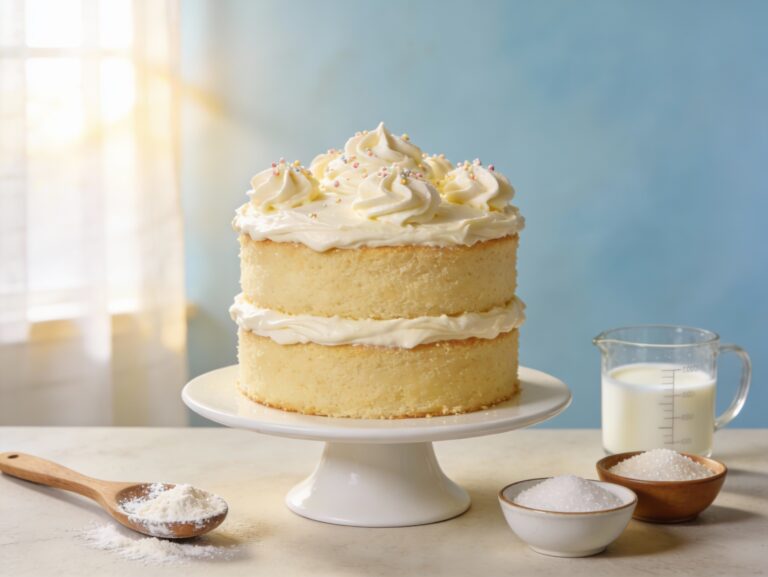
Yellow Cake Mix Recipes Boxed Hacks for Bakery-level Desserts
Turn one humble box into crowd-pleasing treats fast, with smart add-ins and simple swaps that taste like you tried.
You know that yellow cake mix in your pantry? It’s not “just in case” food. It’s a shortcut to desserts that make people ask, “Where did you buy this?”
The trick isn’t a secret ingredient from a wizard. It’s a few repeatable moves that upgrade texture, flavor, and wow-factor without turning your kitchen into a science lab.
Because let’s be honest: you want compliments, not a sink full of measuring cups. This guide gives you a go-to master hack plus multiple spins so you can look like the dessert person on command.
And yes, it works even if your baking vibe is “read the back of the box and hope.”
Why This Recipe Works
Boxed mix already nails the structure: balanced flour, leavening, and sugar. Your job is to improve the parts that scream “from a box” by boosting moisture, richness, and aroma.
Swapping water for dairy adds fat and protein, which makes the crumb feel tender and bakery-like. Adding an extra yolk increases richness and gives that classic yellow-cake flavor more depth.
Using melted butter instead of oil brings real flavor and a softer mouthfeel. A pinch of salt and a little vanilla sharpen everything, so the sweetness tastes intentional instead of flat.
Finally, mix gently and bake smart. Overmixing makes cake tough, and overbaking makes it dry. The hacks work, but timing still runs the show.
Shopping List – Ingredients
- 1 box yellow cake mix (15.25 oz or similar)
- 3 large eggs (plus 1 extra egg yolk)
- 1 cup whole milk (or buttermilk for tang)
- 1/2 cup unsalted butter, melted and cooled slightly
- 1 teaspoon vanilla extract
- 1/2 teaspoon fine salt
- Optional: 1/2 cup sour cream or plain Greek yogurt (extra moisture)
- Optional: 1/2 to 1 cup mix-ins (chocolate chips, sprinkles, crushed cookies, chopped nuts)
- Optional frosting: 1 tub vanilla frosting or homemade buttercream
- Optional upgrades: lemon zest, almond extract, cinnamon, instant espresso powder
How to Make It – Instructions
-
Preheat like you mean it. Heat the oven to 350°F. Grease and line a 9×13 pan, two 8-inch round pans, or a 12-cup muffin tin.
-
Swap the liquids. In a bowl, whisk milk, melted butter, vanilla, and salt. If you want extra plush cake, whisk in sour cream or Greek yogurt.
-
Upgrade the eggs. Add the 3 whole eggs plus 1 extra yolk. That yolk is small but mighty, like the friend who always brings snacks.
-
Add the mix last. Pour in the dry cake mix. Stir just until combined. Some small lumps are fine; overmixing is how cakes get a gym membership.
-
Fold in a flex. If using mix-ins, fold them in gently. For layered cakes, keep mix-ins small so slicing doesn’t turn into a demolition project.
-
Bake to the edge of done. Bake until a toothpick comes out with a few moist crumbs: 28 to 35 minutes for 9×13, 22 to 28 minutes for rounds, 16 to 20 minutes for cupcakes.
-
Cool before frosting. Let cakes cool 10 minutes in the pan, then fully on a rack. Frosting a warm cake sounds rebellious, but it ends in frosting soup.
-
Finish like a bakery. Frost, then add a simple topping: rainbow sprinkles, toasted coconut, shaved chocolate, or a dusting of powdered sugar. IMO, “simple but intentional” wins.
How to Store
Store unfrosted cake tightly wrapped at room temperature for up to 2 days. Keep it away from sunlight and heat, unless you enjoy “dry sponge” as a texture.
If frosted, cover and refrigerate for up to 5 days, especially if you used dairy-heavy frosting or a cream cheese style. Let slices sit at room temperature 20 to 30 minutes before serving for best softness.
For freezing, wrap individual slices in plastic wrap and then foil, or use an airtight container. Freeze up to 3 months and thaw overnight in the fridge or a few hours at room temperature.
FYI: cupcakes freeze beautifully. Just frost after thawing so the tops stay pretty.
Health Benefits
Let’s not pretend cake is kale, but you can still make smarter choices. Using milk or yogurt adds a bit of protein and calcium compared to water-only batter.
Portion control gets easier when you bake cupcakes or mini loaves. Smaller servings mean you can enjoy dessert without accidentally eating half a sheet cake “while cleaning.”
Adding nuts brings healthy fats and makes each bite more satisfying. Fruit additions like berries can add fiber and a fresher flavor that keeps you from overloading on frosting.
Most importantly, dessert can support consistency. A planned treat beats random snacking later, because your brain stops feeling deprived.
Pitfalls to Watch Out For
Overmixing: Stir until just combined. If you beat it into submission, gluten develops and your cake turns chewy in a way nobody requested.
Butter too hot: Cool melted butter slightly before adding, or you risk scrambling the eggs. Breakfast cake sounds fun, but not like that.
Overbaking: Pull it when you see moist crumbs, not when it’s bone-dry. Residual heat keeps cooking after you remove it.
Wrong pan size: A smaller pan can overflow and create a burnt edge situation. Use the pan size recommended or adjust bake time and keep an eye on it.
Frosting too soon: Warm cake melts frosting and makes layers slide. Patience makes you look like you know what you’re doing.
Alternatives
If you want different results without changing your whole routine, try these swaps and spins. Each one starts with the same base method, then tweaks flavor or texture.
- Buttermilk version: Use buttermilk instead of milk for a tangier, “from-scratch” taste.
- Lemon pop: Add 1 tablespoon lemon zest and 1 to 2 tablespoons lemon juice; top with a simple glaze.
- Almond bakery vibe: Replace 1/2 teaspoon vanilla with 1/2 teaspoon almond extract. It’s subtle, then suddenly everyone asks for the recipe.
- Cinnamon roll cake: Swirl in a mixture of brown sugar, cinnamon, and a little melted butter; drizzle with icing after cooling.
- Confetti party cake: Fold in 1/2 cup jimmies sprinkles; use vanilla frosting and more sprinkles because joy is allowed.
- Marble hack: Stir 2 tablespoons cocoa powder into 1 cup batter and swirl it back in for a quick marble effect.
- Cookie bar mode: Bake in a 9×13, slightly underbake, and add chocolate chips for thick, soft bars.
FAQ
Can I add an extra egg to boxed yellow cake mix?
Yes, and it’s one of the easiest upgrades. Adding a whole egg can make the cake firmer, while adding an extra yolk makes it richer and more tender. This recipe uses 1 extra yolk because it improves texture without turning the cake dense.
What’s the best swap for water in a cake mix?
Whole milk is the most reliable upgrade for moisture and flavor. Buttermilk adds a slight tang that reads “homemade,” and it pairs especially well with vanilla frosting. If you only have 2% milk, it still works.
Butter or oil: which makes a better boxed cake?
Butter usually tastes better because it adds real flavor and aroma. Oil can keep cakes moist longer, but it doesn’t bring that bakery-style richness. If you want the best of both worlds, use butter and don’t overbake.
How do I make boxed cake mix taste like a bakery cake?
Use milk instead of water, melted butter instead of oil, add an extra yolk, and don’t skip vanilla and salt. Then bake until just done and cool completely before frosting. These small moves stack up fast.
Can I turn this into cookies or bars instead of cake?
Yes. For bars, bake in a 9×13 and pull it a bit early so the center stays soft. For cookies, you typically need to reduce liquid and add more fat, then scoop and bake like drop cookies; the texture becomes more chewy than cakey.
What mix-ins work best with yellow cake?
Chocolate chips, sprinkles, toasted coconut, and chopped nuts all work well. Keep mix-ins to about 1/2 to 1 cup so the cake still holds together. If you add fruit, pat it dry so it doesn’t sink or make the crumb gummy.
Can I make it ahead for a party?
Absolutely. Bake the cake a day ahead, wrap it well, and frost the day of serving for the freshest look. If you need more lead time, freeze the unfrosted cake layers and thaw before decorating.
The Bottom Line
A yellow cake mix box isn’t cheating; it’s leverage. With a few high-impact swaps, you get a softer crumb, better flavor, and desserts that look and taste like they cost more than they did.
Stick to the master method, then pick one upgrade path: tangy buttermilk, almond bakery vibes, confetti chaos, or cinnamon swirls. Keep the mixing gentle, pull it before it dries out, and let it cool before frosting.
Do that, and your “quick dessert” suddenly becomes the thing people request. Which is great, until you realize you’re now responsible for bringing dessert to everything.