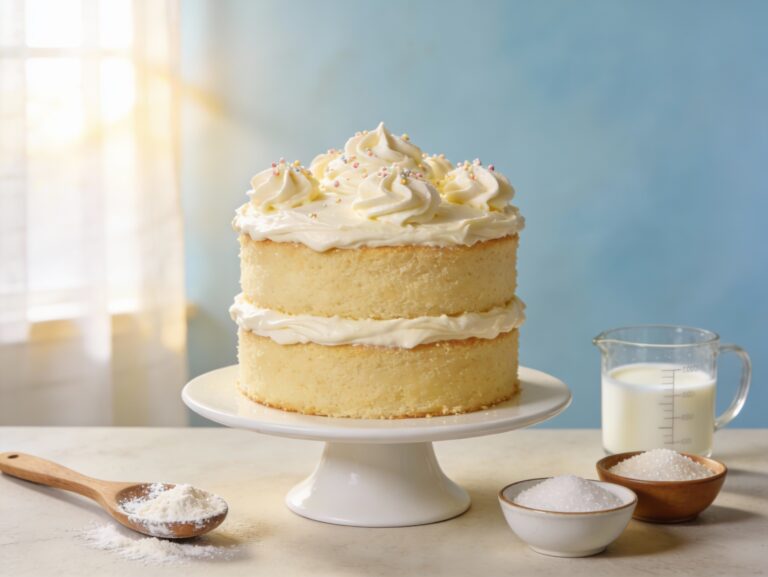
Cake Box Mix Recipes That Taste Like Bakery Magic
Turn one boxed mix into rich, crowd-pleasing cakes fast using simple upgrades, bold flavors, and zero-stress steps.
You know that moment when you need a dessert that looks like you tried… but you also have a life? Good. This is your shortcut to cakes that get “Who made this?” reactions without the “I tempered chocolate for three hours” backstory. Box mix is the base, not the finish line. With a few smart swaps and a couple “cheater” add-ins, you can pull off a fluffy, moist, high-flavor cake that disappears before it cools.
Here’s the real flex: consistency. Scratch cakes can be amazing, but they can also be moody—dry one day, dense the next. A mix gives you a reliable structure so you can focus on the upgrades that actually move the needle: richer fat, extra moisture, stronger flavor, and a frosting that tastes like you didn’t buy it in a tub (even if you did).
What Makes This Recipe So Good
It tastes homemade because you change the parts people can taste. Most of a cake’s “wow” comes from moisture, fat, vanilla, and texture—not the fact that you sifted flour like it’s a personality trait.
It stays soft for days. The add-ins help the crumb hold onto moisture, so you don’t end up with that sad, dry slice that needs a glass of milk and a pep talk.
It scales to any occasion. Sheet cake for a party, cupcakes for a bake sale, a layer cake for a birthday—same batter, different outfit. And yes, you can make it look fancy with minimal effort. That’s kind of the point.
It’s hard to mess up. The method bakes evenly and forgivingly. Even if your oven runs hot or you got distracted scrolling, you still land in “delicious” territory. IMO, that’s the dream.
Ingredients Breakdown
This base formula upgrades one standard box (about 15.25 ounces). Choose your flavor and customize from there.
- 1 box cake mix (any flavor)
- 4 large eggs (instead of the usual 3)
- 1 cup whole milk (or buttermilk for extra tang)
- 1/2 cup melted unsalted butter (instead of vegetable oil)
- 1 (3.4 ounce) box instant pudding mix (vanilla works with almost everything)
- 1 teaspoon vanilla extract (or 1/2 teaspoon almond extract for a bakery vibe)
- 1/4 teaspoon fine salt (optional, but it sharpens flavor)
- 1 cup sour cream or plain Greek yogurt (for moisture and a tender crumb)
- Optional mix-ins: 1 cup chocolate chips, sprinkles, crushed cookies, toasted nuts, or mini marshmallows
Optional frosting ideas (choose one):
- 2 tubs store-bought frosting plus 1/2 cup whipped butter and a pinch of salt (quick “homemade-ish” fix)
- Simple buttercream: butter, powdered sugar, vanilla, milk, pinch of salt
- Ganache: chocolate + warm cream (the “I’m classy” option)
Step-by-Step Instructions
-
Preheat and prep. Heat oven to 325°F for layers or 350°F for cupcakes (use what your pans like). Grease pans well and line with parchment if you want clean, drama-free release.
-
Whisk the dry team. In a large bowl, combine cake mix and instant pudding mix. Break up any pudding lumps now so they don’t show up later like tiny flavor rocks.
-
Add the liquids. Pour in milk, melted butter (not piping hot), eggs, vanilla, and salt. Add sour cream or yogurt last so it blends smoothly.
-
Mix like you mean it, then stop. Beat for about 2 minutes until the batter looks thick and glossy. Don’t keep going forever; overmixing turns “soft” into “rubbery,” and nobody wants that.
-
Fold in the fun stuff. If you’re using chips, cookies, or nuts, fold them in gently. Save a small handful to sprinkle on top for that bakery “finish” people fall for.
-
Fill the pans evenly. For layers, divide batter evenly. For cupcakes, fill liners about 2/3 full. Consistency matters more than your vibes here.
-
Bake and don’t guess. Bake until a toothpick comes out with a few moist crumbs, not wet batter. Typical ranges: 22–28 minutes for cupcakes, 28–35 minutes for 8-inch layers, 35–45 minutes for a 9×13.
-
Cool the right way. Cool in the pan 10 minutes, then turn out onto a rack. Frosting + warm cake equals a melted mess. Unless you want “abstract art” icing, wait.
-
Frost like a pro in disguise. Level layers if needed. Add a thin crumb coat, chill 15 minutes, then apply the final frosting. This is the cheat code for clean sides without tears.
-
Make it look expensive. Add sprinkles, curls of chocolate, crushed cookies, or a drizzle of ganache. People eat with their eyes first, and your cake deserves good PR.
How to Store
Room temperature: If your frosting isn’t super perishable, cover the cake tightly and keep it at room temp for up to 2 days. A cake dome or inverted bowl over a plate works if you don’t have a fancy container.
Refrigerator: For cream cheese frosting or anything dairy-heavy, refrigerate up to 5 days. Let slices sit out 20–30 minutes before serving so the crumb softens and the flavors wake up.
Freezer: Freeze unfrosted layers wrapped tightly in plastic wrap and foil for up to 2 months. Thaw overnight in the fridge, then frost. FYI, freezing often improves texture because it locks in moisture.
Health Benefits
Let’s not pretend cake is a wellness supplement. But you can still make choices that feel better while keeping the “worth it” factor.
Portion control gets easier with cupcakes. Individual servings reduce the accidental “I cut a slice the size of my face” situation. You can also freeze extras and avoid eating the whole thing just because it exists.
Protein bumps are possible. Using Greek yogurt adds a little protein and tang, and it helps the cake stay moist without relying only on oil. It’s not a gym snack, but it’s a smarter moisture source.
Mental health counts. Bringing dessert to a gathering or making a birthday cake at home builds connection. If a simple shortcut helps you show up, that matters more than baking purity points.
What Not to Do
Don’t overbake. Most box cakes die by dryness, not lack of flavor. Pull it when the center springs back lightly and the toothpick shows moist crumbs.
Don’t mix on high for ages. You want air, not gluten gymnastics. Two minutes of mixing usually nails it, then stop before the batter turns tough.
Don’t add extra liquid “because it seems thick.” Thick batter can be a good sign here. The pudding and sour cream create richness, and that’s how you get that plush crumb.
Don’t frost a warm cake. That’s not “rustic,” it’s just melted frosting sliding off like it’s trying to escape. Cool fully, then decorate.
Don’t rely on a weak vanilla. If your extract tastes like sadness, your cake will too. Use a decent vanilla or add a little almond extract to punch up the aroma.
Alternatives
If you want to customize for diet, pantry, or vibe, these swaps keep the results strong.
- Dairy-free: Use unsweetened oat milk or almond milk and a plant-based butter. Swap sour cream with dairy-free yogurt.
- Lighter texture: Replace one egg with 1/4 cup applesauce for a slightly softer, less rich crumb.
- Extra-decadent: Add an extra egg yolk and use buttermilk. This pushes the cake into “restaurant dessert” territory.
- Chocolate overload: Use chocolate mix, chocolate pudding, and stir in espresso powder (1–2 teaspoons). Coffee doesn’t make it taste like coffee; it makes it taste like more chocolate.
- Funfetti upgrade: Use white or yellow mix, vanilla pudding, and fold in 1/2 cup rainbow sprinkles plus a pinch of salt. It tastes like childhood, but better behaved.
- Layered poke cake: Bake in a 9×13, poke holes, pour sweetened condensed milk or flavored pudding, chill, then top with whipped topping or frosting.
FAQ
Can I use this upgrade method on any flavor of mix?
Yes. Vanilla pudding works with most flavors, but you can match pudding to the mix for a stronger theme. Chocolate with chocolate, lemon with vanilla, spice with vanilla, strawberry with cheesecake or vanilla.
Do I have to use instant pudding?
No, but it’s one of the highest-impact upgrades for moisture and texture. If you skip it, keep the milk and sour cream and consider adding an extra tablespoon of flour if the batter seems unusually thin.
Why replace oil with butter?
Butter adds flavor, period. Oil can keep cakes moist, but it doesn’t bring the same richness. If you want the best of both worlds, use 1/4 cup butter and 1/4 cup neutral oil.
Can I make these into cupcakes or a bundt cake?
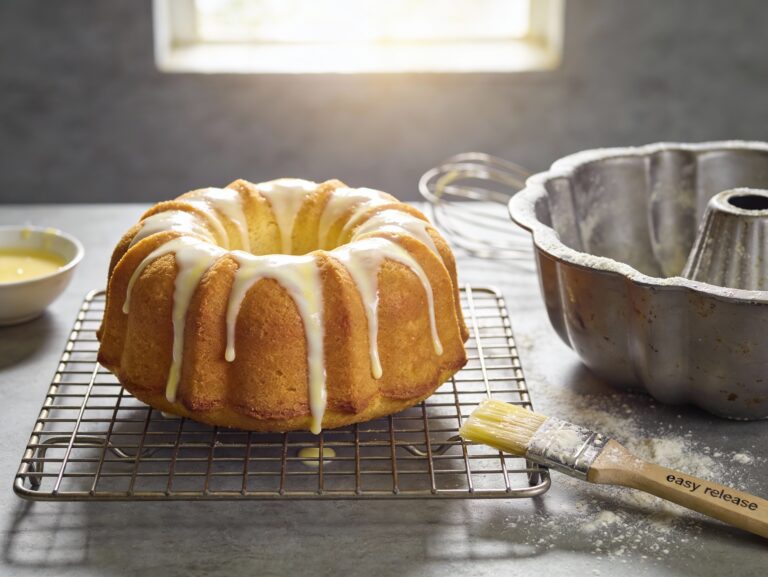
Absolutely. Cupcakes bake faster and stay moist with the sour cream. For a bundt, grease aggressively and bake longer at 325°F, checking early and often because every pan behaves differently.
How do I make store-bought frosting taste better?
Whip it with softened butter and a pinch of salt, then add vanilla or a spoon of cocoa powder. You’re basically giving it structure and flavor so it stops tasting like straight sugar.
What’s the best way to keep layers from sliding?
Chill the layers before frosting, use a thicker frosting between layers, and don’t overfill the middle. A simple crumb coat plus a quick chill makes stacking way less stressful.
Can I reduce sugar?
You can, but tread carefully because sugar affects moisture and texture. Start by reducing sweet add-ins (like chips or frosting) and consider a lighter frosting layer rather than changing the mix itself.
The Bottom Line
Boxed mix isn’t “cheating”; it’s leverage. You start with a reliable base, then upgrade the ingredients that actually change flavor and texture. The result tastes like effort, looks like confidence, and takes a fraction of the time.
If you want one rule to remember: add richness, add moisture, and don’t overbake. Do that, and your next cake will earn compliments you didn’t even ask for. And honestly, that’s the whole game.