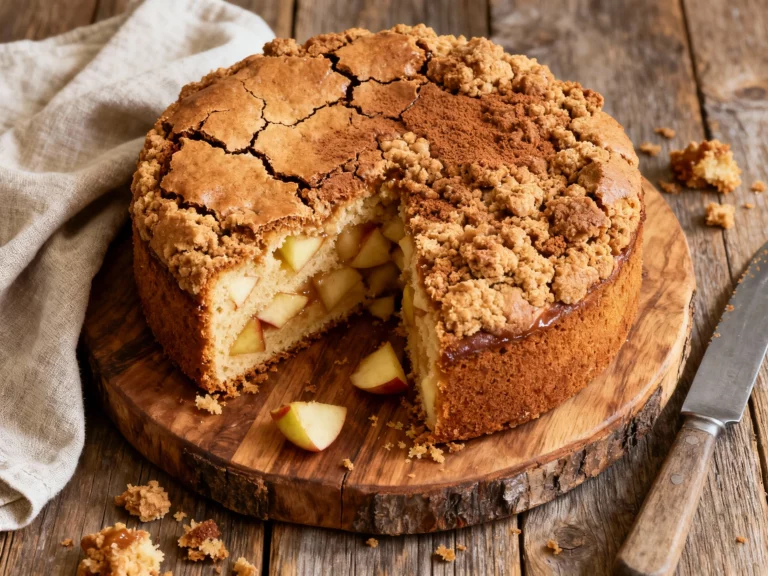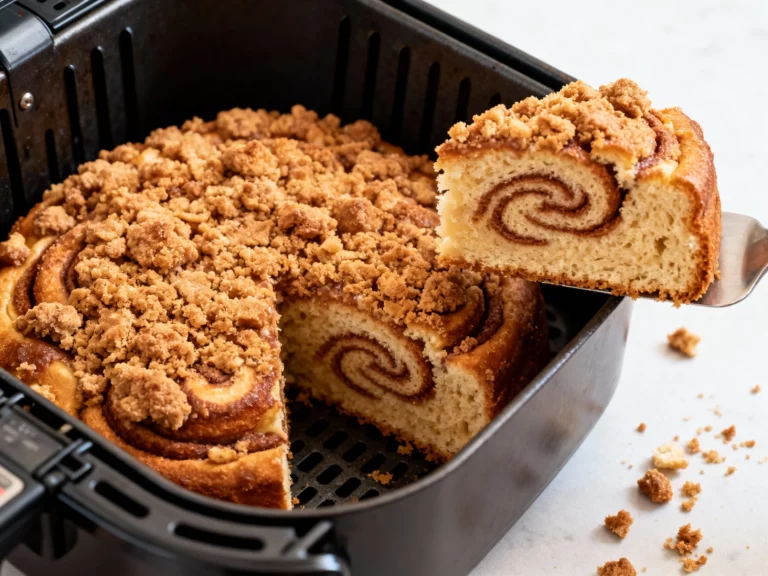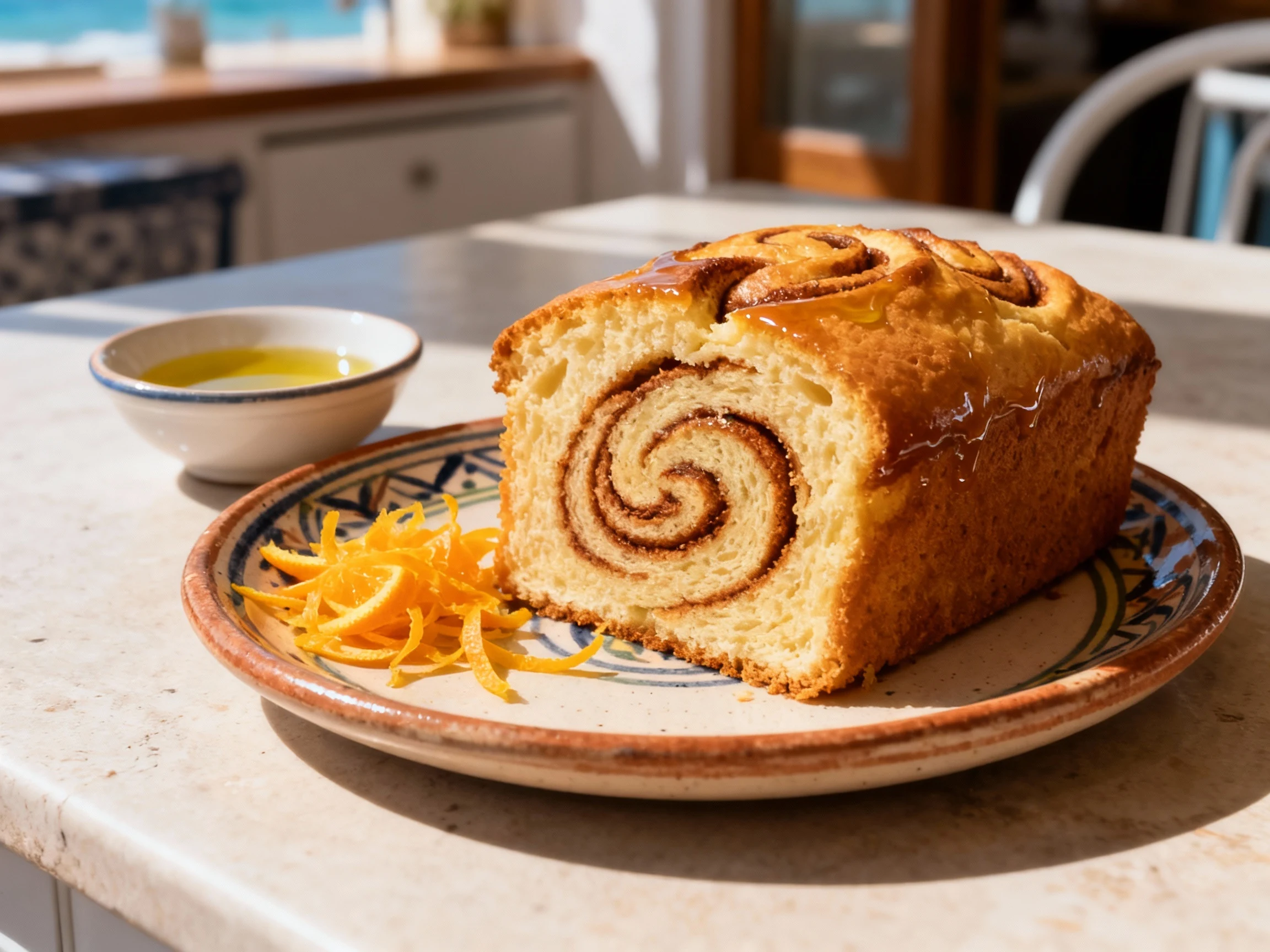
Mediterranean Cinnamon Cake Recipes With Olive Oil & Orange
A fluffy, glossy-crumb cinnamon cake with olive oil and orange that tastes bakery-level, but bakes fast on a weeknight.
You know that moment when you want “something sweet” but refuse to commit to a three-hour baking saga? This is that cake. It comes out smelling like a seaside cafe, even if you’re in sweatpants, standing in a normal kitchen, questioning your life choices. Olive oil makes the crumb ridiculously tender, orange wakes up the whole pan, and cinnamon does what cinnamon always does: makes people hover near the oven. If someone asks what’s in it, just smile like it’s a secret family recipe.
What Makes This Recipe So Good
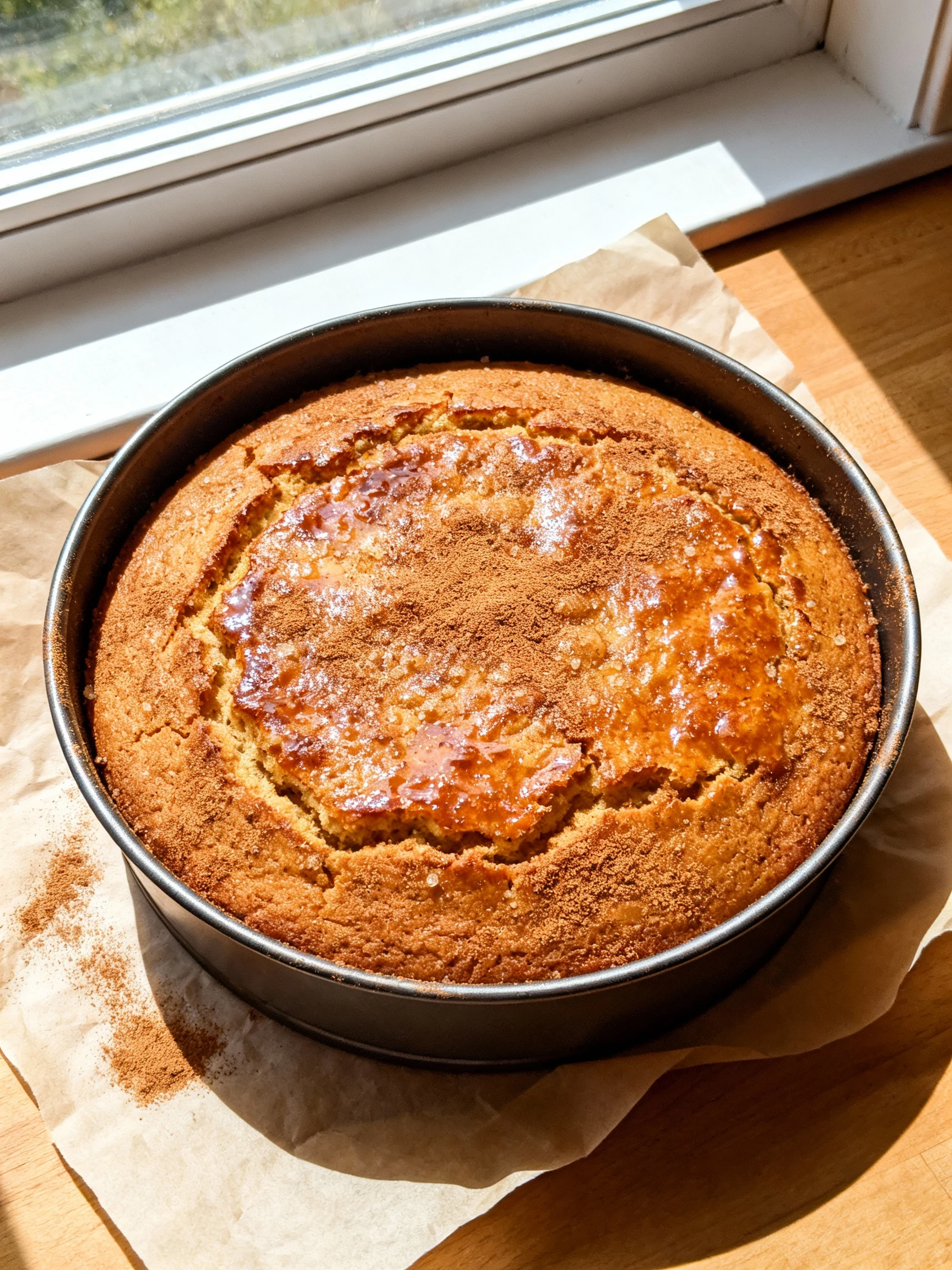
Olive oil keeps the cake moist for days, not hours. Butter can be amazing, but olive oil makes a plush crumb that doesn’t dry out the second you look away. It also adds a gentle, fruity depth that feels “grown-up dessert” without turning into a lecture about terroir.
Orange zest and juice do two jobs: they perfume the batter and sharpen the cinnamon so it tastes brighter, not dusty. The zest gives you the aromatic punch, while the juice adds tang and helps balance sweetness. Translation: the cake tastes lively instead of flat.
Cinnamon carries the whole vibe. Warm, familiar, and instantly comforting, it turns a simple olive oil cake into something that feels like a celebration. Plus, it pairs with orange like they’ve been best friends since forever.
One-bowl energy (almost) makes this a repeat bake. You don’t need fancy equipment, and you don’t need to separate eggs like you’re auditioning for a cooking show. You just need a whisk, a pan, and the courage to zest an orange without shredding your knuckles.
Ingredients Breakdown
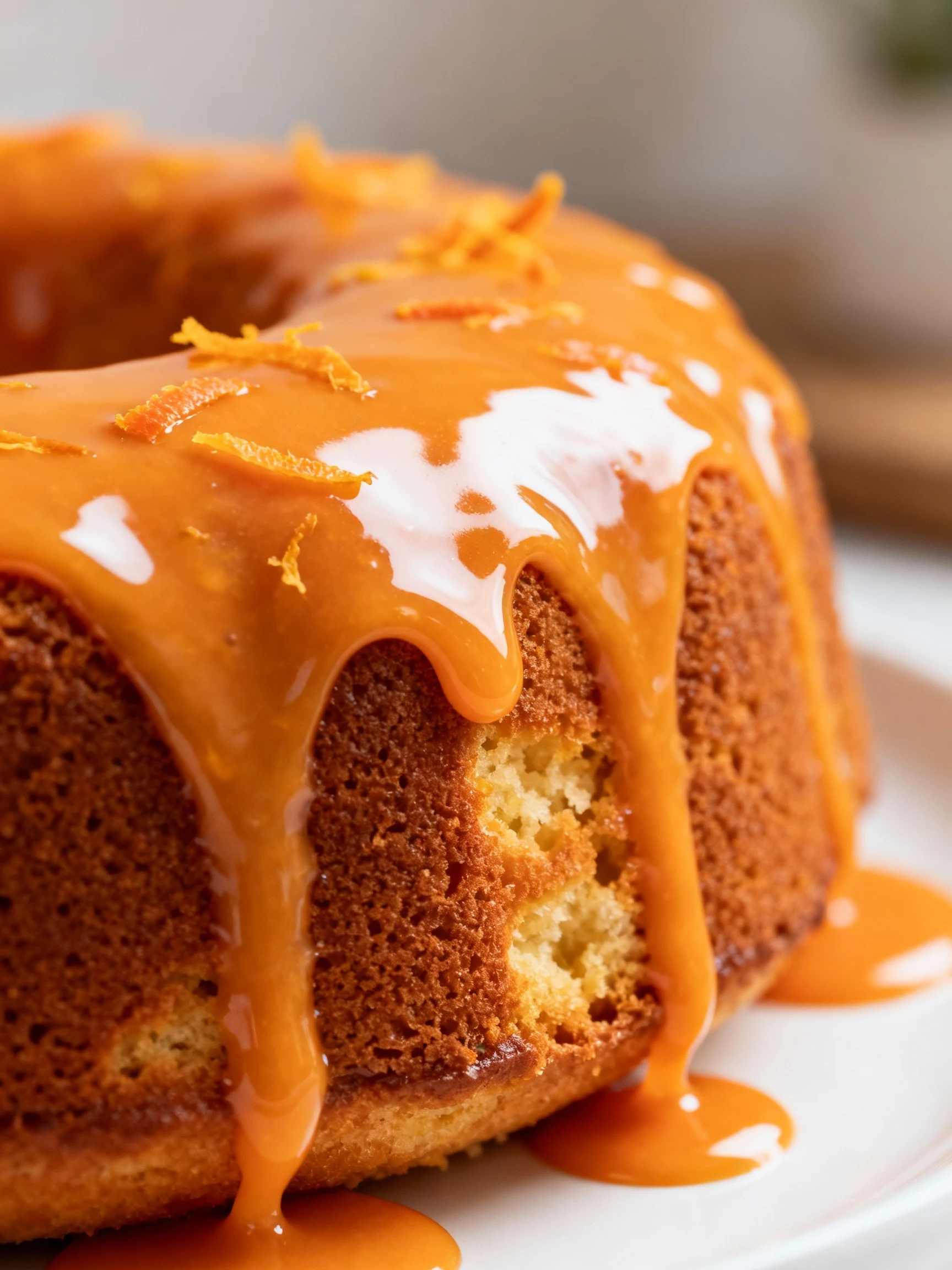
This recipe makes one 9-inch round cake or one 8-inch square cake. If you want a taller cake, use a 9-inch springform pan and don’t overfill.
- All-purpose flour: 2 cups (about 260 g), spooned and leveled
- Baking powder: 2 teaspoons
- Baking soda: 1/2 teaspoon
- Fine salt: 1/2 teaspoon
- Ground cinnamon: 2 teaspoons, plus extra for finishing
- Large eggs: 2, at room temperature
- Granulated sugar: 3/4 cup (150 g)
- Light brown sugar: 1/4 cup (50 g), packed
- Extra-virgin olive oil: 3/4 cup (180 ml), choose smooth and fruity, not aggressively bitter
- Orange zest: zest of 2 oranges
- Fresh orange juice: 1/2 cup (120 ml)
- Plain yogurt: 1/2 cup (120 g), full-fat preferred
- Vanilla extract: 2 teaspoons
- Optional crunchy topping: 2 tablespoons turbinado sugar mixed with 1/2 teaspoon cinnamon
Optional glaze (highly recommended if you want that “I bought this” look):
- Powdered sugar: 1 cup (120 g)
- Orange juice: 2 to 3 tablespoons
- Pinch of salt: tiny, but it matters
- Extra orange zest: 1/2 teaspoon for the top
Cooking Instructions
-
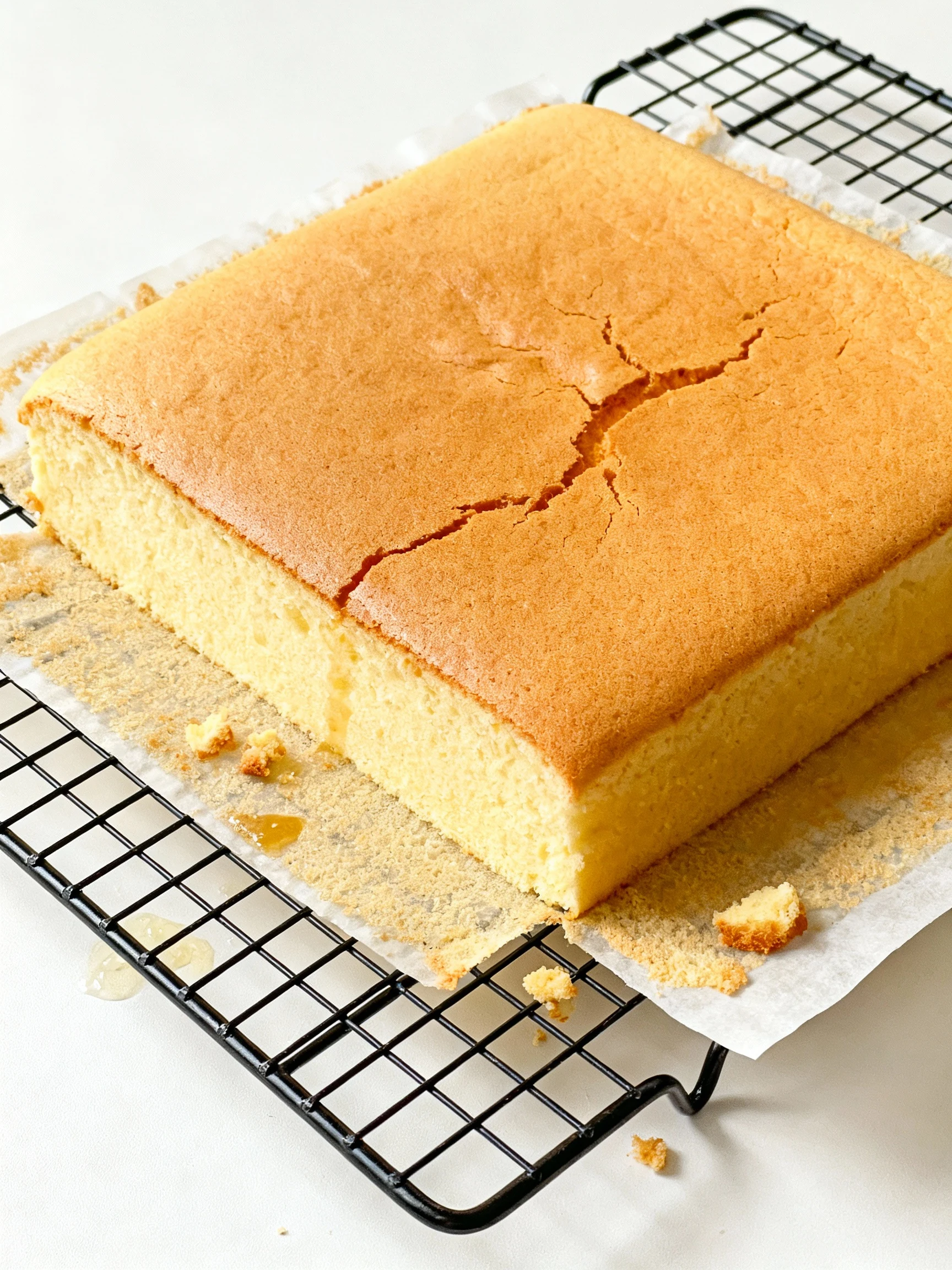
Heat and prep. Preheat the oven to 350°F (175°C). Grease your pan and line the bottom with parchment. If you skip parchment, you may end up performing a tragic “cake excavation,” and no one wants that.
-
Mix dry ingredients. In a medium bowl, whisk flour, baking powder, baking soda, salt, and cinnamon. Whisking now means fewer lumps later, and fewer lumps means fewer regrets.
-
Whisk the wet base. In a large bowl, whisk eggs, granulated sugar, and brown sugar until glossy and slightly lighter, about 30 seconds. Add olive oil in a steady stream while whisking so it emulsifies and turns silky.
-
Add the flavor boosters. Whisk in orange zest, orange juice, yogurt, and vanilla. The batter will smell like you just opened a fancy candle, but better because you can eat it.
-
Bring it together. Add the dry mix to the wet mix and fold gently with a spatula until you no longer see dry streaks. Stop there. Overmixing builds tough structure, and this cake wants to be soft, not determined.
-
Pan and top. Pour the batter into the prepared pan and smooth the top. Sprinkle the optional turbinado-cinnamon topping for a crackly, bakery-style finish.
-
Bake. Bake 35 to 45 minutes, depending on your pan and oven. Start checking at 33 minutes. A toothpick should come out with a few moist crumbs, not wet batter.
-
Cool with patience. Cool in the pan for 15 minutes, then run a knife around the edges and turn out onto a rack. Let it cool completely before glazing, unless you enjoy watching glaze melt into a puddle. IMO, puddles are tasty, but they’re not photogenic.
-
Glaze and finish. Whisk powdered sugar, orange juice, and a pinch of salt until thick but pourable. Drizzle over the cooled cake, then scatter a bit of zest and a light dusting of cinnamon on top.
Keeping It Fresh
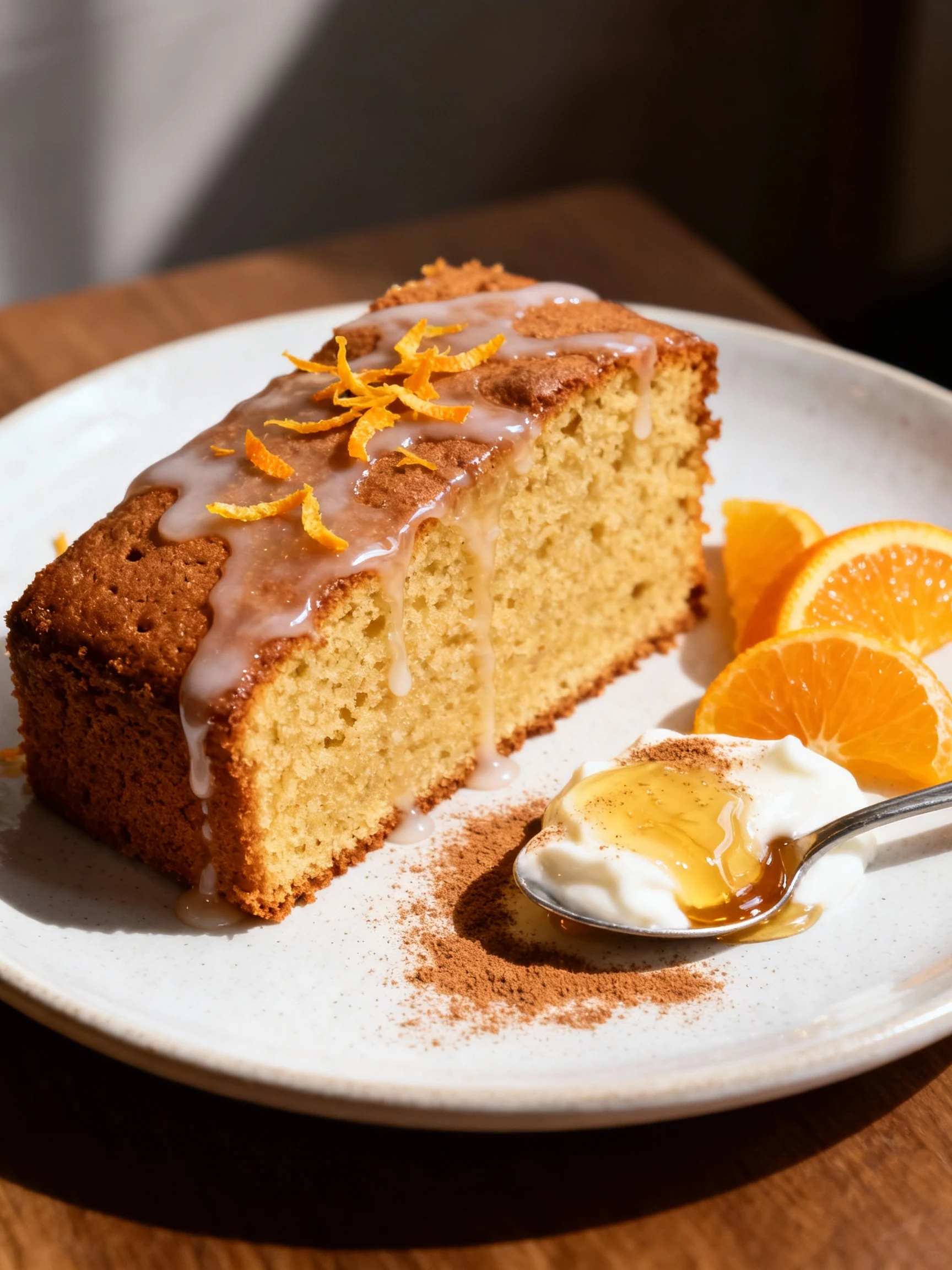
Store the cake at room temperature under a cake dome or wrapped well for up to 3 days. Olive oil cakes stay tender, so you won’t wake up to a sad, stale brick. If you glaze it, keep it loosely covered so the top doesn’t get sticky.
For longer storage, refrigerate up to 5 days, but let slices sit out 20 minutes before eating. Cold temperatures mute the orange and cinnamon, and this cake deserves to be loud. If you want maximum flavor, room temp wins every time.
To freeze, wrap individual slices in plastic wrap, then store in a freezer bag for up to 2 months. Thaw at room temperature. If you’re planning ahead, freeze unglazed slices and glaze after thawing for the prettiest finish.
Benefits of This Recipe
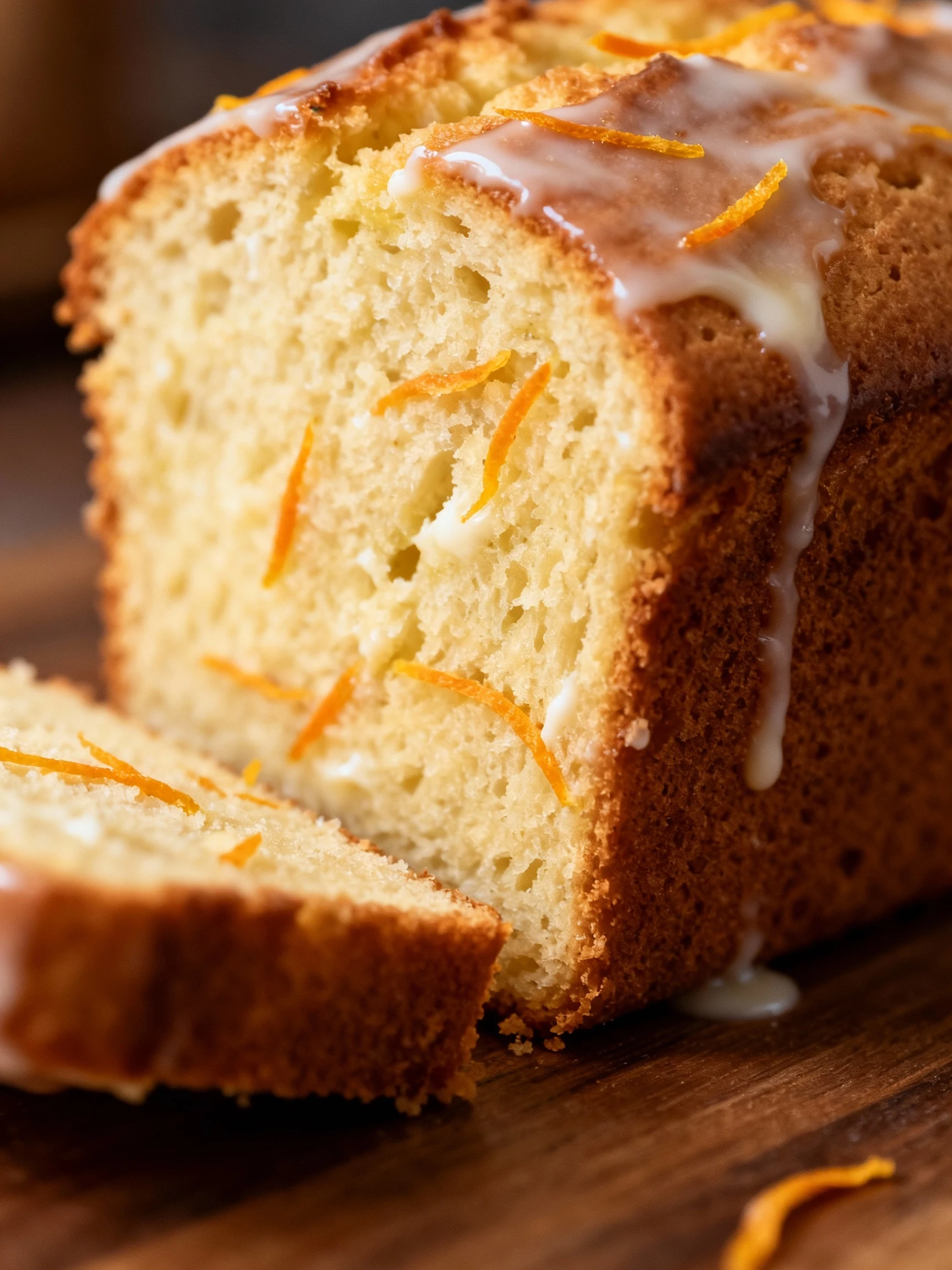
It’s forgiving. No creaming butter, no stand mixer required, and no complicated technique. You can whisk this by hand and still get a tender crumb, which feels almost unfair.
It tastes expensive. Orange zest and olive oil create a layered flavor that reads “Mediterranean cafe,” not “I threw cinnamon into a random batter.” Your kitchen will smell like you have your life together, FYI.
It holds up. This is a rare cake that improves after a few hours as the flavors settle. Make it in the morning, serve it at night, and act like you planned it.
It fits multiple moments. Breakfast slice with coffee, afternoon snack, dessert with fruit, or a casual dinner-party closer. One cake, many personalities.
Don’t Make These Errors
Using super bitter olive oil. If your olive oil tastes peppery-bitter enough to make you cough, it can dominate the cake. Pick a smooth, fruity extra-virgin olive oil, or blend half EVOO and half mild olive oil.
Skipping the zest. Orange juice alone won’t deliver the same aroma. Zest holds the fragrant oils, which is where the magic hides. Zest first, then juice, so you don’t try to zest a slippery orange like a villain.
Overmixing the batter. Once flour goes in, mix gently and stop as soon as it’s combined. Overmixing makes the cake tight and chewy, and cinnamon cake should never feel like a workout.
Overbaking “just to be safe.” Dry cake is not safer, it’s just dry. Pull it when the toothpick shows moist crumbs and the center springs back lightly when touched.
Glazing while warm. Warm cake melts glaze and makes it disappear into the crumb. Let it cool fully if you want that clean drizzle look.
Mix It Up
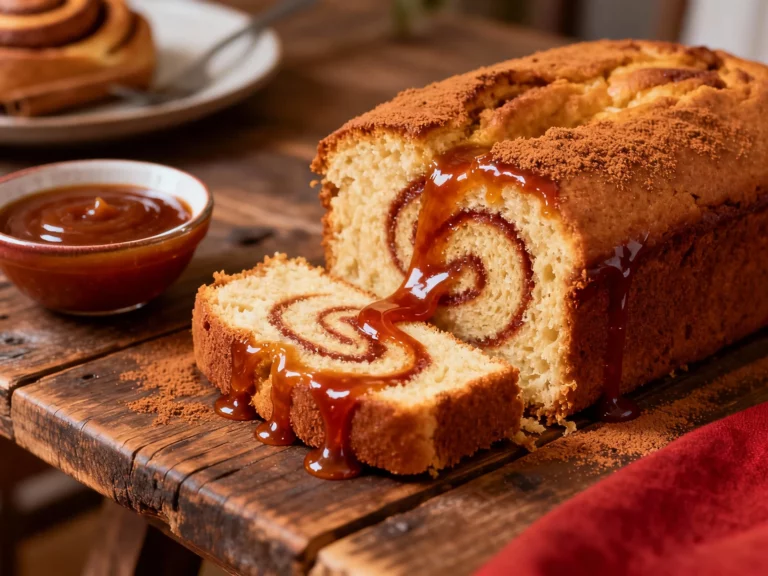
Make it a swirl cake. Pour half the batter into the pan. Mix 2 tablespoons sugar with 2 teaspoons cinnamon and sprinkle it over, then add the rest of the batter. Drag a knife through in a few figure-eights for a cinnamon ribbon.
Add nuts for crunch. Fold in 1/2 cup chopped toasted walnuts or almonds. Nuts play nicely with orange and cinnamon, and they make each bite more interesting.
Go a little floral. Add 1 teaspoon orange blossom water to the wet ingredients. Keep it subtle. Too much and it tastes like you baked perfume.
Make it mini. Bake in a muffin tin for 18 to 22 minutes. You’ll get crisp edges, faster bake time, and portion control that you’ll ignore after the second one.
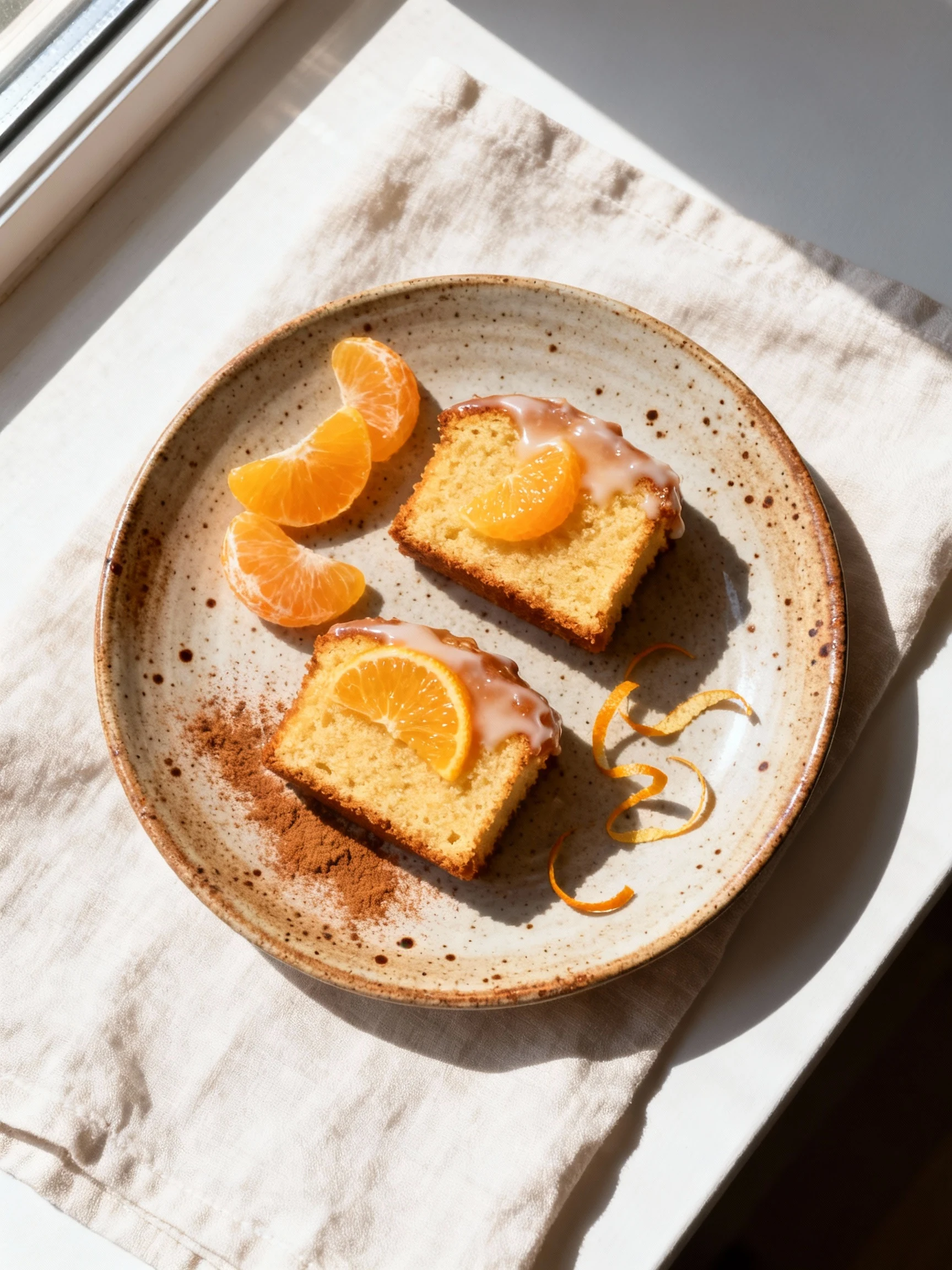
Turn it into a dessert plate. Serve slices with Greek yogurt sweetened with honey, plus fresh orange segments. It feels fancy, but it’s basically “put delicious things next to each other,” which is a valid strategy.
FAQ
Can I make this cake without yogurt?
Yes. Swap the yogurt for sour cream, or use 1/2 cup buttermilk. If you use buttermilk, reduce the orange juice slightly (use 1/3 cup) so the batter doesn’t get too thin.
What kind of olive oil works best?
Choose a smooth, fruity extra-virgin olive oil. Avoid very pungent, bitter oils unless you love a strong olive finish. If you’re unsure, taste a teaspoon first; if it tastes pleasant, it will bake well.
Can I use whole wheat flour?
You can replace up to half the all-purpose flour with whole wheat flour. The cake will taste heartier and slightly denser, so don’t push it to 100% unless that’s your thing.
How do I know when it’s done baking?
Look for a golden top, edges pulling slightly from the pan, and a toothpick that comes out with a few moist crumbs. If the center jiggles, it needs more time, but add minutes in small steps.
Can I make it ahead for guests?
Yes, and it’s actually better that way. Bake it the day before, cool completely, wrap tightly, and glaze a few hours before serving. The flavors deepen and the crumb stays soft.
What if I only have mandarins or clementines?
Use them. The zest will be extra fragrant and slightly sweeter. You may need a couple more to reach the same juice volume, but the flavor payoff is worth it.
In Conclusion
This cinnamon-olive oil-orange cake delivers big flavor with low drama. You get a soft, fragrant crumb, a bright citrus lift, and that warm cinnamon finish that makes people “just one more slice” themselves into happiness. Bake it once and it becomes your go-to when you want something impressive without the chaos. And if anyone asks for the recipe, you can pretend you’re still deciding whether they’re ready for it.