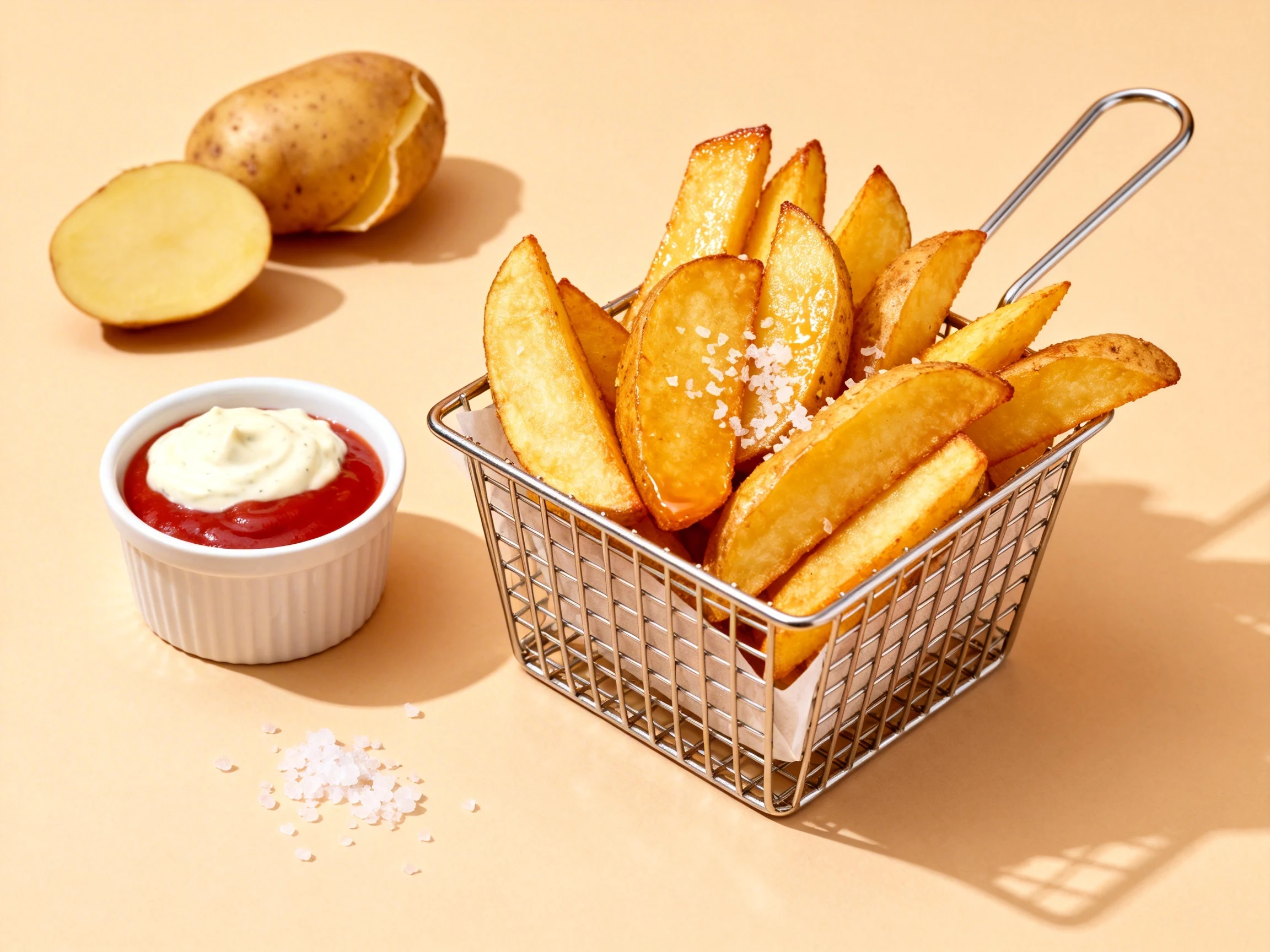
Air Fryer Chips Potatoes That Taste Deep-fried Fast
Golden, crunchy fries-style chips with less oil and a faster cook time—perfect for weeknights, snack attacks, and picky eaters.
You want that loud crunch, the salty edge, and the “wait, these aren’t deep-fried?” reaction. You also want it without a greasy pot, oil splatter on your backsplash, and a kitchen that smells like a carnival for two days. Good news: the air fryer is basically a cheat code for crispy potato chips-style fries. The bad news? Most people still manage to make them limp, pale, or weirdly dry. Let’s fix that today.
Why This Recipe Works
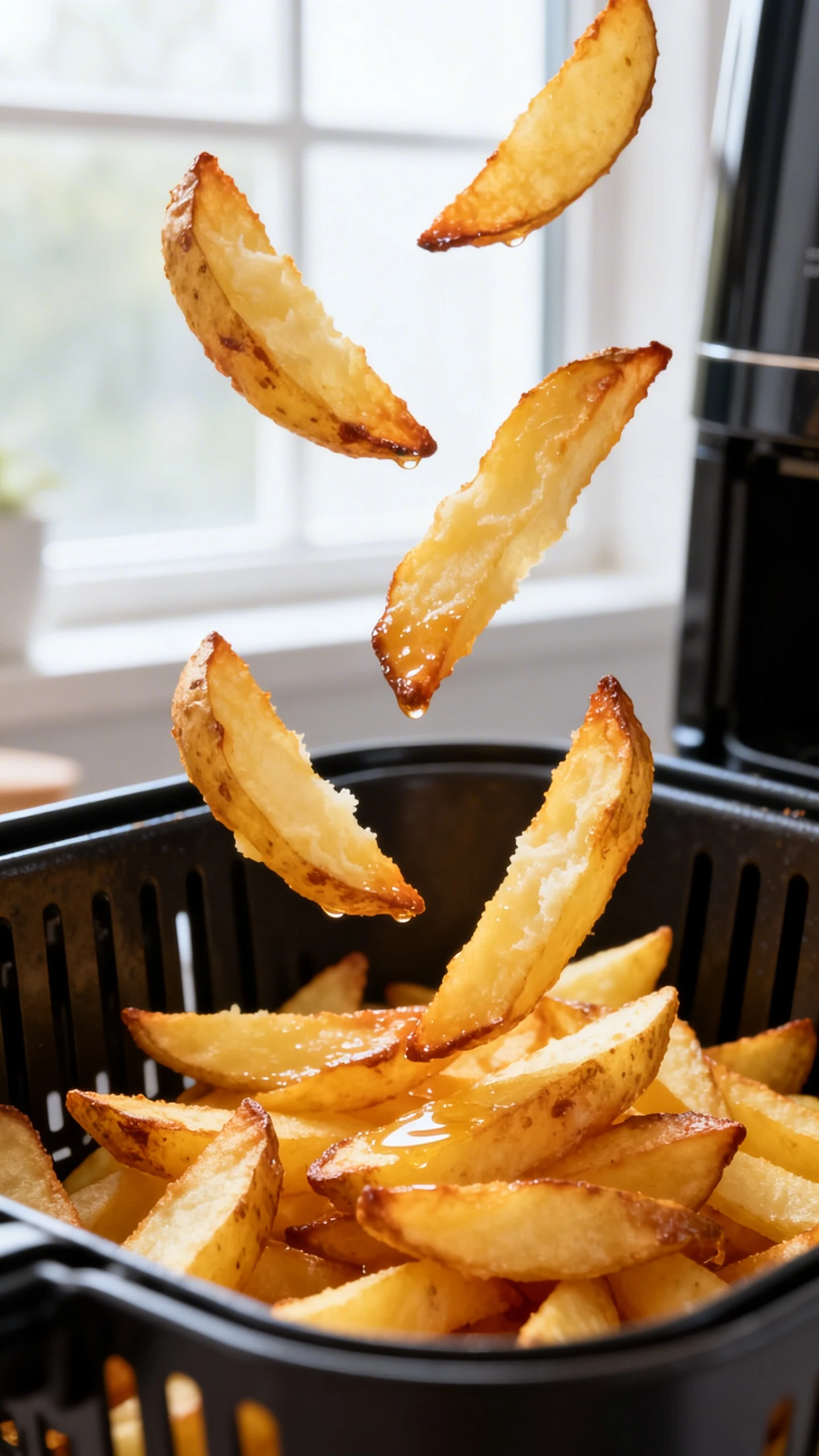
It nails the big three: proper potato choice, surface prep, and heat management. Those are the levers that control crunch, color, and fluffy centers—no magic dust required.
Soaking removes excess surface starch that can glue slices together and block browning. Drying aggressively stops steaming, because steam is the sworn enemy of crispiness.
A small amount of oil plus high convection heat builds a thin, blistered crust. The shake-and-check method keeps every piece exposed to airflow, so you don’t end up with “top rack crispy, bottom rack sad.”
What Goes Into This Recipe – Ingredients
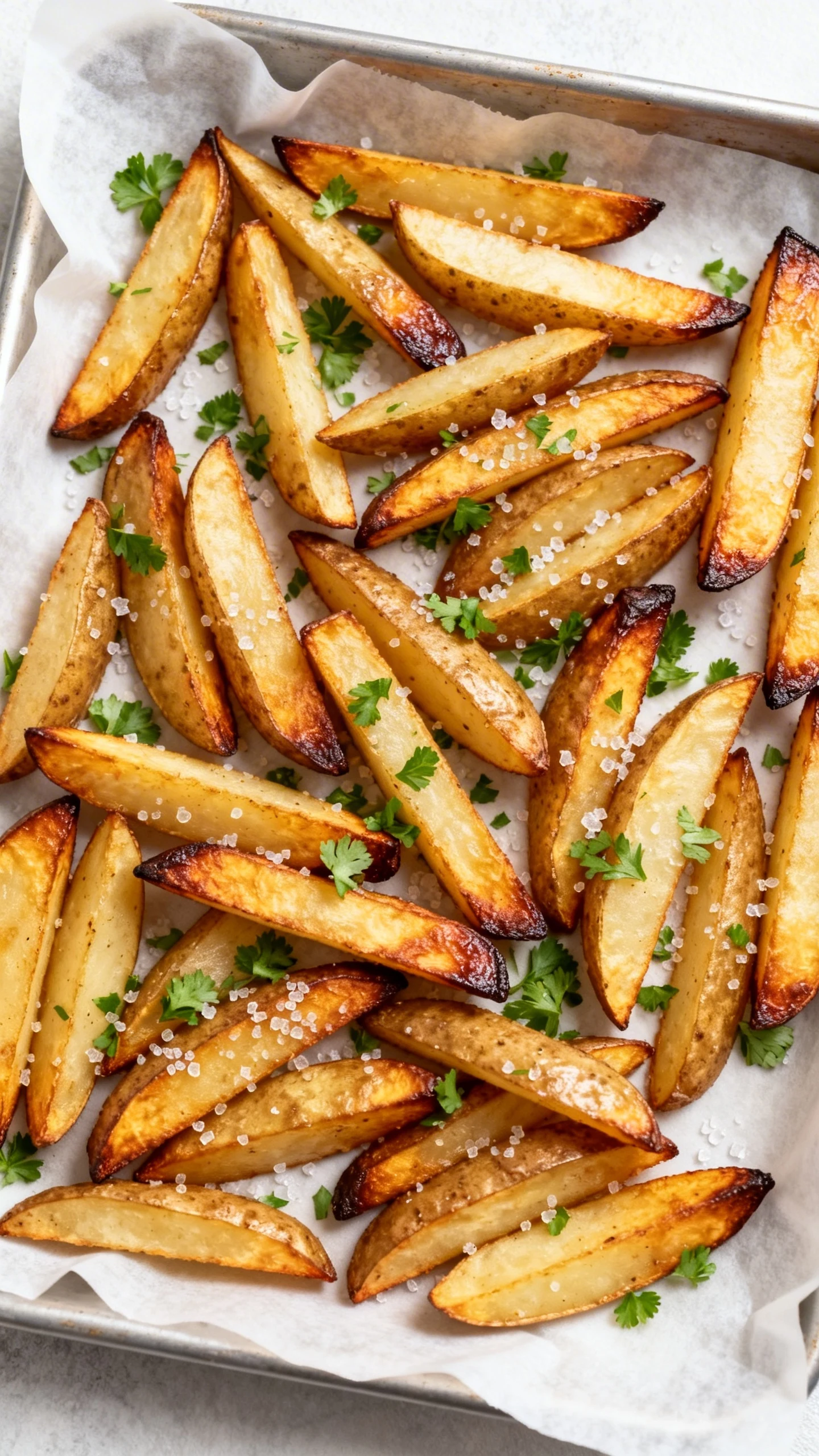
- Potatoes: Russet for maximum crisp and fluffy insides, or Yukon Gold for slightly creamier centers
- Neutral oil: Avocado, canola, grapeseed, or light olive oil
- Kosher salt: Add after cooking for best crunch
- Optional seasoning: Garlic powder, smoked paprika, onion powder, or seasoned salt
- Optional crunch helper: Cornstarch (tiny amount) for extra crisp edges
- Optional finishing: Fresh parsley, grated Parmesan, or a squeeze of lemon
- For serving: Ketchup, mayo, aioli, ranch, or your favorite dipping sauce
Cooking Instructions
-
Pick your cut and commit. For “chip-like” fries, slice potatoes into thin batons about 1/4 inch thick. For true chip rounds, slice 1/8 inch thick and plan for a shorter cook time.
-
Soak for better crisp. Drop the cut potatoes into a bowl of cold water for 20 to 30 minutes. If you’re in a hurry, even 10 minutes helps—don’t tell perfectionists I said that.
-
Dry like it’s your job. Drain, rinse quickly, then pat dry with a clean towel until the pieces feel dry to the touch. Any leftover water turns into steam, and steam turns into disappointment.
-
Season in the right order. Toss with 1 to 2 teaspoons oil per medium potato. Add optional spices now, but save most of the salt for after cooking to protect the crunch.
-
Optional: add cornstarch for extra bite. Sprinkle 1 teaspoon cornstarch per 2 medium potatoes and toss until it disappears. You won’t taste it, but you’ll hear it when you bite.
-
Preheat the air fryer. Preheat to 380°F for 3 minutes. This helps the exterior start crisping immediately instead of slowly sweating.
-
Load in a single layer (mostly). Add potatoes in a loose layer with minimal overlap. If you crowd the basket, you’ll steam them. If you must cook a lot, do it in batches and keep the first batch warm in a low oven.
-
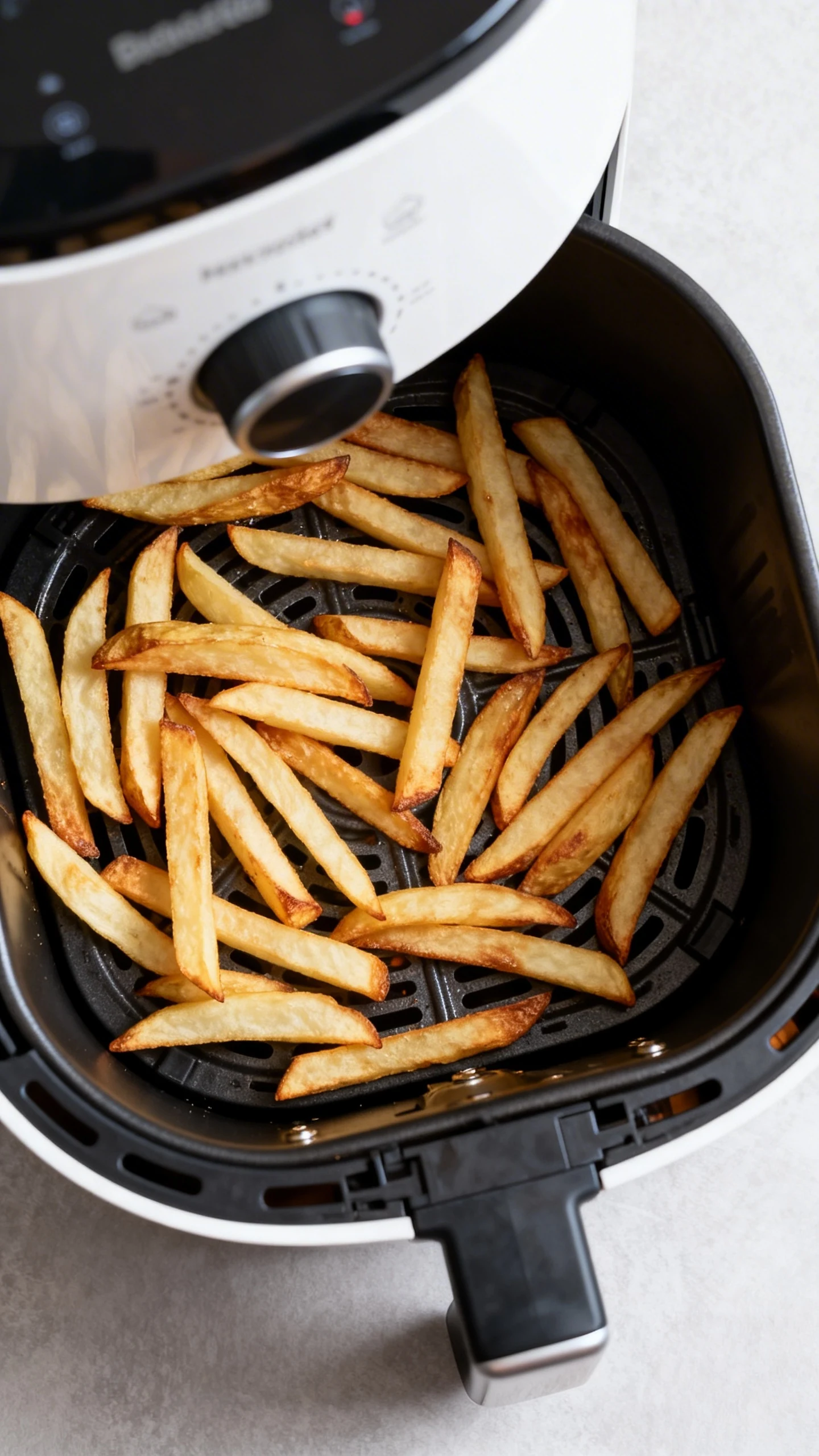
Cook, shake, and rotate. Air fry at 380°F for 12 to 16 minutes for 1/4-inch fries, shaking every 4 to 5 minutes. For thin chip rounds, start checking at 7 minutes and pull the darker ones early.
-
Finish hot for real browning. Bump to 400°F for the last 2 to 4 minutes if you want deeper color and extra crunch. Watch closely—things go from “golden” to “whoops” fast.
-
Salt after cooking, always. Immediately toss with kosher salt and any finishing toppings. Then try not to eat half the batch “just to test.” IMO, testing is mandatory.
Storage Instructions
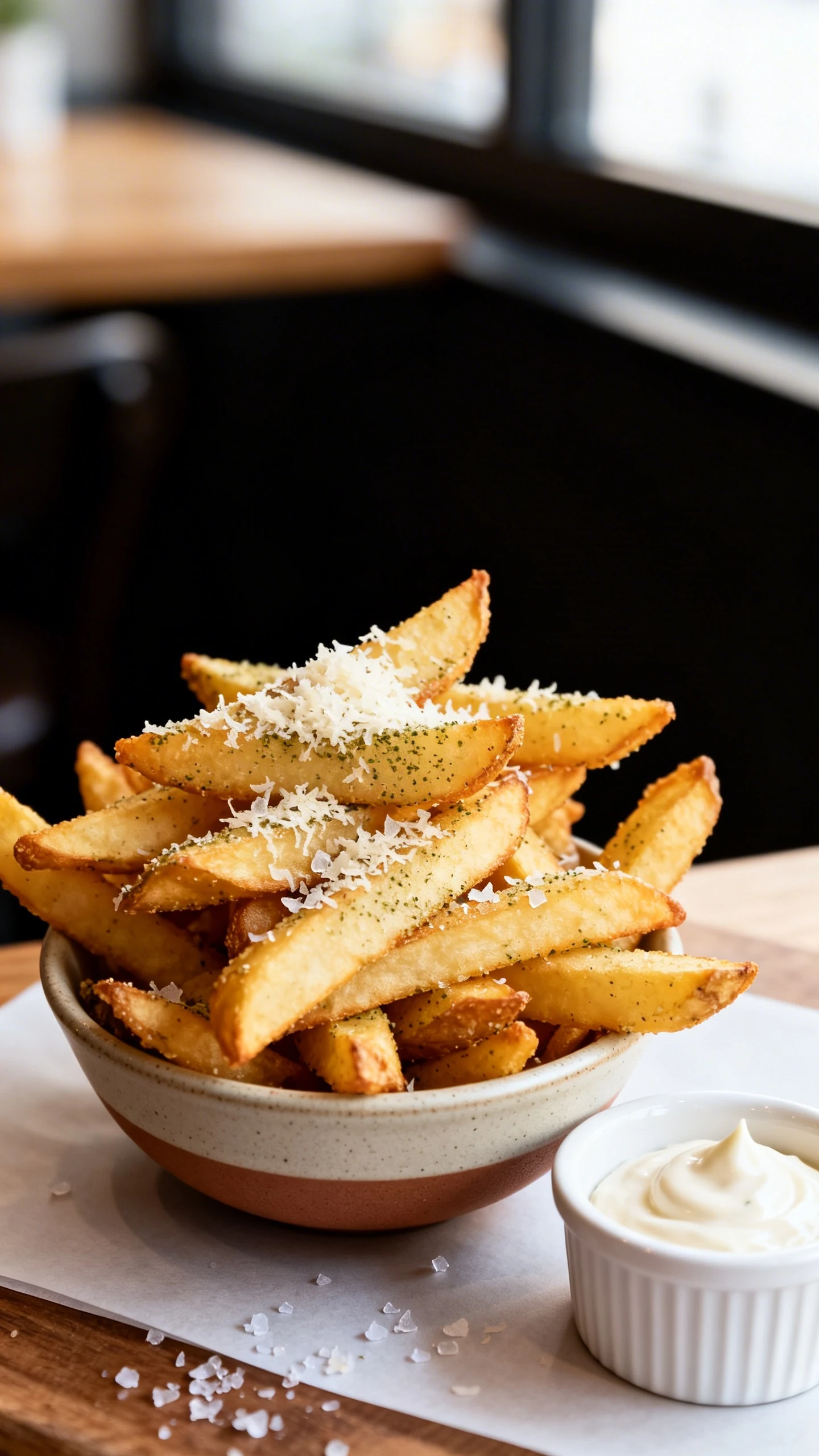
These taste best right away, because crispness has a short attention span. If you need to store them, cool completely first so you don’t trap steam in the container.
Refrigerate leftovers in a loosely covered container for up to 3 days. Skip airtight sealing if you can—too much trapped moisture softens them faster.
To reheat, air fry at 375°F for 3 to 6 minutes, shaking once. Avoid the microwave unless you enjoy floppy potatoes pretending to be chips.
What’s Great About This
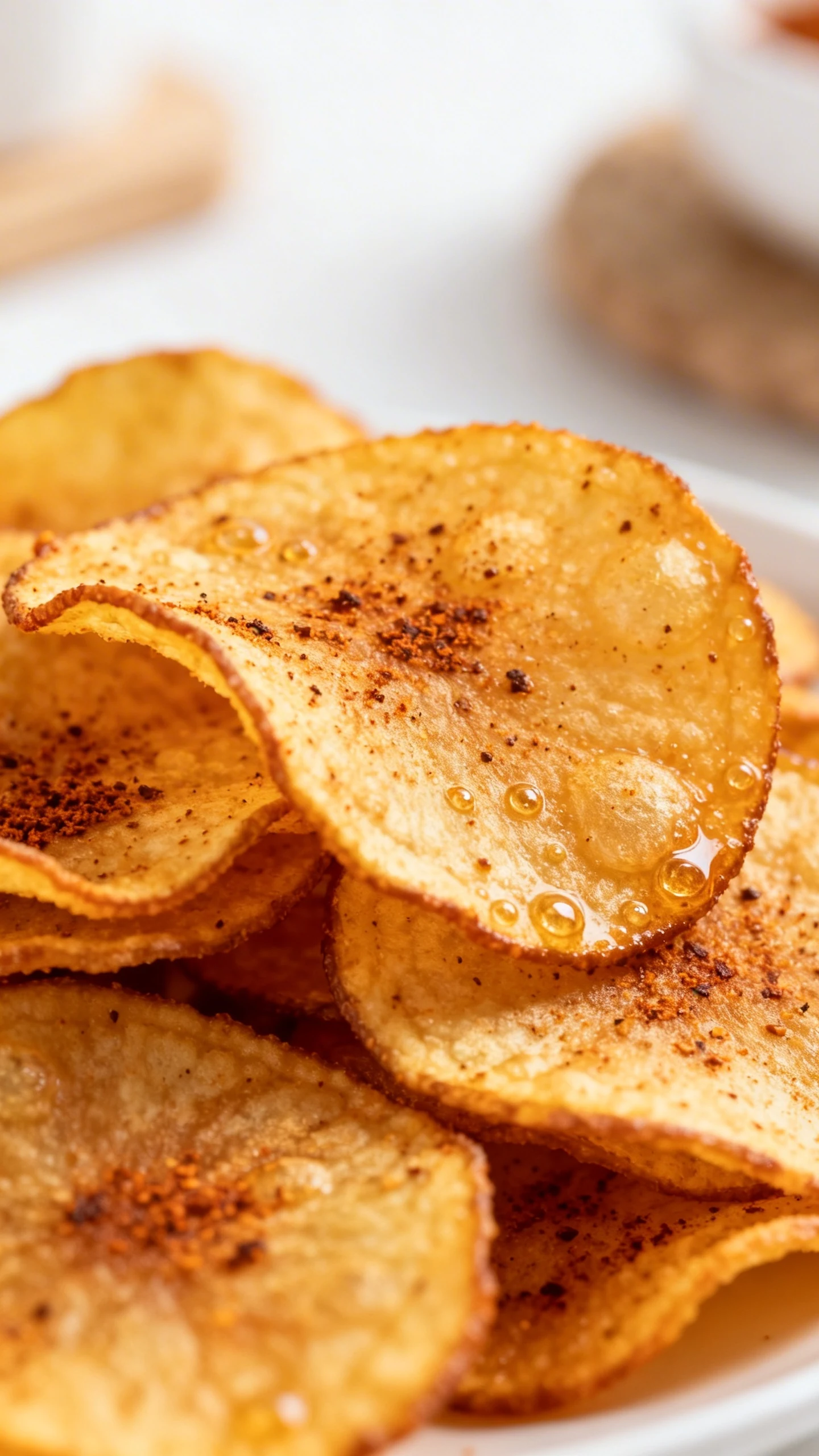
You get the satisfaction of a fried snack with way less oil and almost no mess. No bubbling pot, no thermometer, no “how do I dispose of this oil without feeling like a villain?” problem.
The recipe scales up or down easily, and the seasoning options feel endless. You can go classic salty, spicy BBQ, tangy vinegar-style, or cheesy—whatever your mood demands.
It also teaches a repeatable system: soak, dry, oil lightly, cook in layers, finish hot. Once you get that rhythm, you can crisp basically any potato shape you can slice.
Don’t Make These Errors
-
Skipping the dry step: Wet potatoes steam first and crisp last, which means they usually never crisp at all.
-
Over-oiling: More oil doesn’t mean more crisp in an air fryer; it often means soggy, heavy pieces.
-
Crowding the basket: Air needs space to move. If you stack everything, you’ve basically invented a tiny potato sauna.
-
Salting too early: Salt pulls moisture out. Add it after cooking for the best texture.
-
Not shaking: If you don’t shake, some pieces over-brown while others stay pale and sulk in the corner.
-
Using the wrong potato for your goal: Russets crisp harder; Yukon Golds taste richer. Pick intentionally.
Mix It Up
If you want to keep this recipe on repeat without getting bored, swap the flavor profile while keeping the technique. The method stays the same; the vibe changes.
-
Salt and vinegar: After cooking, mist lightly with vinegar, then salt. Go light or you’ll soften them.
-
Garlic Parmesan: Toss hot potatoes with grated Parmesan, garlic powder, and a tiny drizzle of oil.
-
Smoky paprika: Add smoked paprika and onion powder before cooking, then finish with flaky salt.
-
Cajun-style: Season with Cajun blend before cooking, then serve with a cooling dip like ranch or yogurt sauce.
-
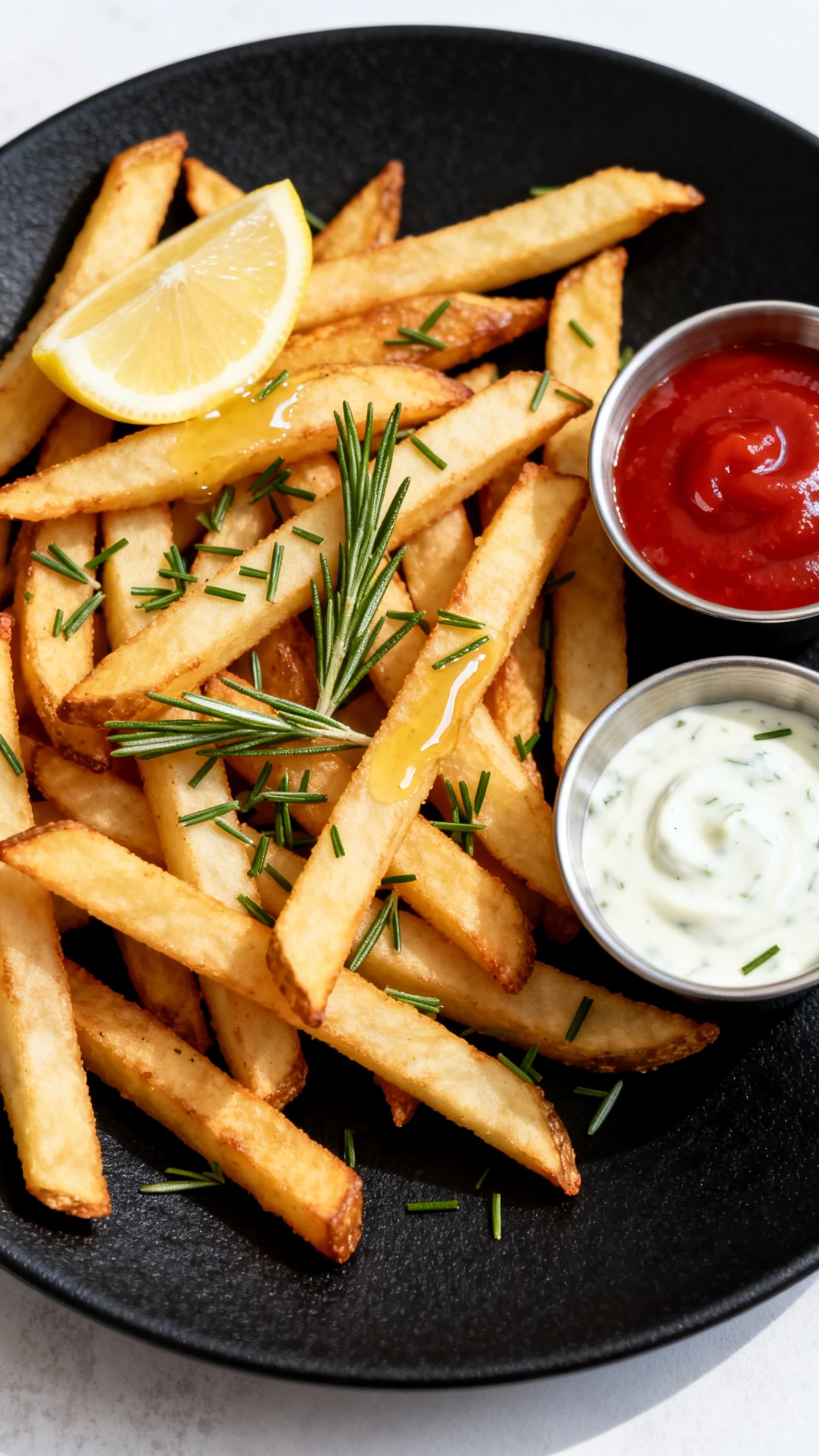
Rosemary lemon: Finish with finely chopped rosemary and a squeeze of lemon for a fancy-but-easy upgrade.
-
Sweet potato version: Use the same steps, but expect a softer center and faster browning; pull earlier and don’t overcrowd.
FAQ
Do I need to soak the potatoes first?
You don’t have to, but soaking makes crisping easier and more consistent. It removes surface starch that can trap moisture and block browning. If you skip it, dry extra well and cook in smaller batches.
What’s the best potato for crispy results?
Russet potatoes usually win for crunch because they have more starch and less moisture. Yukon Golds still crisp nicely but lean creamier inside. If you’re chasing maximum crunch, pick Russets.
How thin should I slice them?
For a chip-like bite, aim for 1/8 inch thick rounds. For fries-style chips, go about 1/4 inch thick batons. Consistent thickness matters more than the exact number, because it keeps cooking even.
Why are my chips/fries turning out soft?
Most of the time it’s moisture or crowding. Either the potatoes weren’t dried enough, the basket was too full, or you didn’t shake often. Also check your salt timing—salting early can soften the surface.
Can I use no oil at all?
You can, but expect a drier texture and less browning. A small amount of oil helps heat transfer and crisping, especially for thinner slices. If you go oil-free, cook in very small batches and finish hot.
What temperature is best in the air fryer?
Start around 380°F to cook through while building a crust, then finish at 400°F for deeper color. That two-step approach gives you crisp edges without burning before the center cooks.
How do I keep them warm for a crowd?
Hold cooked batches in a 200°F oven on a wire rack over a sheet pan. The rack keeps airflow underneath so they stay crisp longer. FYI, a foil-covered bowl is basically a steam trap.
Can I prep the potatoes ahead of time?
Yes. You can cut and soak them in cold water in the fridge for up to 24 hours. When ready, drain, dry thoroughly, then proceed with oil and cooking.
Final Thoughts
Crispy air-fried potato chips-style fries aren’t about luck—they’re about control. Control the moisture, control the space in the basket, and control the final high-heat finish.
Once you nail the base method, you can season them a hundred ways and never get bored. Serve them with your favorite dip, act surprised at how fast they vanish, and pretend you didn’t eat the “tester” pile standing at the counter.