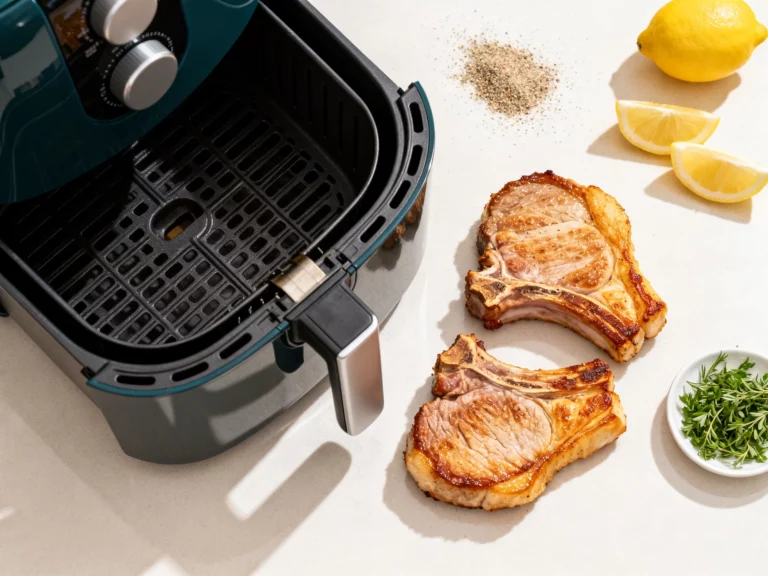
Air Fryer Potatoes Wedges That Taste Deep-fried Fast
Crispy outside, fluffy inside, and done in under 30 minutes with pantry spices and almost zero cleanup for busy weeknights.
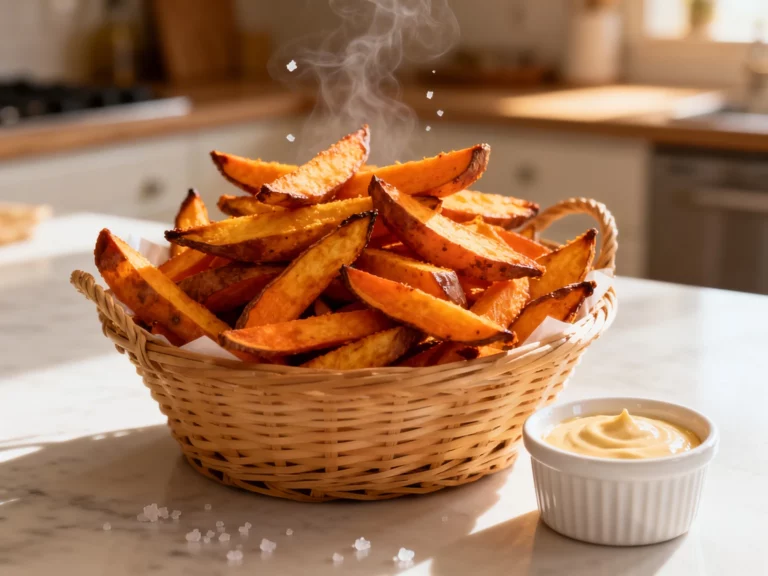
You want that “restaurant basket” crunch without babysitting a pot of oil. You want wedges that actually stay crisp, not sad potato boats that go limp the second you blink. Good news: the air fryer is basically a cheat code for this. One bowl, one basket, and suddenly you’re the person who “makes the best potatoes.” Annoying how easy it is, right?
Why This Recipe Works
It nails the two things wedges must have: a browned, crackly exterior and a tender center. The trick is simple timing plus the right amount of starch on the surface, so the edges blister and crisp.
Soaking pulls off excess surface starch that can turn into gum. Drying does the opposite: it lets oil and seasoning cling like they mean it.
Cooking in a single layer gives the hot air room to circulate, which is what creates that “fried” vibe. A quick shake halfway through keeps the browning even and prevents the dreaded pale side.
Ingredients
- Russet potatoes (2 large, about 1.5 to 2 pounds)
- Olive oil (1 to 1 1/2 tablespoons)
- Cornstarch (1 tablespoon, optional but highly recommended)
- Kosher salt (1 teaspoon, plus more to finish)
- Garlic powder (1 teaspoon)
- Smoked paprika (1 teaspoon)
- Onion powder (1/2 teaspoon)
- Black pepper (1/2 teaspoon)
- Cayenne (pinch, optional)
- Fresh parsley (1 to 2 tablespoons chopped, optional)
- Serving sauce (ketchup, ranch, aioli, or whatever you’re loyal to)
Let’s Get Cooking – Instructions
-
Pick the right potato and cut evenly. Scrub the potatoes and cut each into 8 wedges. Aim for similar thickness so they cook at the same speed, because nobody wants one raw wedge holding the whole batch hostage.
-
Soak for better crisp. Put the wedges in a bowl of cold water for 15 to 20 minutes. This step is the difference between “pretty good” and “wait, these are air fried?”
-
Dry like you mean it. Drain, then pat the wedges very dry with a towel. Moisture is crispness’s worst enemy, right after “overcrowding.”
-
Season in the right order. Toss wedges with oil first, then sprinkle salt, garlic powder, smoked paprika, onion powder, pepper, and cayenne. If using cornstarch, add it last and toss again until the wedges look lightly dusted.
-
Preheat (quickly) and load smart. Preheat the air fryer to 400°F for about 3 minutes if your model allows it. Add wedges in a single layer with a little breathing room; cook in batches if needed.
-
Air fry, then shake. Cook at 400°F for 10 minutes. Shake the basket or flip wedges with tongs, then cook 8 to 12 minutes more until deeply golden and crisp on the edges.
-
Finish like a pro. Taste one (for science). Add a pinch more salt while they’re hot, then sprinkle parsley if you want the “I totally planned this” look.
-
Serve immediately. Wedges peak in crispness right out of the basket. Plate them fast and bring your sauce lineup, because this is not a “wait until everyone sits” situation.
How to Store
Let leftovers cool fully, then store in an airtight container in the fridge for up to 4 days. If you seal them while they’re still warm, steam will soften the crust and you’ll feel personally betrayed.
To reheat, put them back in the air fryer at 375°F for 4 to 7 minutes, shaking once, until hot and crisp again. The microwave works in an emergency, but it will also turn your wedges into sleepy, bendy triangles, so choose your path.
Freezing is possible: spread cooled wedges on a sheet, freeze until firm, then bag them for up to 2 months. Reheat from frozen at 380°F for 10 to 14 minutes, shaking a couple times.
Nutritional Perks
Potatoes bring more to the party than people give them credit for. You get potassium for muscle function and hydration balance, plus vitamin C that supports immune health.
Air frying uses a fraction of the oil compared to deep frying, which can cut the overall calorie load while keeping the “crispy snack” satisfaction. And because you control the seasoning, you can keep sodium reasonable or crank it up, depending on how your day went.
Leave the skins on and you add fiber, which helps with satiety. Translation: you’ll feel full sooner, and you might not eat half a bag of chips 30 minutes later. Might.
Avoid These Mistakes
-
Overcrowding the basket. If wedges stack, they steam. Steam makes soft wedges. Soft wedges make you question your life choices.
-
Skipping the dry-off step. Wet potatoes won’t crisp well, no matter how hard you believe in them. Patting dry takes 60 seconds and saves the whole batch.
-
Uneven cuts. Skinny pieces burn while thick ones stay undercooked. Keep the wedges similar in size for consistent texture.
-
Not seasoning hot. Salt sticks best when the wedges are freshly cooked. Finish right after cooking for maximum flavor payoff.
-
Using too much oil. More oil doesn’t mean more crisp; it can actually make the exterior greasy and block airflow. A light coating is plenty, FYI.
Variations You Can Try
Once you own the basic method, you can remix flavors like a DJ with a spice rack. Keep the cook time the same, but swap the seasonings and sauces based on your mood.
-
Parmesan garlic. Add 2 tablespoons grated parmesan in the last 2 minutes of cooking, plus extra garlic powder. Serve with warm marinara or ranch.
-
Chili-lime. Use chili powder instead of smoked paprika, then finish with lime zest and a squeeze of lime juice. It’s loud in the best way.
-
Cajun-style. Swap in Cajun seasoning and skip extra salt until after cooking. Pair with a quick mayo-honey hot sauce dip.
-
Herb and lemon. Season with dried oregano and rosemary, then finish with lemon juice and parsley. IMO, this one feels “fancy” with zero extra work.
-
Sweet and smoky. Add a teaspoon of brown sugar with smoked paprika for a subtle sweet edge. Great with spicy ketchup.
FAQ
Do I need to soak the wedges first?
No, but you’ll get a better crisp if you do. Soaking removes excess surface starch, which helps the wedges brown instead of turning slightly sticky. If you’re short on time, rinse well and dry thoroughly.
What potatoes work best for wedges?
Russets give you the crispiest exterior and the fluffiest interior because they’re higher in starch. Yukon Golds work too and taste buttery, but they usually crisp a little less and cook a touch faster.
Why aren’t my wedges getting crispy?
The usual culprits are moisture and crowding. Dry them more, use a single layer, and consider adding the optional cornstarch for a drier surface that crisps faster. Also make sure you’re cooking hot enough; 400°F is the sweet spot for most air fryers.
Should I peel the potatoes?
You can, but leaving the skin on adds texture, fiber, and that rustic “pub wedge” vibe. Just scrub them well and trim any rough spots.
Can I prep these ahead of time?
Yes. Cut and soak the wedges up to 8 hours in advance, then keep them in cold water in the fridge. When ready to cook, drain, dry thoroughly, then season and air fry.
What dipping sauce goes best?
Ketchup always wins on pure nostalgia. For something better, mix mayo with minced garlic and lemon for a quick aioli, or stir hot sauce into ranch for a spicy upgrade.
Final Thoughts
These wedges hit that perfect middle ground: crispy enough to feel indulgent, easy enough to make on a random Tuesday. You don’t need fancy ingredients, you don’t need a fryer full of oil, and you definitely don’t need to settle for soggy potatoes.
Once you learn the rhythm, you’ll start making them “accidentally” every time you need a side dish. And if someone asks what your secret is, you can say “timing” and act mysterious, like you didn’t just shake a basket twice.