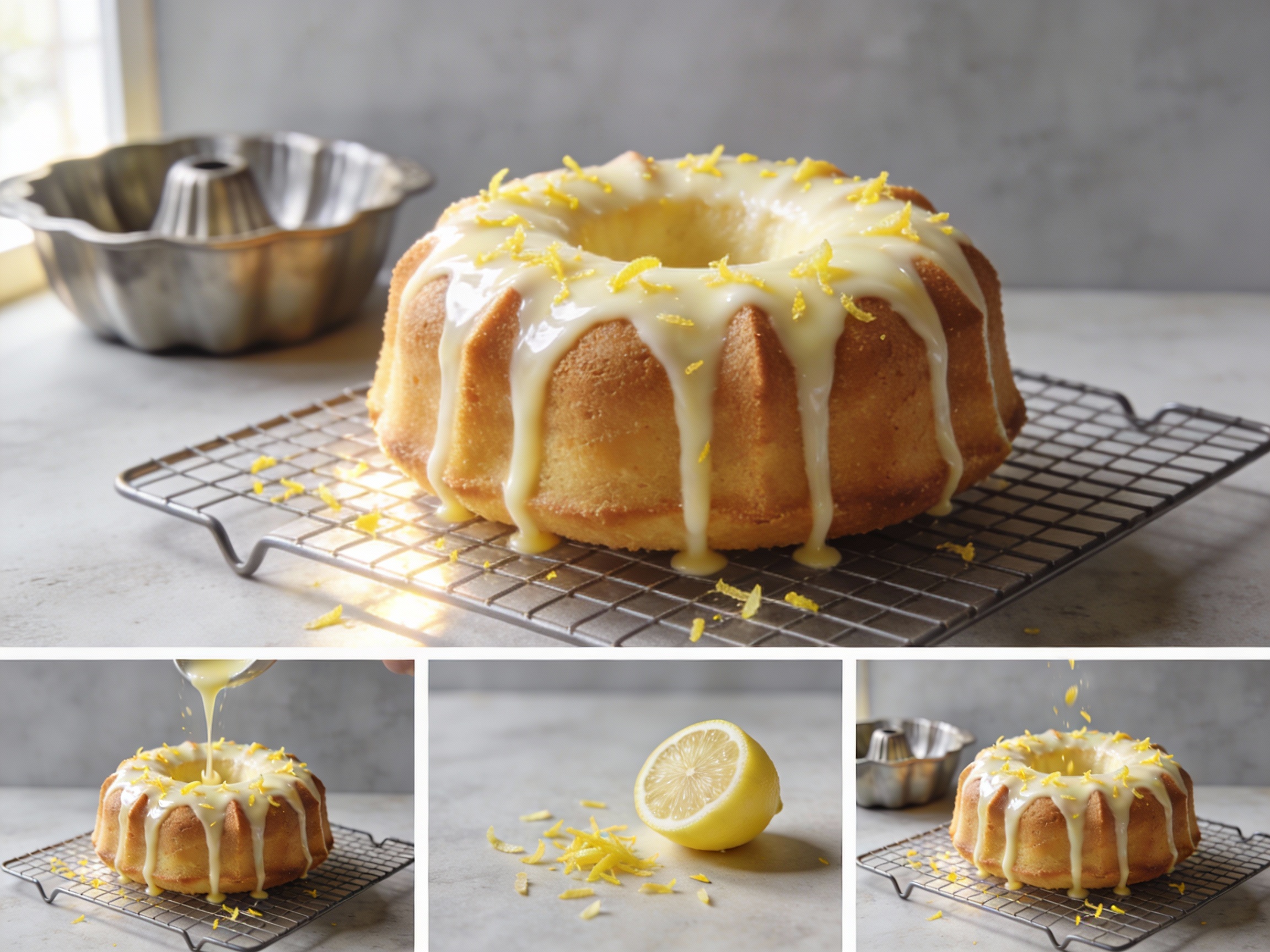
Bundt Cake Recipes That Look Bakery-level, Fast
Bake a showstopper ring cake that slices clean, stays moist for days, and wins birthdays, potlucks, and Tuesdays.
You know what’s unfair? A dessert that looks like you spent all day, but actually takes one bowl and a little swagger.
A Bundt cake is the cheat code: dramatic curves, built-in “wow,” and no one asks you to level layers or pipe rosettes.
The goal here is simple: a cake that pops out clean, stays tender, and tastes like it came from a fancy case.
If your past Bundt attempts stuck to the pan like they paid rent, relax. We’re fixing that today.
Why This Recipe Works
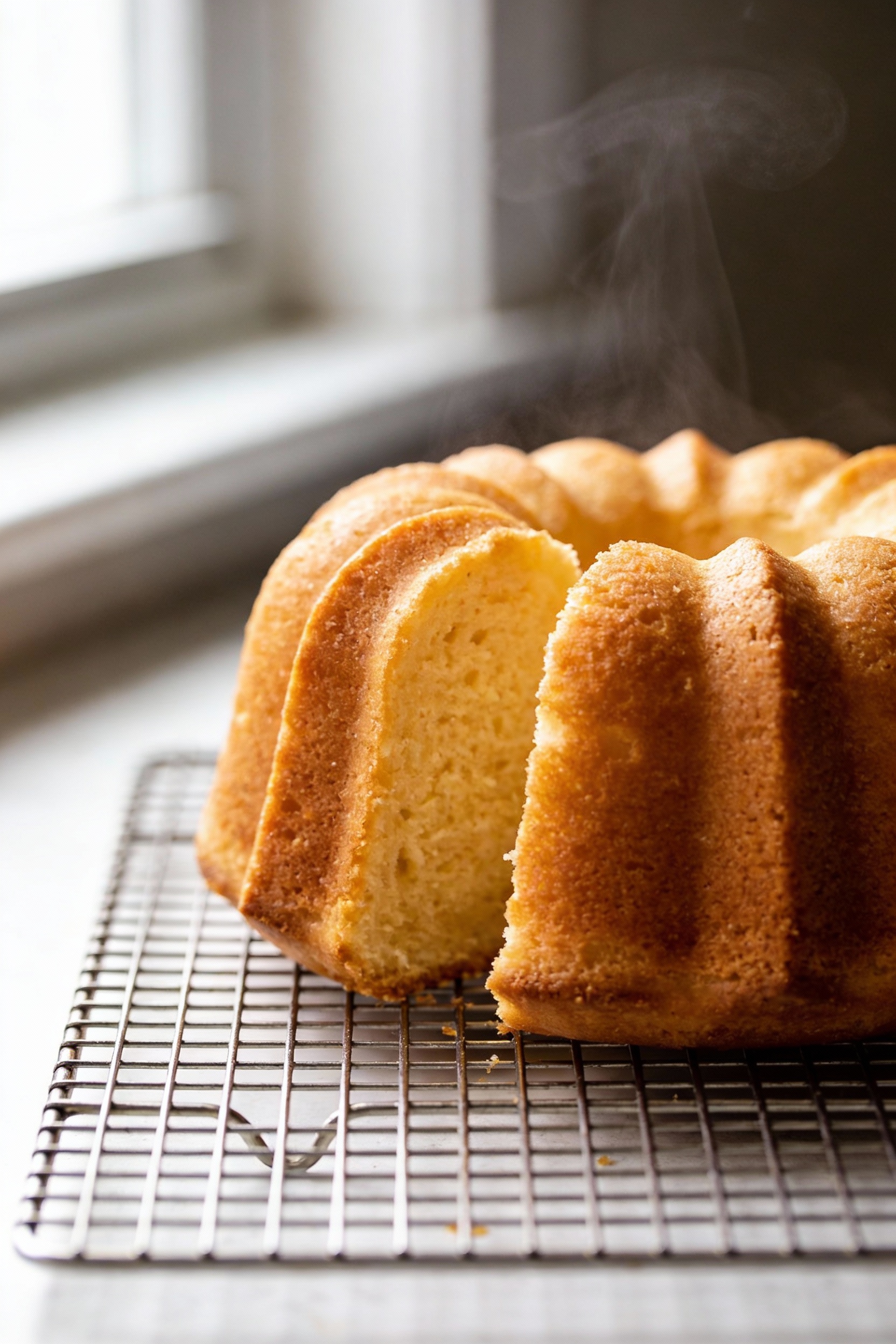
This is a high-moisture butter cake built for Bundt pans, which means it bakes evenly and doesn’t dry out by day two.
Sour cream adds richness and acidity, which tenderizes the crumb and keeps the flavor bright instead of flat.
A touch of oil teams up with butter: you get real flavor plus moisture insurance. Because dry cake is a personal insult.
Finally, a simple pan-prep method plus the right cooling timeline prevents sticking and breakage. Your cake deserves a clean exit.
What Goes Into This Recipe – Ingredients
- All-purpose flour: structure without getting heavy
- Baking powder: lift and tenderness
- Baking soda: helps the sour cream do its magic
- Fine salt: makes everything taste more like itself
- Unsalted butter, softened: flavor and a plush crumb
- Neutral oil (canola or avocado): moisture that lasts
- Granulated sugar: sweetness and a fine texture
- Eggs, room temperature: structure and richness
- Vanilla extract: classic Bundt energy
- Sour cream, room temperature: moisture and tang
- Milk or buttermilk: thins batter for even baking
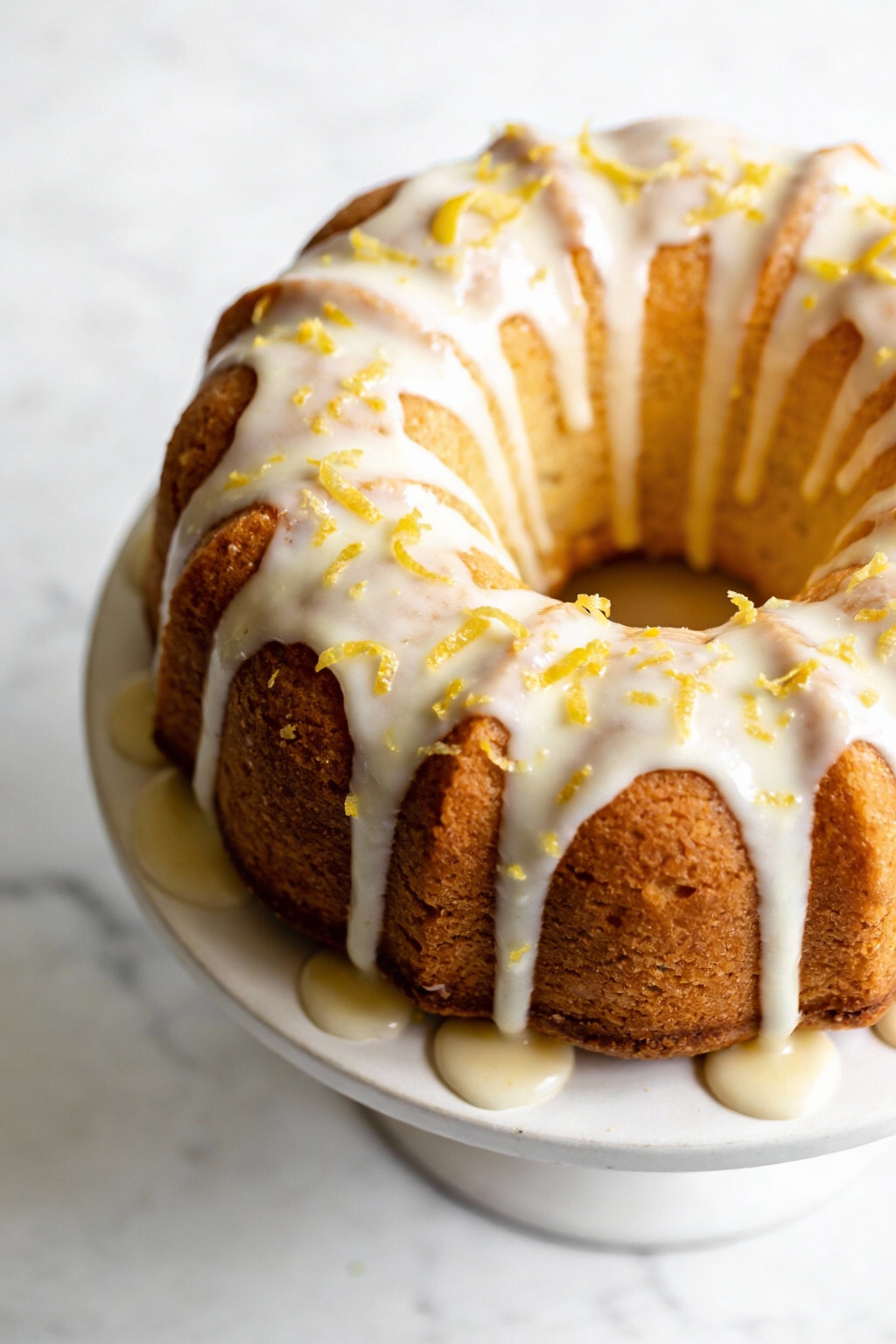
- Powdered sugar: for glaze
- Pinch of salt (for glaze): keeps it from tasting like pure sugar
- Citrus juice (lemon or orange) or milk: glaze liquid
- Zest (optional): extra aroma and sparkle
Step-by-Step Instructions
-
Heat and position. Preheat your oven to 350°F. Set a rack in the center so the cake bakes evenly and doesn’t tan one side harder than the other.
-
Grease like you mean it. Brush the Bundt pan with softened butter, getting into every ridge. Dust with flour, then tap out the excess. FYI, shortcuts here create “abstract cake sculpture.”
-
Mix the dry team. Whisk flour, baking powder, baking soda, and salt in a bowl. This spreads leaveners evenly so you don’t get surprise tunnels.
-
Cream butter, oil, and sugar. Beat butter, oil, and sugar until lighter and fluffy, about 3 to 4 minutes. This step builds air, which helps the cake rise and slice clean.
-
Add eggs with patience. Beat in eggs one at a time, mixing well after each. If the batter looks a little curdled, don’t panic. It usually smooths out once flour goes in.
-
Flavor it. Mix in vanilla and optional zest. This is the point where your kitchen starts smelling like you know what you’re doing.
-
Alternate wet and dry. Add the dry ingredients in three parts, alternating with sour cream and milk. Mix on low and stop as soon as the flour disappears. Overmixing makes the crumb tough, and no one wants gym-bro cake.
-
Fill the pan smartly. Spoon batter into the pan and smooth the top. Tap the pan gently on the counter to pop big air bubbles that can cause craters.
-
Bake until done-done. Bake 45 to 55 minutes, depending on your pan size and oven. A skewer should come out with a few moist crumbs, not wet batter.
-
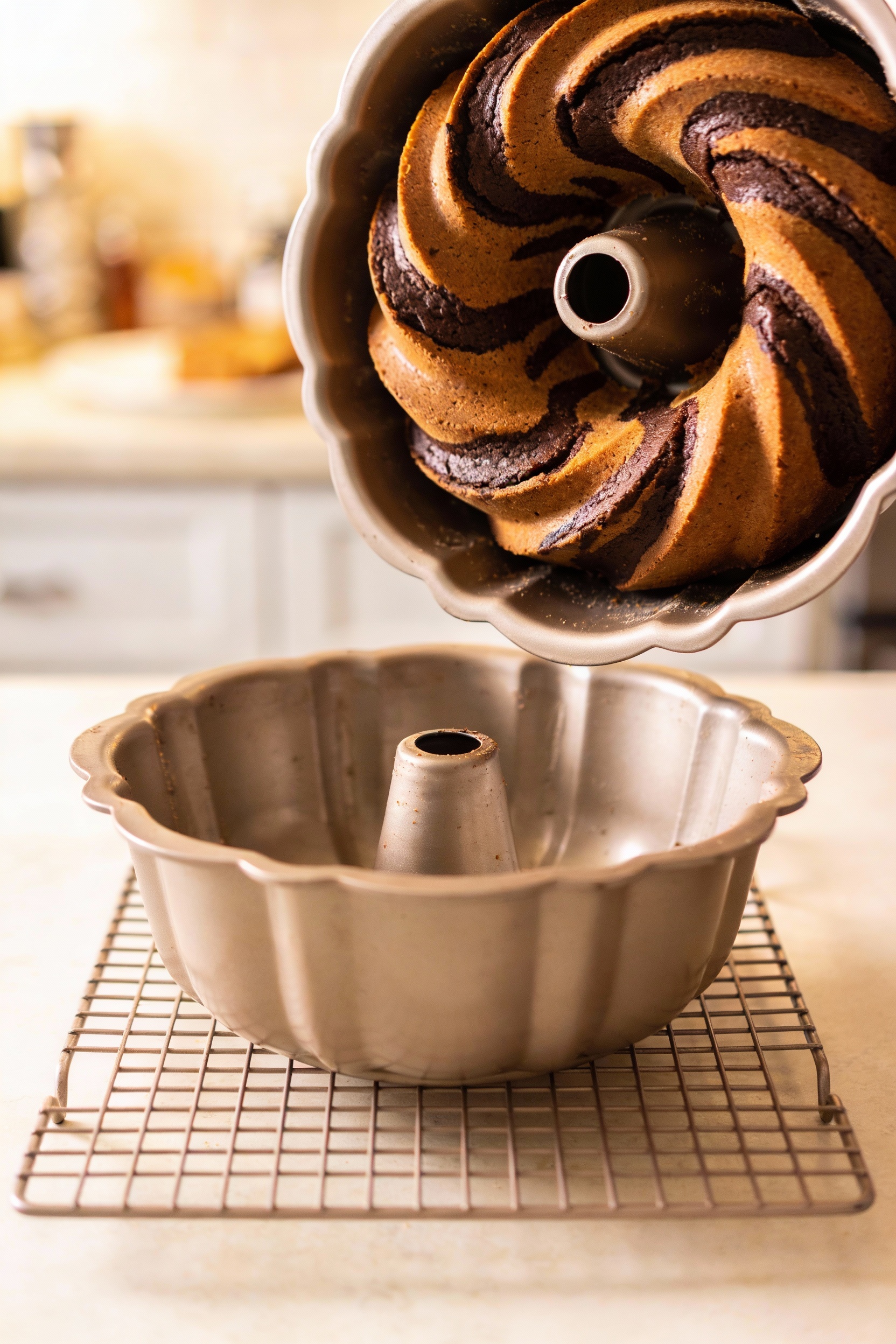
Cool with a timer. Cool in the pan for 10 to 15 minutes, then invert onto a rack. Wait too long and it can stick; flip too early and it can tear. Yes, the window is annoyingly specific.
-
Glaze for the glow-up. Whisk powdered sugar, pinch of salt, and enough citrus juice or milk to make a thick but pourable glaze. Drizzle over the cooled cake and let it set.
Keeping It Fresh
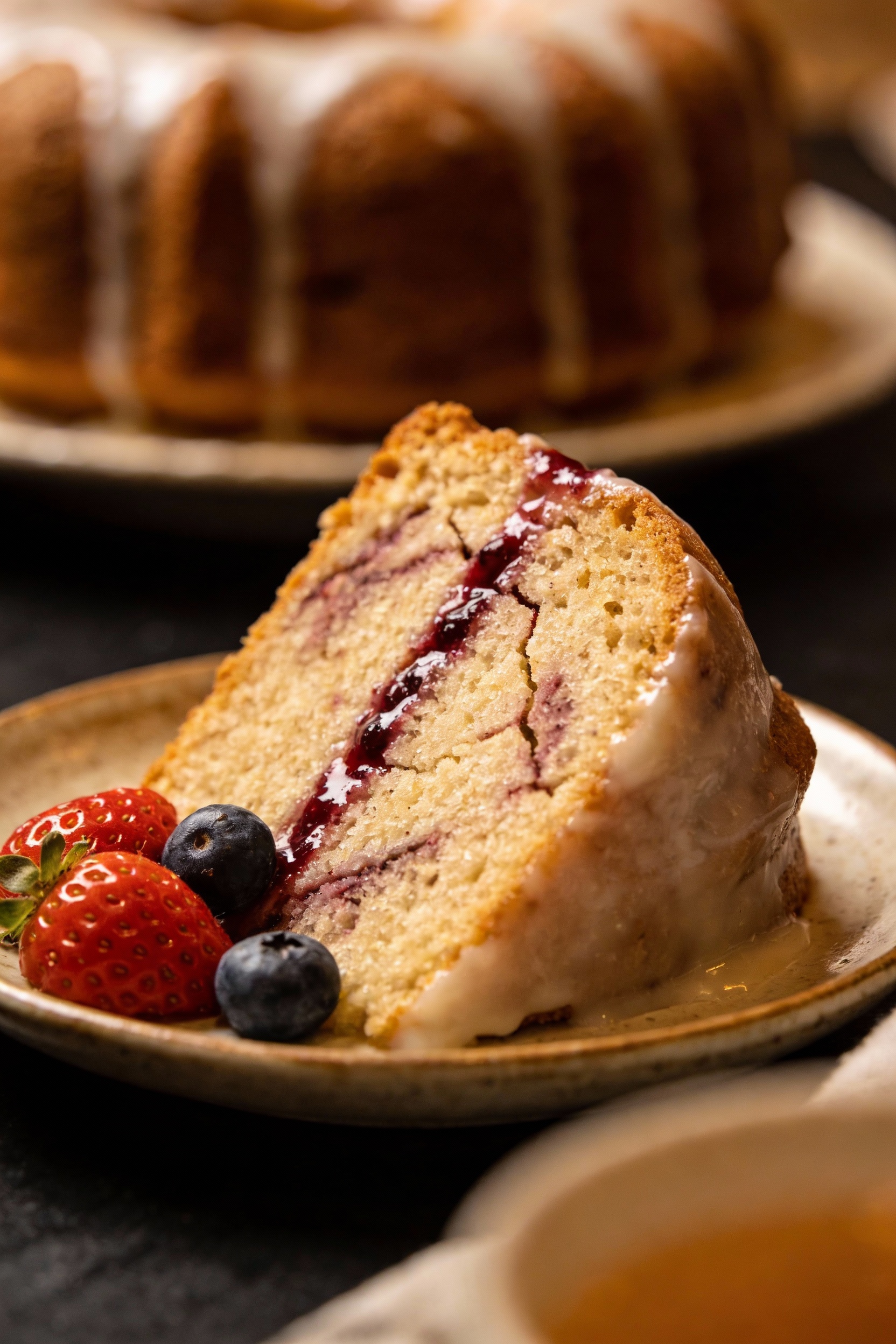
Store the cake covered at room temperature for up to 3 days. The oil and sour cream help it stay moist, so it won’t turn into edible drywall overnight.
For longer storage, refrigerate it well-wrapped for up to 1 week. Bring slices to room temp before serving so the crumb softens back up.
Freezing works great: wrap the unglazed cake in plastic wrap and then foil, and freeze up to 3 months. Thaw overnight in the fridge, then glaze like it’s brand new.
If your glaze absorbs or dulls, add a fresh drizzle right before serving. Nobody has to know.
Why This is Good for You
This cake gives you a satisfying dessert without needing a mountain of frosting. That matters because many people overeat sweets when the topping-to-cake ratio goes off the rails.
Using real dairy like sour cream adds protein and calcium, and the fat helps you feel satisfied sooner. IMO, satisfaction is the underrated nutrition fact.
You can also control portions easily because a Bundt slices clean into consistent wedges. Consistency beats willpower, and willpower is flaky.
If you want to level it up, pair a slice with fruit and coffee or tea. Dessert doesn’t need to be a sugar avalanche to feel fun.
Don’t Make These Errors
-
Skipping pan detail work. Grease-and-flour isn’t optional, especially with deep ridges. If your pan has lots of design, take the extra minute to brush every nook.
-
Cold ingredients. Cold eggs and sour cream can make batter lumpy and bake unevenly. Room temperature mixes smoother and rises better.
-
Overmixing after flour. Once flour goes in, mix gently and briefly. Overmixing develops gluten and turns tender cake into “why is this chewy” cake.
-
Guessing the bake time. Ovens lie. Start checking early, rotate once if your oven browns unevenly, and trust a skewer test.
-
Flipping at the wrong time. Let it cool 10 to 15 minutes, then invert. If you wait too long, the sugar can glue it to the pan. Rude, but true.
Different Ways to Make This
Once you master the base, you can remix it endlessly without turning your kitchen into a science fair. Keep the mixing method the same, then swap flavors strategically.
-
Lemon poppy seed. Add 2 tablespoons poppy seeds, more lemon zest, and glaze with lemon juice for a bright, bakery-style finish.
-
Chocolate marble. Remove about one-third of the batter, mix in cocoa powder and a splash of milk, then swirl in the pan with a knife.
-
Cinnamon streusel. Layer half the batter, sprinkle a mix of brown sugar, cinnamon, and chopped nuts, then top with remaining batter.
-
Orange cardamom. Add orange zest and a pinch of cardamom. Glaze with orange juice for a fragrant, fancy vibe.
-
Berry glaze. Keep the cake vanilla, but make a glaze with powdered sugar and a spoonful of berry jam thinned with a little milk.
-
Mini Bundts. Use a mini Bundt pan and start checking around 18 to 25 minutes. They look like you catered your own party.
FAQ
What’s the best Bundt pan size for this recipe?
A 10 to 12 cup Bundt pan works best. If your pan is smaller, don’t overfill it; leave space for the cake to rise or you’ll create an oven-floor situation.
How do I prevent my cake from sticking without using cooking spray?
Brush softened butter into every groove, then dust with flour and tap out the excess. You can also use a thin coat of butter plus cocoa powder for chocolate cakes to avoid white flour marks.
Can I use Greek yogurt instead of sour cream?
Yes, use full-fat Greek yogurt as a 1:1 swap. The cake may taste slightly tangier, and the crumb can be a touch tighter, but it still bakes up moist and tender.
Why did my Bundt cake crack on top?
Cracks usually happen when the oven runs hot or the batter is thick and rises aggressively. It’s not a real problem because that side becomes the bottom when you flip it, which feels like a life hack.
How do I know when it’s done if the pan is dark metal?
Dark pans brown faster, so start checking 5 to 10 minutes early. Look for a skewer with moist crumbs and a cake that springs back lightly when pressed.
Can I make this ahead for an event?
Yes. Bake it a day early, cool completely, and wrap tightly at room temperature. Glaze the day of serving for the freshest look and the best texture.
In Conclusion
A Bundt cake gives you maximum visual payoff with minimum decorating drama. Nail the batter, respect the pan prep, and flip at the right moment, and you’ll get clean ridges and a tender crumb every time.
Use the base as your template, then riff with citrus, chocolate, spice, or berries depending on your mood. The only real rule is simple: don’t rush the details that prevent sticking.
Make one for a party, then make one “just because.” People will assume you’re the type who casually bakes like this, and honestly, let them.