Cake Mix Recipes That Turn Pantry Boxes Into Showstoppers
From weeknight desserts to last-minute birthdays, learn fast, budget-friendly hacks to transform boxed cake mix into bakery-level treats.
You want bakery cake in an hour, without a culinary degree. Good news: your pantry already paid for the shortcut. Boxed mixes are engineered for consistency; a few smart upgrades unlock flavor, height, and tender crumb. I’ll show you the moves that turn a $2 box into a party-worthy sweet.
Time is your bottleneck, not skill. With pudding powder, extra egg, and tangy dairy, you get smash-hit texture and reliable results even on a busy Tuesday. We’ll use a single base formula you can morph into bars, cupcakes, cookies—whatever your people crave. Ready to flex the easiest ROI in dessert, FYI?
Why This Recipe Works
Instant pudding mix adds starch and emulsifiers, which lock in moisture and stabilize the crumb. That’s why your cake tastes plush on day two instead of sad and dry.
Oil plus dairy is the cheat code. Oil keeps the crumb soft even when chilled, and sour cream or Greek yogurt brings tang, tenderizing acids, and protein for structure. Butter tastes great, but oil wins the moisture game.
An extra egg boosts lift and stability, helping slices hold together while staying soft. Milk thins the batter just enough to bloom flavors and hydrate starches properly.
Minimal mixing and a brief rest are the unsung heroes. Stir only until combined to avoid tough gluten, then rest the batter for 10 minutes so dry particles fully hydrate. Faster hydration equals better rise and finer crumb, IMO.
Shopping List – Ingredients
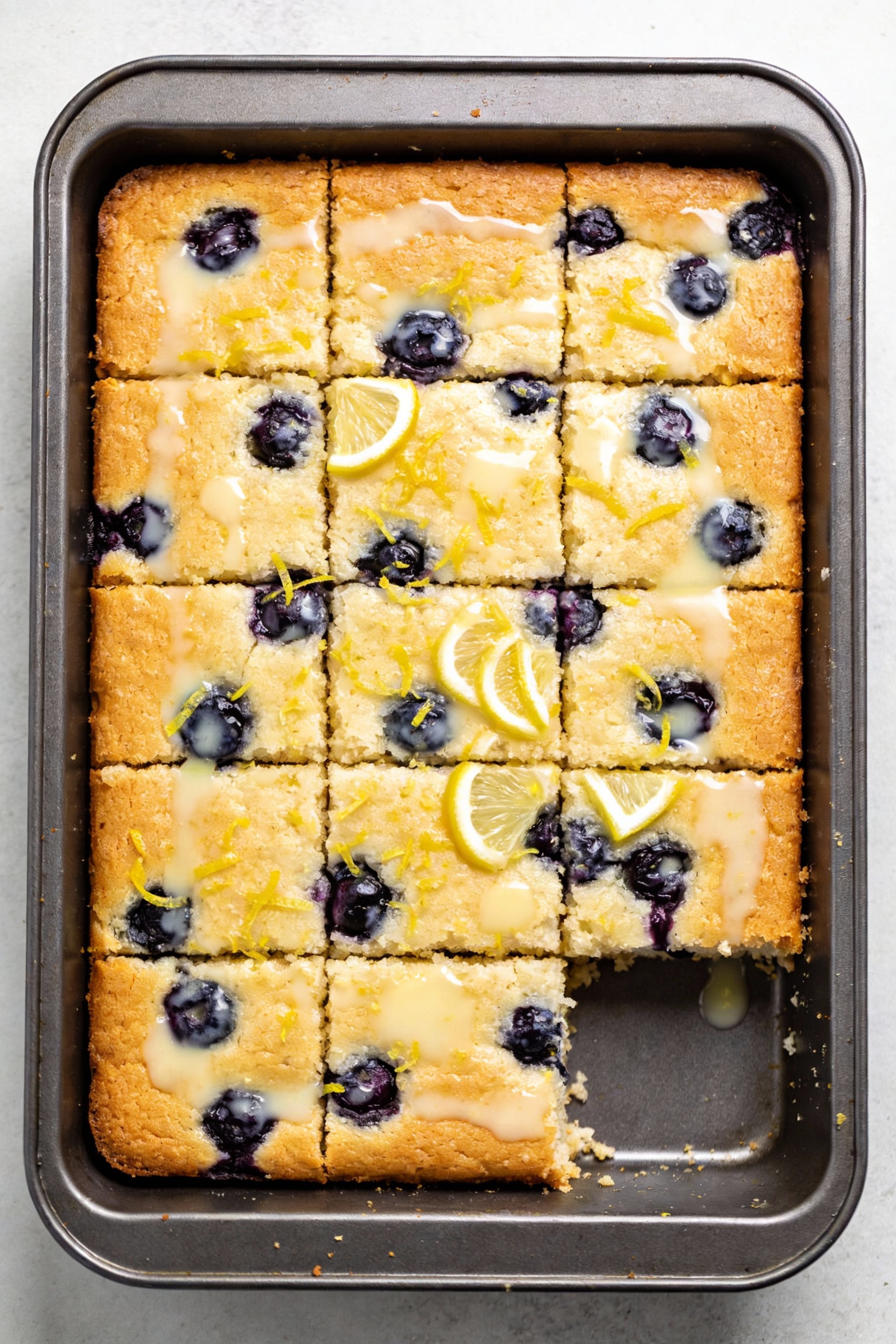
This base formula builds a plush vanilla cake you can tweak into dozens of flavors. Stick to standard box sizes for predictable results.
- 1 box (15.25 oz) vanilla or yellow cake mix
- 1 box (3.4 oz) instant vanilla pudding mix
- 4 large eggs, room temperature
- 1 cup sour cream or Greek yogurt, room temperature
- 1/2 cup neutral oil (canola, grapeseed, or light olive)
- 1/2 cup whole milk (or 2% if needed)
- 2 teaspoons pure vanilla extract
- 1/4 teaspoon almond extract (optional)
- 1/4 teaspoon fine salt
- Optional mix-ins: 1 cup chocolate chips, berries, chopped nuts, crushed cookies, or rainbow sprinkles
- Optional quick glaze: 1 cup powdered sugar, 2–3 tablespoons milk, 1 teaspoon vanilla
Pro tip: If your box is larger than 15.25 oz, weigh out 15.25 oz and save the rest, or add 1–2 tablespoons milk to thin slightly.
How to Make It – Instructions
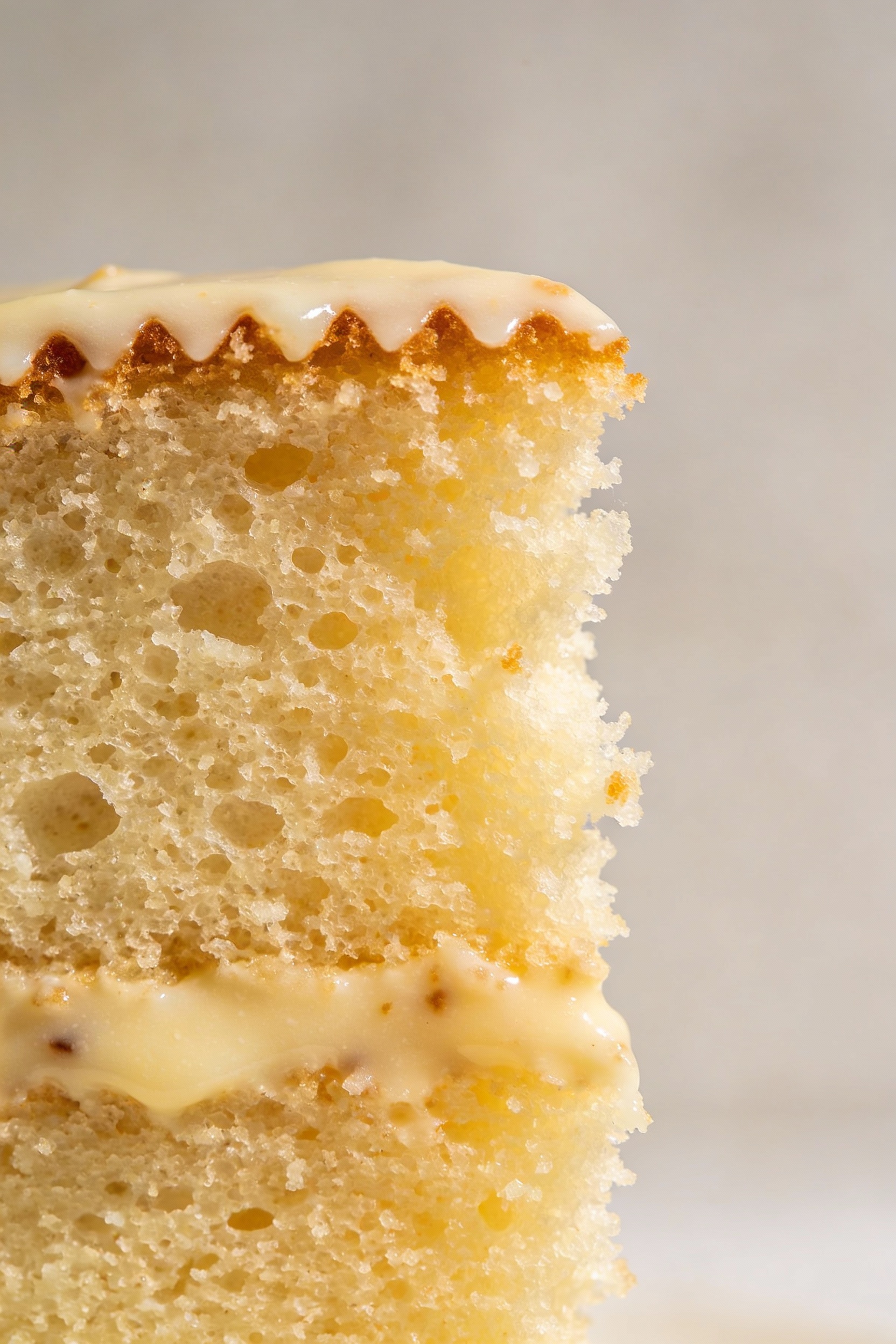
- Preheat oven to 350°F (175°C). Grease a 9×13-inch pan or two 8-inch round pans, and line with parchment for easy release.
- In a large bowl, whisk together oil, eggs, milk, and vanilla until smooth.
- Whisk in sour cream or Greek yogurt until fully combined and silky.
- Add cake mix, instant pudding mix, and salt. Stir with a spatula just until no dry streaks remain, about 30–45 seconds. Do not overmix.
- Let the batter rest for 10 minutes to hydrate and settle bubbles.
- Fold in any optional mix-ins gently to distribute without deflating the batter.
- Pour into your prepared pan(s). Smooth the top and tap the pan twice on the counter to release large air pockets.
- Bake until the top springs back and a toothpick comes out with a few moist crumbs: 28–33 minutes for a 9×13, 25–30 minutes for 8-inch rounds, or 18–22 minutes for cupcakes.
- Cool in the pan for 10–15 minutes, then run a knife around the edges and turn out onto a wire rack. Peel off parchment and cool completely.
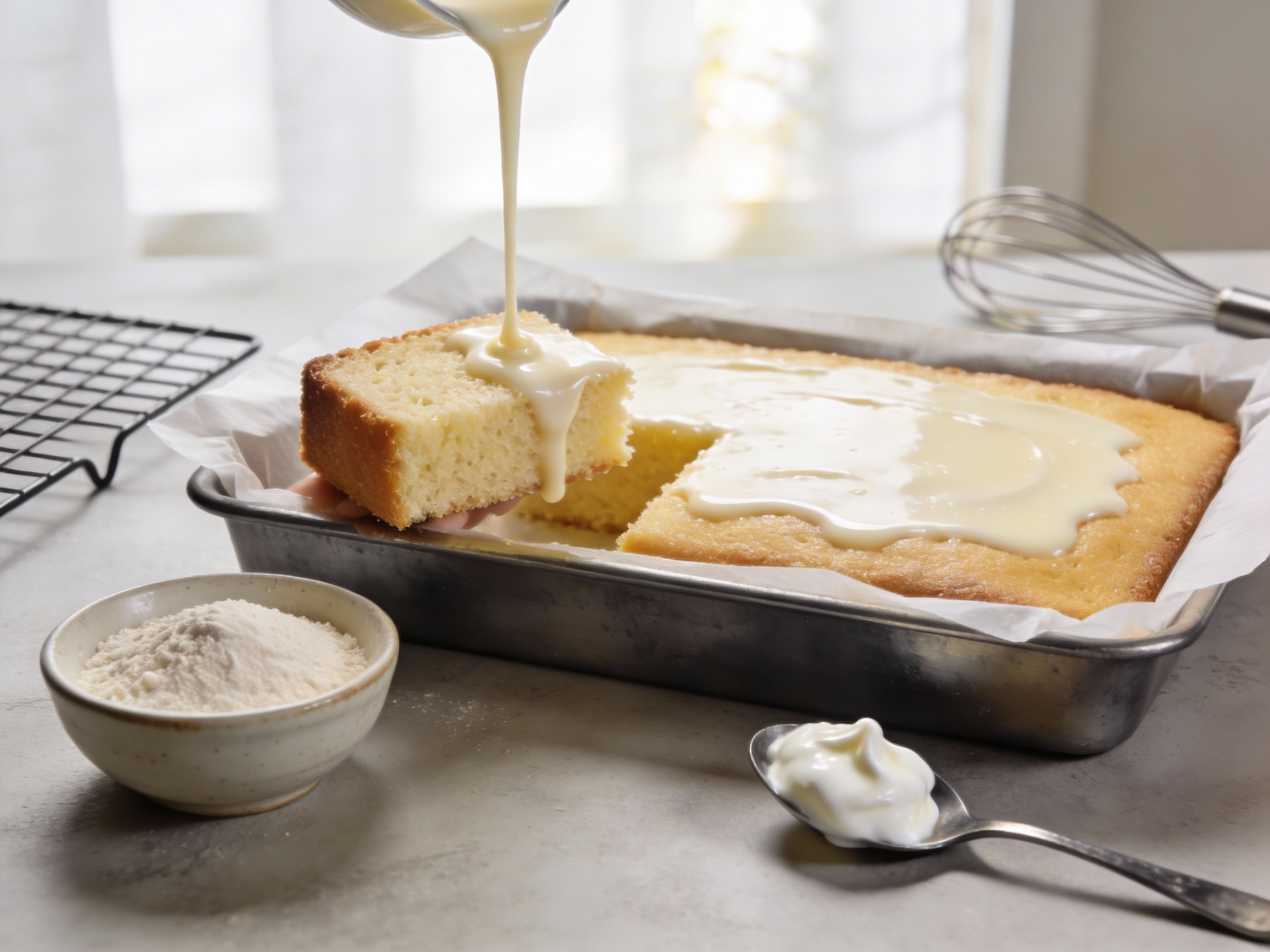
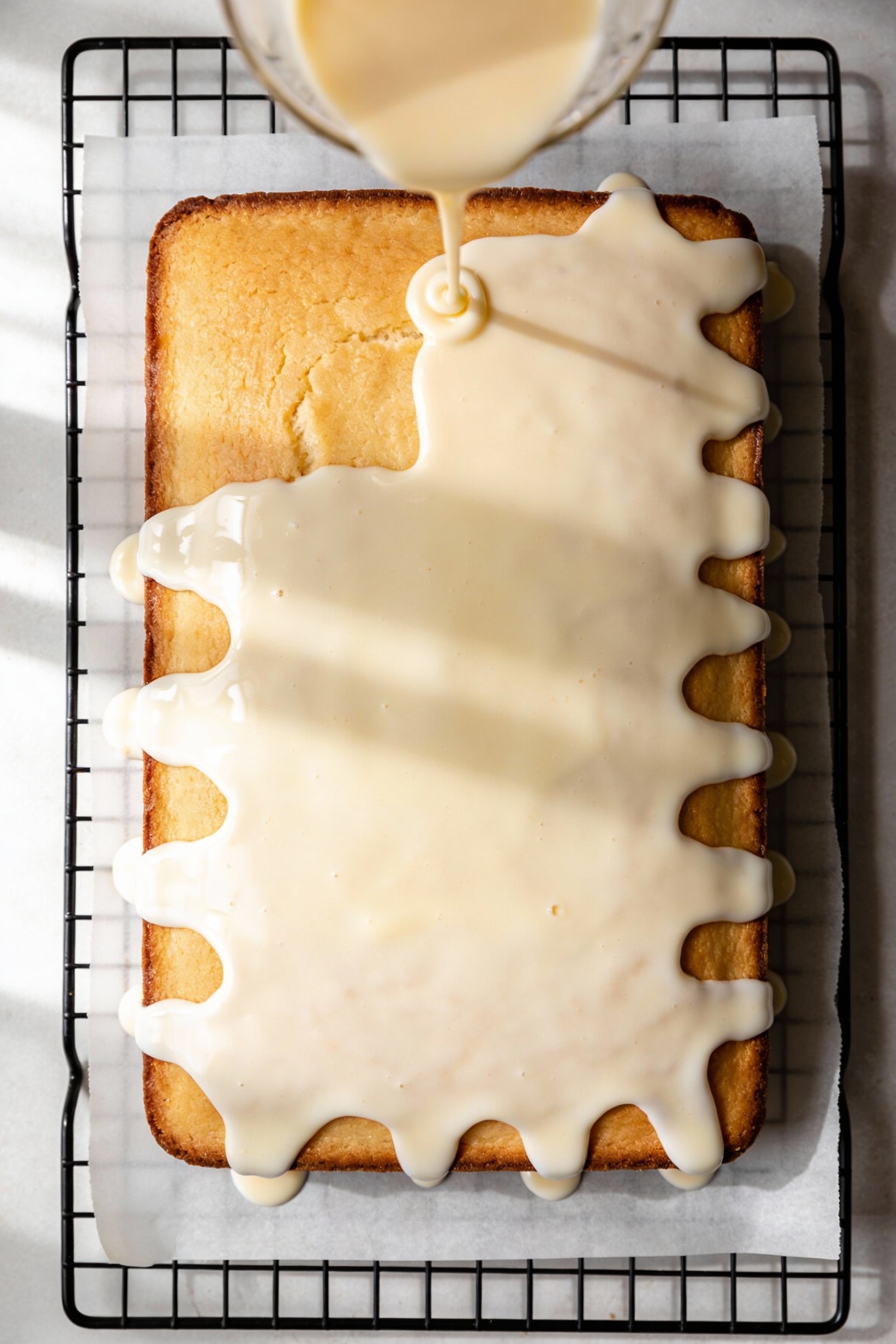
- Make a quick glaze by whisking powdered sugar, milk, and vanilla until pourable. Drizzle over the cooled cake, or frost with your favorite buttercream.
- Slice with a serrated knife for cleaner edges. Serve proudly and pretend you “just threw it together” (because you did).
Storage Tips
Room temperature: Keep unfrosted or glazed cake tightly covered for up to 3 days. A cake keeper or inverted sheet pan works great.
Refrigerator: Store frosted cake in an airtight container for 5 days. Chill, then wrap slices individually for grab-and-go desserts.
Freezer: Wrap unfrosted layers in plastic, then foil, and freeze for 2–3 months. Thaw in the fridge overnight, then bring to room temp before frosting.
For cupcakes, freeze without frosting. Pipe fresh frosting after thawing so you don’t end up with frosty buttercream sadness.
Health Benefits
We’re not calling this a kale salad, but smart swaps help. Greek yogurt adds protein while keeping the crumb lush, and oil lowers saturated fat compared to butter.
Want lighter? Swap half the oil for unsweetened applesauce, use 2% milk, and frost with a thin yogurt glaze. You’ll keep moisture and lose some calories.
- Portion control wins: Bake as cupcakes to manage servings and macros.
- Boost nutrients: Fold in berries or nuts for antioxidants, fiber, and healthy fats.
- Go gluten-free: Use a certified GF box; the method stays the same.
- Dairy-free: Use plant-based yogurt and milk; check that your pudding mix is dairy-free.
Bottom line: Not a health food, but smarter choices matter—and this cake stays moist even with lighter tweaks.
Don’t Make These Errors
- Using cook-and-serve pudding: It won’t help; you need instant. Different starches, different result.
- Overmixing the batter: Stir only until combined. Overmixing toughens gluten and kills the rise.
- Cold ingredients: Room-temperature eggs and dairy blend better and trap more air.
- Opening the oven early: Heat loss collapses the structure. Peek at 20 minutes, not 10.
- Skipping parchment: Grease helps, but parchment guarantees a clean release and intact layers.
- Ignoring box size: If your mix isn’t 15.25 oz, adjust by weight or add a splash of milk.
- Too many mix-ins: Cap it at 1 cup. More sinks and muddies the crumb.
- Not resting the batter: Ten minutes improves hydration and evens the texture.
- Frosting while warm: Melt-town. Cool completely before frosting, then chill to set clean edges.
- Baking at the wrong temp: Use an oven thermometer. Many ovens lie by 15–25°F, which matters.
Different Ways to Make This
Same base, new personality. Swap flavors, fold in extras, or tweak bake times and pan shapes to reinvent dessert with minimal effort.
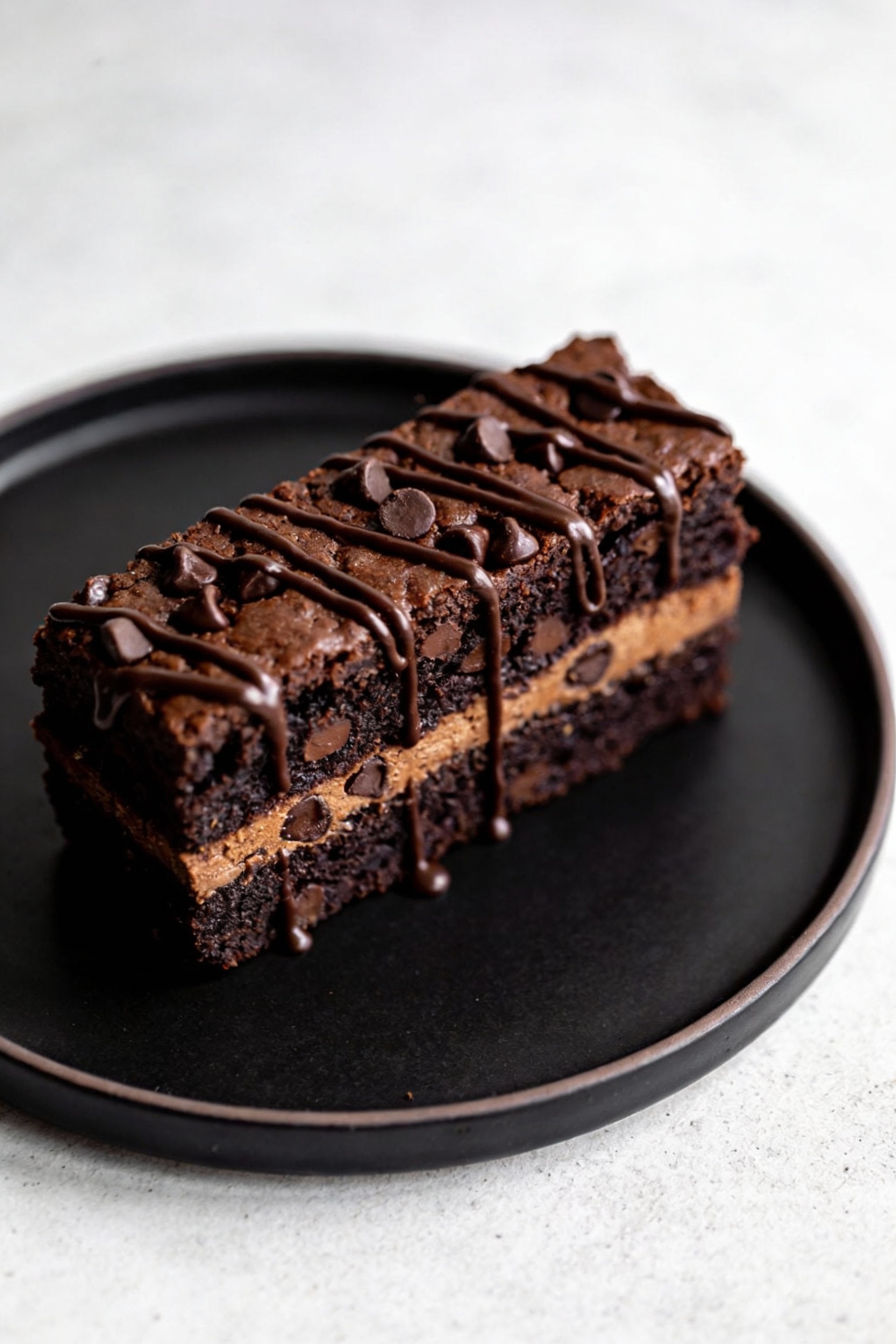
- Chocolate Fudge Upgrade: Use chocolate cake mix and chocolate instant pudding. Add 2 tablespoons espresso powder and 1 cup chocolate chips. Bake as directed; welcome to brownie-adjacent decadence.
- Lemon Blueberry Party: Lemon cake mix + lemon pudding. Add zest of 1–2 lemons and 1 cup blueberries tossed in 1 tablespoon flour. Bright, juicy, and never stodgy.
- Strawberry Milk Dream: White mix + vanilla pudding. Fold in 1/2 cup crushed freeze-dried strawberries or strawberry milk powder. Pretty pink crumb, big berry flavor.
- Funfetti Celebration: Vanilla mix + vanilla pudding. Stir in 1/2 cup rainbow sprinkles at the end so colors don’t bleed. Top with vanilla glaze and extra confetti for drama.
- Pumpkin Spice Snack Cake: Spice mix or yellow mix. Add 1 cup pumpkin puree, reduce milk to 1/4 cup, and spike with 1 teaspoon cinnamon. Cream cheese glaze? Absolutely.
- Piña Colada Sheet Cake: Yellow mix + coconut pudding. Swap milk for canned coconut milk; add 1/2 cup shredded coconut and 3/4 cup well-drained crushed pineapple.
- Cookies from Cake Mix: Different ratio: 1 box cake mix, 2 eggs, 1/2 cup oil. Scoop, bake at 350°F for 9–11 minutes. Soft, chewy, and shockingly easy.
- Birthday Cookie Bars: 1 box mix, 1/2 cup melted butter, 1 egg, 1/2 cup sprinkles. Press into a lined 9×13, bake 20–25 minutes, glaze, slice squares.
- Bundt Beauty: Use the base batter in a greased Bundt pan; bake 40–50 minutes. Glaze with lemon or chocolate for instant centerpiece energy.
- Snacky Cupcakes: Fill liners 2/3 full and bake 18–22 minutes. Top with whipped cream and fruit for lighter vibes.
FAQ
Can I use any brand of boxed mix?
Yes. Major brands and store brands work well. Texture varies slightly by brand, but the pudding, dairy, and oil upgrades level the playing field. If you find one that tastes best to you, stick with it.
Do I really need instant pudding mix?
It’s highly recommended. Instant pudding adds modified starch and stabilizers that improve moisture and crumb. If you want to skip it, add 2 tablespoons cornstarch and 2 tablespoons sugar plus an extra teaspoon vanilla to help mimic the effect.
How do I adapt this for cupcakes?
Use the same batter, fill liners 2/3 full, and bake at 350°F for 18–22 minutes. Pull them when the tops spring back and a toothpick shows a few moist crumbs. Cool completely before frosting for the prettiest swirl.
Can I reduce the sugar?
Boxed mixes are pre-formulated, so cutting sugar directly can throw off texture. Instead, use a less-sweet frosting, add bitter elements like espresso or cocoa, or bake as cupcakes to control portions. It’s a better compromise.
How do I make it gluten-free?
Use a certified gluten-free cake mix and check that your instant pudding is GF. Follow the same method; the pudding and yogurt still improve moisture and structure. Bake times stay similar, but start checking 5 minutes early.
What if my cake domes or sinks?
Doming often means a hot oven; verify with an oven thermometer. Sinking can come from underbaking or too much liquid. Rest the batter, don’t open the oven early, and pull the cake when it passes the toothpick test with moist crumbs.
Why is my cake gummy or dense?
Overmixing, too much liquid, or underbaking are usual suspects. Stir just until combined, measure milk accurately, and bake until the center sets. Using instant pudding (not cook-and-serve) also helps avoid gumminess.
Can I make the cake ahead and freeze it?
Absolutely. Wrap unfrosted layers in plastic and foil; freeze up to 3 months. Thaw overnight in the fridge, then bring to room temperature before frosting. The texture stays shockingly plush thanks to the oil and pudding.
Is butter better than oil here?
Butter adds flavor, but oil gives superior moisture retention. If you want both, use 1/4 cup melted butter and 1/4 cup oil in place of the 1/2 cup oil. You’ll get more flavor and still keep a soft crumb.
Which pan is best for this batter?
A 9×13 is the easiest, two 8-inch rounds work for layer cakes, and Bundts make it fancy. Line flat pans with parchment for clean release. For thick bars, use a metal pan; glass pans can run hotter and may brown the edges faster.
My Take
This method hits the sweet spot between convenience and bakery-level results. You invest five extra minutes, and you get a cake that tastes like you worked all afternoon. That’s my kind of ROI.
It’s also flexible enough to suit last-minute parties, picky kids, and office potlucks without melting your schedule. Keep a box in the pantry and you’ve got dessert insurance. And yes, you absolutely can say “homemade”—you did the smart parts, and your results will prove it.
So start with the base, pick a flavor move, and bake. When someone asks for your “secret,” feel free to say “science and pudding.” Because why not?