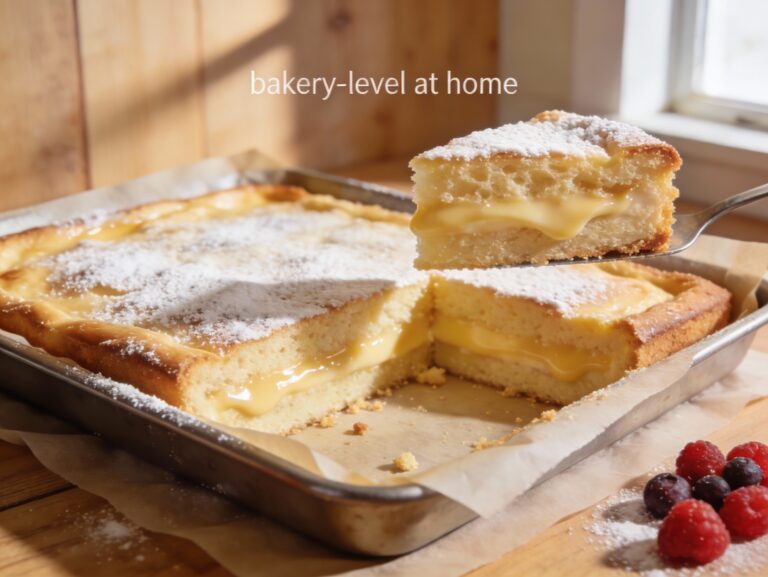
Cake Recipes From Scratch That Taste Like a Bakery
Bake a tender, high-rise vanilla cake with rich frosting using simple pantry staples, reliable steps, and zero boxed shortcuts.
You don’t need a “secret ingredient.” You need a repeatable system that makes cake turn out right even on a chaotic Tuesday.
This from-scratch vanilla cake hits the holy trinity: fluffy crumb, bold buttery flavor, and frosting that doesn’t taste like sweet drywall.
If your cakes bake up dry, dense, or weirdly flat, it’s usually one small mistake stacking into a big disappointment.
Follow this once and you’ll stop Googling at midnight like, “why did my cake sink in the middle?”
And yes, it’s impressive enough for birthdays, holidays, and any “I need to flex” potluck moment.
Why This Recipe Works
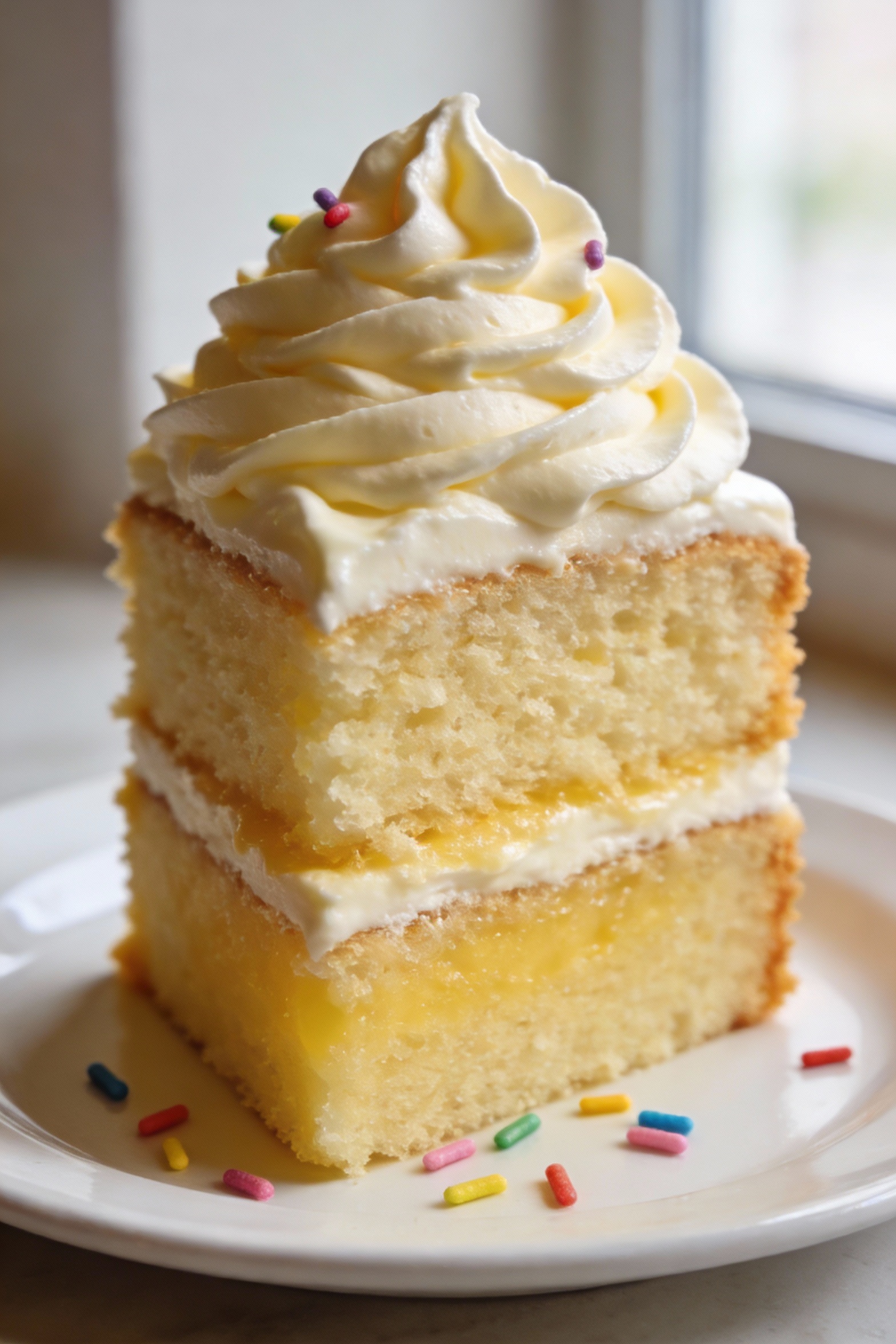
Room-temperature ingredients let the batter emulsify smoothly, so the cake bakes up tall instead of heavy and tight.
Cake flour + a little cornstarch creates a softer crumb while still holding structure, so slices look clean and feel plush.
Buttermilk and oil together give you flavor plus moisture insurance; butter tastes amazing, oil stays tender for days.
Proper mixing order builds enough structure without overworking gluten, which is how cakes turn rubbery and sad.
Measured leavening keeps rise controlled; too much looks impressive in the oven and collapses like a bad crypto scheme.
Ingredients Breakdown
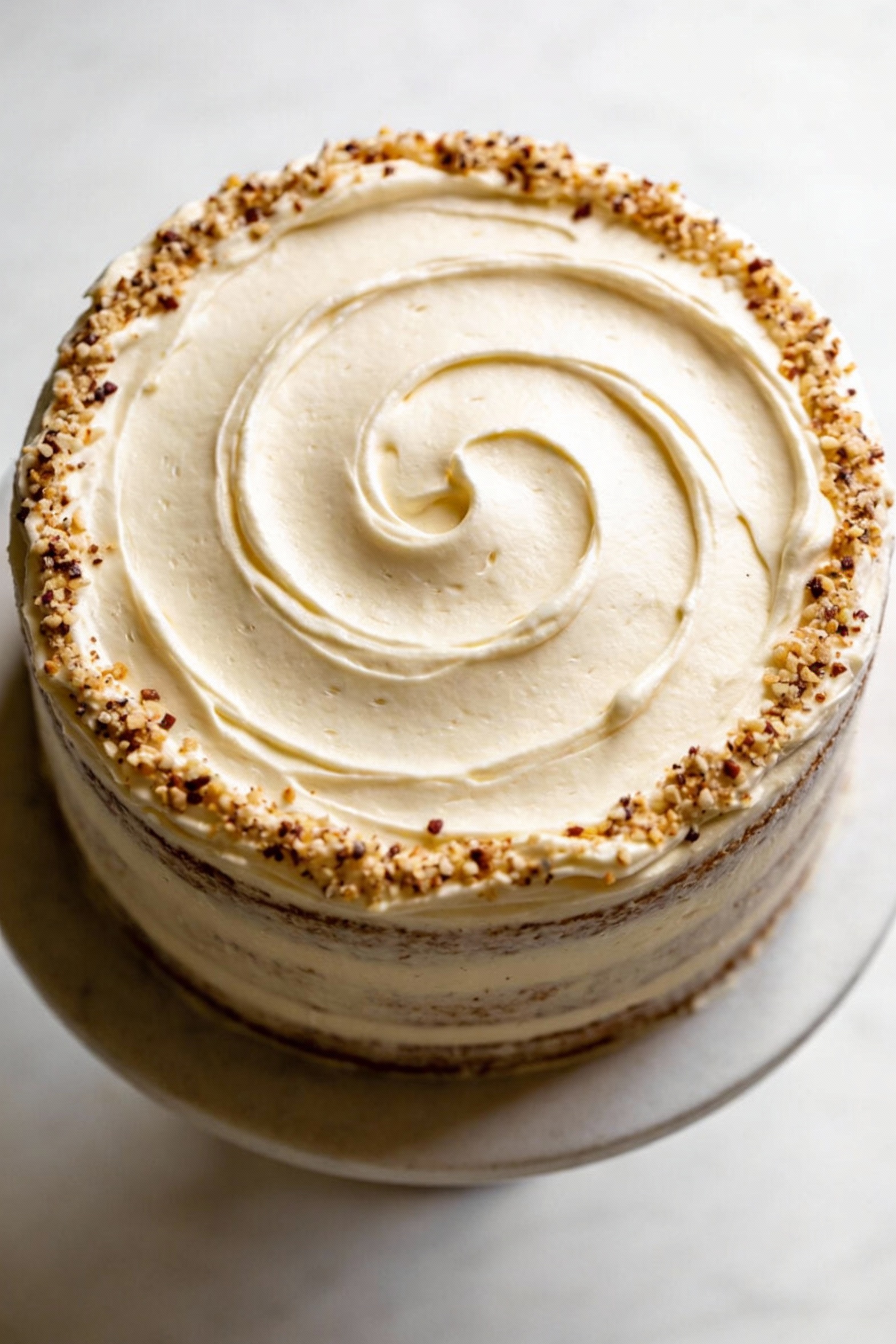
This makes two 8-inch layers (or three 6-inch layers) plus a generous frosting for filling and decorating.
- Cake flour: 2 3/4 cups (about 330 g), spooned and leveled
- Cornstarch: 2 tablespoons (helps mimic lower-protein flour for softness)
- Baking powder: 2 1/2 teaspoons
- Baking soda: 1/2 teaspoon
- Fine salt: 3/4 teaspoon
- Unsalted butter: 1/2 cup (113 g), room temperature
- Neutral oil: 1/2 cup (120 ml), like canola or avocado
- Granulated sugar: 1 3/4 cups (350 g)
- Large eggs: 3, room temperature
- Vanilla extract: 1 tablespoon
- Buttermilk: 1 1/4 cups (300 ml), room temperature
- Sour cream or Greek yogurt: 1/3 cup (80 g)
- Hot coffee or hot water: 1/2 cup (120 ml), enhances flavor and tenderness
For the frosting (classic vanilla buttercream):
- Unsalted butter: 1 1/2 cups (339 g), softened
- Powdered sugar: 5 1/2 to 6 cups (660–720 g), sifted if lumpy
- Fine salt: 1/4 teaspoon
- Vanilla extract: 2 teaspoons
- Heavy cream or milk: 3 to 6 tablespoons, as needed
Optional add-ins: sprinkles, lemon zest, almond extract (use sparingly), or fresh berries for filling.
How to Make It – Instructions
-
Prep your pans and oven. Heat oven to 350°F (175°C). Grease two 8-inch round pans, line bottoms with parchment, then lightly flour the sides.
-
Mix the dry ingredients. Whisk cake flour, cornstarch, baking powder, baking soda, and salt until fully combined and lump-free.
-
Cream butter, oil, and sugar. Beat butter with sugar for about 2 minutes until lighter. Stream in oil and beat another 1 minute; it should look fluffy and cohesive.
-
Add eggs and vanilla. Beat in eggs one at a time, scraping the bowl each time. Mix in vanilla. If it looks slightly curdled, keep going; it will smooth out.
-
Add the dairy. Mix in sour cream just until smooth. You’re building tenderness here, not doing arm day.
-
Alternate dry and buttermilk. Add 1/3 of dry mix, then 1/2 the buttermilk, repeat, ending with dry. Mix on low and stop as soon as the flour disappears.
-
Loosen with hot liquid. With mixer on low, pour in hot coffee or hot water and mix just until the batter looks silky. It will be thinner than you expect; that’s correct.
-
Divide and bake. Split batter evenly between pans. Bake 28–34 minutes, until a toothpick comes out with a few moist crumbs and the center springs back.
-
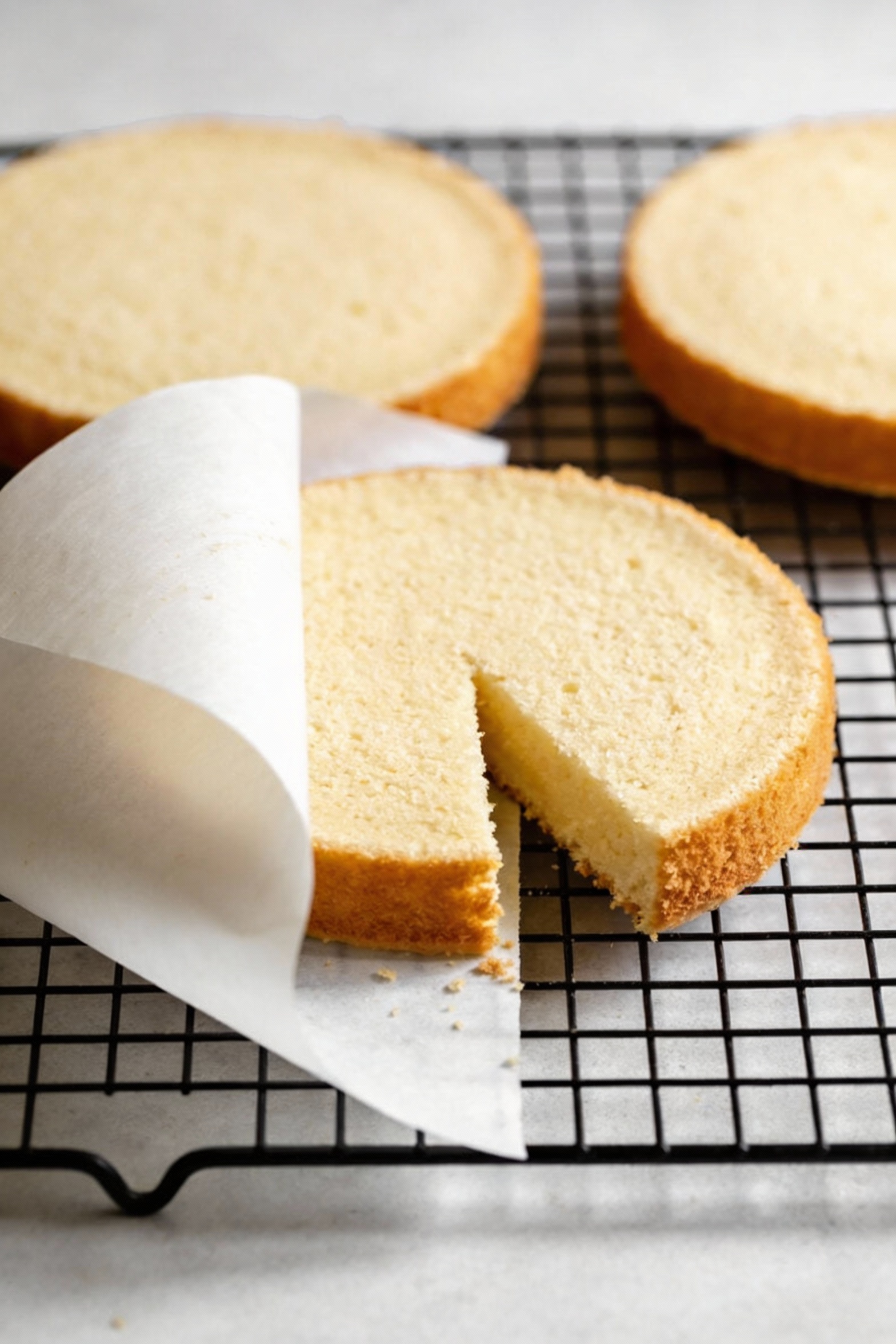
Cool properly. Cool in pans 10 minutes, then turn out onto a rack. Peel parchment and cool completely before frosting, unless you enjoy buttercream soup.
-
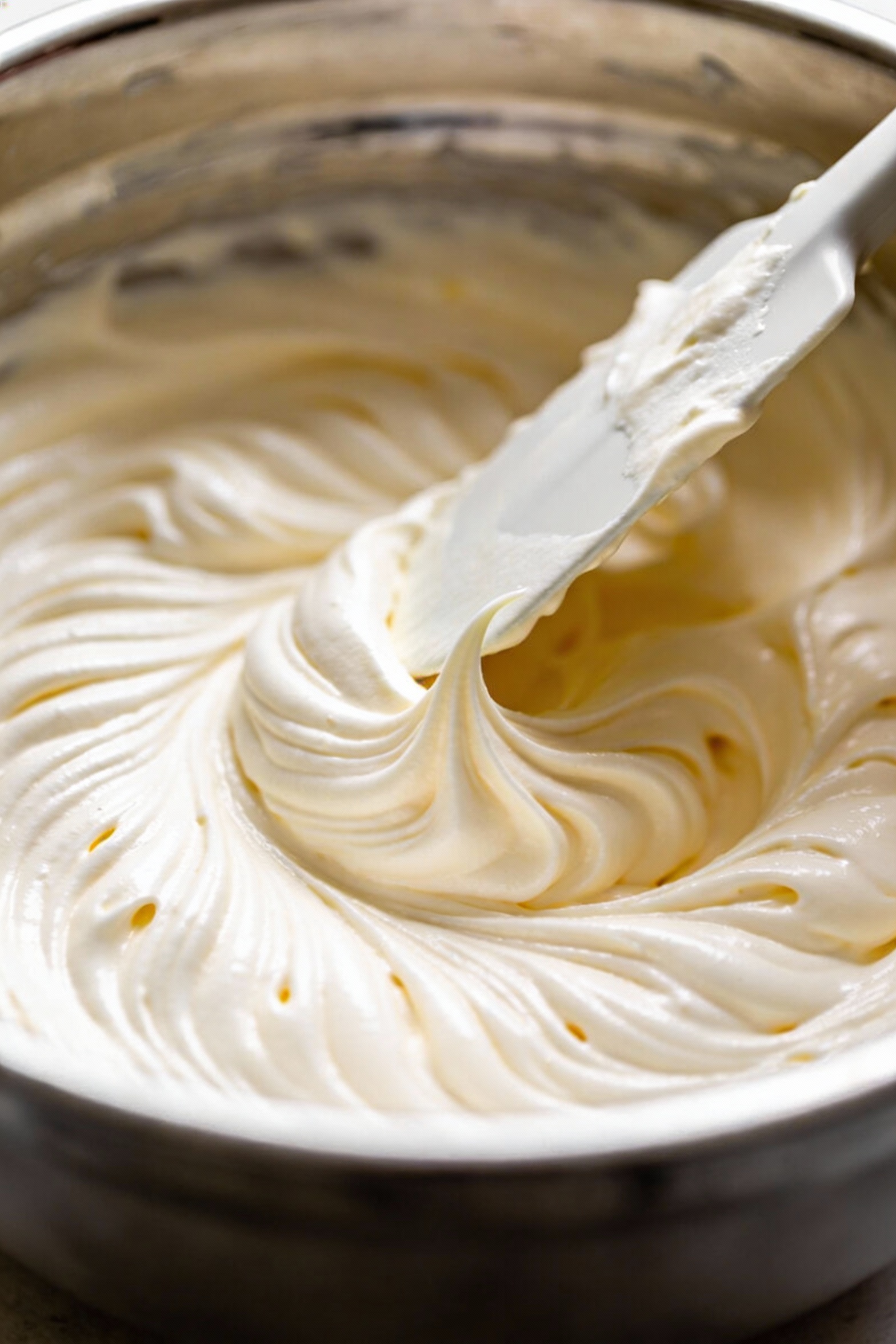
Make the buttercream. Beat butter for 2 minutes until creamy. Add powdered sugar in batches with salt, then vanilla. Add cream 1 tablespoon at a time until spreadable and fluffy.
-
Level and fill. Trim domes if needed. Spread frosting on the first layer, add the second layer, then apply a thin crumb coat and chill 15 minutes.
-
Finish and decorate. Frost the cake smoothly or with swoops. Top with sprinkles or whatever makes you feel like a pastry wizard.
Preservation Guide
Room temperature: Keep covered up to 2 days if your kitchen isn’t blazing hot. Buttercream holds best around 65–72°F.
Refrigerator: Store covered up to 5 days. Let slices sit 20–30 minutes before eating so the crumb softens and the flavor wakes up.
Freezer (best for planning ahead): Wrap unfrosted layers tightly in plastic, then foil, and freeze up to 2 months. Thaw wrapped at room temp so condensation stays on the wrap, not on your cake.
Freezing frosted cake: Chill until firm, then wrap carefully and freeze up to 1 month. Thaw in the fridge overnight, then bring to room temp before serving.
What’s Great About This
- Bakery-style texture without special equipment
- Big vanilla flavor that doesn’t taste “eggy”
- Stays moist for days thanks to oil + dairy
- Flexible for layers, cupcakes, or sheet cake
- Beginner-friendly once you follow the mixing order
IMO, the best part is how predictable it is. You get the same height and softness every time, which is rare in the wild world of homemade baking.
Avoid These Mistakes
- Cold ingredients: they break the batter and mess with rise; set them out 45–60 minutes first.
- Overmixing after flour: that’s how you get chewy cake, which is a sentence no one should have to say.
- Wrong measuring: pack flour and you’ll get a dense brick; spoon and level for accuracy.
- Opening the oven early: sudden heat loss can collapse the center. Yes, even if you “just peek.”
- Frosting warm layers: it melts, slides, and ruins your confidence. Let the cake cool completely.
- Skipping the crumb coat: crumbs in the final coat look messy; the quick chill saves your sanity.
FYI, sinking usually comes from underbaking or too much leavening, not because your oven “hates you.”
Recipe Variations
- Chocolate version: Replace 1/2 cup flour with 1/2 cup Dutch-process cocoa. Add 2 tablespoons extra sugar and use hot coffee (not water).
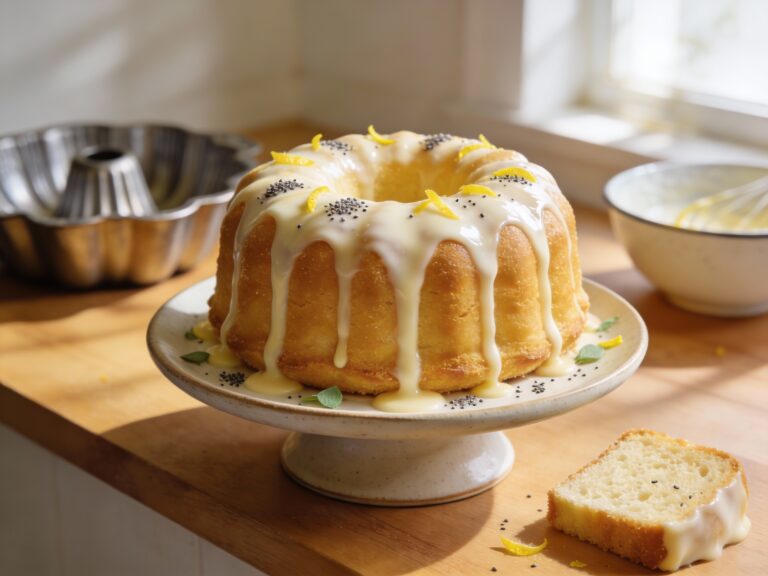
- Lemon vanilla: Add 2 tablespoons lemon zest and swap 1 tablespoon vanilla for 1 tablespoon lemon juice in the batter. Use lemon in the frosting, too.
- Almond celebration cake: Add 1/2 teaspoon almond extract to the batter and frosting. More is not better here; it gets perfume-y fast.
- Strawberries and cream: Fill with sliced strawberries and a thin layer of frosting. Keep refrigerated and serve within 2 days for best texture.
- Confetti cake: Fold in 1/2 cup jimmies at the end. Avoid nonpareils; they bleed and make the batter look like it lost a fight.
If you want cupcakes, bake at 350°F for 16–20 minutes and fill liners about 2/3 full.
FAQ
Can I use all-purpose flour instead of cake flour?
Yes. Use 2 3/4 cups all-purpose flour and keep the cornstarch in; the texture will be slightly less delicate but still very good.
What if I don’t have buttermilk?
Mix 1 1/4 cups milk with 1 tablespoon plus 2 teaspoons lemon juice or vinegar, let it sit 5 minutes, then use it. It’s not identical, but it’s close enough to save the day.
Why add hot coffee or hot water?
The hot liquid helps dissolve sugar and bloom flavor, giving a softer crumb and richer taste. Coffee won’t make it taste like coffee; it just makes vanilla feel louder.
How do I know the cake is done without drying it out?
Look for a springy center, edges pulling slightly from the pan, and a toothpick that comes out with a few moist crumbs. If it’s clean-dry, you may already be a minute late.
Can I make this ahead for an event?
Absolutely. Bake layers the day before, wrap tightly, and frost the next day. Or freeze the layers for up to 2 months and assemble after thawing.
Why is my buttercream too sweet?
Use more salt (tiny amounts), add a splash of cream, and whip longer for a lighter feel. You can also mix in 4 ounces of cream cheese for tang, but it will soften the frosting.
Can I bake this as a sheet cake?
Yes. Use a 9×13-inch pan and bake around 30–38 minutes at 350°F. Start checking early because sheet cakes can go from perfect to dry in a blink.
Final Thoughts
This is the kind of cake that makes people ask where you ordered it from, which is the best compliment and also mildly hilarious.
Stick to the mixing order, respect cooling time, and don’t freestyle the flour measurement. Do that, and you’ll get a fluffy, buttery cake that tastes expensive.
Make it once, save it, and you’ll have a go-to for birthdays, holidays, or random “I deserve cake” nights.