Cake Roll Recipes That Look Bakery-level Fast
Make a soft sponge, a swoopy filling, and a clean swirl in under an hour, even if your last “roll” cracked like a bad joke.
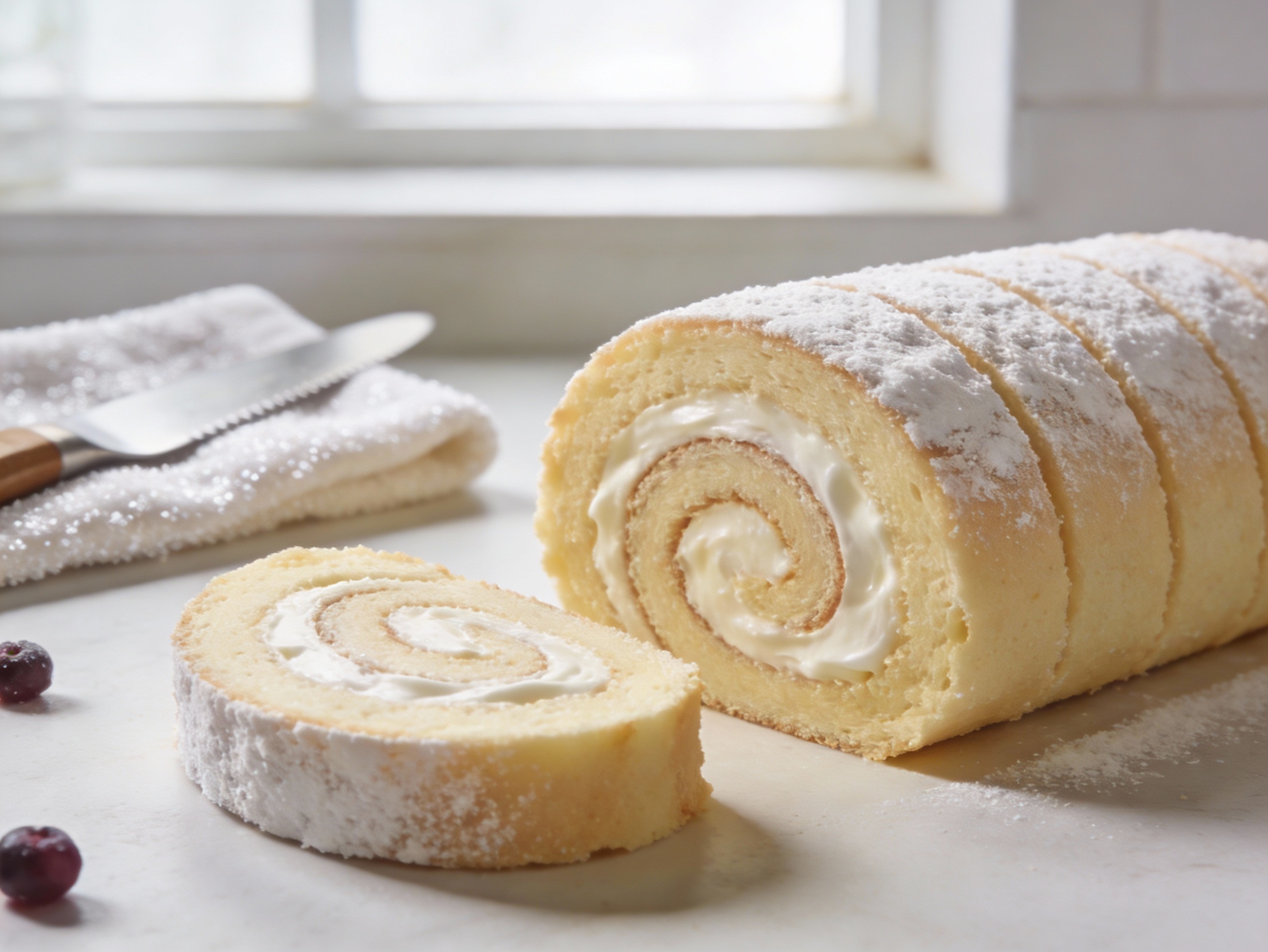
You want the wow-factor dessert without the three-day emotional journey. A cake roll is that flex: it looks like you own a piping bag and a secret French grandmother. Here’s the truth: the swirl isn’t “talent,” it’s timing, moisture, and not overbaking by 90 seconds. Nail those, and you get a slice that makes people pause mid-sentence. Miss them, and you get a delicious crackled blanket you’ll still eat standing over the sink.
What Makes This Recipe Awesome
This roll bakes thin, cools fast, and fills like a dream, so you can go from “I should make dessert” to “I made dessert” in one episode of whatever you’re watching. The sponge stays flexible because we keep the flour low and the eggs high. The filling hits that sweet spot: rich, stable, and not so sweet it tastes like frosting regret. You also get a built-in “fancy” presentation with almost zero extra effort, which is honestly the best kind of effort.
- Beginner-friendly swirl: Roll while warm, unroll when cool, and the cake behaves.
- Soft, not rubbery: Gentle mixing keeps it light and bendy.
- Stable filling: Cream cheese + whipped cream gives structure without heaviness.
- Make-ahead wins: Chill, slice clean, and serve like you planned your life.
Shopping List – Ingredients

This makes one standard jelly-roll pan cake (about 10 to 12 slices), with a classic vanilla sponge and a not-too-sweet cream cheese whipped filling.
- Eggs: 4 large, room temperature
- Granulated sugar: 3/4 cup
- Vanilla extract: 2 teaspoons
- Fine salt: 1/4 teaspoon
- All-purpose flour: 3/4 cup
- Baking powder: 1 teaspoon
- Milk: 2 tablespoons
- Neutral oil: 2 tablespoons
- Powdered sugar: for dusting towel and finishing
- Cream cheese: 6 ounces, softened
- Unsalted butter: 2 tablespoons, softened
- Powdered sugar (for filling): 3/4 cup
- Heavy cream: 3/4 cup, cold
- Pinch of salt: for filling
- Optional add-ins: lemon zest, cocoa powder, espresso powder, jam, fresh berries
Instructions
Read this once before you start. A cake roll is less “hard” and more “don’t get distracted.” Set yourself up and it’s smooth sailing.
-
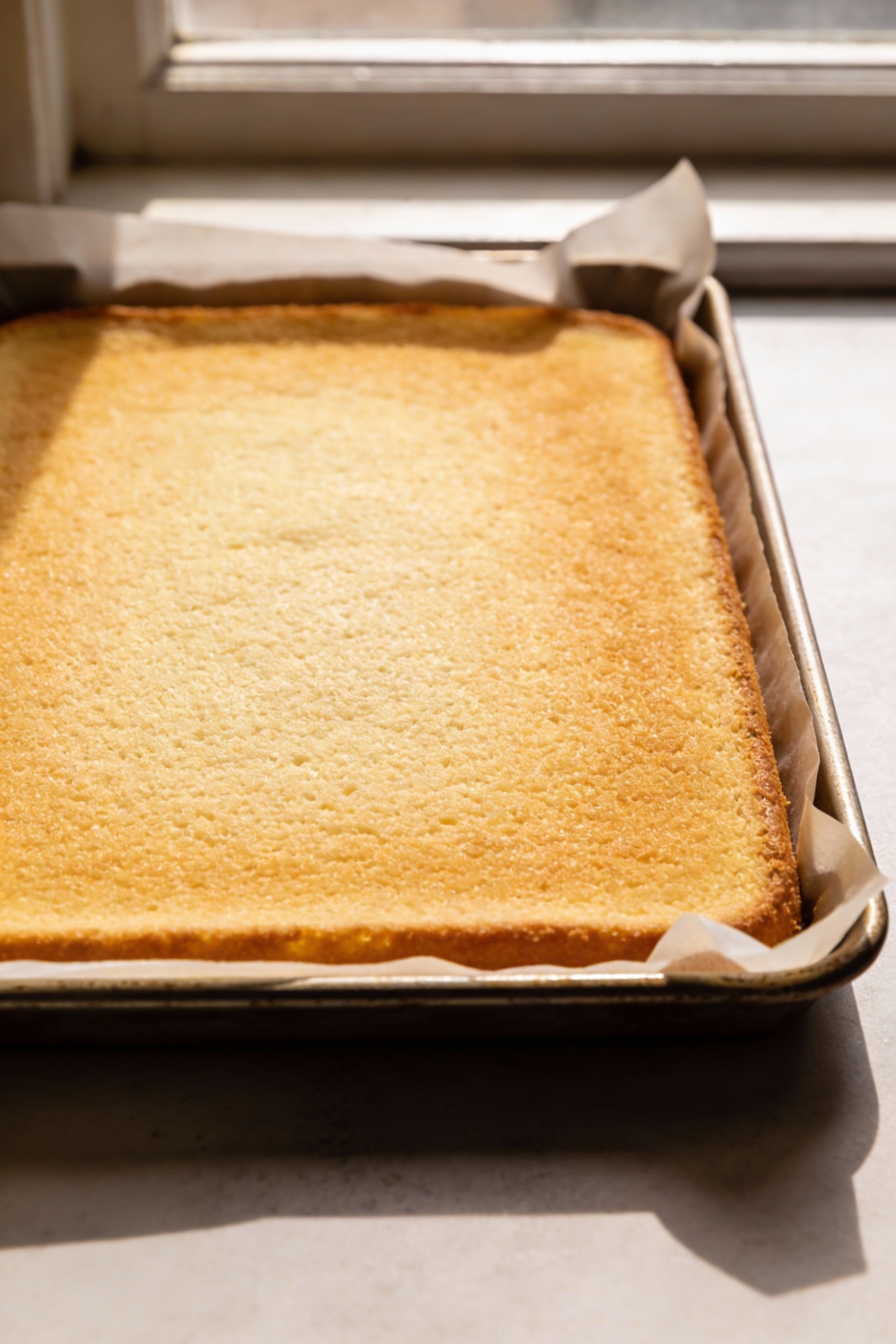
Prep the pan like you mean it. Heat oven to 350°F. Line a 10×15-inch jelly-roll pan with parchment, leaving a bit of overhang. Lightly grease the parchment so the cake releases without drama.
-
Set the towel trap. Lay a clean kitchen towel on the counter and dust it generously with powdered sugar. This is where the warm cake will roll up, so don’t be shy.
-
Whip the eggs and sugar to ribbon stage. Beat eggs and granulated sugar on high until pale, thick, and the batter falls in ribbons, about 4 to 6 minutes. Add vanilla and salt and beat 10 seconds more.
-
Sift the dry ingredients. Sift flour and baking powder over the egg mixture. Fold gently with a spatula until you stop seeing flour. Keep the air you worked for; you’re not stirring soup.
-
Warm the liquids, then fold in. Stir milk and oil together. Drizzle around the bowl and fold just until combined. This keeps the crumb tender and helps flexibility.
-
Spread thin and even. Pour batter into the pan and spread to the corners in a smooth, even layer. Uneven batter equals a lopsided spiral. Nobody wants a spiral that looks like it gave up.
-
Bake fast, don’t overbake. Bake 9 to 12 minutes until the top springs back lightly when touched and the cake looks set. Overbaking is the number one reason rolls crack.
-
Flip immediately. While hot, run a thin knife along edges if needed. Invert the cake onto the powdered sugar towel, peel off parchment carefully, then dust the top lightly with powdered sugar.
-
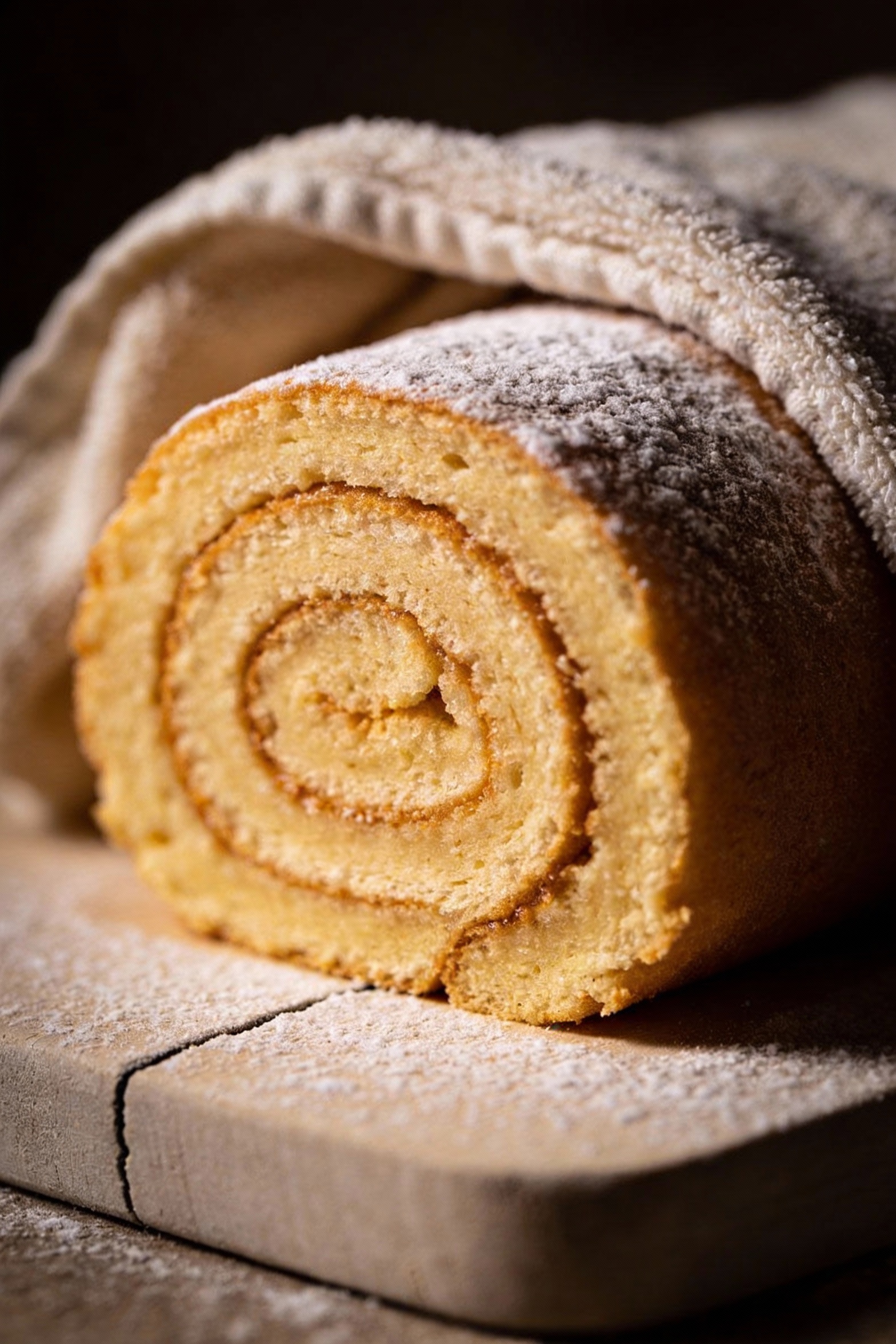
Roll it warm. Starting from a short end, roll the cake up with the towel inside, like a jelly-roll sleeping bag. Let it cool completely seam-side down, about 45 minutes.
-
Make the filling. Beat cream cheese and butter until smooth. Add powdered sugar and a pinch of salt and beat until creamy. In a separate bowl, whip cold heavy cream to medium-stiff peaks. Fold whipped cream into the cream cheese mixture until fluffy.
-
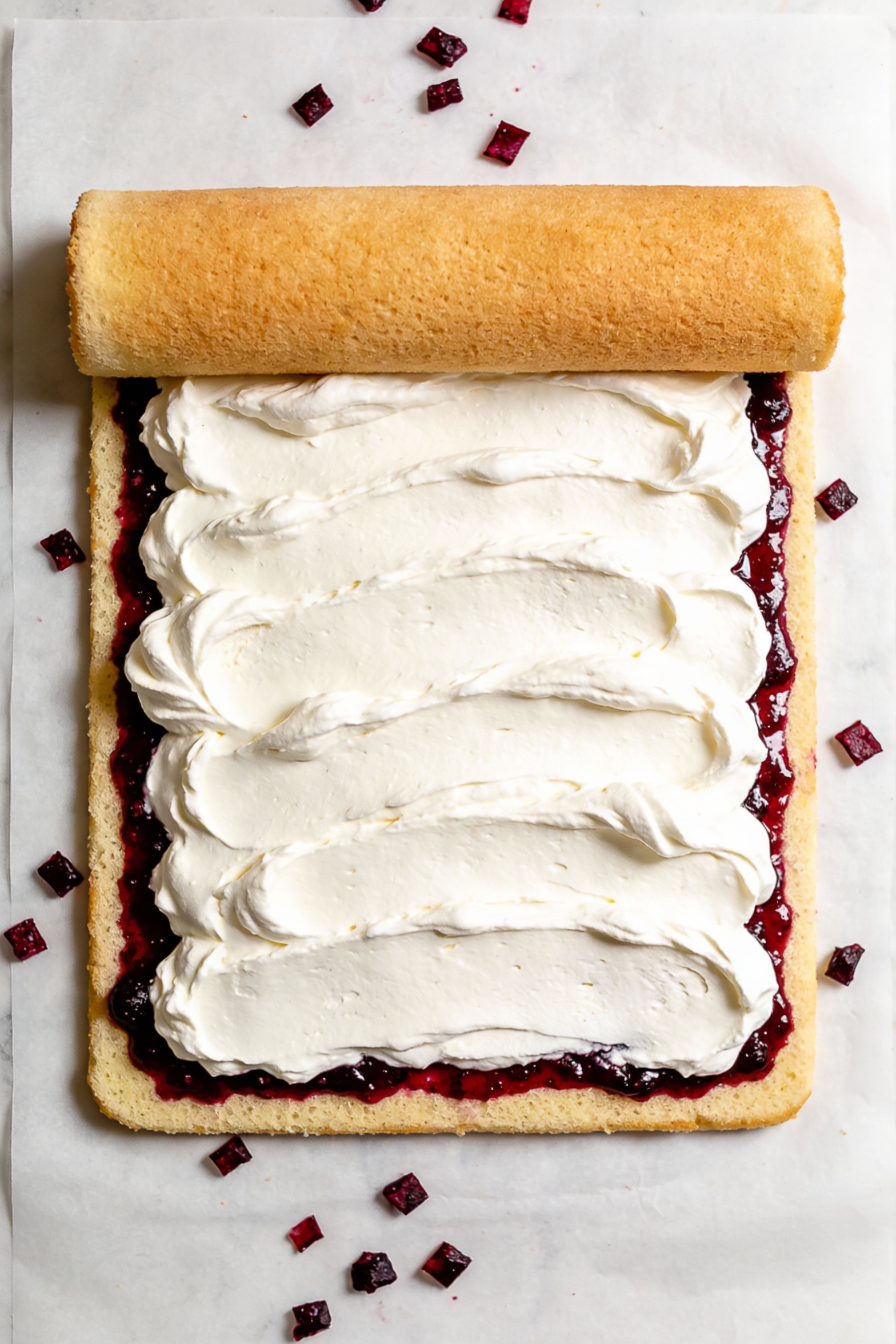
Unroll, fill, and reroll. Gently unroll the cooled cake. Spread filling evenly, leaving a 1/2-inch border so it doesn’t squish out. Roll back up tightly (without wrestling it), wrap, and chill at least 1 hour.
-
Slice like a pro. Dust with powdered sugar. Use a sharp serrated knife and wipe between cuts for clean spirals. Serve and accept compliments like it’s your job.
How to Store
Wrap the roll tightly in plastic wrap and refrigerate. It stays best for 3 days, and the slices actually get cleaner after it chills. If your fridge smells like onions, add a second wrap layer, unless you’re into “savory vanilla.”
To freeze, wrap the un-sliced roll in plastic wrap, then foil, and freeze up to 2 months. Thaw overnight in the fridge, then dust and slice. FYI, freezing works better with cream cheese based fillings than super-light whipped cream alone.
What’s Great About This
You get a dessert that feels fancy without needing fancy. The sponge stays tender, the filling stays stable, and the swirl looks like you tried harder than you did. It’s also a crowd-pleaser because you can tweak flavors endlessly while keeping the same base method.
- Built-in portion control: Slices look generous without being heavy.
- High “wow” per minute: Minimal decorating, maximum effect.
- Flexible flavors: Vanilla base supports chocolate, citrus, coffee, and fruit.
- Party-friendly: Make ahead, chill, slice on demand.
What Not to Do
Most roll disasters come from rushing the wrong part and overdoing the wrong part. You want speed in the bake and flip, and patience in the cool and chill. Also, don’t freestyle your pan size unless you like cake math and disappointment.
- Do not overbake. Dry cake equals cracks, guaranteed.
- Do not skip the towel sugar. The cake will stick and tear like it’s offended.
- Do not roll it cold. Cold sponge bends like cardboard.
- Do not spread filling on a warm cake. You’ll create sweet soup.
- Do not overmix after flour. You’ll lose air and get a tough roll.
- Do not overfill. The spiral will squeeze out the sides and make a messy log.
Different Ways to Make This
Once you nail the technique, you can remix the flavor without changing the core steps. Keep the cake thin, keep it moist, and keep the roll timing the same. Everything else is fair game, IMO.
Chocolate Fudge Roll
Replace 1/4 cup flour with 1/4 cup unsweetened cocoa powder. Add 1/2 teaspoon espresso powder for depth. Fill with chocolate whipped cream or a ganache-lightened cream cheese filling.
Lemon Berry Roll
Add 1 tablespoon lemon zest to the batter with the vanilla. Spread a thin layer of berry jam under the filling, then scatter chopped berries sparingly so the roll still seals.
Matcha Cream Roll
Whisk 1 to 2 tablespoons matcha into the flour mixture. Sweeten the filling slightly more, since matcha brings pleasant bitterness. A light dusting of matcha on top looks ultra polished.
Pumpkin Spice Roll
Swap milk for 1/3 cup pumpkin puree and reduce flour to 2/3 cup to keep the texture flexible. Add cinnamon, ginger, and nutmeg. Pair with classic cream cheese filling and pretend it’s not going to disappear in 20 minutes.
Strawberries and Cream “Shortcake” Roll
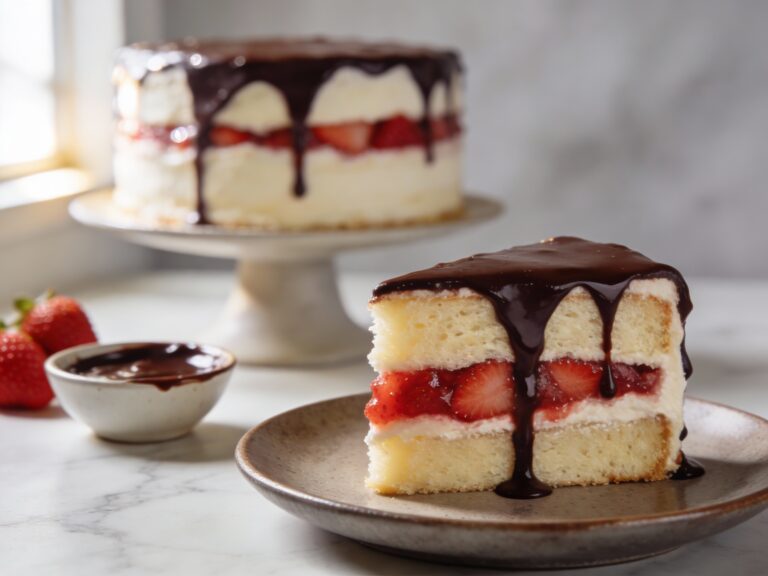
Keep the vanilla sponge, but add a splash of almond extract. Fill with lightly sweetened whipped cream stabilized with a spoon of cream cheese, plus thin-sliced strawberries.
FAQ
Why did my cake roll crack?
Cracking usually means the cake baked too long or cooled too much before the first roll. Bake just until set, flip right away, and roll while warm so the sponge “learns” the shape.
What pan size should I use for a cake roll?
A 10×15-inch jelly-roll pan is the standard because it gives the right thickness for rolling. A thicker cake (smaller pan) cracks easier, and a thinner cake (bigger pan) can dry out fast.
Can I make it ahead for a party?
Yes, and it’s actually better that way. Chill the filled roll for at least an hour, or overnight, then dust and slice right before serving for the cleanest spirals.
How do I get neat slices?
Chill the roll fully, then use a sharp serrated knife. Wipe the blade between cuts, and don’t smash down; use gentle sawing motions so the filling stays in place.
Can I use whipped cream only for the filling?
You can, but it’s less stable and can weep if it sits too long. For longer storage, add a little cream cheese or use a stabilized whipped cream method so it holds up.
What if my cake sticks to the parchment?
Lightly greasing the parchment helps, and flipping while hot is key. If it still sticks, pause and peel slowly at a low angle, using the towel to support the cake so it doesn’t tear.
My Take
A cake roll is the rare dessert that makes you look wildly competent with a very normal set of skills. It’s basically a timing puzzle: bake fast, flip fast, roll warm, chill cold. Once you get one clean spiral, you’ll start making these for every event like you’re running a personal PR campaign. And if it cracks once? Dust it with powdered sugar, call it “rustic,” and move on with your life.