Dip for Artichoke Leaves That Steals the Whole Appetizer Table
Creamy, bright, and fast to make, this crowd-friendly sauce turns steamed leaves into the first thing gone.
Most people put all their effort into cooking the artichokes, then phone in the sauce like nobody will notice. Everybody notices. The right dip turns a slightly fussy vegetable into the snack people hover over like seagulls at the beach. If you want guests pulling leaves, scraping them clean with their teeth, and asking for the recipe before dessert, this is the move. It is easy, cheap, and honestly a little unfair to every other appetizer on the table.
Artichokes already bring drama. They have layers, they make you work for the good part, and they somehow feel classy and rustic at the same time. So the sauce has one job: make each leaf worth the effort. This version hits creamy, tangy, savory, and fresh in one bowl, with zero need for culinary acrobatics. IMO, that is the sweet spot.
What Makes This Special
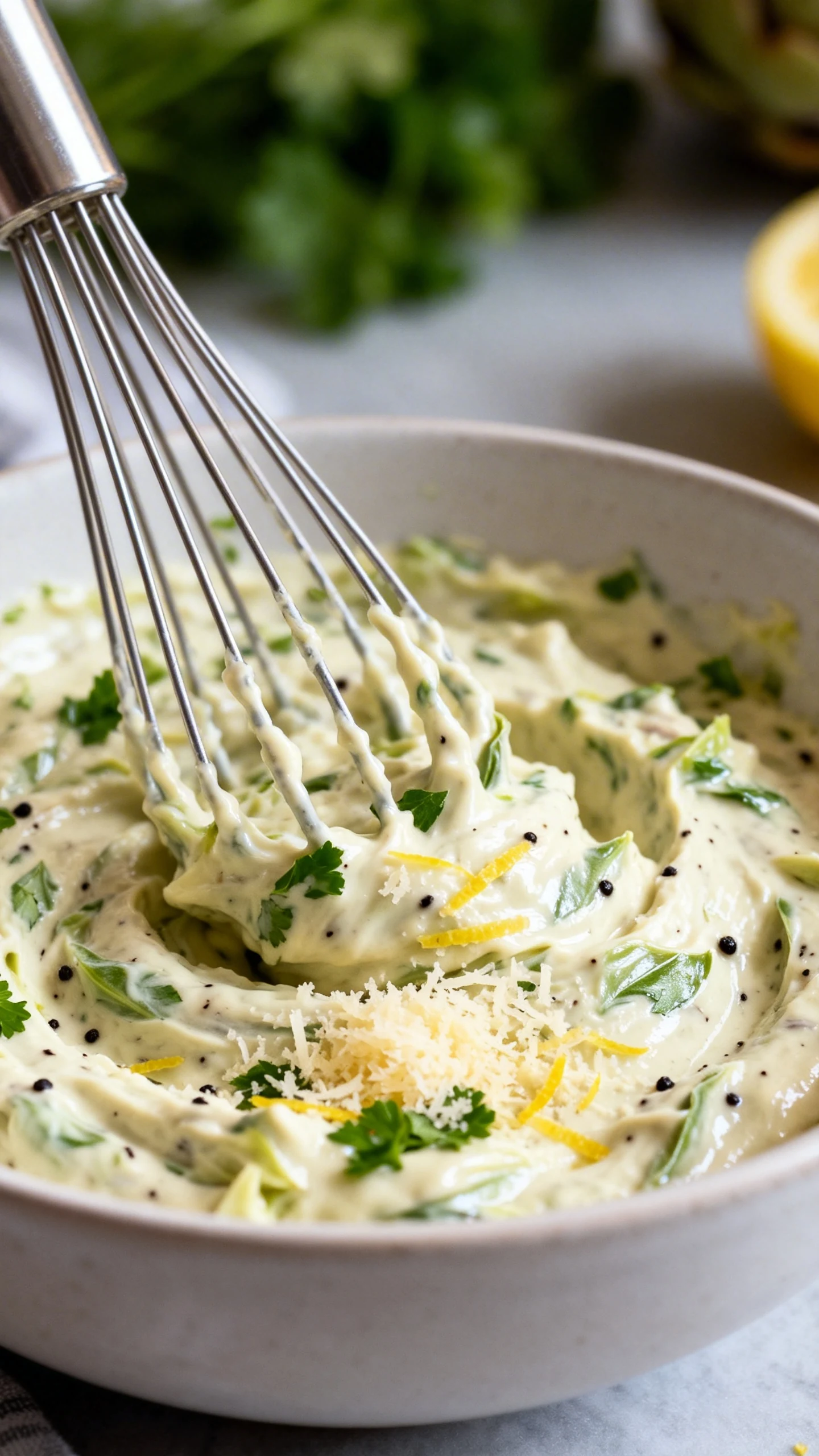
This dip works because it matches the texture of artichoke leaves instead of fighting them. The leaves are tender at the base but still a little firm, so a thin watery sauce slides right off and disappoints everyone. A thick, silky dip clings to the edible part of the leaf and gives you flavor in every bite.
The flavor balance matters too. Artichokes have a subtle earthy sweetness, so a sharp dip wakes them up fast. Mayo gives body, sour cream adds tang, lemon cuts through richness, garlic brings bite, and Parmesan adds a salty finish that tastes far more impressive than the effort required. Funny how a handful of fridge staples can suddenly act fancy.
Another win: this dip feels versatile without becoming boring. Serve it chilled for a clean, refreshing contrast with warm steamed artichokes, or let it sit out briefly so the flavors soften and bloom. It plays well at holiday dinners, backyard brunches, date nights, and those random evenings when you want to pretend vegetables are an event.
Ingredients Breakdown
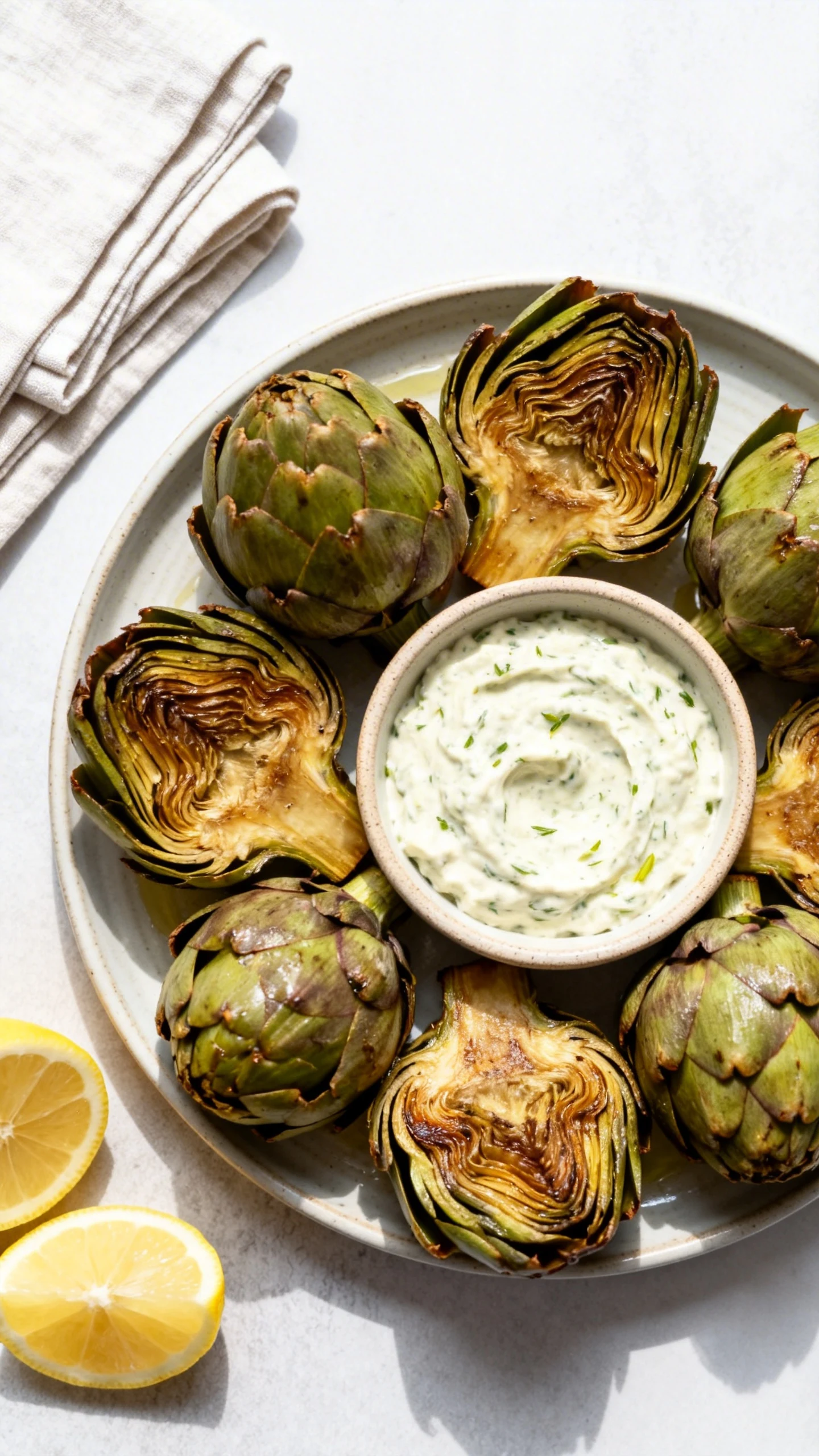
Here is everything you need for a classic creamy version that actually flatters the artichokes.
- 1/2 cup mayonnaise for richness, body, and that smooth texture that sticks to the leaves.
- 1/2 cup sour cream for brightness and a lighter tangy finish.
- 2 tablespoons fresh lemon juice to sharpen the flavor and keep the dip from tasting heavy.
- 1 teaspoon lemon zest for extra citrus aroma and a fresher top note.
- 1 small garlic clove, finely grated for punch without chunky bits.
- 2 tablespoons finely grated Parmesan cheese for umami and salt.
- 1 teaspoon Dijon mustard to tie the creamy and acidic elements together.
- 1 tablespoon chopped fresh parsley for color and a clean finish.
- 1/4 teaspoon kosher salt to season the whole bowl properly.
- 1/4 teaspoon black pepper for gentle warmth.
- Pinch of cayenne or paprika, optional if you want a little edge.
If you like a looser dip, add a teaspoon or two of water or extra lemon juice. If you want it thicker, add a bit more Parmesan or chill it for 20 minutes. No need to overcomplicate it and summon your inner food scientist.
You will also need cooked artichokes, of course. Steamed globe artichokes work best because their leaves stay tender while still sturdy enough to scoop. Roasted artichokes can work too, but they bring stronger caramelized flavors, so the dip may need a touch more lemon to keep things balanced.
Instructions
-
Start with a medium bowl. Add the mayonnaise, sour cream, lemon juice, lemon zest, grated garlic, Parmesan, Dijon, parsley, salt, pepper, and optional cayenne or paprika. Use a spoon or whisk and mix until completely smooth.
-
Taste before you serve. This matters more than people think. If it tastes flat, add a small squeeze of lemon or a pinch of salt. If it tastes too sharp, add another spoonful of mayo or sour cream.
-
Chill for 15 to 30 minutes if you have time. The garlic softens, the lemon settles in, and the Parmesan blends into the base. If you skip this, the dip still works, but the flavor will taste a bit louder and less polished.
-
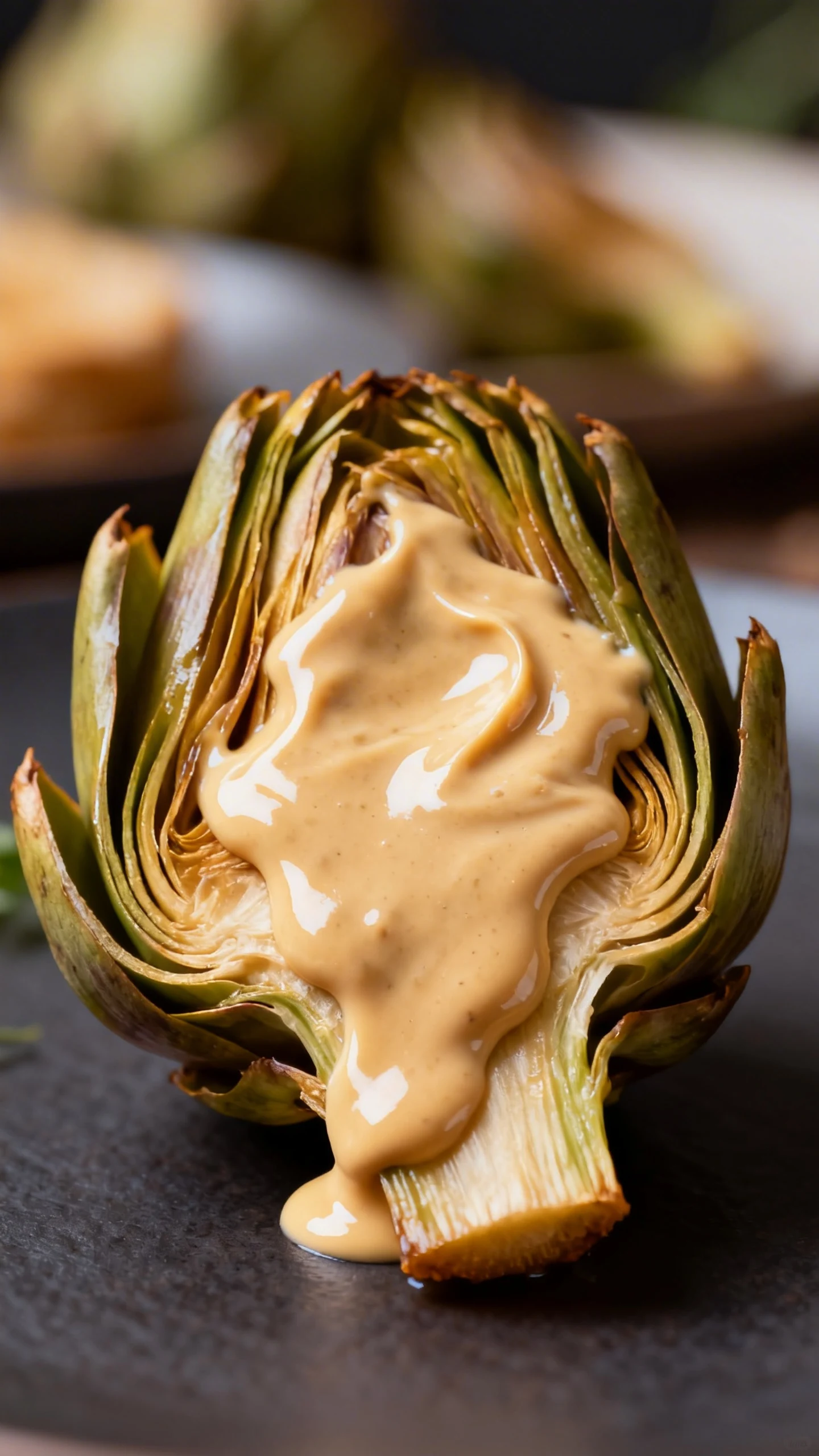
Prep the artichokes for dipping. Trim the stem, snip any thorny leaf tips if needed, and steam until the outer leaves pull off easily. The base of each leaf should feel tender, not chewy like punishment.
-
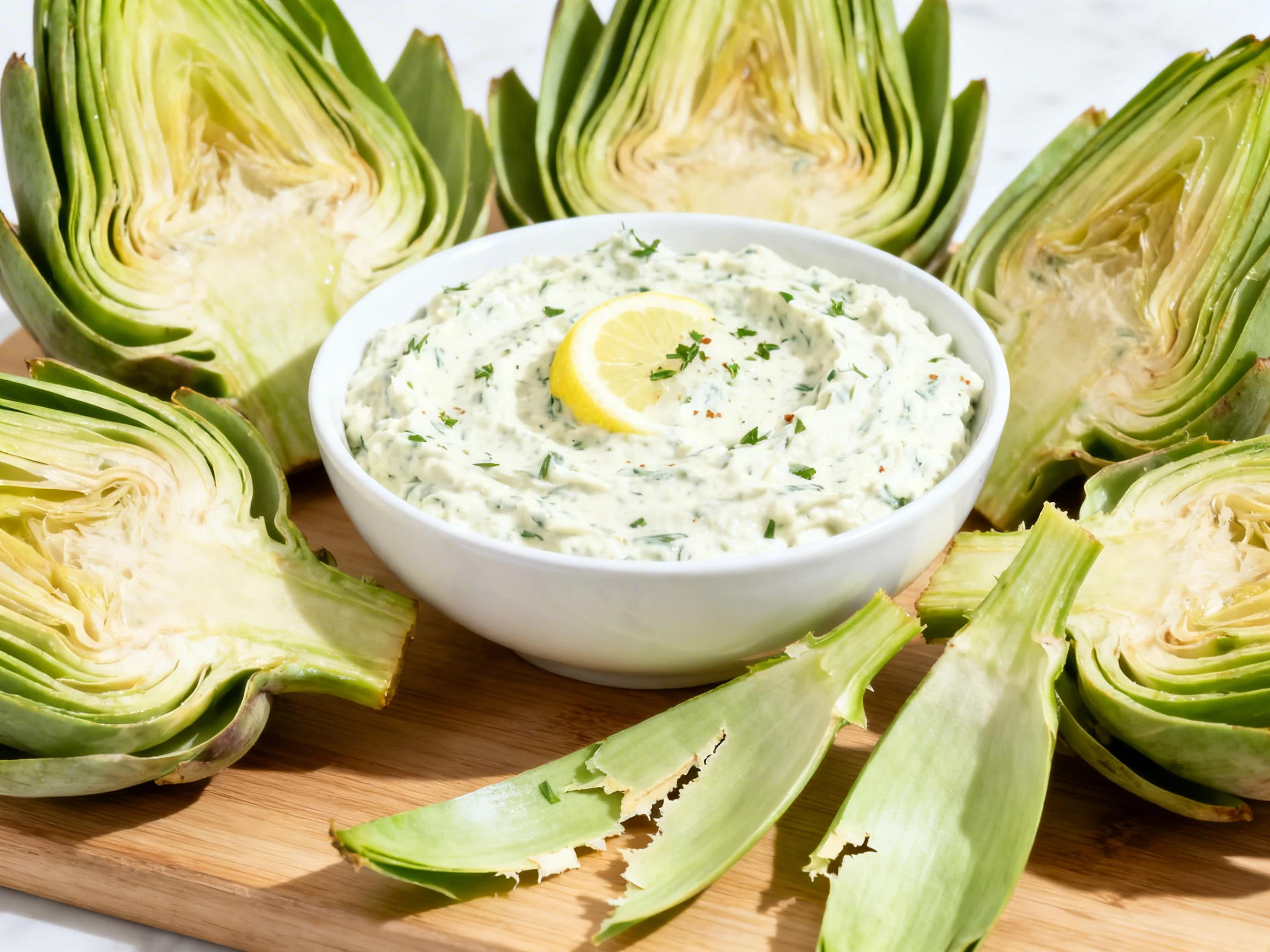
Serve smart. Spoon the dip into a shallow bowl so guests can actually scoop it. Put the warm artichokes next to it with extra lemon wedges and napkins, because this is a hands-on situation and nobody stays elegant for long.
-
Show people how to eat them if needed. Pull off a leaf, dip the fleshy end, then scrape the soft part with your teeth. Repeat until you reach the center, then enjoy the heart like the prize it is.
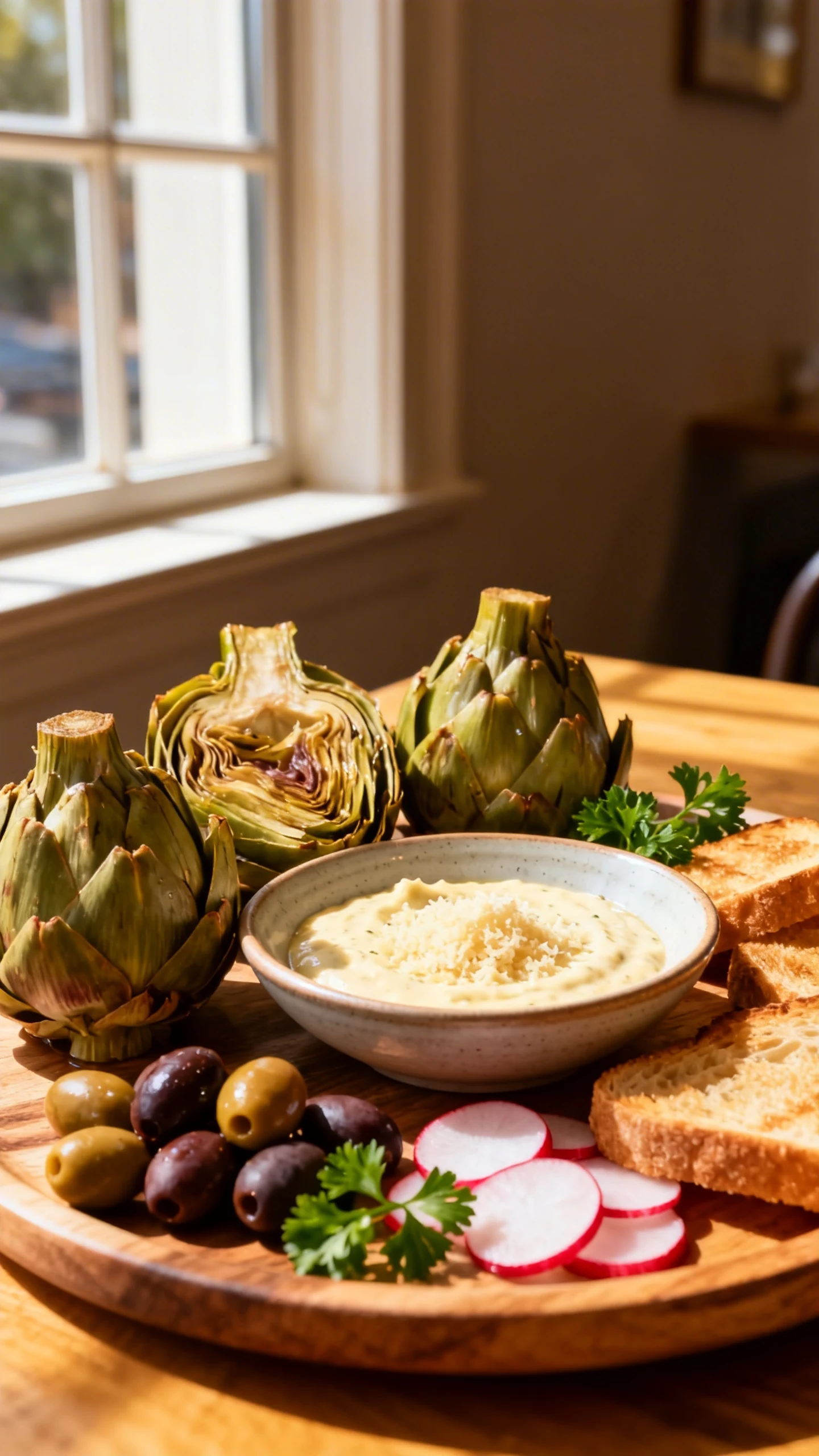
If you want to make the spread feel a little more complete, add olives, toasted bread, or a few sliced radishes on the side. That turns a humble bowl of sauce and some artichokes into a genuinely charming appetizer board. FYI, it also makes you look very organized.
Storage Tips
Store leftover dip in an airtight container in the refrigerator for up to 3 days. Stir it before serving again, because chilled dairy-based dips can tighten slightly and separate just a little. That does not mean it is ruined, just mildly dramatic.
Do not leave the dip out for more than 2 hours at room temperature. Since it contains mayonnaise and sour cream, it needs proper chilling to stay fresh and safe. If you served it outside on a warm day, be extra cautious and return it to the fridge quickly.
Cooked artichokes keep well in the refrigerator for about 3 to 4 days. Reheat them gently by steaming for a few minutes or enjoy them cold with the dip if you prefer. Cold artichokes are underrated, and yes, I am willing to defend that opinion.
What’s Great About This
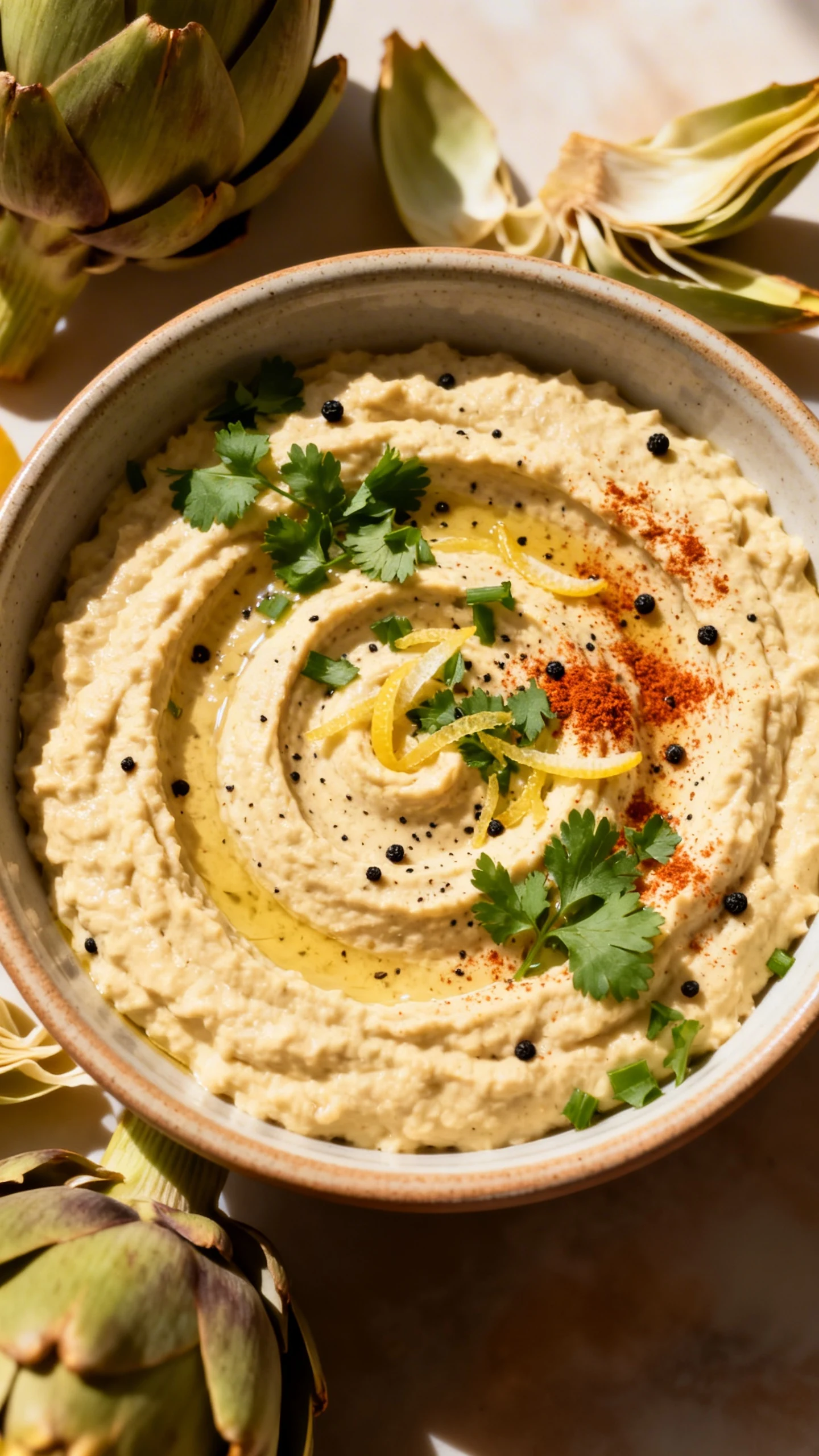
It is easy. You mix everything in one bowl with no cooking required for the dip itself. That makes it perfect for last-minute entertaining or lazy weekends when your energy level sits somewhere between ambitious and horizontal.
It tastes balanced. Creamy ingredients provide comfort, lemon adds brightness, garlic adds personality, and Parmesan keeps the flavor from feeling one-note. The result tastes intentional, not like a random pile of condiments accidentally sharing a bowl.
It works with more than artichokes. Try it with asparagus, roasted potatoes, grilled zucchini, or even as a sandwich spread. That means your leftovers have a future, which is always nice.
It feels special without costing much. Artichokes can look fancy on a table, and this sauce supports that energy. You get restaurant-style appetizer vibes without the restaurant bill or the tiny portions that trigger trust issues.
Don’t Make These Errors
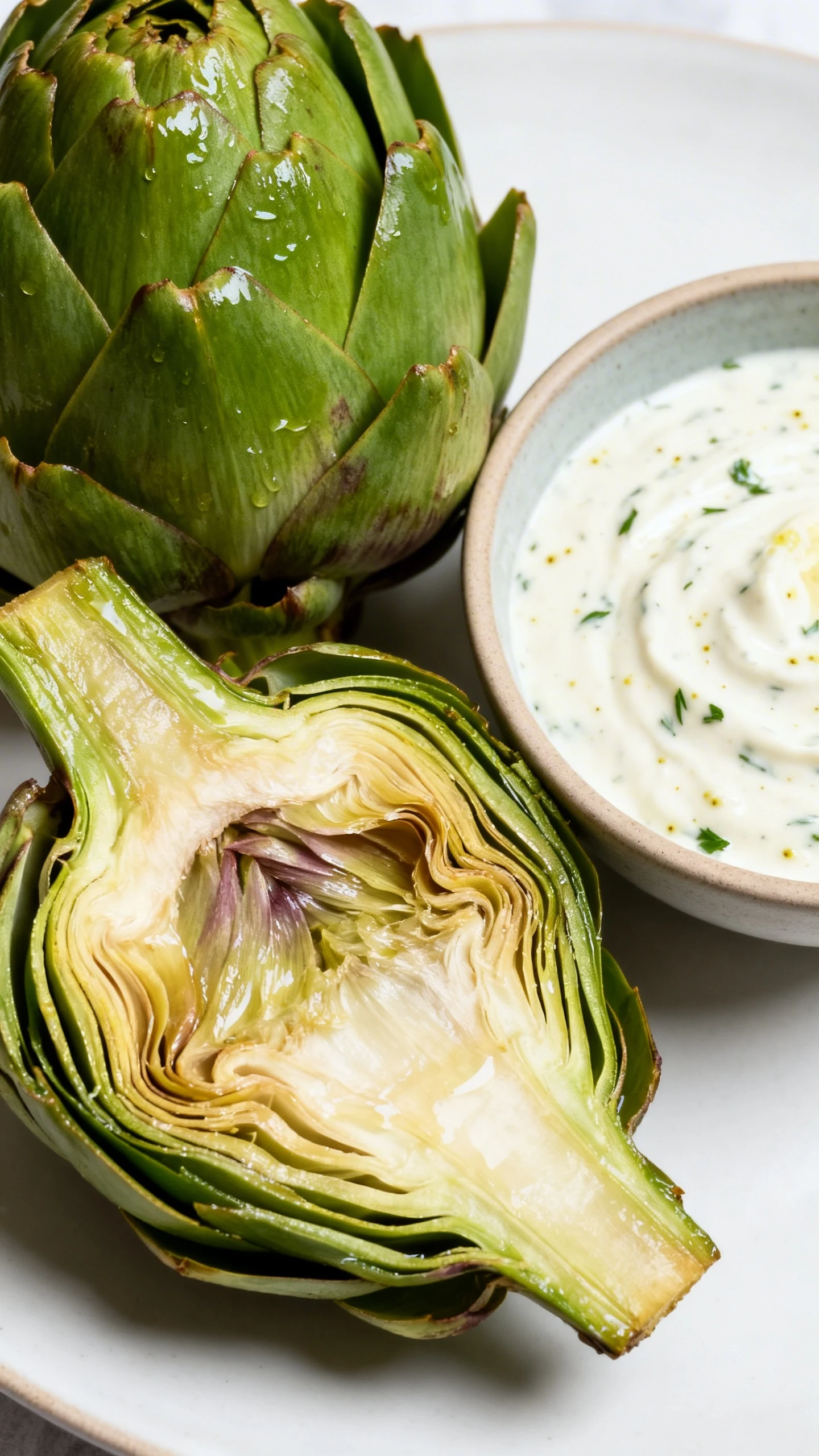
Do not underseason the dip. Artichoke leaves have a gentle flavor, so the sauce needs enough salt, acid, and savoriness to stand out. A bland dip makes the whole experience feel weirdly pointless.
Do not use raw chopped garlic in big pieces. Large bits create harsh bites and overpower the dip. Finely grate the garlic or mash it into a paste so it melts into the mixture.
Do not make it too thin. If the sauce runs off the leaf, it fails the main assignment. Keep it thick enough to cling, and adjust only in tiny amounts if needed.
Do not overcook the artichokes. Mushy leaves feel sad and collapse when dipped. Steam them until tender but still structured enough to pull and scoop.
Do not skip the taste test. Lemon strength varies, Parmesan saltiness varies, and your spoon has no ego. Taste, adjust, then serve something that actually deserves compliments.
Alternatives
If you want a lighter version, swap the mayonnaise for plain Greek yogurt or use half yogurt and half sour cream. You will get more tang and a slightly leaner texture. It is not identical, but it is still excellent and feels a little fresher.
For a richer, more classic French-inspired option, try a quick lemon aioli. Use mayonnaise, extra garlic, lemon juice, and a little olive oil for a punchier dip with a silkier finish. This version feels bold and pairs especially well with warm steamed artichokes.
If you love herbs, add chopped chives, dill, tarragon, or basil. Tarragon gives a subtle anise note that tastes elegant with artichokes, while dill makes the whole thing taste cooler and brighter. Choose one main herb or the dip starts getting chaotic.
Need a dairy-free option? Use vegan mayo and skip the sour cream and Parmesan, replacing them with a squeeze of extra lemon and a little nutritional yeast. The texture stays creamy, and the flavor still feels complete.
You can also make a melted butter version with lemon, garlic, and a pinch of salt. That is simpler and more minimalist, but still delicious if you want the flavor of the artichokes to stay front and center. Sometimes less really is more, annoyingly enough.
FAQ
What is the best texture for an artichoke dipping sauce?
The best texture is thick, creamy, and spoonable. It should cling to the fleshy end of the leaf instead of dripping back into the bowl. If it feels runny, chill it longer or add a bit more mayo, sour cream, or grated cheese.
Can I make this ahead of time?
Yes, and it actually improves after a short rest. Make it up to 24 hours ahead and store it covered in the refrigerator. Stir before serving and adjust the lemon or salt if needed.
Should the dip be served cold or at room temperature?
Cold works very well, especially with warm artichokes, because the contrast feels fresh and satisfying. If you prefer a softer flavor, let it sit out for 10 to 15 minutes before serving. Just do not leave it out too long.
Can I use jarred lemon juice?
You can, but fresh lemon juice tastes brighter and cleaner. Since the dip relies on just a few ingredients, each one matters more. Fresh zest also adds a lot of aroma that bottled juice cannot match.
What if I do not like mayonnaise?
Use all sour cream, all Greek yogurt, or a blend of yogurt and crème fraîche. The flavor will shift slightly, but the dip will still pair beautifully with artichokes. Just keep the balance of tang, salt, and garlic in check.
Can I make it spicy?
Absolutely. Add cayenne, hot sauce, crushed red pepper, or even a little horseradish for heat. Start small, taste, and build from there so the spice supports the artichokes instead of bulldozing them.
What else can I serve with this dip?
It goes well with roasted vegetables, fries, grilled shrimp, steamed asparagus, and crudités. You can also spread it on burgers or sandwiches. A good sauce should multitask, and this one understands the assignment.
My Take
Artichokes are one of those foods that ask you to slow down and participate, which feels rare and kind of great. That is why the sauce matters so much. It cannot be boring, and it cannot steal the show so hard that the vegetable becomes a delivery system with leaves.
This version gets the balance right. It tastes bright, creamy, and just assertive enough to make every leaf feel rewarding. It also respects your time, your grocery budget, and your desire to impress people without turning your kitchen into a stress laboratory.
If you serve artichokes even a few times a year, keep this dip in your back pocket. It is simple enough for a weeknight but polished enough for guests. And when people start asking why your appetizer disappears first, you can smile and act mysterious if you want.