Doctored Cake Mix Recipes That Taste Bakery-made Fast
Turn a boxed mix into a rich, tender cake in under an hour with simple add-ins that upgrade flavor, texture, and bragging rights.
You know that moment when you need dessert, but you also need it to look like you tried? This is how you win that game. Box mix is the shortcut, but the “doctoring” is the cheat code that makes people ask, “Where did you buy this?” You’re not baking to impress the oven, you’re baking to impress the room. And yes, you can do it with pantry stuff you already own.
What Makes This Special
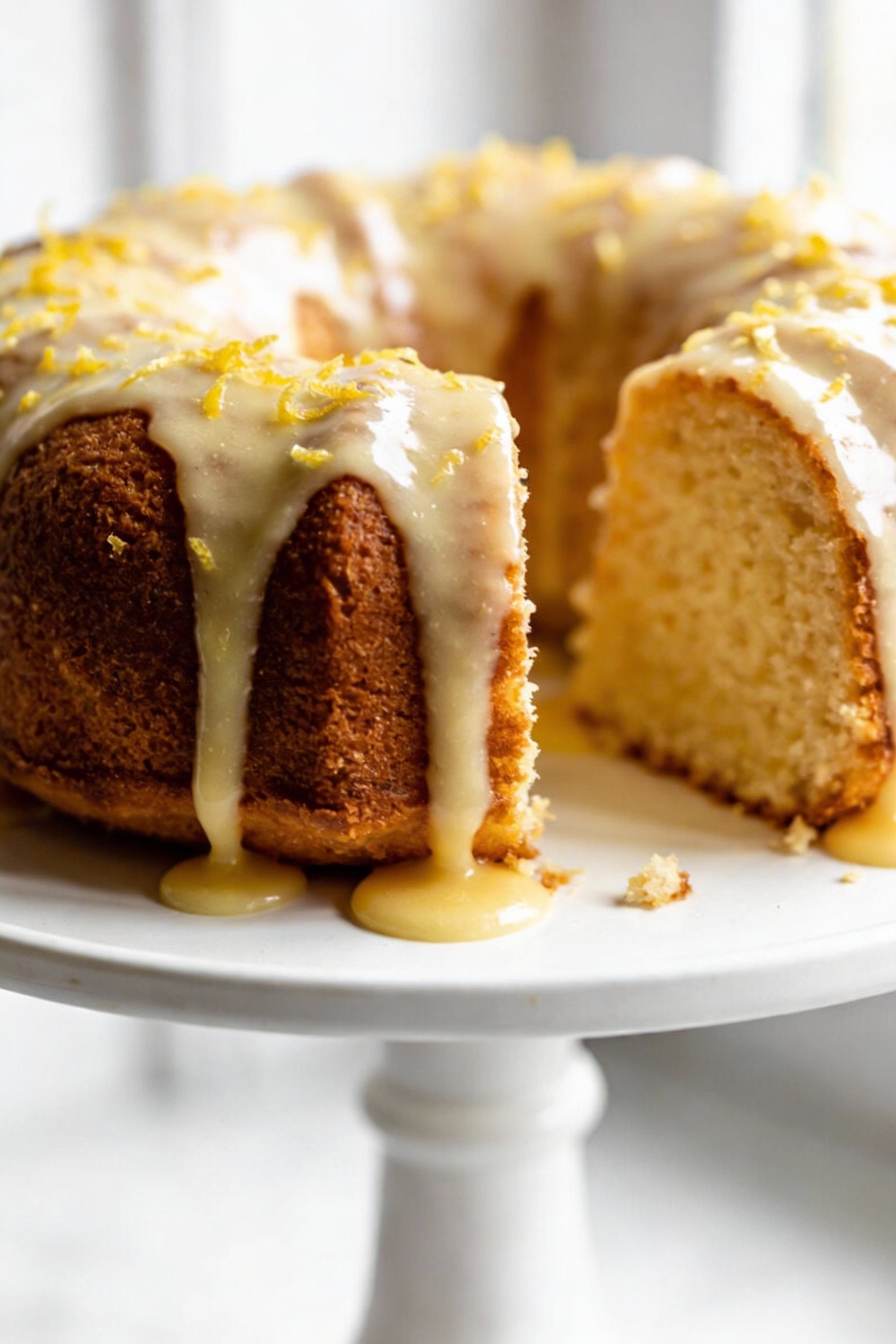
Doctoring a cake mix works because you’re fixing what the box can’t: moisture, richness, and flavor depth. A standard mix aims for “fine” across every kitchen, which means it can’t be amazing in yours without help. Add fat for tenderness, add dairy for a plush crumb, and add extra flavor so it tastes like something on purpose.
This method also makes baking more predictable. You get a consistent structure from the mix, then you control the “wow” factors: a softer bite, a more buttery aroma, and a cake that stays moist the next day. It’s basically training wheels with a turbo engine. Why struggle when you can upgrade?
Best part: you can customize the same base into multiple flavors for birthdays, potlucks, and “I forgot I volunteered” moments. Pick one cake mix, stock a few add-ins, and you’ll always have a plan. IMO, that’s the real flex.
Shopping List – Ingredients
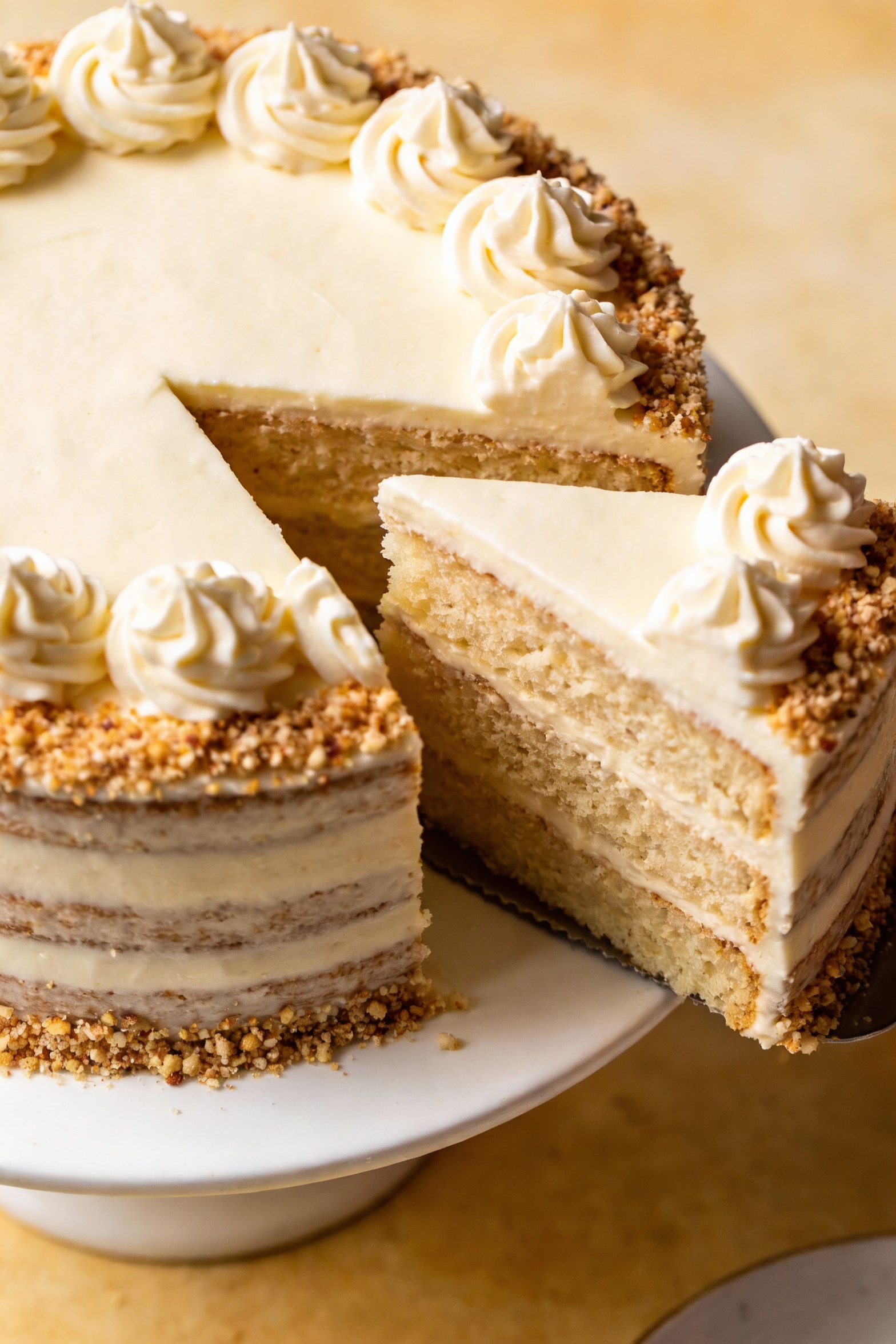
Use this as your universal base, then choose your flavor boosters. You won’t need every optional item every time, but having a few on hand makes you dangerously prepared.
- 1 box cake mix (any flavor, 15.25 oz typical)
- 4 large eggs
- 1 cup milk (whole preferred) or buttermilk
- 1/2 cup melted butter (or neutral oil)
- 1/2 cup sour cream or plain Greek yogurt
- 1 tablespoon vanilla extract (or 1 teaspoon almond extract for certain flavors)
- 1/4 teaspoon salt (optional, especially for very sweet mixes)
- 1 box instant pudding mix (3.4 oz, optional, matching flavor)
- 1 cup mix-ins (optional: chocolate chips, sprinkles, chopped nuts, crushed cookies)
- Citrus zest (optional: lemon, orange, lime)
- Spices (optional: cinnamon, pumpkin spice, espresso powder)
- Frosting (homemade or store-bought) and toppings (berries, shaved chocolate, toasted coconut)
How to Make It – Instructions
This is the “one base, endless results” play. Follow the list, then apply a flavor twist from the later section.
- Pick your pan and preheat. Heat oven to 325°F for Bundt pans or 350°F for 9×13 and round layers. Grease well, then add a light dusting of flour for anything that likes to stick.
- Upgrade the liquids. Pour milk or buttermilk into a measuring cup, then whisk in sour cream or yogurt until smooth. This adds moisture and a bakery-style crumb.
- Add the fat that actually tastes good. Melt butter and let it cool slightly, then use it instead of oil. If you use oil, choose a neutral one so your cake doesn’t taste like salad dressing.
- Mix the batter like you mean it, but not too much. Combine cake mix, eggs, liquid mixture, melted butter, vanilla, and optional pudding. Mix until just smooth, scraping the bowl. Overmixing makes it tough, and nobody wants a cake with gym membership energy.
- Fold in add-ins. Stir in chips, sprinkles, nuts, or cookie chunks last. Toss sticky add-ins in a teaspoon of dry mix first to help prevent sinking.
- Bake with a doneness check. Bake until a toothpick comes out with a few moist crumbs, not wet batter. Typical times: 9×13 about 28 to 35 minutes, layers 22 to 28 minutes, Bundt 40 to 55 minutes.
- Cool strategically. Cool in the pan 10 to 15 minutes, then turn out if needed. Frosting a warm cake turns it into a slippery situation.
- Finish like a pro. Level layers if you want clean stacking. Add frosting, glaze, or a dusting of powdered sugar. Top with something crunchy so it looks intentional.
FYI, the pudding mix is optional, but it’s the easiest way to get that soft, slightly dense bakery bite. Use it when you want a “how is this so moist” reaction.
Storage Tips
At room temperature, store frosted cake covered for 2 to 3 days if your frosting is shelf-stable and your kitchen isn’t tropical. Unfrosted cake stays best wrapped tightly in plastic wrap, then kept in an airtight container. Air is the real villain here, not time.
In the fridge, cake lasts 4 to 5 days, but cold air can dry it out. Wrap slices individually, or press plastic wrap directly against cut edges. Let chilled cake sit 20 to 30 minutes before serving so the texture softens and flavors wake up.
For freezing, wrap layers or slices in plastic wrap, then foil, then freeze up to 3 months. Thaw overnight in the fridge or a couple hours at room temp, still wrapped. Unwrap only when fully thawed to avoid condensation turning your cake into a damp sponge.
Health Benefits
Let’s be honest: cake isn’t a wellness seminar. But you can make smarter choices without making it sad. Adding Greek yogurt or sour cream boosts protein and adds richness so you don’t need a mountain of frosting to feel satisfied.
Using real butter and eggs improves flavor and helps you feel full faster than a hollow, sugary bite. You can also fold in chopped nuts for healthy fats, or add berries on top for fiber and a fresh contrast. If you want smaller portions, bake cupcakes and freeze half, because your future self deserves boundaries.
Common Mistakes to Avoid
Most “box mix fails” come from treating the mix like it’s fragile. It’s not. Just avoid the traps below and you’ll get consistent results.
- Overmixing. Mixing too long develops gluten and makes a tough cake. Stop when the batter looks smooth.
- Wrong oven temp for Bundt. Bundt cakes do better at 325°F for even baking and less doming.
- Skipping pan prep. Grease thoroughly, especially corners and designs. Nonstick doesn’t mean no-stick.
- Frosting too early. Warm cake melts frosting into a glossy puddle. Cool first, then decorate.
- Adding too many mix-ins. Extra chunks can weigh down the crumb. Keep it to about 1 cup unless you like chaos.
- Guessing bake time. Use visual cues and a toothpick test. Your oven lies, politely, every day.
Mix It Up
Same base, different personality. Pick a cake mix flavor, then choose one of these upgrades so your dessert tastes custom, not generic.
Bakery Vanilla Celebration
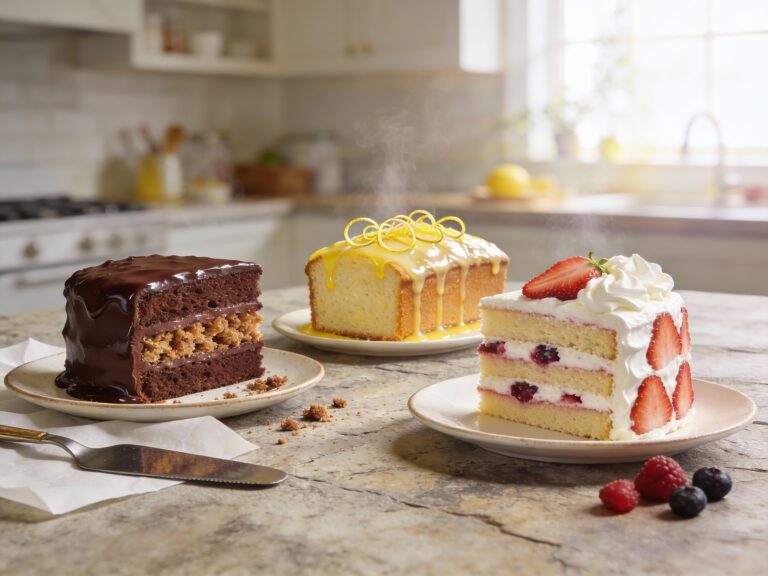
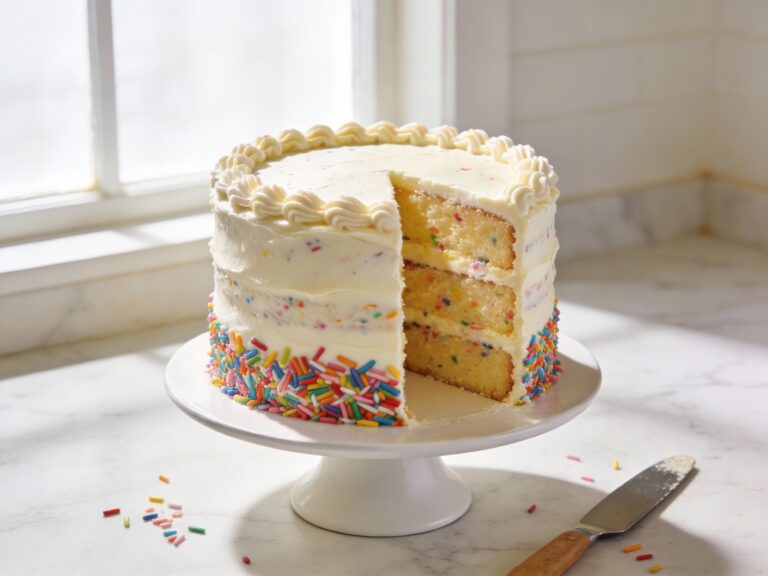
Use vanilla or white mix, add pudding mix in vanilla, and stir in sprinkles plus a splash of almond extract. Frost with buttercream and top with more sprinkles because subtlety is overrated.
Chocolate Fudge “Nobody Needs to Know”
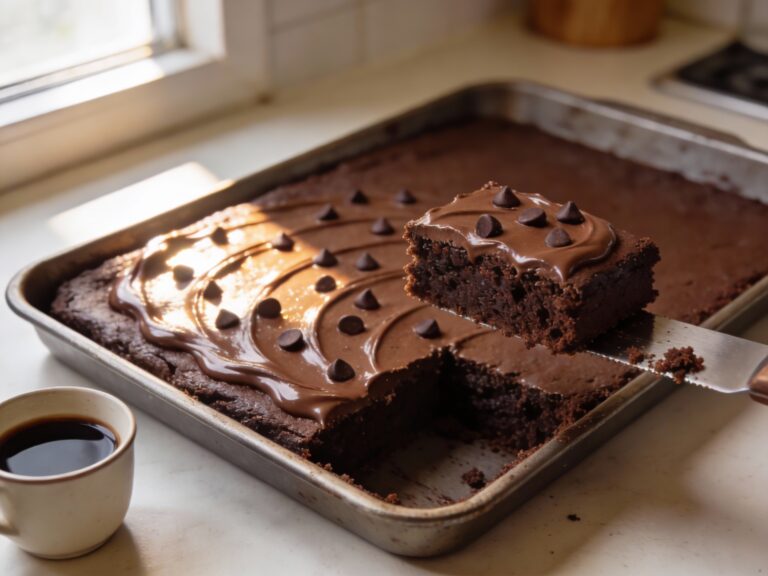
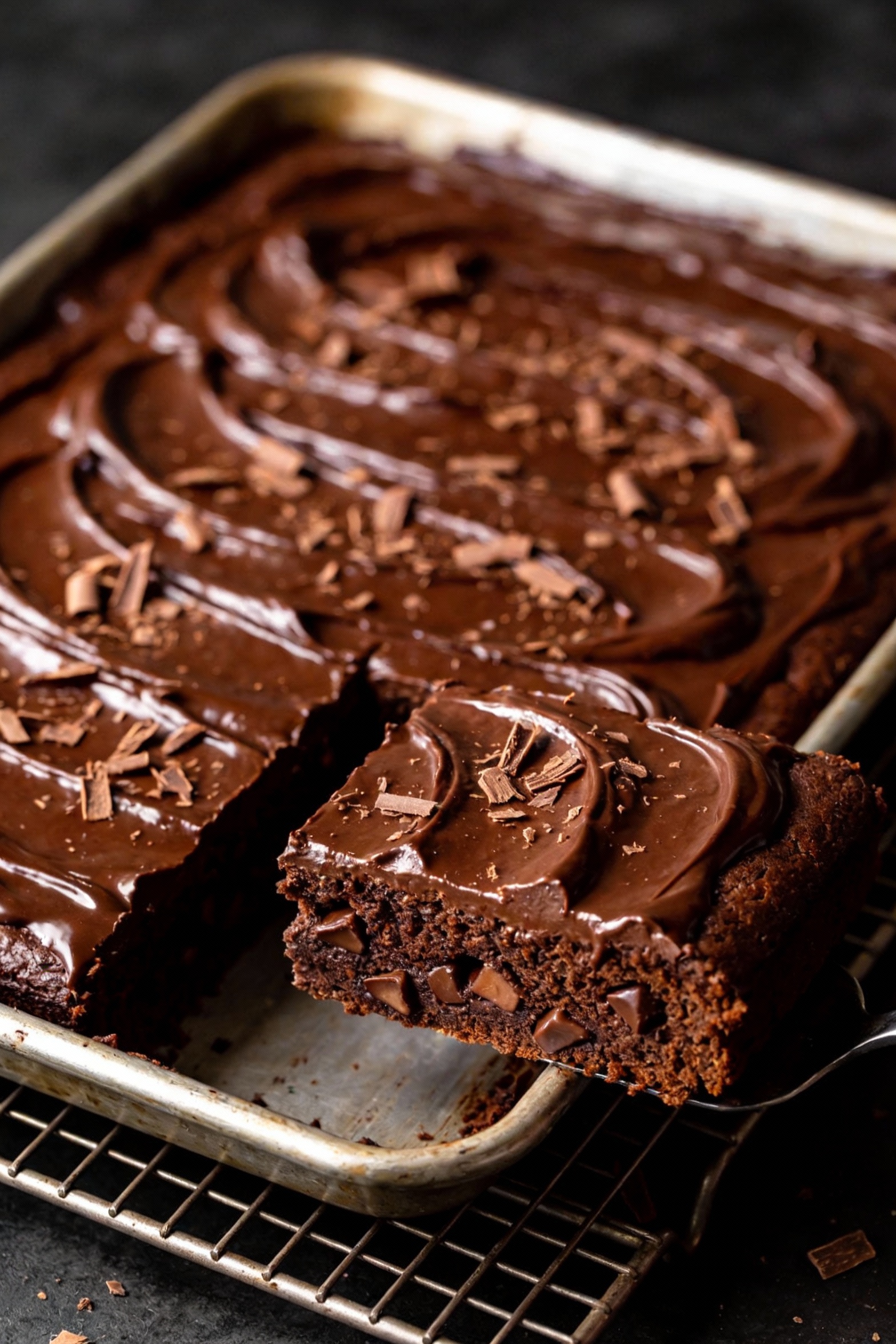
Use chocolate mix, add chocolate pudding mix, and fold in chocolate chips. Add 1 teaspoon espresso powder for deeper flavor without tasting like coffee. Finish with ganache or a glossy chocolate frosting.
Lemon Bright and Tangy
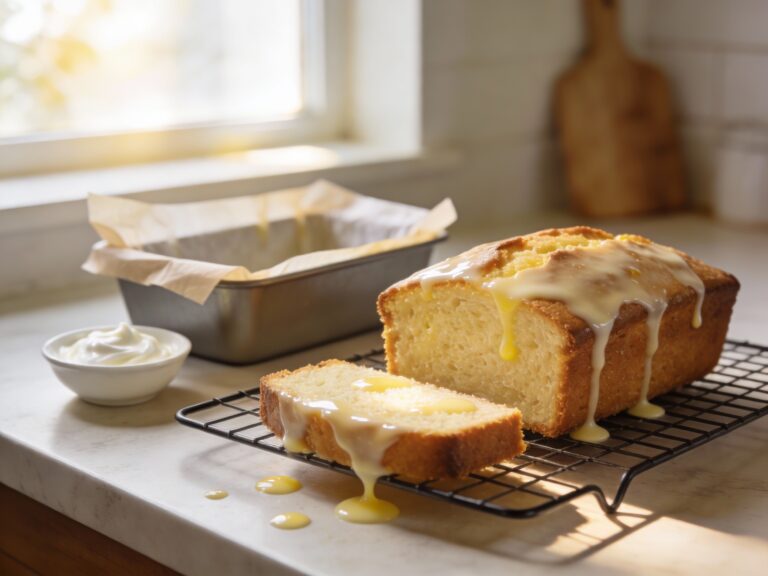
Use lemon or vanilla mix, swap milk for buttermilk, add lemon zest, and use lemon pudding mix if you want extra punch. Glaze with powdered sugar and lemon juice for that sharp, clean finish.
Strawberry Shortcake Vibes
Use strawberry mix, add vanilla pudding mix, and fold in chopped freeze-dried strawberries for real flavor. Serve with whipped topping and fresh berries. It tastes like summer, even in February.
Carrot Cake Shortcut
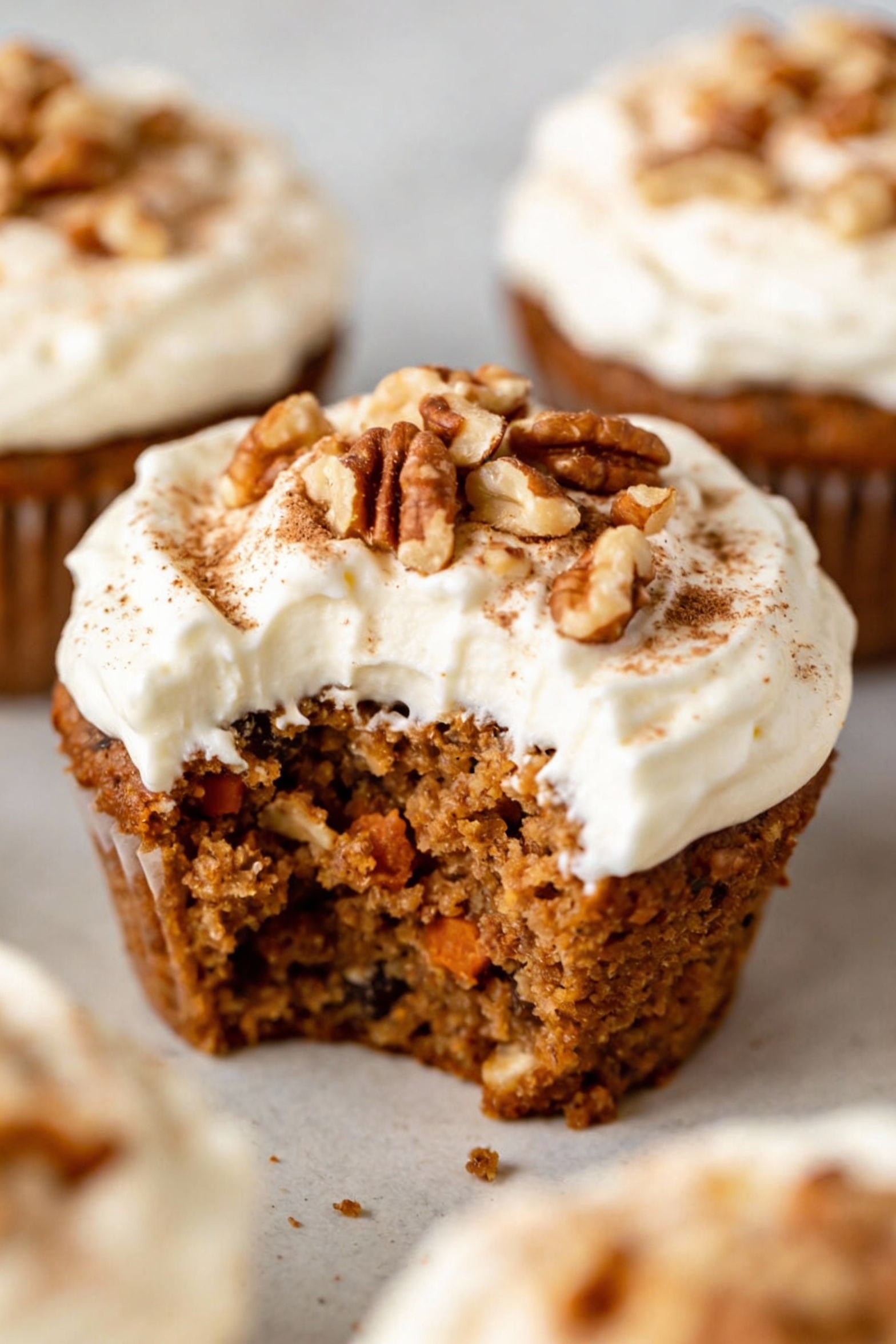
Use spice mix, add cinnamon, fold in shredded carrots and chopped walnuts, and use cream cheese frosting. You’ll get big “made from scratch” energy with minimal effort. Who needs a grater-induced meltdown?
FAQ
Can I use water instead of milk?
You can, but you’ll lose richness and a softer crumb. Milk or buttermilk makes the cake taste less “boxed” and more bakery-style, especially in vanilla and chocolate flavors.
Do I have to add pudding mix?
No. Pudding mix adds moisture and a slightly denser, plush texture, but the cake still upgrades nicely with butter, extra eggs, and sour cream or yogurt.
Why add an extra egg?
Extra egg adds structure and richness, which helps the cake hold up to frosting and layers. It also improves the bite so it feels more like a scratch cake and less like a fluffy sugar cloud.
Can I make this into cupcakes?
Yes. Fill liners about two-thirds full and bake at 350°F until a toothpick comes out with moist crumbs, usually 15 to 20 minutes. Cupcakes also freeze extremely well, which is convenient and mildly dangerous.
What frosting pairs best with doctored mixes?
Buttercream works with almost everything, cream cheese frosting shines with spice and carrot-style flavors, and a simple glaze keeps citrus cakes bright. If you use store-bought frosting, whip it for a minute or two to make it lighter and more spreadable.
How do I keep chips or berries from sinking?
Toss mix-ins with a teaspoon of dry cake mix before folding them in, and avoid overmixing. Also keep mix-ins to about 1 cup so the batter can support them.
Can I make a layer cake that stacks cleanly?
Yes. Use two or three round pans, let layers cool completely, then chill them 30 minutes before frosting. A cold cake is easier to level, frost, and move without turning your kitchen into a frosting crime scene.
Wrapping Up
Box mix isn’t cheating, it’s strategy. When you add butter, dairy, and a couple smart flavor boosters, you get a cake that tastes like you paid someone else to make it. Keep the base formula in your back pocket, then rotate flavors based on the crowd and the occasion.
Next time someone says, “You made this?” just smile and say yes. Technically true, emotionally satisfying, and nobody needs the receipt from the baking aisle.