5-ingredient Easy Pasta Dinners You’ll Make on Repeat
Five weeknight pasta wins with just five ingredients, bold flavor, and 20-minute cook times—minimal cleanup, maximum comfort.
You want dinners that deliver big results with tiny effort. Here’s the play: five ingredients, one pot of boiling water, and a sauce that basically makes itself. No culinary degree, no 20-step nonsense—just fast, repeatable wins you’ll crave again tomorrow. These aren’t “good for five ingredients” good; they’re actually great. TBH, you’ll wonder why you ever made weeknights harder.
What Makes This Recipe So Good
- Only five ingredients per dinner, but designed for maximum flavor payoff. No fluff. Just the essentials that sing together.
- Clock-in at ~20 minutes from water-on to plate. Faster than delivery (and a lot more satisfying).
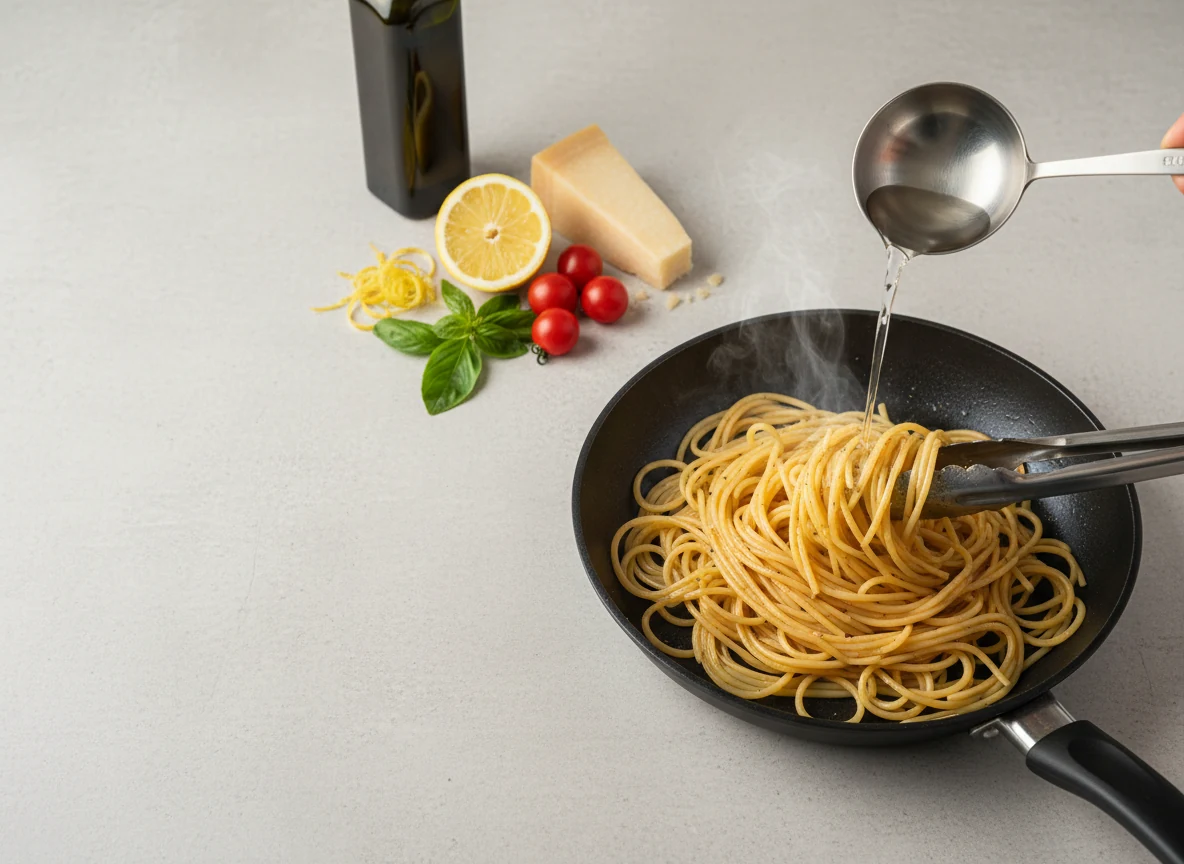
- Sauce built on pasta water, the free magic that makes everything glossy, silky, and restaurant-level.
- Versatile and forgiving: swap shapes, proteins, or greens and keep rolling. FYI, these are built for real life.
- Minimal cleanup: one pot for boiling, one pan for sauce. That’s the game.
Shopping List – Ingredients
Pantry freebies: kosher salt, black pepper, and water are assumed. Everything else is counted in the five. Grated cheeses are measured as one ingredient each. Adjust quantities to taste and serving size.
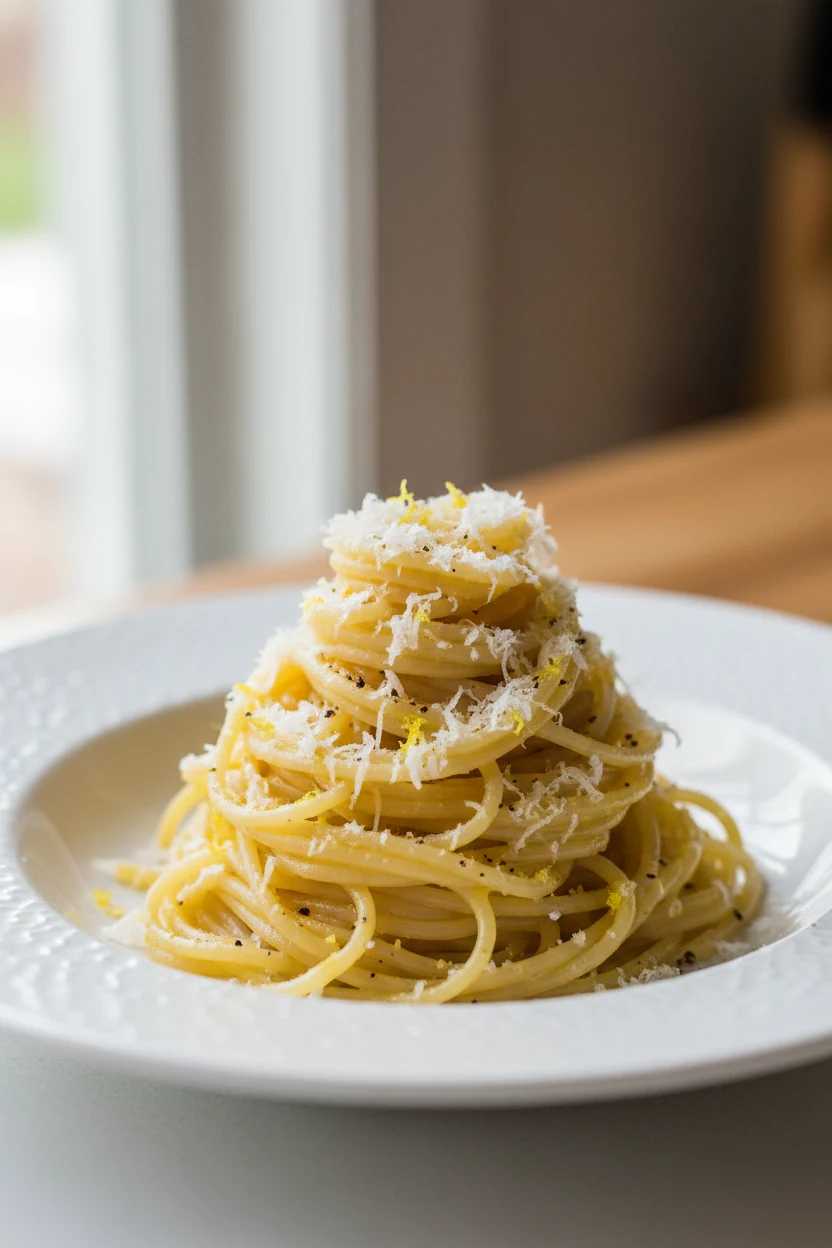
Lemon Butter Parm Spaghetti
- Spaghetti
- Unsalted butter
- Garlic (fresh cloves)
- Lemon (zest and juice)
- Finely grated Parmesan cheese
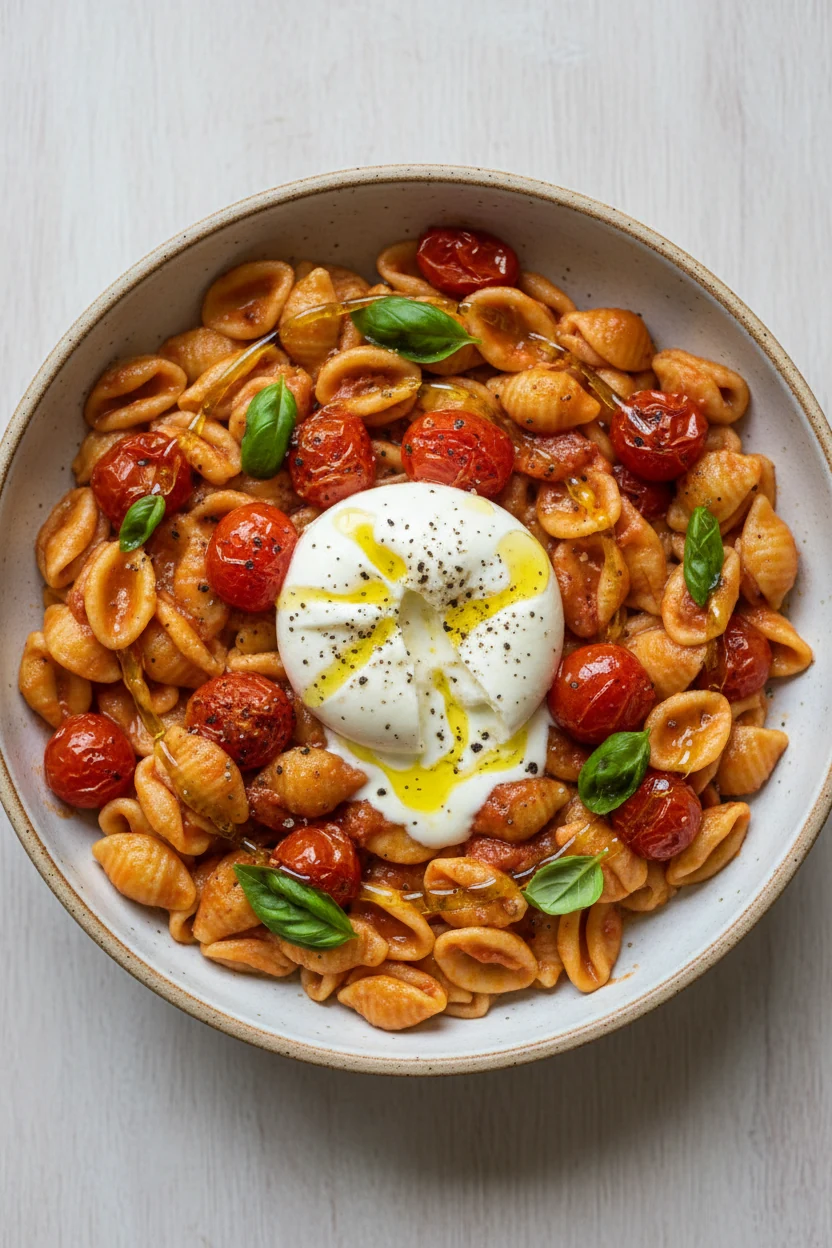
Burst Tomato Basil Burrata Orecchiette
- Orecchiette
- Cherry or grape tomatoes
- Extra-virgin olive oil
- Fresh basil
- Burrata (one ball, 4–8 ounces)
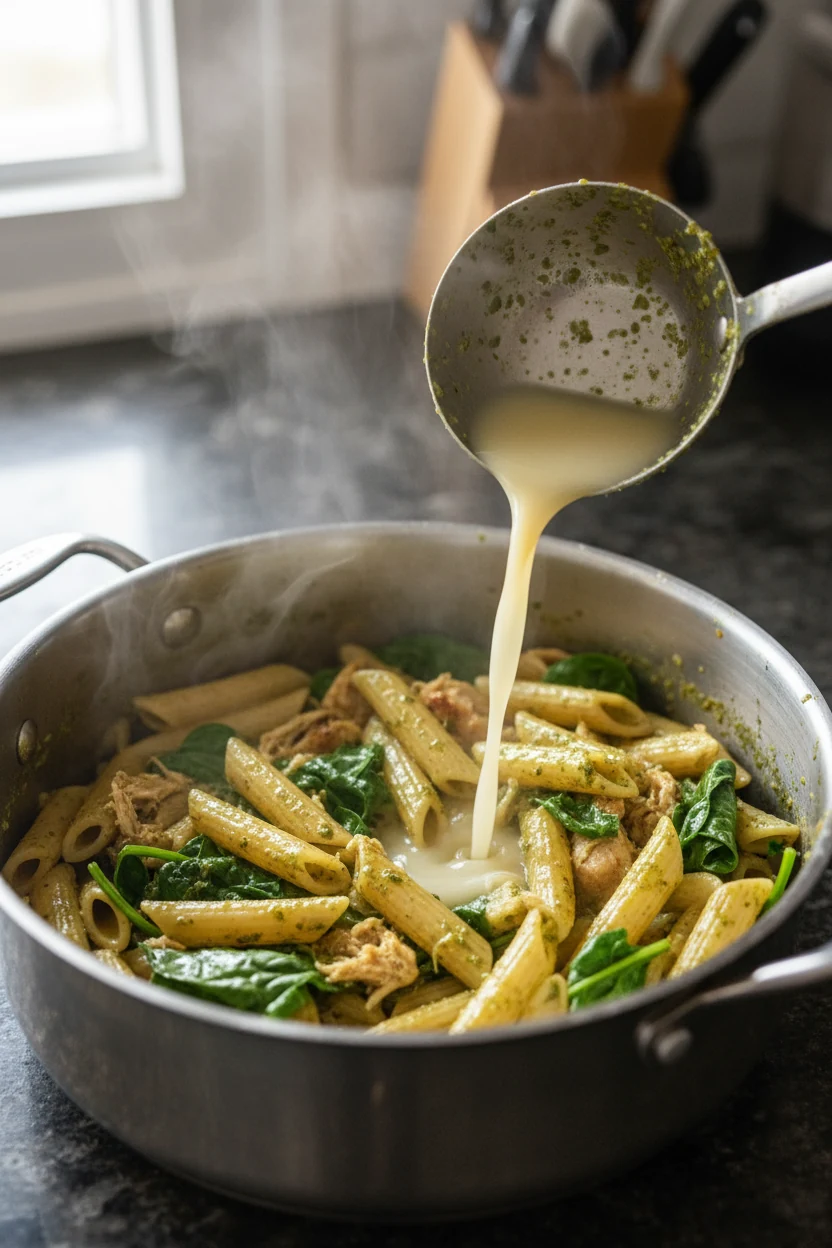
5-Min Pesto Chicken Penne
- Penne
- Jarred basil pesto (good quality)
- Shredded rotisserie chicken
- Baby spinach
- Finely grated Parmesan cheese
Cacio e Pepe with Crispy Prosciutto
- Spaghetti
- Pecorino Romano, very finely grated
- Freshly cracked black pepper
- Prosciutto
- Unsalted butter
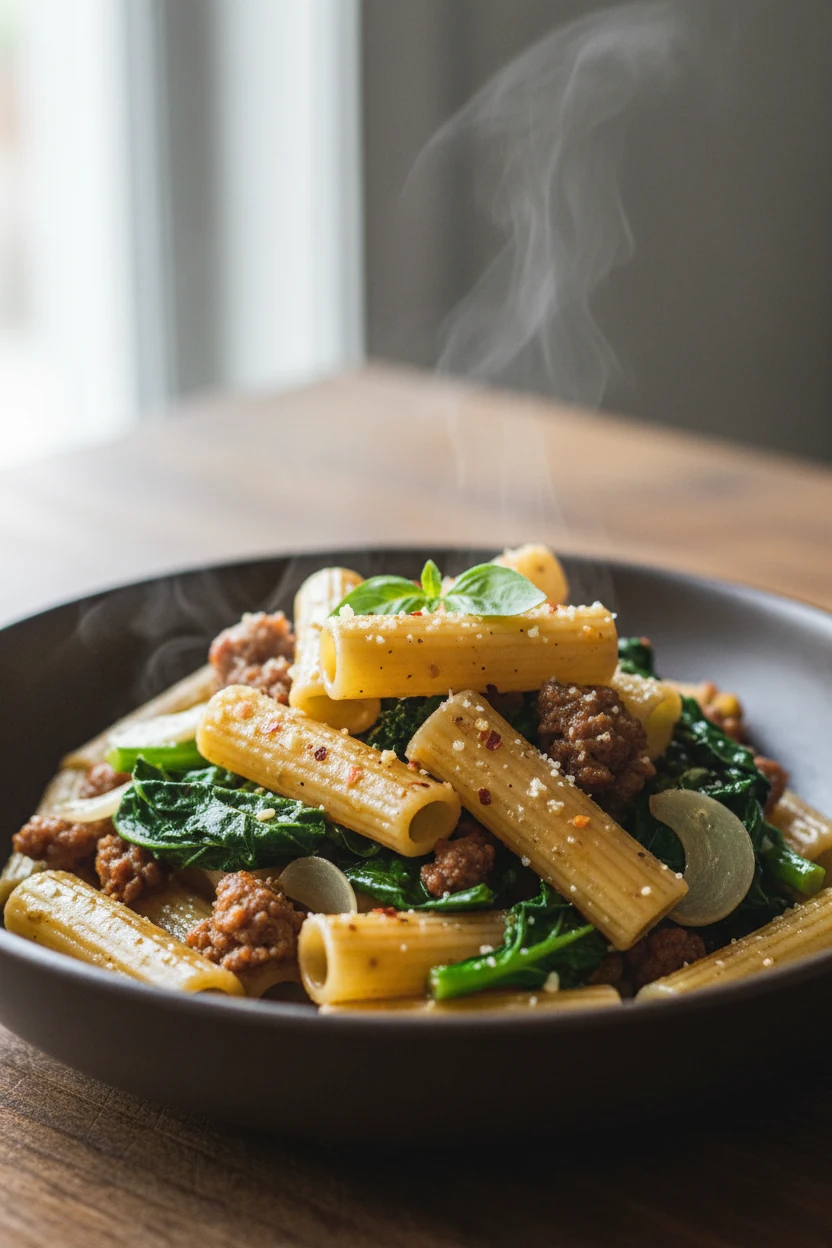
Sausage & Broccoli Rabe Rigatoni
- Rigatoni
- Italian sausage (sweet or hot, casings removed)
- Broccoli rabe (rapini)
- Garlic (fresh cloves)
- Extra-virgin olive oil
Instructions
Lemon Butter Parm Spaghetti
- Bring a large pot of salted water to a boil. Add spaghetti and cook until al dente. Reserve 1 cup of pasta water, then drain.
- Meanwhile, melt butter in a large skillet over medium heat. Add thinly sliced garlic and cook until fragrant, 30–60 seconds (do not brown).
- Add lemon zest and a splash of reserved pasta water. Toss in the drained spaghetti and swirl to combine.
- Off the heat, sprinkle in Parmesan and a squeeze of lemon juice. Add more pasta water as needed to create a glossy, creamy sauce.
- Season with salt and pepper to taste. Serve immediately with extra Parmesan and more lemon zest if you like.
Burst Tomato Basil Burrata Orecchiette
- Boil salted water and cook orecchiette to al dente. Reserve 1 cup of pasta water, then drain.
- In a large skillet, warm olive oil over medium-high heat. Add tomatoes and cook until skins blister and burst, 5–7 minutes.
- Season with salt and pepper. Toss in the hot orecchiette and a splash of pasta water to create a light sauce with the tomato juices.
- Fold in torn basil leaves, stirring until fragrant. Adjust with more pasta water for silkiness.
- Plate and crown with torn burrata. Finish with black pepper and a drizzle of olive oil.
5-Min Pesto Chicken Penne
- Cook penne in salted water to al dente. Reserve 1 cup pasta water, then drain.
- Return pot to low heat. Add pesto and a splash of pasta water, stirring to loosen into a sauce.
- Stir in shredded rotisserie chicken to warm through, 1–2 minutes.
- Add spinach and toss until just wilted, 30–60 seconds.
- Mix in penne and Parmesan, adding more pasta water until glossy. Season with salt and pepper and serve.
Cacio e Pepe with Crispy Prosciutto
- Lay prosciutto in a cold skillet. Turn heat to medium and cook until crisp, 3–5 minutes. Transfer to paper towels; crumble.
- Boil salted water and cook spaghetti to al dente. Reserve 1½ cups pasta water, then drain.
- In the skillet, melt butter over medium heat. Add black pepper and toast for 30–60 seconds until fragrant.
- Reduce heat to low. Add 1 cup hot pasta water, then toss in spaghetti. Remove from heat and vigorously stir in the finely grated Pecorino until creamy.
- Adjust with extra pasta water as needed. Top with crispy prosciutto and more pepper. Serve immediately.
Sausage & Broccoli Rabe Rigatoni
- Bring a large pot of salted water to a boil. Blanch chopped broccoli rabe for 1 minute, remove with tongs, and drain. Use the same water to cook rigatoni until al dente; reserve 1 cup pasta water, then drain.
- Meanwhile, heat olive oil in a large skillet over medium-high. Add sausage, breaking into crumbles, and cook until browned.
- Add sliced garlic and sauté 30 seconds until fragrant.
- Toss in the blanched broccoli rabe and rigatoni. Splash in pasta water to help form a sauce with the sausage drippings.
- Season with salt and pepper. Finish with a final drizzle of olive oil and serve hot.
Preservation Guide
- Fridge (general): Most of these pastas keep well in airtight containers for up to 3 days. The burrata version is best day-of; store leftover pasta separately and add fresh burrata on reheat.
- Freezer: Good candidates are Pesto Chicken Penne and Sausage & Broccoli Rabe Rigatoni (2–3 months). Avoid freezing dairy-forward sauces like Lemon Butter Parm and Cacio e Pepe—the texture can seize or split.
- Reheating tips: Reheat gently in a skillet with a splash of water or broth until loosened and hot. Add fresh cheese at the end, off heat, to avoid clumping.
- Make-ahead components: Crisp prosciutto up to 2 days in advance; keep in a dry container. Cook sausage ahead; rewarm with a splash of water. Wash and dry basil and spinach; add fresh at serving for best aroma.
What’s Great About This
- Budget-friendly: Rotisserie chicken stretches across multiple meals; pasta and tomatoes are cost-effective staples.
- Nutrition levers: Spinach, broccoli rabe, and tomatoes add fiber, vitamins, and color without extra fuss.
- Beginner-proof techniques: Toasted pepper, pasta water emulsions, and blistered tomatoes are high-impact, low-risk moves.
- Scalable: Feeding two or six? Double ingredients, keep the same method. Just upgrade to a bigger skillet.
- Restaurant vibes at home: Burrata, Pecorino, and lemon zest give that “how is this only five ingredients?” energy.
Common Mistakes to Avoid
- Under-salting the water. IMO, this is the #1 flavor killer. Salt it like the ocean so the pasta itself tastes great.
- Forgetting to save pasta water. That starchy liquid is your built-in sauce maker. Reserve before draining—every time.
- Overheating cheese sauces. Parmesan and Pecorino can clump if the pan is too hot. Pull off heat, then stir cheese in gradually.
- Overcooking pasta. Al dente matters. Pasta continues to soften when tossed in hot sauce.
- Skipping the emulsification step. Add pasta water a little at a time and toss vigorously. That’s how you get glossy, not greasy.
- Adding burrata too early. Place it on top at the end so it stays creamy and luxurious.
Different Ways to Make This
- Change the shape: Swap spaghetti for bucatini or linguine; orecchiette for shells; rigatoni for penne. Shape-sauce synergy matters—ridged shapes catch chunky sauces.
- Creamy twist: For the lemon spaghetti, add a splash of heavy cream for extra silk. Or use mascarpone instead of butter.
- Protein swaps: Replace rotisserie chicken with canned chickpeas in the pesto penne; use crispy pancetta instead of prosciutto; try turkey sausage with broccoli rabe.
- Heat level: Add red pepper flakes to the tomato orecchiette or sausage rigatoni for a kick.
- Greens upgrade: Sub kale or broccolini for broccoli rabe; arugula for spinach (toss off heat to avoid bitterness).
- Herb and zest hacks: Lemon zest plus basil wakes up everything. A little goes a long way.
- Dairy swaps: Pecorino brings salty tang; Parmesan is nuttier and milder. Use what you prefer or mix 50/50.
FAQ
Do these really use only five ingredients?
Yes. Each dinner uses five primary ingredients, not including salt, pepper, or water. If olive oil is needed, it counts as one of the five. The goal is tight, high-impact combinations that don’t feel stripped down.
Can I make these gluten-free?
Absolutely. Use a quality gluten-free pasta that holds shape well (brown rice or corn-quinoa blends do nicely). Keep an eye on cook time—gluten-free pasta can go from perfect to mush fast. Reserve the pasta water as usual; it still helps bind sauces.
What pasta shapes work best for each sauce?
Silky, cheese-based sauces love long noodles like spaghetti or bucatini. Chunky sauces (sausage, tomatoes) do best with ridged, cupped, or tubular shapes like rigatoni and orecchiette. Pesto is super versatile—penne, fusilli, or farfalle all work well.
How do I reheat without drying the pasta out?
Use a skillet over medium heat with a splash of water or broth and stir until glossy and hot. For cheese-based sauces, add fresh cheese off heat to restore creaminess. For burrata pasta, add the burrata after reheating the pasta, not during.
Can I add more veggies or protein without messing it up?
Totally. These are frameworks, not handcuffs. Add sautéed mushrooms to the lemon spaghetti, roasted peppers to the pesto penne, or white beans to the tomato orecchiette. Just keep the volumes balanced so the sauce still coats the pasta.
What’s the trick to ultra-creamy cacio e pepe?
Finely grate the Pecorino, use very hot pasta water, and stir off the heat so the cheese melts smoothly without clumping. Toast the pepper in butter first for deeper flavor. Add water gradually and toss until the sauce turns glossy.
How do I keep broccoli rabe from being too bitter?
Blanch it for 60 seconds in salted boiling water, then finish it in the pan with sausage and garlic. If it’s still strong for your taste, swap in broccolini or regular broccoli for a sweeter profile.
Final Thoughts
Five ingredients, five wins. The secret isn’t fancy gear—it’s technique: salty water, saved pasta water, heat control, and fast tossing. Lock in these moves and your weeknights turn from “what’s for dinner” to “oh, that again? yes please.” Simple, repeatable, and genuinely craveable. That’s how you build a cooking habit you’ll actually keep.