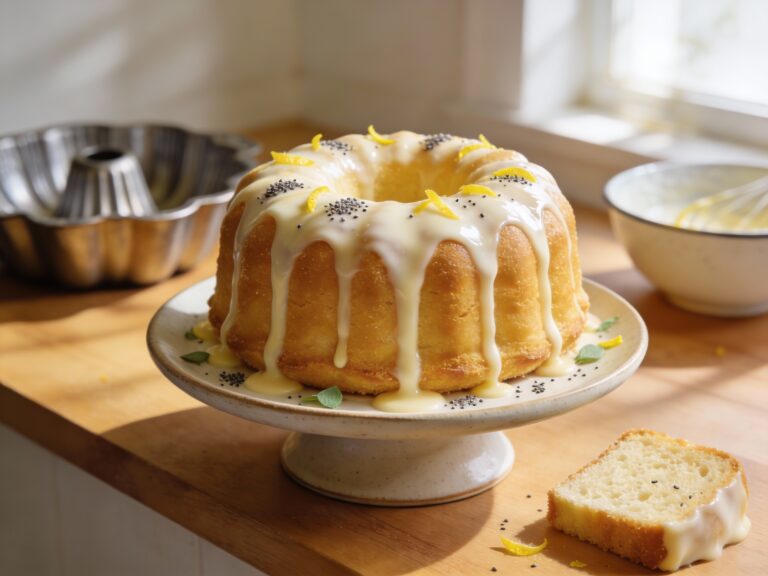
Lemon Cake Mix Recipes for Bakery-level Cake Fast
Turn one boxed mix into bright, bakery-style desserts in under an hour, with simple swaps that taste homemade.
You know that moment when you want a show-off dessert but your schedule says “absolutely not”? This is the shortcut that still gets applause. A lemony cake that tastes like you actually tried, even if you mostly just opened a box and felt heroic about it. You’ll get big flavor, tender crumbs, and a “how is this so good?” vibe without a sink full of dishes. And yes, people will ask for the recipe like it’s a secret family heirloom.
This article is a choose-your-own-adventure: one base cake method plus easy variations that turn the same mix into totally different desserts. You’ll learn the tiny upgrades that make boxed cake taste homemade, the mistakes that ruin lemon flavor, and how to store it so it stays soft. Ready to cheat in the most delicious way possible?
What Makes This Recipe Awesome
It’s fast, but it doesn’t taste fast. The trick is adding a few high-impact ingredients that boost moisture and punch up the lemon without complicating your life.
It’s flexible. Bake it as a layer cake, loaf, bundt, cupcakes, or bars, then switch up fillings and glazes depending on the occasion or your mood.
It’s reliably crowd-pleasing. Lemon hits that perfect balance: bright, sweet, and not heavy. Translation: people actually finish their slice instead of “saving it for later.”
It’s a smart pantry play. One box mix plus a couple fridge staples equals a dessert you can pull off last-minute when guests “just happen” to be on the way.
Shopping List – Ingredients
Use this as your base “lemon cake mix glow-up” list. You won’t always need every optional item, but having them around makes you dangerously capable.
- 1 box lemon cake mix (15.25 oz or similar)
- 4 large eggs
- 1 cup sour cream (or plain Greek yogurt)
- 1/2 cup neutral oil (canola, vegetable, or avocado)
- 1/2 cup water or milk (milk adds richness)
- 1 tablespoon fresh lemon zest (about 1 large lemon)
- 2 to 4 tablespoons fresh lemon juice, to taste
- 1 teaspoon vanilla extract (optional but helpful)
- 1/4 teaspoon salt (optional, boosts flavor)
- Powdered sugar (for glaze)
- Butter (for greasing pans) or nonstick spray
- Optional add-ins: poppy seeds, blueberries, white chocolate chips, shredded coconut
- Optional fillings: lemon curd, raspberry jam
- Optional frosting: cream cheese frosting ingredients (cream cheese, butter, powdered sugar)
Step-by-Step Instructions
This method makes a tender, bold lemon cake that works in almost any pan. Pick your bake format, then follow the same batter process.
-
Preheat and prep the pan. Heat oven to 350°F. Grease your pan well and add parchment if you want zero drama when unmolding.
-
Choose your bake format. Use two 8-inch rounds, a 9×13 pan, a bundt, two loaf pans, or 24 cupcakes. Adjust bake time later based on the pan.
-
Wake up the lemon. Zest your lemon first. If you want extra flavor, rub the zest into the dry mix with your fingers for 10 seconds so the oils perfume everything.
-
Mix the wet boosters. In a large bowl, whisk eggs, sour cream, oil, water or milk, lemon juice, and vanilla until smooth.
-
Add the mix, then don’t overdo it. Pour in the lemon cake mix (and salt if using). Mix just until combined and smooth. Overmixing makes cake tough, and nobody asked for that.
-
Fold in add-ins if you want. Stir in poppy seeds, blueberries, or chips gently. If using blueberries, toss them with a spoonful of dry mix first so they don’t sink like tiny fruit anchors.
-
Bake until set and springy. Pour batter into pan(s). Bake until a toothpick comes out with a few moist crumbs, and the top springs back when lightly pressed.
-
Use these time ranges as a guide. Cupcakes: 16 to 20 minutes. 8-inch rounds: 24 to 30 minutes. 9×13: 28 to 35 minutes. Bundt: 40 to 50 minutes. Loaf: 40 to 55 minutes.
-
Cool strategically. Let cake cool in the pan 10 to 15 minutes, then turn out if needed. Cool completely before glazing or frosting unless you enjoy watching icing melt into sadness.
-
Finish with a fast lemon glaze. Whisk 1 cup powdered sugar with 2 to 3 tablespoons lemon juice until pourable. Drizzle over cooled cake and let it set.
-
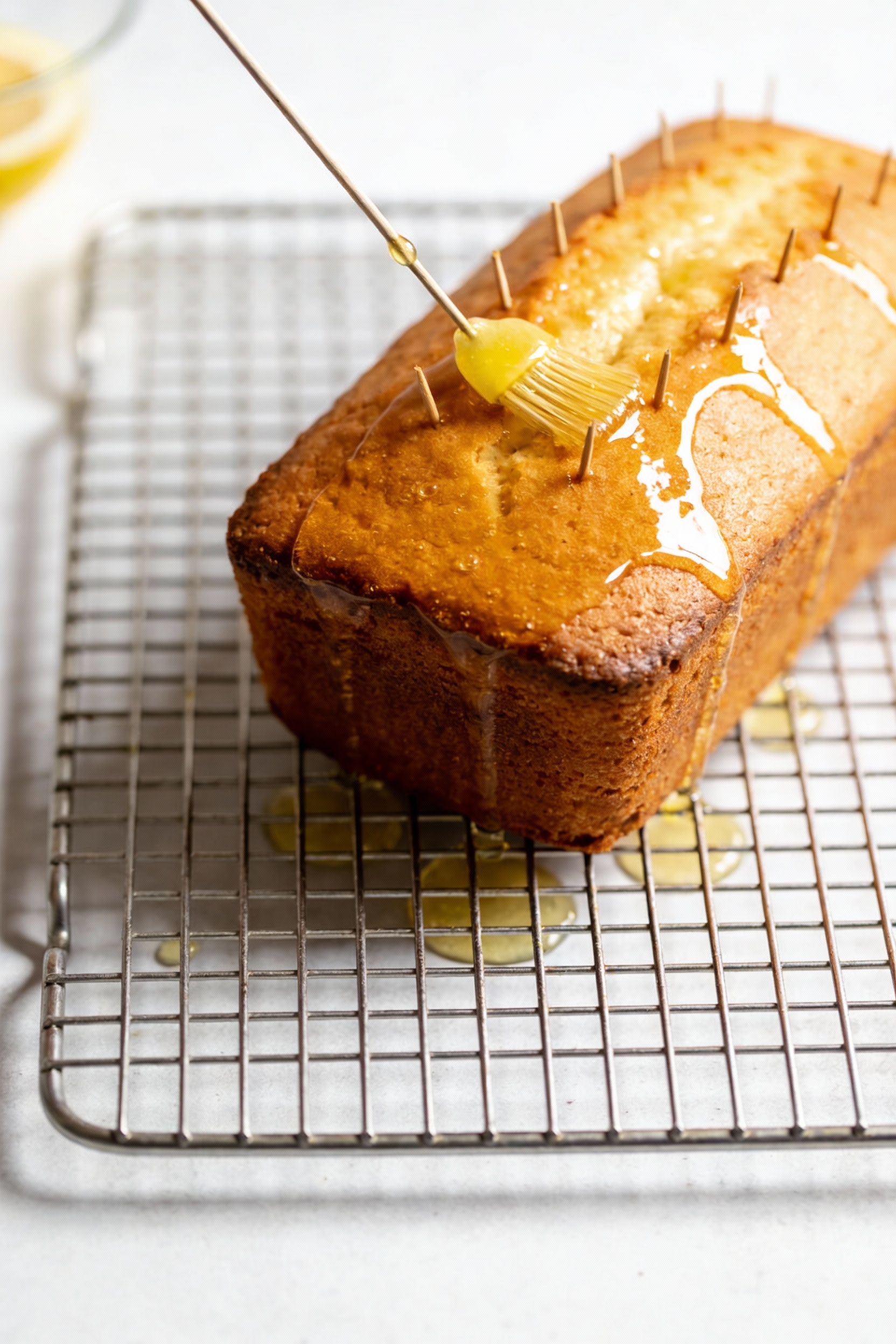
Optional “bakery flex” move. Poke the warm cake all over with a skewer and brush on a quick syrup (2 tablespoons lemon juice plus 2 tablespoons sugar, warmed to dissolve). This keeps it extra moist.
Keeping It Fresh
Room temperature: Store tightly covered for up to 3 days. A cake dome or airtight container keeps it soft, and it prevents that “my cake became a scented sponge” problem.
Refrigerator: If you use cream cheese frosting or a curd filling, refrigerate it. Bring slices to room temp before serving so the texture turns tender again.
Freezer: Wrap slices individually in plastic wrap, then place in a freezer bag for up to 2 months. Thaw overnight in the fridge or on the counter for about an hour, depending on thickness.
Glaze timing tip: Glaze freezes fine, but it looks best if you glaze after thawing. FYI, this is the difference between “nice cake” and “did you buy this?”
What’s Great About This
Bright flavor without being sour. Lemon can go from “refreshing” to “face-puckering” fast, but the sour cream smooths it out while keeping it tangy.
Better crumb and moisture. Extra eggs and dairy make boxed cake feel rich and sturdy, not dry and crumbly like it’s auditioning to be sand.
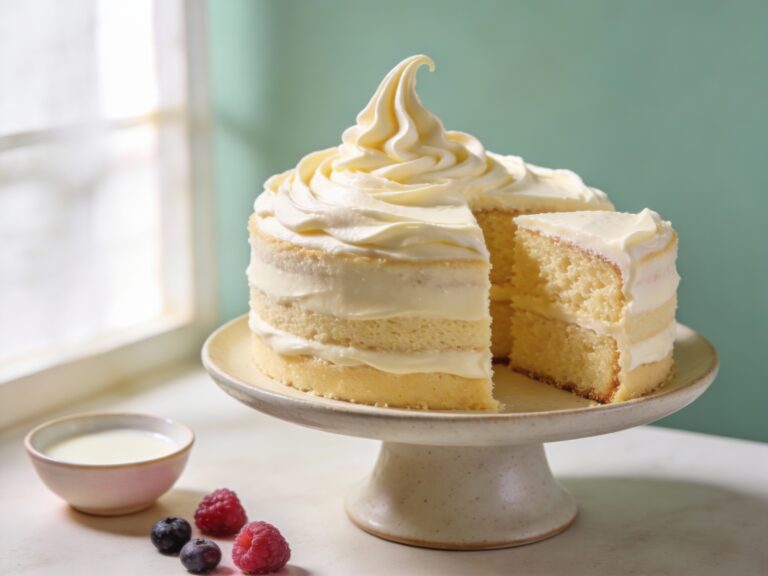
Looks impressive with minimal effort. A glossy glaze, a little zest on top, or a handful of berries makes it photo-ready in minutes.
It scales for any event. Bake cupcakes for a party, a bundt for a potluck, or a sheet cake for “I need dessert for 20 people in an hour.” IMO, that’s a superpower.
Don’t Make These Errors
Overmixing the batter. Mix until smooth and stop. If you keep going, you’ll build too much structure and your cake turns dense and rubbery.
Skipping the zest. Lemon juice adds tang, but zest adds the real lemon perfume. Without zest, your cake can taste like generic “yellow sweet.”
Adding too much juice. Acid and extra liquid can throw off the bake. Stay in the 2 to 4 tablespoon range unless you adjust other liquids.
Glazing a warm cake. If you want the glaze to sit on top and look pretty, wait until the cake is cool. If you want it to soak in, do the syrup trick instead.
Not prepping the pan enough. Bundt pans especially love to hold grudges. Grease every nook, then flour it or use a baking spray with flour.
Alternatives
Same boxed mix, different results. These options let you keep the “easy” while changing the whole vibe.
-
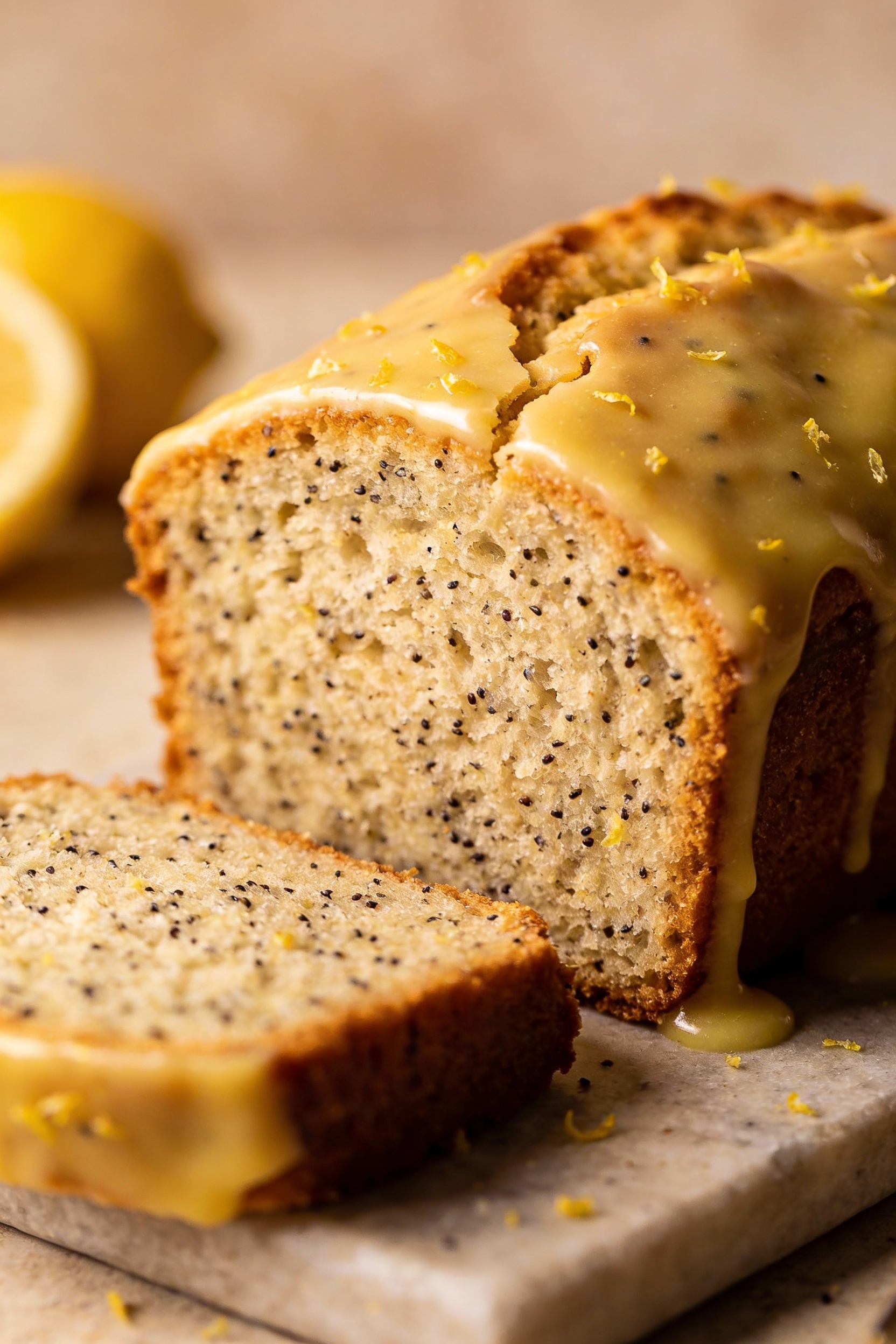
Lemon poppy seed loaf: Add 1 to 2 tablespoons poppy seeds, bake in loaf pans, and top with thick glaze.
-
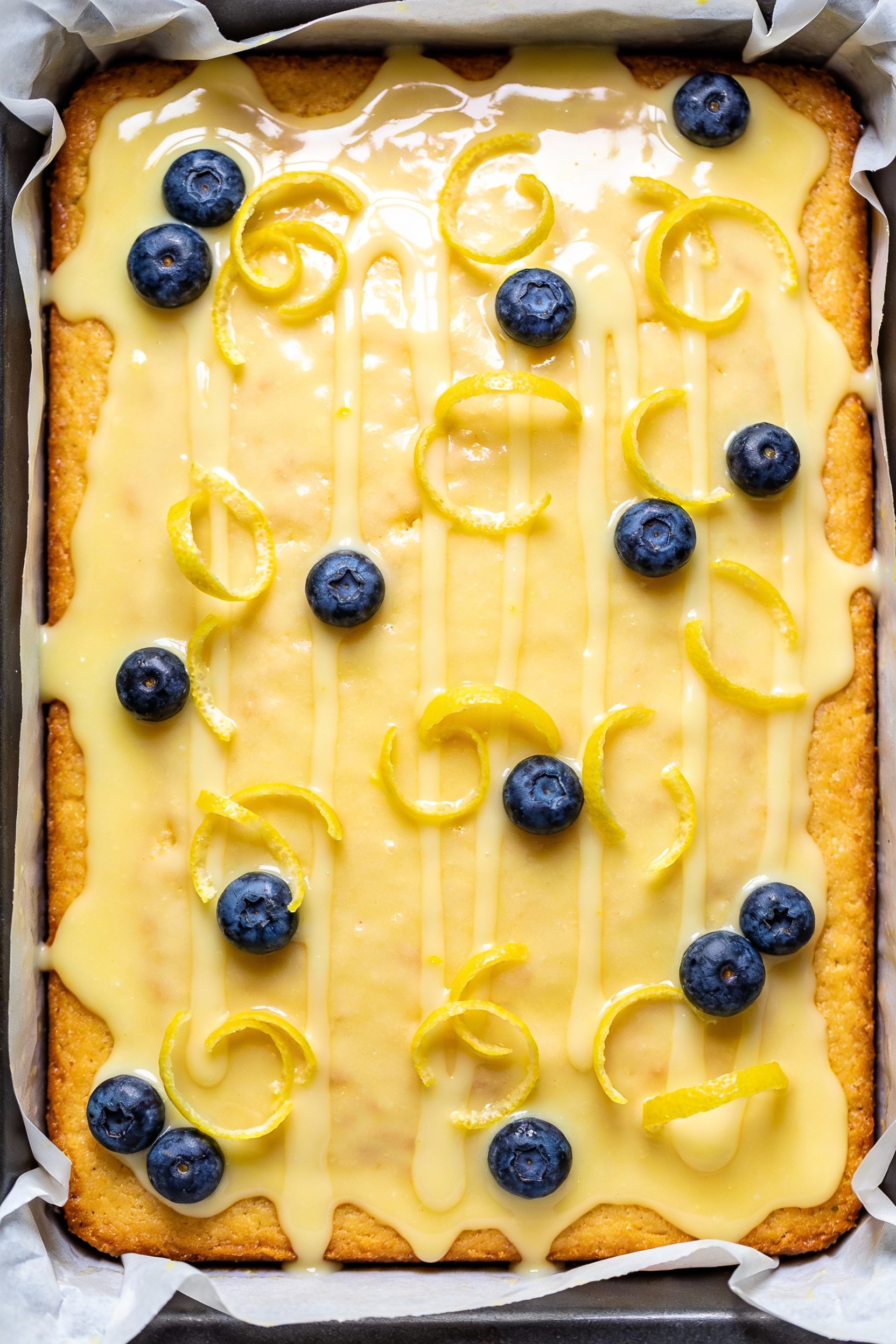
Lemon blueberry breakfast cake: Fold in 1 to 1 1/2 cups blueberries and finish with a lighter glaze. It’s “breakfast” if you say it confidently.
-
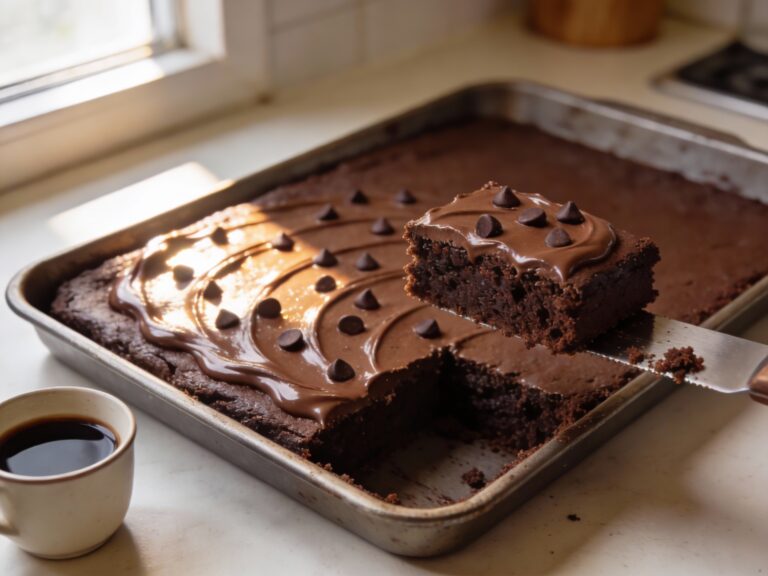
Lemon bar-style sheet cake: Bake in a 9×13, cool, then spread with a tangy cream cheese frosting and extra zest.
-
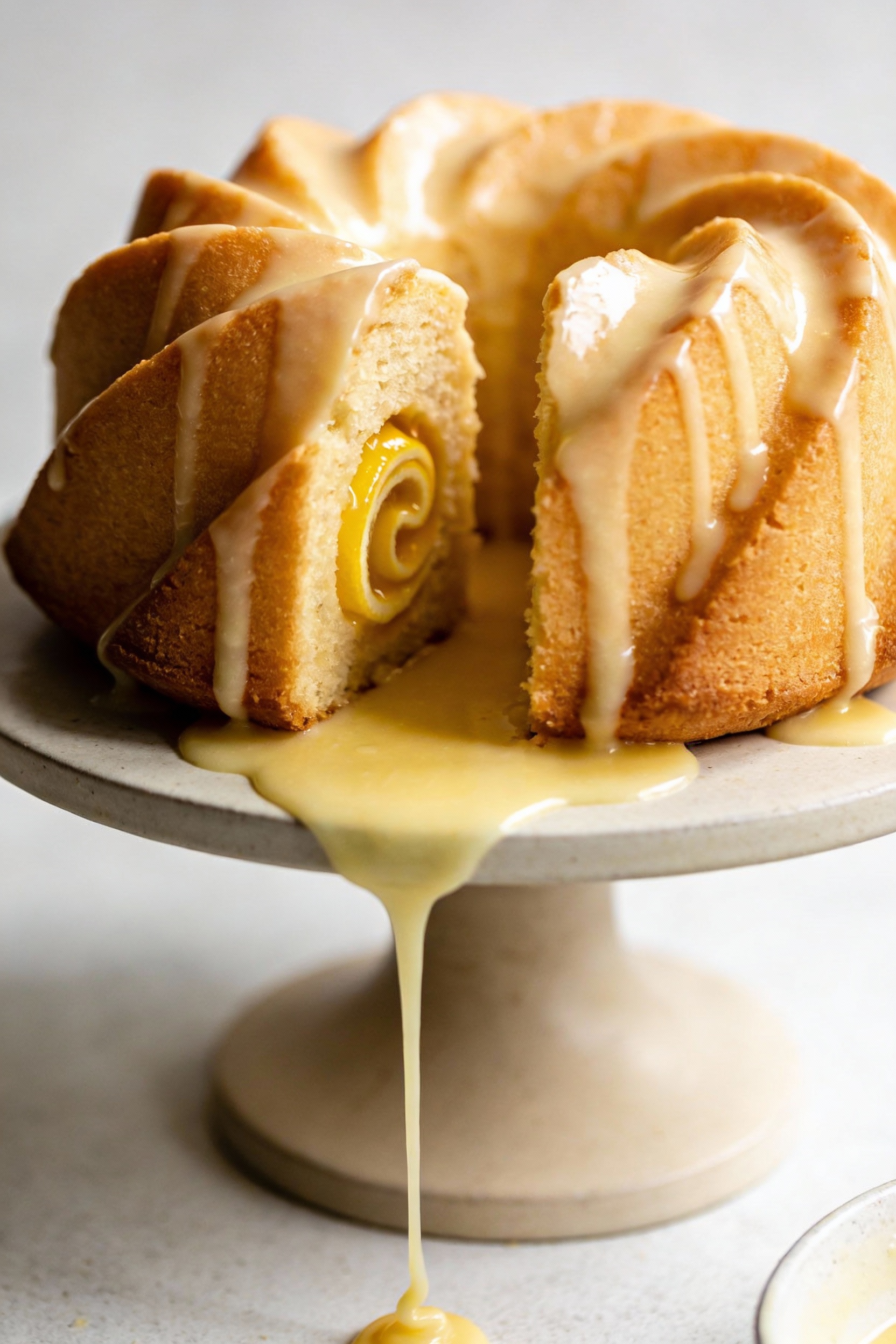
Lemon bundt with lemon curd swirl: Spoon batter into the pan, add dollops of curd, swirl gently, then bake. Don’t over-swirl or it disappears.
-
Lemon coconut cake: Add 1/2 cup shredded coconut and finish with a coconut-lemon glaze. Unexpectedly addictive.
-
Dairy-free approach: Use a dairy-free yogurt and a plant milk. Keep the zest and glaze for full flavor.
FAQ
Can I make this with just the box directions?
Yes, it will bake and it will be fine. The upgrades here mostly improve texture and flavor depth, so it tastes more homemade and stays moist longer.
What’s the best pan for a beginner?
A 9×13 pan wins. It bakes evenly, slices cleanly, and you don’t have to level layers or wrestle a bundt out of its shell like an action movie scene.
Can I swap sour cream for Greek yogurt?
Absolutely. Use the same amount. Greek yogurt gives a similar tang and moisture, and it still keeps the crumb soft.
How do I make the lemon flavor stronger without making it sour?
Add more zest, not more juice. You can also add a tiny drop of lemon extract, but go light because it can taste artificial fast.
Can I add pudding mix?
You can, but you don’t need it with the sour cream method. If you do add pudding, reduce other liquids slightly so the batter doesn’t get too thick or heavy.
How do I keep blueberries from sinking?
Toss them with a spoonful of dry mix before folding in. Also, use fresh or frozen berries straight from the freezer so they hold their shape longer during baking.
What frosting works best with lemon cake?
Cream cheese frosting pairs perfectly because it adds tang and richness. If you want lighter, use a lemon glaze or whipped topping with zest.
Can I make it ahead for a party?
Yes. Bake the cake a day early, wrap tightly, and glaze or frost the day of serving. This actually improves the texture because the moisture settles in.
The Bottom Line
If you want a dessert that tastes bakery-level but respects your time, this lemon cake mix upgrade is the move. You get bright citrus, a soft crumb, and a finish that looks fancy with basically no stress. Keep the zest, don’t overmix, and choose a glaze or frosting that matches your mood. Then accept the compliments like you worked harder than you did, because honestly, you deserve it.