Party Food Buffet Ideas: the Ultimate Planning Guide
Create an impressive party buffet with strategic planning, crowd-pleasing recipes, and smart setup tips that keep food fresh and guests happy throughout your event.
Planning a party buffet can feel overwhelming, but it’s actually one of the smartest ways to feed a crowd while allowing you to enjoy your own event. Unlike sit-down dinners that require precise timing and constant kitchen attention, a well-planned buffet lets guests serve themselves at their own pace and offers variety that pleases different tastes and dietary needs. The key to a successful party buffet isn’t just having good food—it’s about strategic selection, proper setup, and thoughtful presentation that keeps everything looking fresh and appetizing throughout your event. Whether you’re hosting a casual backyard gathering, an elegant cocktail party, or a holiday celebration, these buffet planning principles will help you create a spread that impresses guests while minimizing your stress. A buffet done right allows you to be a gracious host who actually gets to socialize rather than being stuck in the kitchen all evening.
What Makes This Recipe So Good
This party buffet planning guide focuses on practical strategies that actually work in real-world hosting situations. Instead of just listing recipes, it teaches you how to build a balanced buffet that considers temperature management, dietary restrictions, make-ahead possibilities, and visual appeal. The approach emphasizes choosing a mix of hot and cold dishes so you’re not overwhelmed trying to keep everything warm simultaneously. You’ll learn how to calculate proper quantities so you have enough food without excessive waste, and discover which dishes can be prepared in advance to reduce day-of stress. The guide also addresses the often-overlooked but crucial elements of buffet success: proper setup for smooth traffic flow, strategic placement of plates and utensils, and techniques for keeping food at safe temperatures while looking beautiful. By focusing on crowd-pleasing options that have universal appeal while still offering some interesting variety, you create a buffet where every guest finds something they love. This comprehensive approach transforms buffet planning from a source of anxiety into a manageable, even enjoyable, part of hosting.
Ingredients
**For a balanced party buffet (serving 20 people), include:**
Hot protein options (choose 2):
– Slow cooker meatballs in sauce
– Baked honey garlic chicken wings
– Beef sliders or pulled pork
– Baked pasta dish (ziti, lasagna, or mac and cheese)
Cold protein options (choose 1-2):
– Deli meat and cheese platter
– Shrimp cocktail
– Cold chicken salad
Vegetable and side dishes (choose 3-4):
– Caesar or garden salad
– Roasted vegetable platter
– Pasta salad or grain bowl
– Vegetable crudités with dip
Carbohydrate options (choose 2):
– Dinner rolls or sliced bread
– Chips and crackers
– Rice pilaf or roasted potatoes
Dips and spreads (choose 2-3):
– Spinach artichoke dip
– Seven-layer dip or guacamole
– Hummus or cheese dip
– Bruschetta or salsa
Desserts (choose 2):
– Brownies or cookie platter
– Fruit platter
– Small cupcakes or cake
Step-by-Step Instructions
**Plan your menu strategically:** Start by deciding your party’s style and timing. Afternoon parties need lighter fare, while evening events call for heartier options. Choose a balance of temperatures—at least half your dishes should be served cold or room temperature to reduce stress. Select mostly crowd-pleasers with broad appeal, but include 1-2 more interesting options for adventurous eaters. Make sure you have options for common dietary restrictions: at least one vegetarian protein, gluten-free choices, and dairy-free options clearly labeled.
**Calculate quantities:** Use the “rule of 8” for appetizer parties: plan 8-10 pieces per person for a 2-3 hour event. For meal-replacement buffets, calculate 1-1½ pounds of food per person total across all dishes. If serving 20 people, that’s approximately: 3-4 pounds of each protein (6-8 pounds total), 5-6 cups of each side dish, 40 dinner rolls, and dessert for 25 (there are always dessert lovers who want seconds). Account for the “favorite dish” phenomenon by making 25% extra of your star attraction.
**Prep in advance:** Create a timeline working backwards from party time. Three days before: shop for non-perishables and plan your table setup. Two days before: prepare and refrigerate dips, dressings, and marinades. One day before: prep vegetables, assemble cold dishes, and prepare components for hot dishes. Morning of: set up your buffet table, arrange serving dishes and utensils, prepare room-temperature items. Two hours before: start cooking hot dishes using oven and slow cooker timers to finish right before guests arrive.
**Set up for success:** Arrange your buffet in logical order: plates first, then main proteins, then sides, then bread/carbs, and finally utensils and napkins at the end (this prevents guests from juggling utensils while serving). Create height variation using cake stands, books under tablecloths, or tiered serving pieces for visual interest. Place name cards in front of each dish listing key ingredients and noting if it’s vegetarian, vegan, or gluten-free. Set up the buffet so guests can access from both sides if possible to reduce bottlenecks. Position drinks at a separate station to avoid congestion.
**Maintain during the party:** Check the buffet every 30 minutes to refresh ice under cold dishes, wipe up spills, and assess if items need replenishing. Use chafing dishes or slow cookers to keep hot items at safe serving temperature (above 140°F). Replace rather than refill serving dishes—swap out the existing dish with a fresh one from the kitchen rather than topping off, which prevents food safety issues and keeps presentation fresh. Have backup serving utensils ready in case any fall on the floor. Keep trash bins nearby but not directly adjacent to the food table.
Storage Tips
Proper storage of buffet leftovers requires attention to food safety guidelines. Hot foods that have sat out for more than two hours (or one hour if the room is above 90°F) should be discarded rather than saved. For items that were properly maintained at safe temperatures, refrigerate promptly in shallow containers that allow quick cooling. Divide large quantities into smaller portions so they cool faster—nothing should be more than 2 inches deep. Label everything with the date and contents. Most buffet leftovers will keep 3-4 days refrigerated. Dishes with mayonnaise-based dressings or dairy should be used within 2 days. Frozen leftovers work well for casseroles, meatballs, and baked pasta dishes—freeze in portion-sized containers for up to 3 months. Bread and rolls freeze excellently in freezer bags for up to 1 month. For future planning, keep notes about what was popular and what had excess so you can adjust quantities next time. Consider portion control when storing—freeze family-sized amounts that make convenient future meals.
Benefits
Party buffets offer significant advantages for both hosts and guests. For hosts, buffets eliminate the stress of synchronized plate service timing—you’re not trying to get sixteen dishes hot simultaneously or plate individual servings. The self-service format frees you from being a server, allowing you to actually socialize with your guests. Make-ahead capabilities mean most of your work happens before guests arrive rather than during the party. Cleanup is simpler with fewer serving pieces than individual plating would require. From a guest perspective, buffets offer choice and control—people can select portions that match their appetite, avoid foods they dislike or can’t eat, and return for seconds if desired. The casual service style creates a relaxed atmosphere and natural mingling as people move through the buffet line. Buffets also tend to be more economical since you’re not locked into per-person portions, and you can stretch expensive proteins by offering variety. Finally, buffet presentation creates impressive visual impact that makes even simple food look special and abundant.
Common Mistakes to Avoid
**Choosing all hot dishes:** The biggest buffet mistake is selecting foods that all require simultaneous hot service. This creates kitchen chaos and means constantly monitoring multiple dishes. Instead, choose at least 50% cold or room-temperature items for a stress-free experience.
**Not considering traffic flow:** Placing the buffet against a wall creates a one-way line that bottlenecks. Whenever possible, position the table so guests can access both sides, or create two separate serving stations with duplicate offerings to move lines faster.
**Forgetting serving utensils:** Few things are more awkward than guests reaching the perfect dish only to realize there’s no spoon. Set out serving utensils for every single dish before guests arrive, plus backups in the kitchen. Include small plates or bowls for items that need them.
**Putting utensils at the beginning:** When forks and knives are placed at the start of the buffet, guests must juggle them while serving themselves. Always position utensils and napkins at the end of the buffet line where guests can grab them after filling their plates.
**Ignoring food safety temperatures:** Leaving perishable foods in the “danger zone” (40-140°F) causes foodborne illness. Use chafing dishes, slow cookers, or warming trays for hot foods, and place cold dishes on ice. Monitor temperatures and don’t let food sit out too long.
Variations
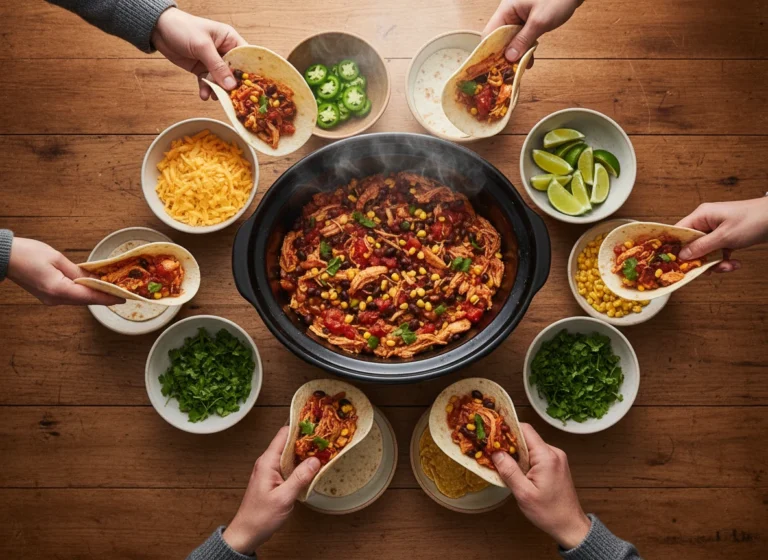
**Themed buffet bars:** Create an interactive station like a taco bar, pasta bar, or burger bar where guests customize their own plates. Provide a base ingredient and an array of toppings, sauces, and mix-ins. This format reduces your prep while increasing engagement and fun.
**Grazing table:** Skip traditional serving dishes entirely and create an artful spread directly on a table covered with butcher paper. Arrange charcuterie, cheeses, crackers, fruits, nuts, and dips in an abundant, artistic display. Perfect for cocktail parties and gatherings where people will snack over several hours.
**Dessert buffet:** For evening events, skip the full meal and host a dessert-focused buffet. Include 5-7 different sweets ranging from elegant (small cakes, tarts) to fun (cookies, candy bar) with coffee and tea service. This works wonderfully for showers, book clubs, and after-event gatherings.
**Brunch buffet:** Offer both sweet and savory morning options: a egg casserole or quiche, breakfast meats, fruit salad, pastries, yogurt parfait bar, and a waffle or pancake station. Brunch is ideal for make-ahead hosting since many dishes come together the night before.
**International themed:** Choose a cuisine and build your buffet around it—Mediterranean with hummus, falafel, tabbouleh, and pita; Mexican with tacos, rice, beans, and salsas; or Italian with multiple pastas, salads, and bread. Themed buffets create cohesion and excitement.
FAQ
**How far in advance should I set up my buffet?**
Set up the table, serving pieces, and utensils 2-3 hours before guests arrive, but don’t put out actual food until 30-45 minutes before party time. This keeps everything fresh while reducing last-minute stress. Cold items can go out first, hot dishes just before guests arrive.
**How do I keep food at the right temperature?**
For cold items, use serving bowls nested in larger bowls filled with ice, or use specialized cold serving trays. For hot dishes, chafing dishes with Sterno fuel, electric warming trays, or slow cookers set to warm work well. Refresh ice and monitor heat sources throughout the event.
**What if I don’t have enough serving dishes?**
Disposable aluminum chafing pans work perfectly and eliminate cleanup. You can also rent serving pieces from party supply stores for just a few dollars each. Ask friends to loan you dishes, or use mixing bowls and everyday dishes—presentation matters less than food quality.
**Should I label the dishes?**
Yes, always. Create simple labels listing the dish name and noting if it’s vegetarian, vegan, contains nuts, or is gluten-free. This helps guests with dietary restrictions and reduces questions. You can write on folded cardstock or use small chalkboards.
**How do I prevent guests from taking too much too early?**
Don’t announce the buffet is open until all dishes are fully stocked. You might also say, “Please enjoy the buffet; there’s plenty for everyone including seconds.” This subtle messaging encourages moderation during first passes.
Final Thoughts
Mastering the party buffet is one of the most valuable skills in a host’s repertoire. Once you understand the principles of strategic menu planning, proper setup, and temperature management, you’ll wonder why you ever stressed about feeding crowds. The beauty of buffet service is that it scales beautifully—these same principles work whether you’re hosting twelve people or fifty. Your confidence as a host grows tremendously when you’re not anxious about food, and that relaxed energy directly impacts your guests’ enjoyment. Remember that imperfection is perfectly fine; guests care far more about the warm welcome and good company than whether every dish is magazine-perfect. Start with simpler buffets and gradually expand your repertoire as you gain experience. Keep notes about what worked and what didn’t so each party gets better. The goal isn’t Instagram-worthy perfection—it’s creating a welcoming environment where people feel cared for and well-fed. Your next gathering is the perfect opportunity to put these buffet principles into practice. Your guests will rave about the food, and you’ll actually remember the evening because you weren’t stuck in the kitchen the whole time.