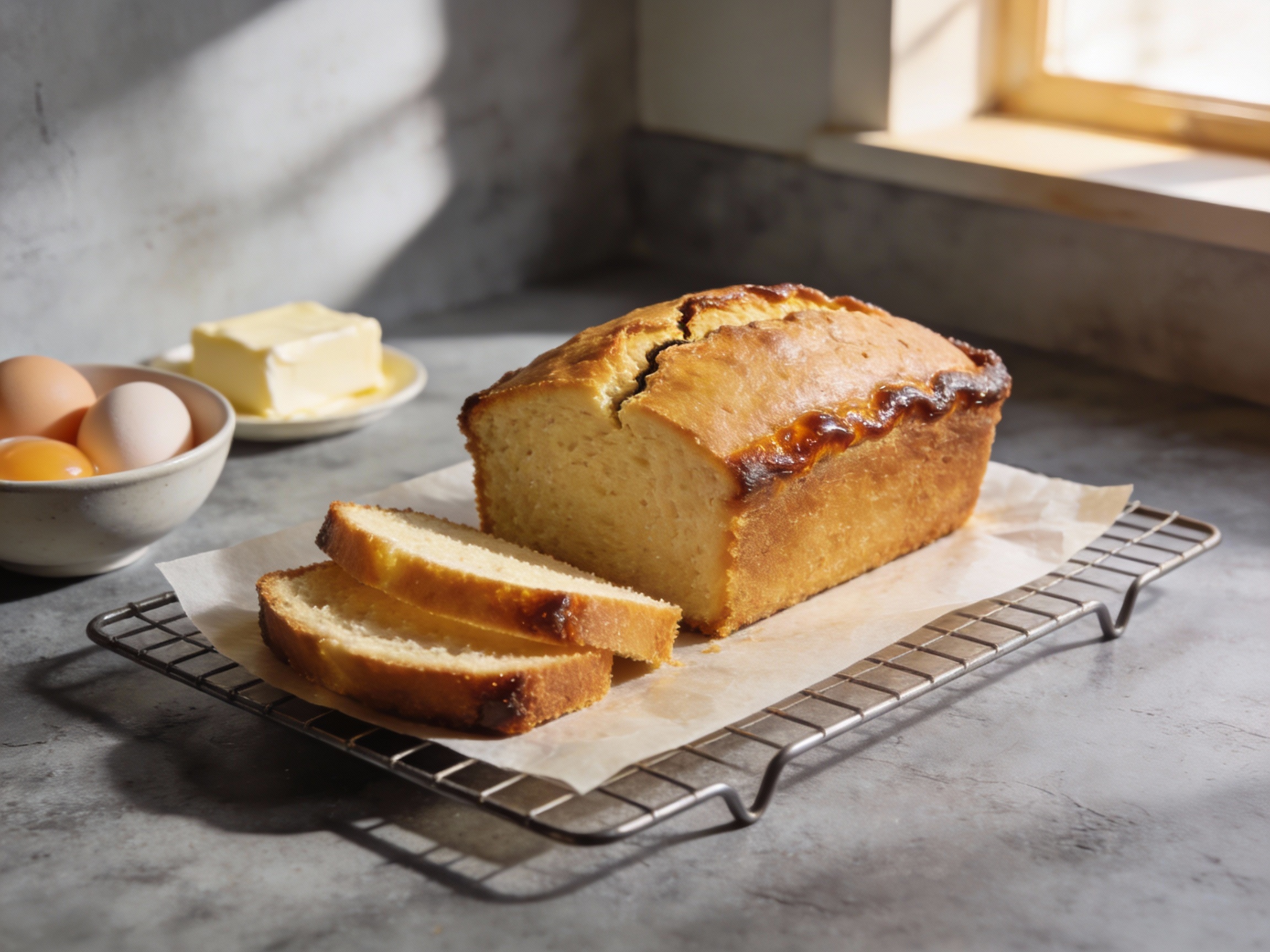
Pound Cake Recipes That Never Fail at Home
Bake a buttery, tight-crumb loaf with a plush slice and crisp edges, using simple pantry staples and zero guesswork.
You know that moment when you slice a “cake” and it crumbles like sand? Yeah, we’re not doing that today.
This is the kind of bake that makes people assume you own a stand mixer and a tiny apron. Spoiler: you don’t need either.
Pound cake wins because it’s simple, forgiving, and weirdly impressive for how little effort it takes. You’re basically combining fat, sugar, eggs, and flour, then letting the oven do the flexing.
And when you nail the texture, it’s dangerous. One slice turns into “just one more,” then suddenly the loaf is gone and you’re blaming “quality control.”
The Secret Behind This Recipe
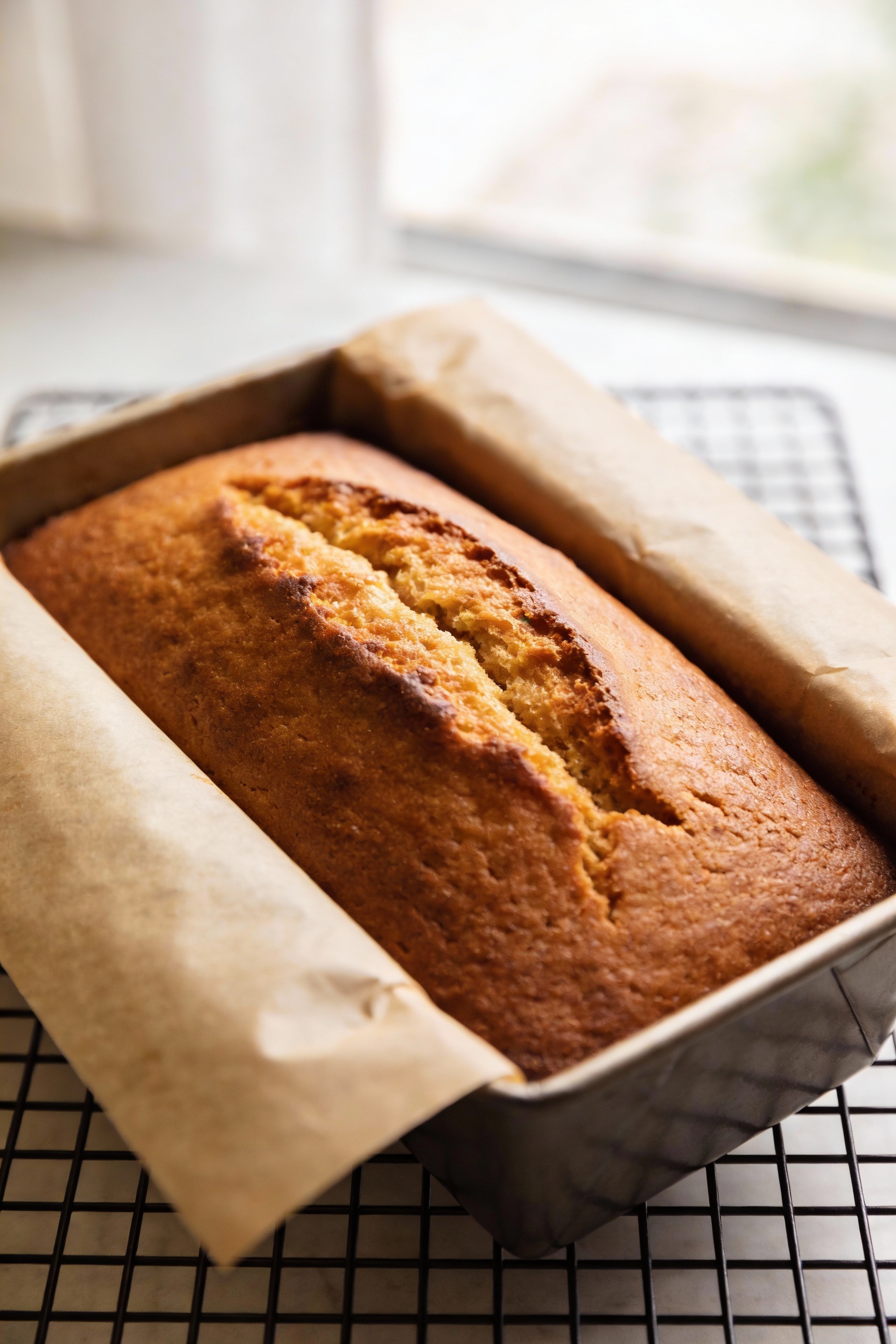
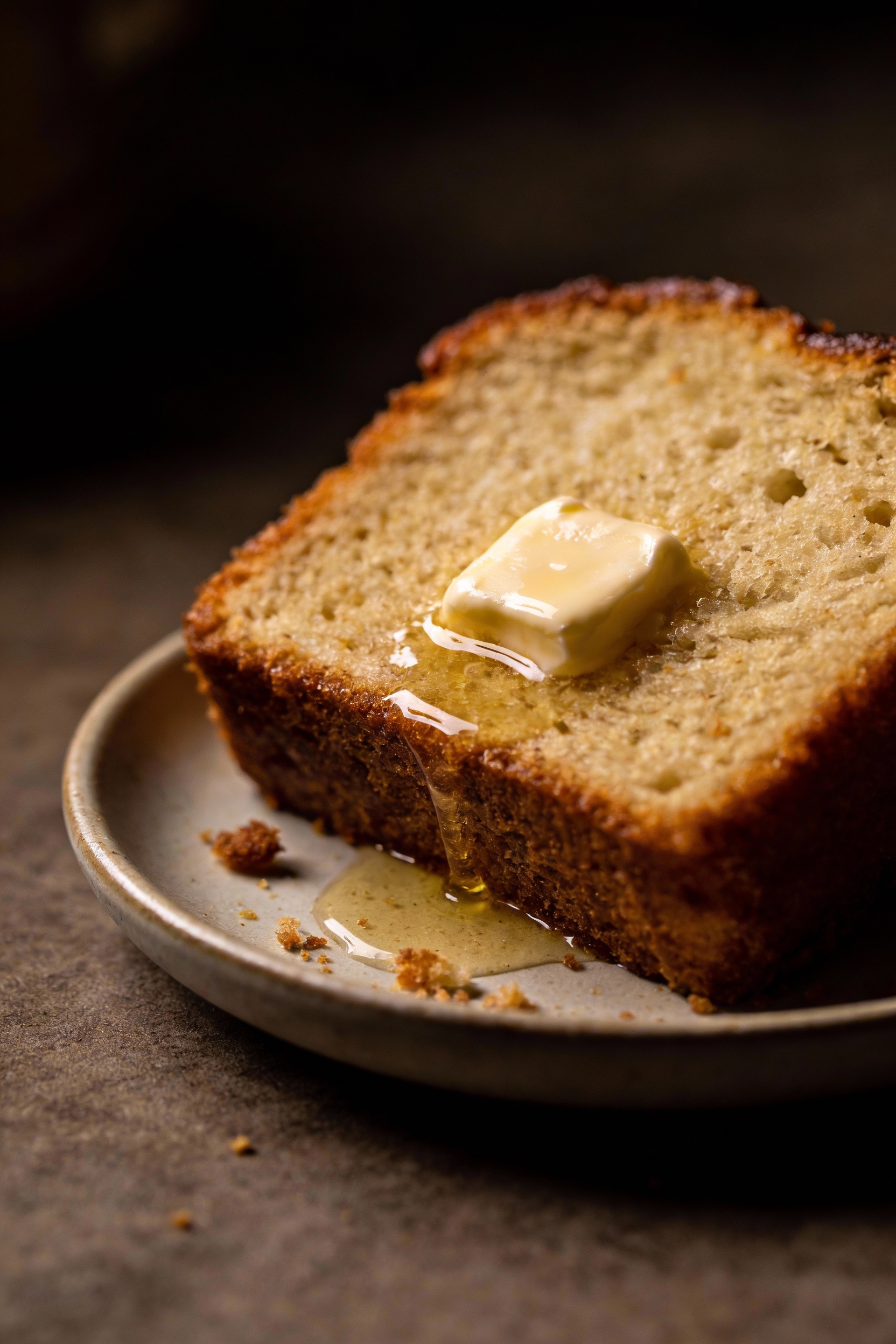
The real secret is air + emulsion: you cream butter and sugar until fluffy, then add eggs slowly so the batter stays smooth. That structure traps tiny bubbles that expand in the oven, giving you a fine, velvety crumb instead of a dense brick.
Second secret: room-temperature ingredients. Cold eggs can make the batter look curdled and bake up uneven. Room temp lets everything blend and rise like it’s supposed to, no drama.
Last secret: don’t chase a pale cake. Pound cake wants a deep golden crust. That color means flavor, and flavor means people asking for “the recipe” like you discovered fire.
Ingredients
- Unsalted butter (1 cup, softened)
- Granulated sugar (1 3/4 cups)
- Large eggs (4, room temperature)
- Vanilla extract (2 teaspoons)
- All-purpose flour (2 cups)
- Baking powder (1 teaspoon)
- Fine salt (1/2 teaspoon)
- Whole milk (1/2 cup, room temperature)
- Optional: lemon zest (1 tablespoon) or almond extract (1/2 teaspoon)
Instructions
-
Prep the pan and oven. Heat oven to 325°F (163°C). Grease a 9×5-inch loaf pan, then line with parchment so you can lift the cake out like a legend.
-
Whisk the dry team. In a bowl, whisk flour, baking powder, and salt. This prevents random salty bites, which is not the kind of surprise we want.
-
Cream butter and sugar. Beat butter and sugar 3 to 5 minutes until pale and fluffy. This step builds the cake’s lift, so don’t speed-run it.
-
Add eggs slowly. Beat in eggs one at a time, mixing well after each. If the batter looks a little split, keep mixing and it usually comes back together.
-
Flavor it. Mix in vanilla (and lemon zest or almond extract if using). This is where the “basic” loaf becomes “who made this?”
-
Alternate dry and milk. Add half the dry mix, then milk, then the rest of the dry mix. Mix just until no flour streaks remain. Overmixing turns tender cake into chewy regret.
-
Fill and smooth. Spoon batter into the pan and smooth the top. For a classic crack, run a buttered knife down the center or dot a thin line of butter along the middle.
-
Bake. Bake 60 to 75 minutes, until a toothpick comes out with a few moist crumbs. If the top browns too fast, tent loosely with foil.
-
Cool like you mean it. Cool 15 minutes in the pan, then lift out and cool completely on a rack. Cutting early makes the crumb gummy, and FYI, nobody enjoys gummy cake.
How to Store
Store tightly wrapped at room temperature for 3 to 4 days. Pound cake actually gets better after a day because the crumb settles and the flavor rounds out.
For longer storage, wrap slices (or the whole loaf) in plastic wrap, then foil, and freeze up to 3 months. Thaw at room temperature, still wrapped, so moisture stays in the cake instead of evaporating into your kitchen.
If you plan to glaze it, consider glazing after thawing. Otherwise the glaze can weep in the freezer and look like it had a rough night.
What’s Great About This
It’s low drama. No layers, no frosting engineering, no “is this buttercream melting because I looked at it wrong?” Just a sturdy loaf that slices clean and travels well.
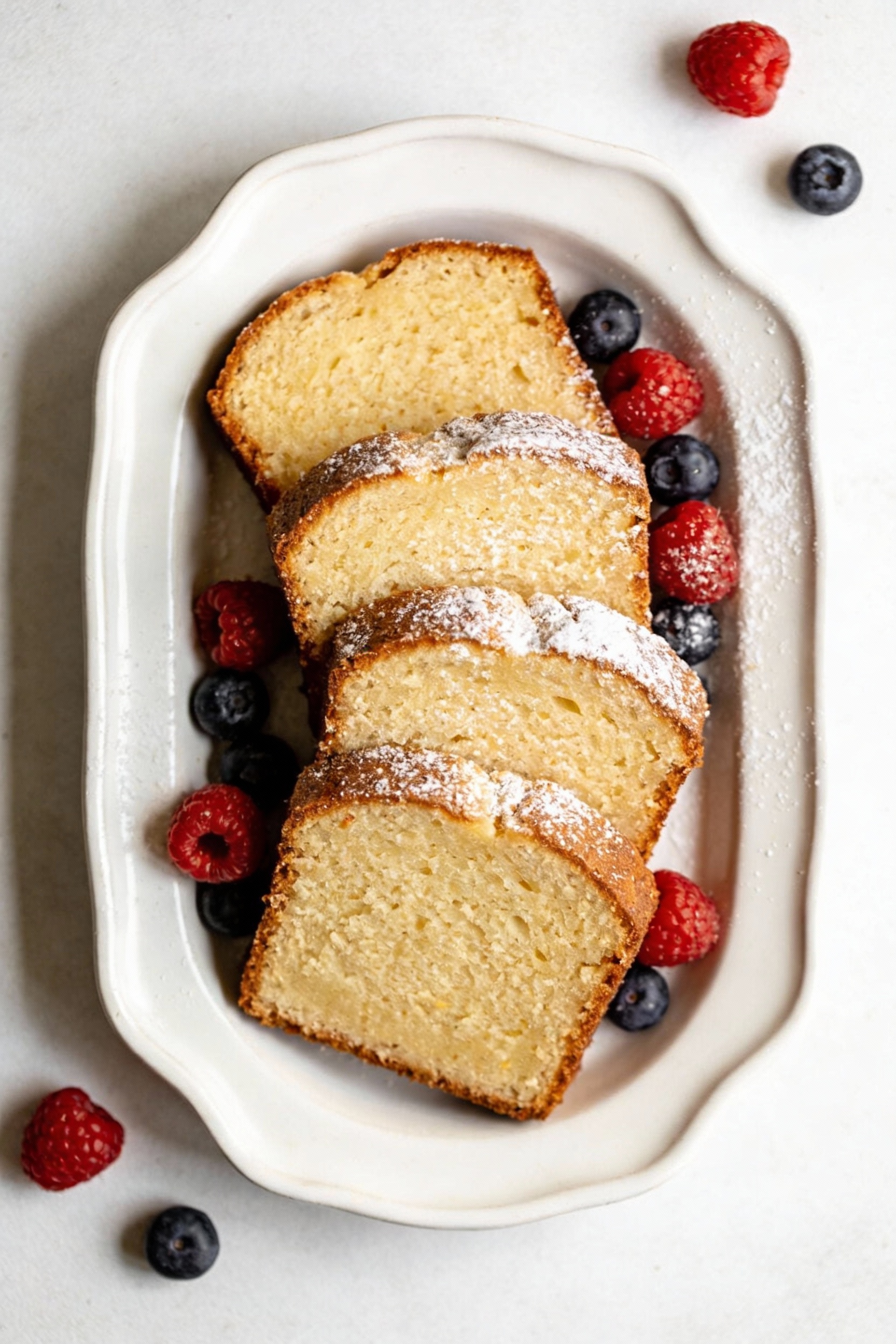
It’s insanely versatile. Serve it plain, toast it with butter, top it with berries, or turn it into the best strawberry shortcake base you’ve ever had. IMO, it’s the dessert version of a perfect white T-shirt.
And it’s consistent. Once you learn the timing and the creaming step, you can replicate that bakery-style crumb on demand, even when you’re half awake.
Common Mistakes to Avoid
-
Using cold ingredients. Cold butter won’t cream properly and cold eggs can break the batter. Room temp saves your sanity.
-
Under-creaming butter and sugar. If it looks grainy and heavy, you’re not done. Give it the full few minutes so the cake rises instead of sulking.
-
Overmixing after adding flour. You want tender, not tough. Mix just until combined, then stop like you just remembered an appointment.
-
Incorrect oven temperature. Too hot browns the outside before the inside sets. Use an oven thermometer if your oven lies, which many do.
-
Slicing while warm. The steam needs time to redistribute. Cut too early and the crumb compresses, then you wonder why it feels “wet.”
Recipe Variations
-
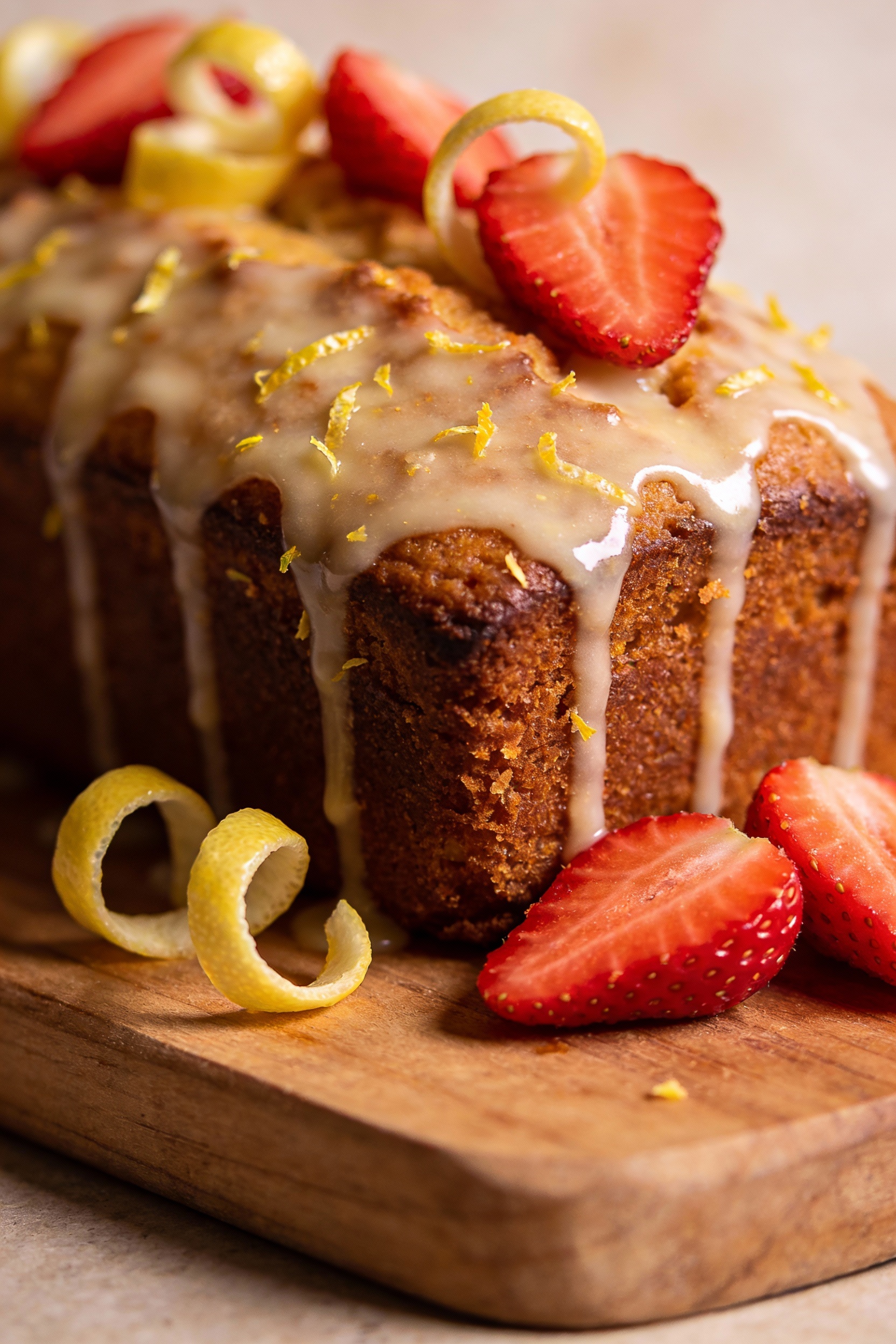
Lemon pound cake. Add 1 tablespoon lemon zest and swap 2 tablespoons milk for lemon juice. Finish with a simple lemon glaze.
-
Vanilla bean latte. Add 1 teaspoon instant espresso powder to the flour and use vanilla bean paste instead of extract.
-
Marble loaf. Remove 1 cup batter, mix it with 2 tablespoons cocoa plus 1 tablespoon milk, then swirl into the pan.
-
Brown butter version. Brown the butter, cool until solid but soft, then proceed. Nutty flavor, extra “what is this sorcery?” energy.
-
Berry-studded. Toss 1 cup blueberries or raspberries with 1 tablespoon flour, then fold in gently at the end.
FAQ
Why is it called pound cake?
Traditionally, it used a pound each of butter, sugar, eggs, and flour. Modern versions tweak ratios for a softer crumb and better rise, without losing that rich, buttery vibe.
How do I know when it’s fully baked?
Look for a deep golden top and a set center. A toothpick should come out with a few moist crumbs, not wet batter. If you have a thermometer, aim for about 200°F to 205°F in the center.
My batter looks curdled after adding eggs. Did I ruin it?
Usually no. Keep mixing and it often smooths out. If it stays split, add 1 to 2 tablespoons of the measured flour to help it emulsify, then continue.
Can I make this in a bundt pan?
Yes, a standard bundt works well. Grease thoroughly, fill about two-thirds full, and start checking around 50 to 60 minutes depending on your pan and oven.
Can I reduce the sugar?
You can reduce it slightly, but sugar affects moisture and structure. Try cutting by 1/4 cup first. Bigger reductions can make the cake dry and less tender.
What’s the best way to serve it?
Plain is great, but you can level up fast: toast slices, add macerated strawberries, whip cream, or drizzle a quick glaze. Also, it makes an unfairly good ice cream sandwich base.
Wrapping Up
Pound cake is the rare recipe that rewards basics: good butter, patient creaming, room-temperature ingredients, and a little restraint with the mixer. Do those things, and you’ll get a loaf with a tight, velvety crumb and a crust that tastes like caramelized magic.
Make it once, then start riffing. Lemon, marble, brown butter, berries, you name it. Just don’t act shocked when people request it for every gathering from now on.