Rice Cake Recipes That Beat Boring Snacks Fast
Make chewy, crispy, and sweet rice cakes with pantry staples, quick sauces, and weeknight-friendly steps for any craving.
You know that moment when you’re hungry, you want something fun, and your kitchen offers you… nothing inspiring? That’s where rice cakes win. They’re cheap, fast, and weirdly impressive for something made from plain rice. Better: you can push them savory, sweet, crispy, chewy, or all of the above. If you’ve been stuck with bland puffed rounds, congrats: you’re about to graduate.
What Makes This Recipe So Good
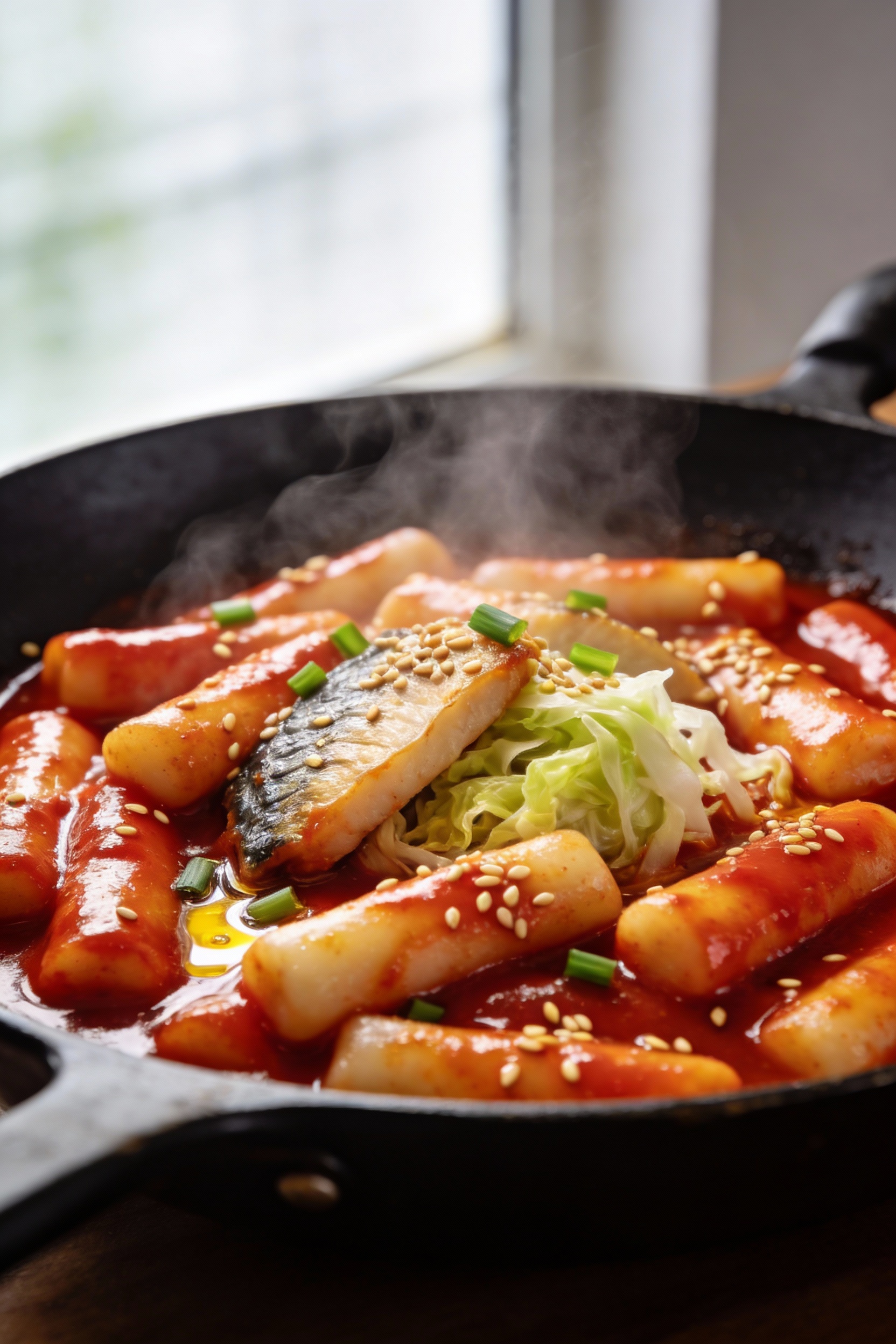
Rice cakes nail the best kind of contrast: a crisp edge with a chewy center, or a soft bite that soaks up sauce like a sponge. They also work with whatever you have, which means you don’t need a shopping cart full of “specialty items” you’ll use once. The flavor ceiling is high, but the effort stays low, which is the whole point.
These versions lean on a simple base and then stack on bold sauces and toppings. You get big texture and big taste without babysitting a pot for an hour. And yes, they reheat shockingly well if you treat them right. Your future self will thank you.
What You’ll Need (Ingredients)
Pick a style below, but start with one base. Then choose a flavor path: spicy-sweet tteokbokki vibes, crispy pan-seared cakes, or dessert-y coconut goodness.
- Base options: store-bought Korean rice cakes (tteok), Japanese kirimochi, or cooked short-grain rice for homemade cakes
- Neutral flavor builders: soy sauce, sesame oil, rice vinegar, honey or sugar, salt, garlic, ginger
- Spicy-sweet sauce (optional): gochujang, gochugaru (or red pepper flakes), ketchup (small amount), brown sugar
- Broth/liquid: water, chicken broth, or anchovy/kelp stock
- Crunch and garnish: toasted sesame seeds, scallions, furikake, crushed peanuts
- Add-ins: fish cakes, tofu, eggs, shredded chicken, mushrooms, cabbage, carrots
- Crispy coating (optional): cornstarch or rice flour, neutral oil for pan-frying
- Sweet direction (optional): coconut milk, condensed milk, cinnamon, vanilla, mango, strawberries, toasted coconut
- Equipment: nonstick skillet or wok, saucepan, spatula, mixing bowl
Cooking Instructions
Below are three crowd-pleaser methods. Use whichever matches your mood and your pantry. You can also mix them, because rules are optional in your own kitchen.
-
Quick prep the rice cakes: If using refrigerated or frozen rice cakes, soak them in warm water for 10 to 15 minutes until pliable. If using shelf-stable, rinse and check package directions. Drain well so your sauce doesn’t turn watery.
-
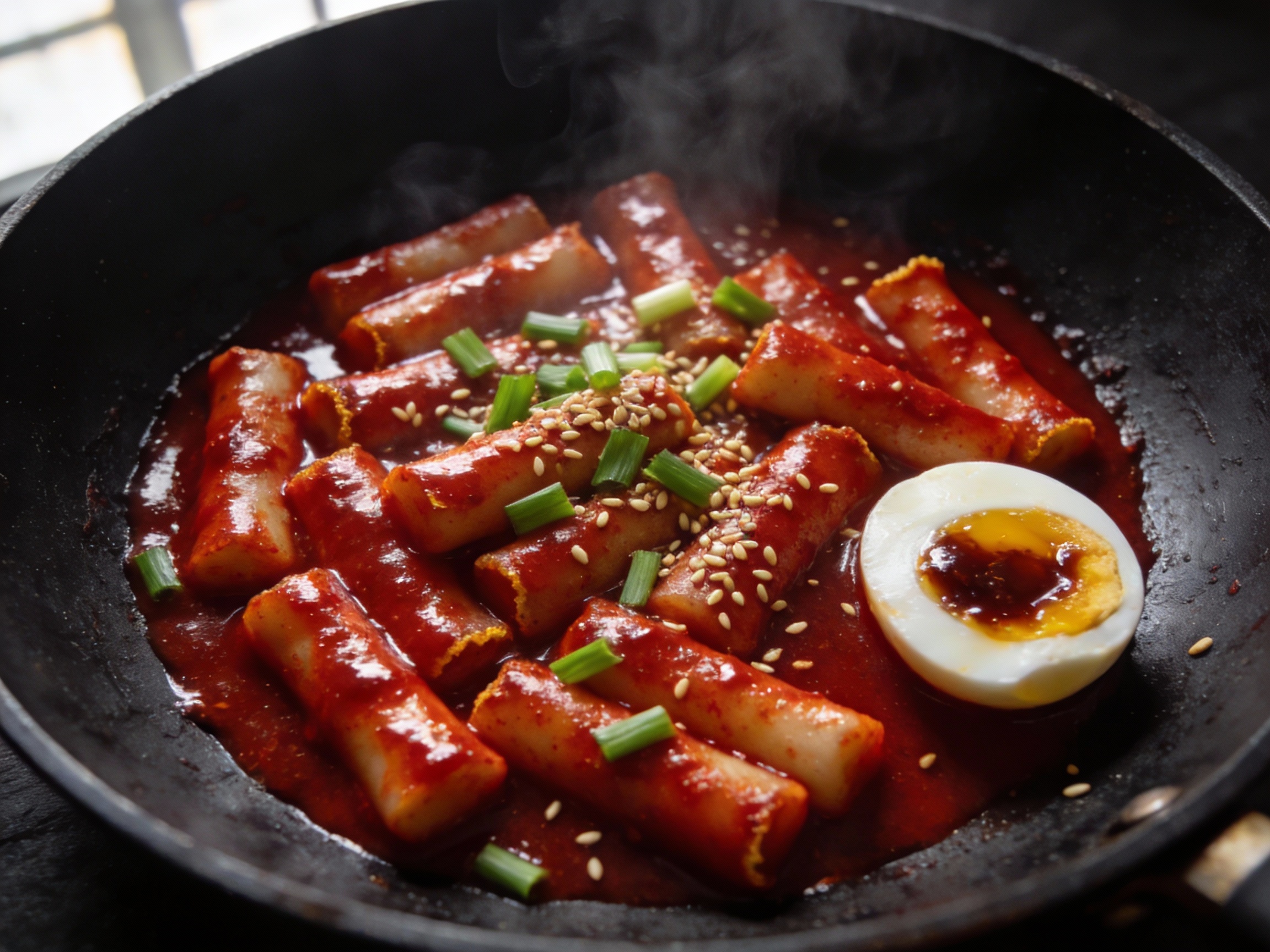
Method A: Spicy-sweet skillet rice cakes: In a pan, combine 3/4 cup broth or water, 1 to 2 tablespoons gochujang, 1 tablespoon soy sauce, 1 to 2 teaspoons sugar, and 1 minced garlic clove. Bring to a simmer, whisking until smooth.
-
Simmer to chewy perfection: Add rice cakes and cook 5 to 8 minutes, stirring often, until the sauce thickens and clings. Add fish cakes, cabbage, or mushrooms in the last few minutes so they stay lively, not sad.
-
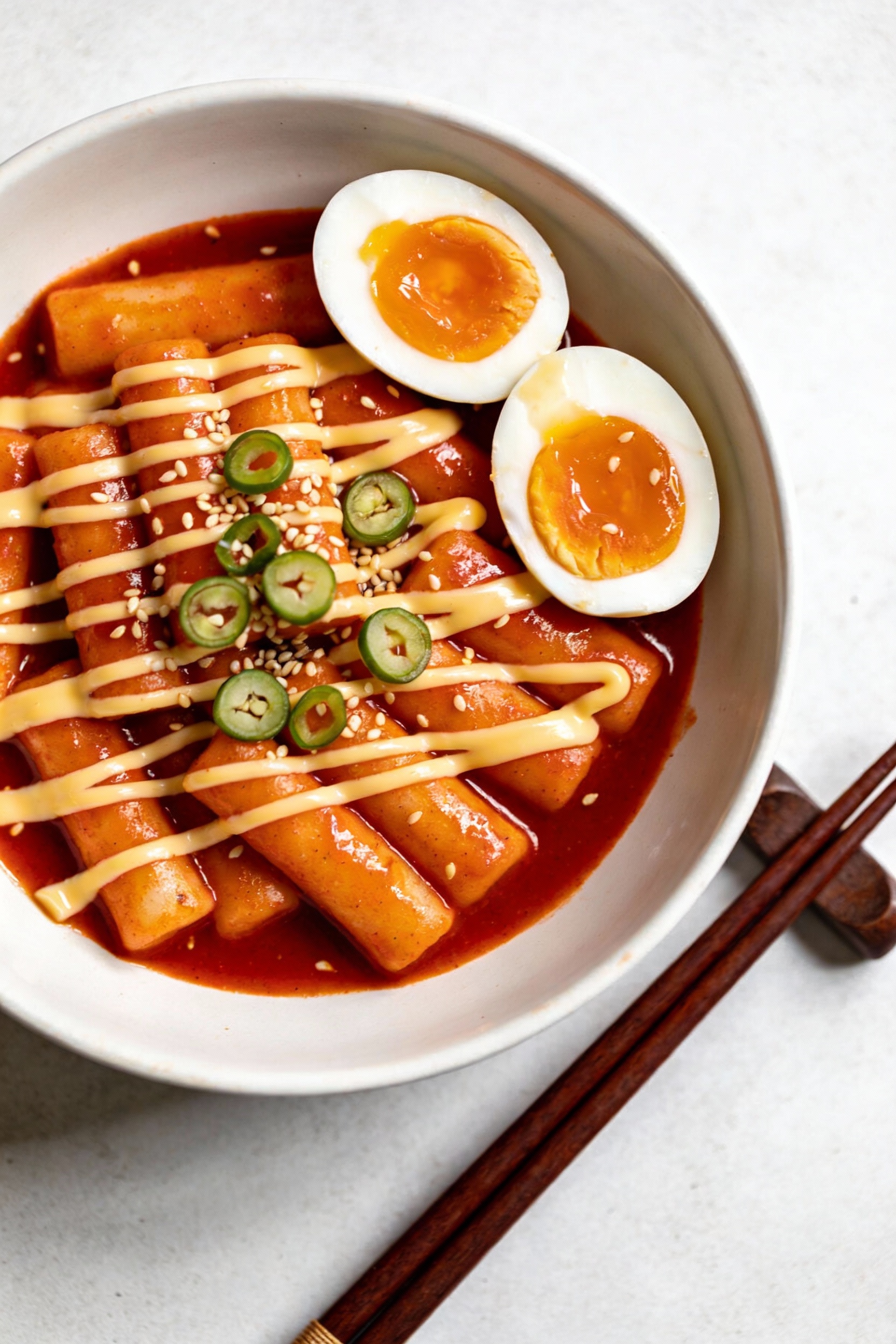
Finish like you mean it: Kill the heat, drizzle a few drops of sesame oil, then top with scallions and sesame seeds. Want it richer? Slide in a soft-boiled egg or melt a slice of cheese on top. Yes, it’s a thing, and yes, it works.
-
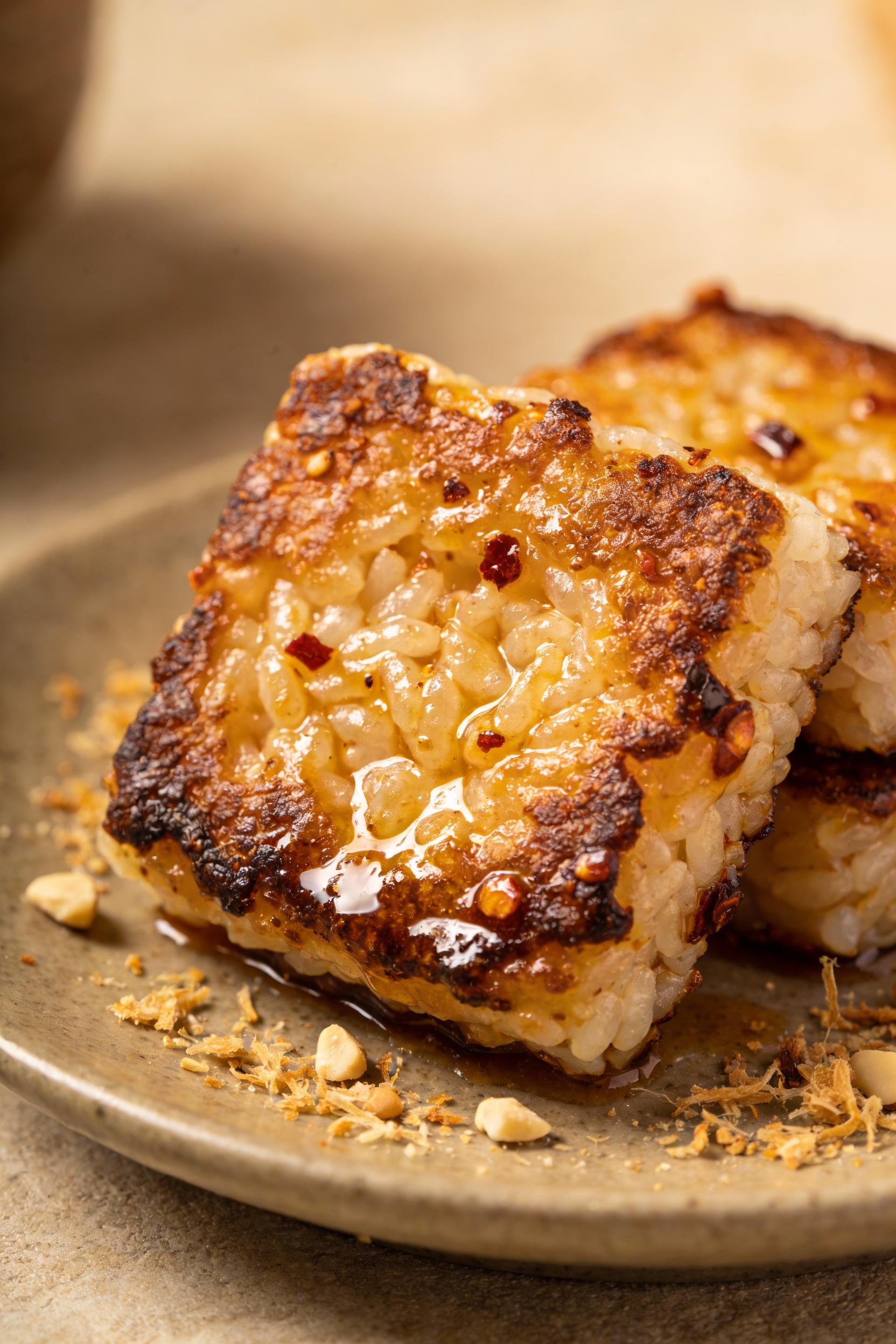
Method B: Crispy pan-seared rice cakes: Pat rice cakes dry. Toss lightly with cornstarch for a thin coat. Heat a skillet with 1 to 2 tablespoons oil over medium-high.
-
Sear hard, then sauce: Cook rice cakes in a single layer until browned on both sides, 2 to 3 minutes per side. Lower heat, add a quick glaze (1 tablespoon soy sauce, 1 teaspoon honey, 1 teaspoon rice vinegar, chili flakes optional), and toss for 30 seconds.
-
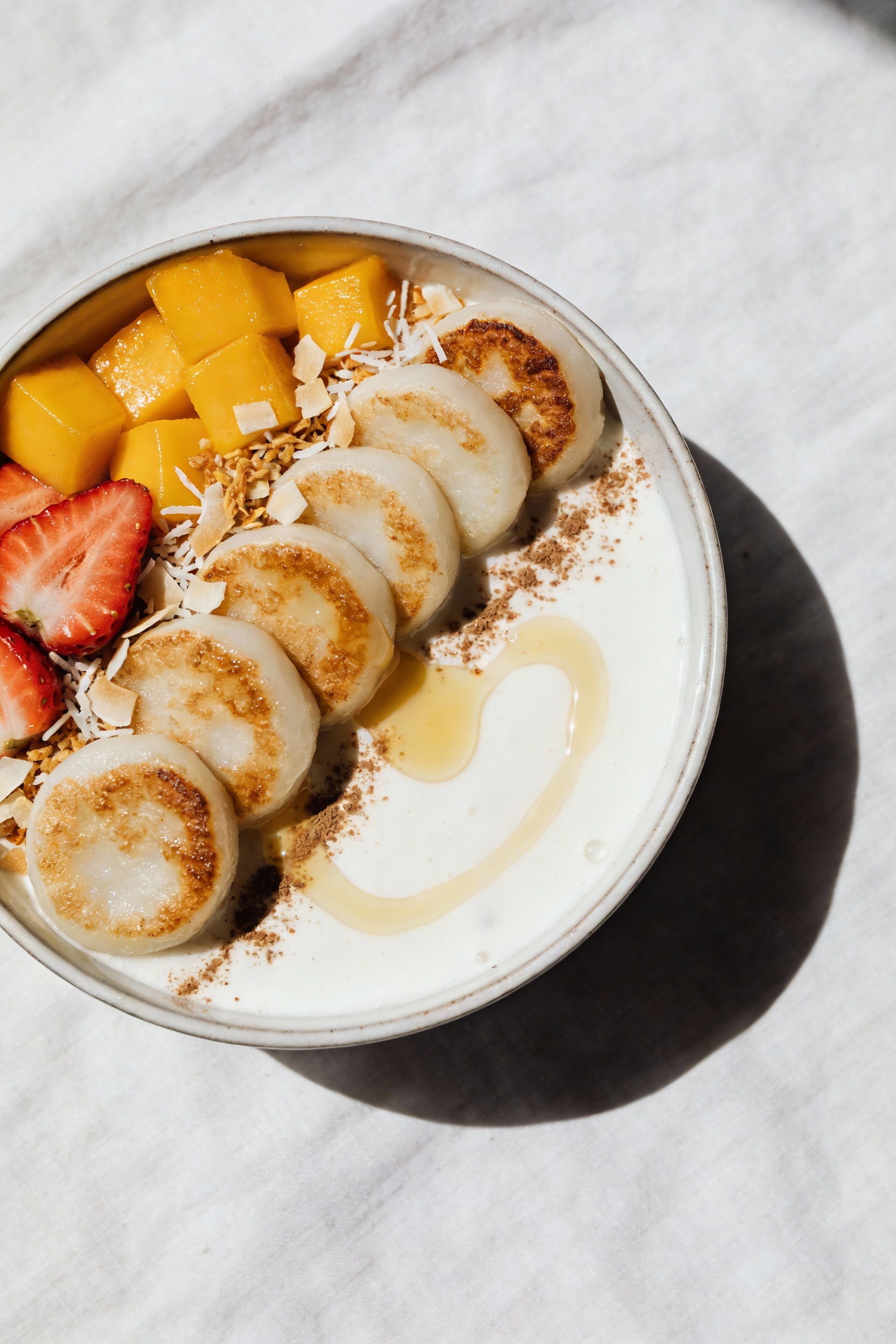
Method C: Sweet coconut rice cake bowl: Warm 1/2 cup coconut milk with a pinch of salt and 1 to 2 teaspoons sugar. Add sliced pan-seared mochi or warmed rice cakes and simmer gently for 2 to 3 minutes.
-
Top and serve: Add fruit, toasted coconut, and a drizzle of condensed milk. Keep the heat low so coconut milk stays silky, not split. IMO, mango plus toasted coconut is the cheat code.
-
Final texture check: If sauce gets too thick, add a splash of water. If it’s too thin, simmer 1 to 2 minutes more. Rice cakes tighten as they cool, so stop when they’re slightly softer than your “perfect” bite.
Keeping It Fresh
Rice cakes taste best right after cooking, but leftovers can still be excellent. Store them in an airtight container in the fridge for up to 3 days. Keep sauce separate if you can, because rice cakes love absorbing liquid like it’s their job.
To reheat, add a splash of water or broth to a pan and warm over medium heat, stirring gently until soft again. The microwave works in a pinch, but cover them and add a few drops of water so they don’t turn into chewy bricks. If you pan-seared them, re-crisp in a skillet for a minute and pretend you planned it.
What’s Great About This
Speed is the headline: most versions finish in 15 to 25 minutes. Flexibility is the bonus: swap proteins, vegetables, and spice levels without breaking the recipe. Texture is the closer: you get that addictive chew that makes chips feel like a boring meeting.
It’s also budget-friendly and crowd-friendly. You can scale it for one person or a table, and nobody complains when the sauce tastes good. FYI, it’s one of the easiest “wow” dishes to pull off on a random Tuesday.
Common Mistakes to Avoid
-
Skipping the soak: Cold rice cakes can cook unevenly and stay hard in the middle. Soak until flexible, then drain well.
-
Boiling too aggressively: High heat can make the outside mushy while the inside stays dense. Simmer and stir so they cook evenly.
-
Letting sauce get watery: Wet rice cakes plus too much liquid equals soup vibes. Start with less liquid and add splashes as needed.
-
Overcrowding the pan: If you want crisp edges, give them space. A packed pan steams them, and then you’ll act surprised.
-
Adding sesame oil too early: Sesame oil shines at the end. Cook it too long and it can taste flat or bitter.
-
Cooking and walking away: Rice cake sauce thickens fast. Stay nearby or accept that you’re making caramelized pan lacquer.
Different Ways to Make This
Once you have the base down, you can spin rice cakes into whatever your cravings demand. Keep the cooking time similar, but swap the flavor profile and toppings for a totally different result.
-
Garlic butter soy: Sear rice cakes, then toss with butter, soy sauce, garlic, and a squeeze of lemon. Finish with scallions.
-
Carbonara-style: Crisp rice cakes, then toss off-heat with egg yolk, Parmesan, black pepper, and a splash of pasta water or broth. It’s chaotic, but delicious.
-
Peanut-sesame: Whisk peanut butter, soy sauce, rice vinegar, honey, and chili oil. Thin with warm water, then coat hot rice cakes and top with crushed peanuts.
-
Kimchi stir-fry: Sauté kimchi, add rice cakes, then a little soy and sugar. Top with a fried egg because you deserve nice things.
-
Miso mushroom: Simmer mushrooms in broth, whisk in miso, then add rice cakes to warm through. Finish with sesame seeds.
-
Cinnamon sugar dessert: Pan-sear mochi, then toss in cinnamon sugar. Drizzle with honey or condensed milk.
-
Air-fryer crisp: Lightly oil rice cakes and air-fry until crisp, then dip in a spicy-sweet sauce. Great when you want crunch without pan babysitting.
FAQ
Are rice cakes the same as puffed rice snacks?
No. Puffed rice snacks are airy and dry, while chewy rice cakes (like tteok or mochi) are dense, stretchy, and made to be simmered or seared.
What type of rice works best for homemade rice cakes?
Short-grain or medium-grain rice works best because it has more starch and turns pleasantly sticky. Long-grain rice tends to crumble and won’t give you that signature chew.
How do I stop rice cakes from sticking together?
Rinse them, soak if needed, then drain well. If you’re storing cooked rice cakes, toss with a tiny bit of neutral oil and reheat with a splash of liquid to loosen them.
Why did my rice cakes turn hard after cooling?
That’s normal: starch firms up as it cools. Reheat gently with a little water or broth to bring back softness and chew.
Can I make these less spicy but still flavorful?
Yes. Use soy sauce, garlic, ginger, a touch of honey, and sesame oil. You’ll still get big flavor without the heat.
Do rice cakes freeze well?
Uncooked rice cakes freeze very well. Cooked rice cakes can freeze, but they may lose some texture; reheat slowly in a saucy simmer to recover chew.
What proteins go best with savory rice cakes?
Eggs, tofu, fish cakes, shrimp, shredded chicken, and thin-sliced beef all work. Choose something that cooks quickly so the rice cakes don’t overcook.
The Bottom Line
Rice cakes are the ultimate “low effort, high reward” move: a simple base that turns into comfort food, party food, or dessert with tiny tweaks. Pick a method, build a sauce you actually crave, and focus on texture: simmer for chew or sear for crisp. Once you nail that, you’ll stop asking what to cook and start asking how many batches you should make.