Sourdough Discard Dessert Recipes That Steal the Spotlight
Turn leftover starter into easy, crowd pleasing sweets with simple ingredients, big flavor, and less food waste.
Your jar of discard is not trash. It is basically a shortcut to better cookies, richer cakes, and desserts with that little bakery level edge people pretend they can identify. Most home bakers toss it because they think it only belongs in bread, which is honestly a brutal waste. If you want sweets that taste deeper, stay tender longer, and make you look suspiciously competent, this is your lane. The best part? You use what you already have and somehow end up with dessert.
Sourdough discard brings more than thrift to the table. It adds tang, moisture, and complexity without making your brownies taste like a loaf of bread wearing a fake mustache. That subtle fermented note balances sugar and makes familiar desserts taste more interesting. IMO, it is one of the easiest ways to level up baking without buying another niche ingredient you will use once and forget behind the cinnamon.
What Makes This Special
These desserts work because sourdough discard behaves like a flavor booster and texture helper at the same time. It can add tenderness to cakes, chew to bars, and a slight tang that keeps sweet treats from tasting flat. Instead of fighting sugar, it sharpens it. That is why a discard chocolate cake tastes more chocolatey, not less.
Another reason this method stands out is flexibility. You can use active starter or unfed discard straight from the fridge in many dessert recipes, as long as you account for its flour and water. That means less waste, fewer ingredients, and more spontaneous baking. A random Tuesday can become brownie night with very little convincing.
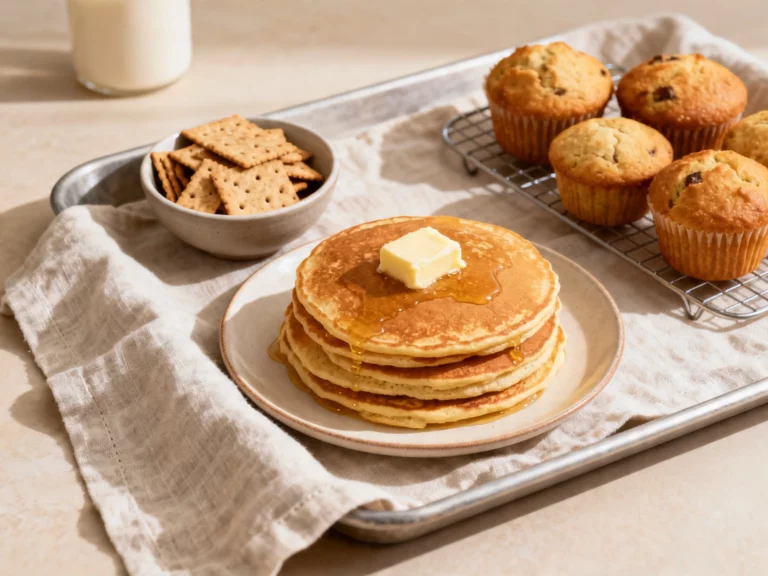
There is also the freshness factor. Many discard desserts stay moist longer than standard versions because the starter helps hold water in the batter. Translation: your muffins still taste good tomorrow, which feels almost illegal. If you bake for family, guests, or your own late night snack habits, that matters.
What Goes Into This Recipe – Ingredients
Since this article covers a family of desserts rather than one single bake, the ingredient list focuses on a master base you can adapt into cookies, brownies, snack cake, blondies, or muffins. Most sourdough discard dessert recipes pull from the same core lineup, then swap flavors and mix ins.
- Sourdough discard, usually unfed and at room temperature for easier mixing
- All purpose flour for structure
- Granulated sugar for sweetness and lift in creamed batters
- Brown sugar for moisture, chew, and caramel notes
- Butter, melted or softened depending on the dessert
- Eggs to bind and enrich
- Milk or buttermilk for moisture in cakes and muffins
- Vanilla extract because life is short and plain batter is rude
- Baking soda to react with acidity and create lift
- Baking powder for extra rise in cakes and muffins
- Salt to sharpen flavor
- Cocoa powder for chocolate desserts
- Chocolate chips or chopped chocolate for melty pockets
- Cinnamon for coffee cake, muffins, and spiced bars
- Fruit such as bananas, apples, berries, or peaches
- Nuts like pecans or walnuts for crunch
- Oats for crisps, bars, and hearty cookies
- Powdered sugar for glazes or finishing touches
If you want a simple starting formula, think in ratios. Use about 1 cup discard in a batter with 1 to 1 1/2 cups flour, 1/2 to 1 cup sugar, 1/2 cup butter, and 1 to 2 eggs depending on the texture you want. Rich desserts like brownies can handle more discard than delicate cupcakes. The thicker the batter, the more forgiving it tends to be.
Cooking Instructions
Use this adaptable method as a guide for most discard based sweets. It works especially well for muffins, snack cakes, blondies, and soft cookies. Just adjust bake time based on pan size and thickness.
-
Bring your discard to room temperature. Cold discard can clump and make mixing annoying for no reason. Let it sit out for 20 to 30 minutes so it blends smoothly into butter, eggs, or milk.
-
Choose your dessert style. For cookies and bars, aim for a thicker dough with less liquid. For cakes and muffins, use a looser batter with milk or buttermilk. Decide this first so you do not freestyle yourself into chaos.
-
Cream or melt your fat with sugar. Softened butter and sugar create fluffier cakes and cookies. Melted butter gives brownies and blondies a denser, fudgier texture. Both are valid. This is a judgment free kitchen.
-
Mix in eggs, vanilla, and discard. Beat until smooth. The mixture may look a little curdled at first, but keep going and it usually comes together. If it still looks odd, congratulations, it is homemade.
-
Whisk dry ingredients separately. Combine flour, baking soda, baking powder, salt, and cocoa or spices if using. This spreads leavening evenly so one muffin does not become a bodybuilder while the next stays flat.
-
Fold wet and dry together gently. Mix just until no dry streaks remain. Overmixing leads to tough texture, and nobody wants a cupcake with the personality of a hockey puck.
-
Add your mix ins. Stir in chocolate chips, berries, chopped nuts, cinnamon sugar swirls, or banana mash. Keep add ins balanced so every bite gets some action without turning the batter into a traffic jam.
-
Rest the batter if time allows. A 15 to 30 minute rest can improve flavor and hydration, especially in muffins and pancakes. FYI, this small pause often makes the final texture more even and tender.
-
Bake at the right temperature. Most discard desserts bake well at 350°F. Cookies usually need 10 to 14 minutes, muffins 18 to 24 minutes, bars 25 to 35 minutes, and snack cakes 30 to 40 minutes. Start checking early because ovens love drama.
-
Cool before slicing or glazing. Warm brownies may seem done but still need time to set. Cakes also hold moisture better if you let them cool before cutting. Patience is annoying, but it works.
Storage Instructions
Most sourdough discard desserts keep well because the starter helps retain moisture. Store cookies, bars, and unfrosted cakes in an airtight container at room temperature for 2 to 4 days. If your kitchen runs hot, move them to the fridge before they turn into a science project.
For longer storage, wrap slices or portions tightly and freeze them for up to 2 months. Brownies, muffins, and cookie dough freeze especially well. Thaw at room temperature or warm briefly in the microwave for that fake fresh baked magic.
If you use fruit, cream cheese frosting, or custard fillings, refrigerate the dessert. Use a sealed container so it does not absorb fridge smells. Chocolate cake should not taste like onion leftovers, yet somehow people keep risking it.
Why This is Good for You
Let us be realistic. Dessert is still dessert. But sourdough discard can make it a smarter kind of indulgence by reducing food waste and stretching ingredients you already own. That small shift adds up if you bake often.
The fermentation in sourdough starter may also help with digestibility for some people, especially compared with standard quick batters. You still get sugar and butter, so this is not kale in disguise. But you do gain flavor depth without relying on extra frosting, excessive sweetness, or a truckload of mix ins.
Many discard desserts also use less flour overall because some of the structure comes from the starter. Pair that with fruit, oats, nuts, or dark chocolate, and you can make treats that feel a bit more balanced. Not virtuous. Just less ridiculous.
Avoid These Mistakes
-
Using super acidic discard without adjusting flavor. Older discard tastes sharper, which can overwhelm delicate vanilla cakes. Use it in chocolate, spice, banana, or caramel based desserts where the tang plays nicely.
-
Ignoring hydration. Starter adds both flour and liquid. If your batter seems thin, reduce added milk. If it seems stiff, add a splash more liquid. Exactness matters more in cake than in cookies.
-
Overmixing the batter. Once flour goes in, mix gently. Too much stirring develops gluten and turns soft bakes dense and chewy in the wrong way.
-
Adding too much discard. More is not always better. Excess starter can make desserts gummy or overly tangy. Start with recipes built around 1/2 to 1 cup and scale up only after you know how your starter behaves.
-
Baking by time only. Check for visual cues like set edges, a springy center, or a clean toothpick depending on the dessert. Your oven and pan matter more than whatever the timer thinks.
Alternatives
If you do not want to make the same dessert every time, rotate through formats. The same discard can become chocolate chip cookies, banana bread, fudgy brownies, apple crumb cake, or cinnamon streusel muffins. One jar, many personalities.
You can also swap flours for a different texture. A little whole wheat flour adds nuttiness, while oat flour makes muffins softer and slightly heartier. Gluten free blends can work in some cakes and bars, though you may need extra structure from eggs or a binder.
For dairy free versions, use plant butter, coconut oil, or neutral oil and swap milk for almond, soy, or oat milk. For egg free baking, try flax eggs in muffins or snack cakes. Cookies and brownies can be trickier, but not impossible if you like experimenting more than following rules.
FAQ
Can sourdough discard make desserts taste sour?
Yes, but usually only if the discard is very old or the recipe is delicate. In chocolate, spice, banana, and brown sugar based desserts, the tang often tastes balanced and intentional. If you want a milder result, use fresher discard that has been refrigerated for fewer days.
Do I need active starter for dessert recipes?
No. Most dessert recipes use unfed discard, which makes them perfect for reducing waste. Active starter can still work, but it may create a bit more rise and a slightly different texture.
What are the easiest desserts to start with?
Brownies, muffins, banana bread, and chocolate chip cookies are the easiest entry points. They are forgiving, flexible, and strong enough in flavor to handle the tang. Basically, they are the training wheels of discard baking.
Can I use discard straight from the fridge?
Yes, though room temperature discard mixes more smoothly. If you use it cold, expect a slightly stiffer batter and mix a bit longer to remove lumps. Do not panic if it looks messy for a minute.
How long can I keep discard before baking with it?
Many bakers use refrigerated discard that is 1 to 2 weeks old with good results. Beyond that, flavor gets stronger and results become more variable. If it smells harsh, has pink or orange streaks, or looks moldy, throw it out immediately.
Which flavors pair best with sourdough discard?
Chocolate, cinnamon, brown sugar, banana, pumpkin, apple, peanut butter, and toasted nuts all pair beautifully. Bright vanilla or delicate citrus can work too, but they leave less room to hide extra tang. Choose accordingly.
In Conclusion
Sourdough discard deserves better than the trash can. It can turn ordinary sweets into desserts with better texture, deeper flavor, and a little edge that makes people ask what you changed. Whether you bake brownies, muffins, snack cakes, or cookies, the method is simple and the payoff is huge.
Start with one easy recipe, learn how your starter affects the batter, and build from there. Soon that leftover jar will look less like a chore and more like dessert insurance. And honestly, that is the kind of kitchen math we should all support.