Creamy Tuna Pasta in 20 Minutes (pantry Staple Recipe)
Weeknight lifesaver: a rich, comforting tuna pasta ready fast with shelf staples, tiny budget, big flavor, and minimal cleanup.
You’ve got 20 minutes, a couple cans of tuna, and a craving for something creamy that doesn’t taste like “I gave up.” Perfect. This recipe turns everyday pantry staples into a legit weeknight win—no fancy ingredients, no complicated steps, no culinary gymnastics. It’s fast, it’s bold, and it’s wildly satisfying. If dinner keeps slipping to the bottom of your to-do list, this is your cheat code. And yes, it tastes like you tried.
Why You’ll Love This Recipe
- Ready in 20 minutes, start to finish—even if you’re moving at end-of-day speed.
- Pantry-only friendly: canned tuna, evaporated milk or cream, pasta, garlic, and Parmesan.
- One-pan sauce with minimal chopping and zero drama. Your sink will thank you.
- Budget smart without tasting budget. Luxuriously creamy, savory, and balanced.
- Protein-packed and satisfying—because carbs plus lean tuna is the power duo we all need.
- Flexible: swap pasta shapes, add peas, toss in capers, go spicy—your call.
Shopping List – Ingredients
Serves 4 hungry people or 6 lighter portions. Use what you have, but aim for these:
- 12 oz pasta (spaghetti, linguine, or short shapes like fusilli/penne)
- 2 cans (5 oz each) tuna (oil-packed for richer flavor; water-packed also works)
- 2 tbsp olive oil (plus a little more if your tuna is water-packed)
- 1 tbsp butter (optional, for extra silkiness)
- 3 cloves garlic, finely minced
- 1 small shallot or 1/2 small onion, finely chopped (optional but recommended)
- 1/2 tsp crushed red pepper flakes (optional, for gentle heat)
- 1 cup evaporated milk (pantry MVP) or 3/4 cup heavy cream
- 1 cup reserved pasta water (save before draining)
- 1/2 cup finely grated Parmesan or Pecorino Romano
- 1 tbsp lemon juice + 1 tsp lemon zest (optional, brightens everything)
- 2 tbsp capers, drained (optional, for briny punch)
- 1 cup frozen peas (optional, for color and sweetness)
- Salt and freshly ground black pepper to taste
- 2 tbsp chopped parsley or dill (optional, for fresh finish)
Pro tip: If you’ve only got milk, use 1 cup whole milk and reduce the sauce a bit longer for creaminess.
Cooking Instructions
- Boil the pasta: Bring a large pot of salted water to a rolling boil. Cook pasta until just shy of al dente (usually 1–2 minutes less than package time).
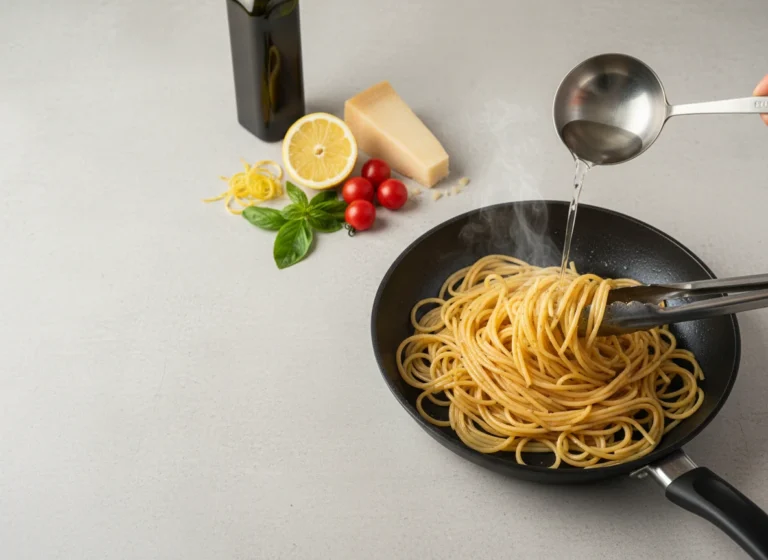
- Reserve pasta water: Before draining, scoop out 1 cup starchy pasta water. Drain pasta and set aside.
- Sauté aromatics: In a wide skillet over medium heat, warm 2 tbsp olive oil. Add garlic and shallot/onion. Cook 2–3 minutes until fragrant and translucent, not browned.
- Heat optional spice: Stir in crushed red pepper flakes. Toast 30 seconds to bloom flavor.
- Add tuna: Drain canned tuna well. Add to skillet, breaking into chunks with a spoon. Warm through 1 minute. If using water-packed tuna, drizzle in another 1 tsp oil.
- Build the creaminess: Pour in 1 cup evaporated milk (or 3/4 cup heavy cream) and 1/2 cup pasta water. Simmer 2–3 minutes to thicken slightly.
- Cheese magic: Reduce heat to low. Stir in 1/2 cup Parmesan until smooth. If the sauce looks tight, add more pasta water 1–2 tbsp at a time.
- Brighten: Add lemon zest, lemon juice, and capers if using. Taste and season with salt and plenty of black pepper.
- Optional veg: Toss in frozen peas and cook 1–2 minutes until tender.
- Combine: Add cooked pasta to the skillet. Toss well for 60–90 seconds until every strand or shape is glossy and coated.
- Finish: Add butter for extra silk (optional), and fold in parsley or dill. Adjust with more cheese, lemon, or pasta water to hit your perfect texture.
- Serve hot: Plate it up. Top with a final sprinkle of Parmesan and a crack of pepper. Try not to inhale it in one go—no judgment if you do.
FYI: Sauce thickens as it cools; a splash of pasta water or milk loosens it back up in seconds.
How to Store
Refrigerate: Store leftovers in an airtight container for up to 3 days. Reheat gently on the stove with a splash of milk or water to revive the sauce.
Freeze: You can freeze for up to 1 month, but dairy sauces can turn slightly grainy. Evaporated milk holds better than heavy cream; just thaw overnight and reheat with extra liquid.
Meal prep tip: Keep the sauce and pasta separate if storing longer than a day. Combine on reheat for the best texture.
What’s Great About This
- Zero stress: No complicated roux, no blender, no obscure ingredients.
- Restaurant-level payoff: Silky, rich sauce that clings to pasta like a pro.
- Lean protein hero: Tuna adds savory depth without heaviness.
- Customizable flavor: Lemon, capers, herbs, chili—build your vibe.
- Weeknight practicality: 1 pan for sauce, 1 pot for pasta, and you’re done.
- Kid-friendly (usually): Skip the chili and capers, add peas and extra cheese.
Common Mistakes to Avoid
- Not salting pasta water: Bland water equals bland pasta. Taste the water; it should be pleasantly salty.
- Overcooking pasta: Go shy of al dente. It finishes in the sauce and absorbs flavor.
- Skipping pasta water: That starchy liquid is your secret to silky sauce. Reserve 1 cup—always.
- High heat with dairy: Boiling the sauce can split it. Keep heat medium-low once dairy goes in.
- Not draining tuna well: Excess liquid waters down flavor. Press gently with a fork in the can.
- Too much lemon: Balance matters. Start modest, then taste and adjust.
Alternatives
- Dairy-free: Use 1 cup unsweetened oat milk or cashew milk with 1 tsp cornstarch slurry. Finish with olive oil and nutritional yeast instead of Parmesan.
- Greek yogurt swap: Use 3/4 cup Greek yogurt off heat. Temper with a little warm pasta water to prevent curdling, then fold in gently.
- Canned salmon: Swap tuna for salmon for a richer, omega-3 boost. Remove skin/bones if present.
- Anchovy upgrade: Add 2 fillets with the garlic for deeper umami. They melt into the oil—no fishiness, just flavor.
- Gluten-free: Use GF pasta and check labels on evaporated milk and tuna. Reserve pasta water as usual—GF starch still helps.
- Veg-loaded: Toss in spinach, cherry tomatoes, zucchini, or artichokes. Quick sauté before adding dairy.
- Herb switch: Try dill for a coastal vibe, basil for summer energy, or chives for gentle onion notes.
- Spice path: Add a pinch of smoked paprika or a dash of Old Bay for a classic seafood feel.
FAQ
Should I use tuna packed in oil or water?
Oil-packed tuna brings richer flavor and better texture, so it’s ideal for creamy sauces. Water-packed works too—just add an extra drizzle of olive oil to round it out. IMO, if you can choose, go oil-packed for weeknight luxury.
What pasta shape works best for this sauce?
Long noodles like spaghetti or linguine give you a silky, twirlable experience. Short shapes like fusilli, rigatoni, or penne catch more sauce in their nooks. Both win—use what’s in your pantry and what you like to eat.
Can I make this without evaporated milk or cream?
Yes. Whole milk plus a little extra simmer time gets you close. You can also use Greek yogurt off heat (temper it first) or a dairy-free milk thickened slightly with cornstarch. Taste as you go and adjust with cheese and pasta water.
How do I keep the sauce from splitting?
Lower the heat before adding dairy, and avoid boiling after you add it. Stir in the cheese gradually, and use pasta water to loosen the sauce, not milk straight from the fridge. Gentle heat equals silky texture—science and vibes.
Can I add veggies without complicating things?
Absolutely. Frozen peas are the easiest—straight into the sauce. Spinach wilts in seconds. Sauté zucchini or cherry tomatoes with the aromatics, then proceed. More color, more nutrients, same timeline.
How do I make it extra lemony without overpowering the tuna?
Use zest for aroma and juice for brightness, starting small. Add capers for briny contrast and black pepper for balance. Then taste. If it sings, you nailed it; if it shouts, add cheese or pasta water to mellow it.
Is Parmesan mandatory?
Not mandatory, but highly recommended. Parmesan adds salt, umami, and body. If you’re out, Pecorino Romano or Grana Padano works. Nutritional yeast brings a dairy-free alternative with a cheesy vibe.
Will leftovers still taste good?
Yes—reheat gently with a splash of water or milk to restore creaminess. The sauce tightens in the fridge, so loosen it in the pan over low heat. Add a squeeze of lemon or a pinch of pepper to wake it up.
In Conclusion
This is the kind of dinner that makes you feel like you pulled off a magic trick—simple ingredients, a tight timeline, and a bowl that tastes like comfort with a backbone. Pantry staples become creamy, savory, and bright, and you barely lifted a finger. Keep this in your weeknight rotation, flex the add-ins, and let it rescue you on busy nights. Fast, flexible, and delicious—your 20-minute win, on repeat.