Sourdough Discard Recipes That Save Breakfast Fast
Turn extra starter into quick pancakes, crackers, muffins, and more with simple steps, pantry ingredients, and less waste.
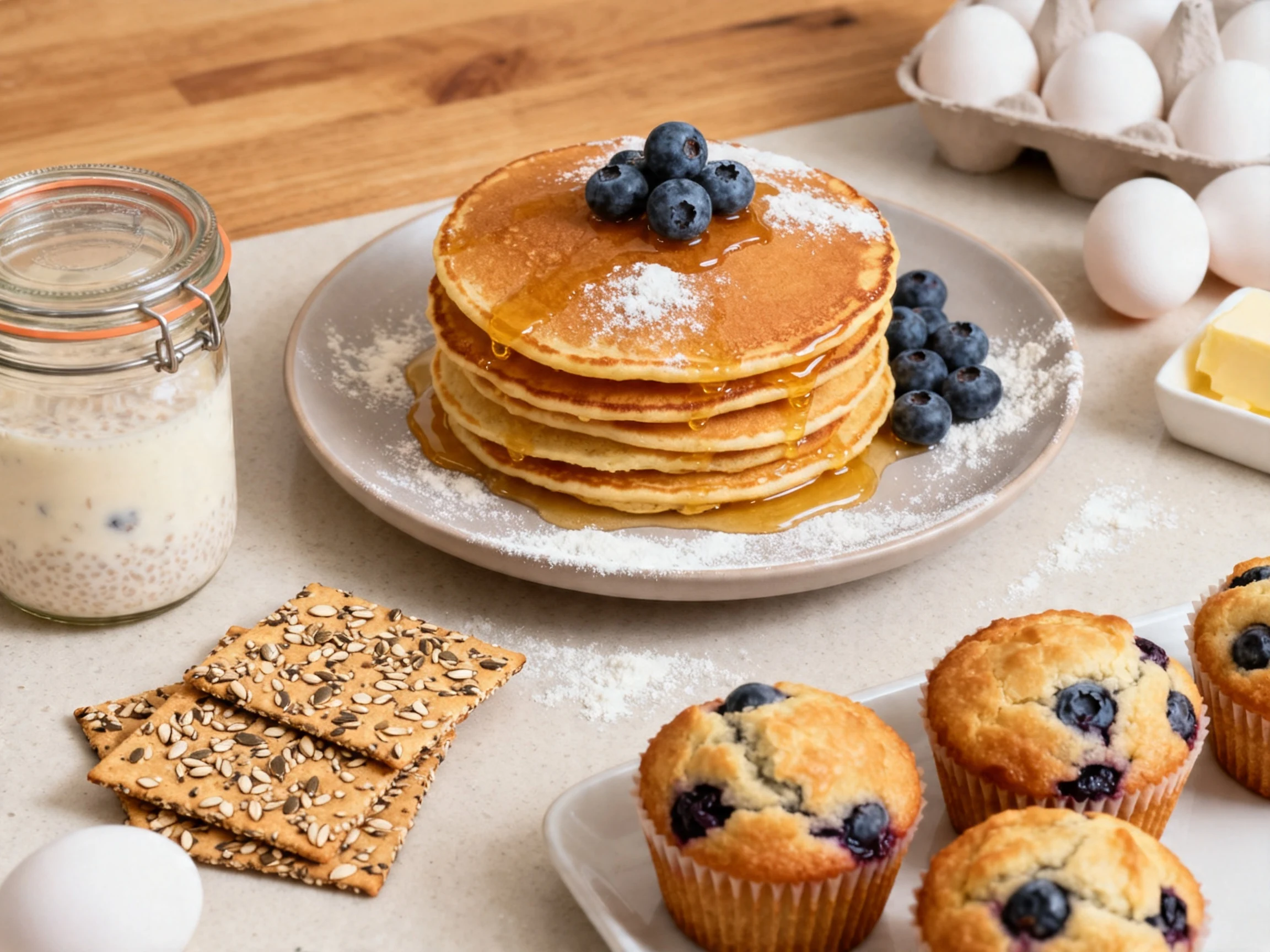
Your starter worked hard. The discard does not deserve a dramatic trip to the trash. With a few smart add-ins, that tangy extra becomes pancakes, waffles, crackers, muffins, and cookies that taste way fancier than the effort required. Translation: you save money, cut waste, and get snacks, which feels like a suspiciously good deal.
The best part is speed. Most discard-friendly bakes skip the long fermentation marathon and head straight into the “feed me now” category. If your jar keeps multiplying like a kitchen science project, this is your exit strategy. IMO, this is one of the easiest ways to make your sourdough habit feel practical instead of mildly chaotic.
Why You’ll Love This Recipe
This article focuses on a flexible master approach to using leftover starter, so you can make several favorites without learning a dozen different systems. Once you understand the base idea, you can turn discard into sweet or savory recipes with whatever sits in your pantry. Very convenient for nights when your fridge looks judgmental.
- Less waste: You use the extra starter instead of tossing it.
- Fast payoff: Many discard recipes come together in under 30 minutes.
- Big flavor: The starter adds tang, depth, and better browning.
- Beginner friendly: No advanced shaping, scoring, or bread drama required.
- Easy to customize: Go sweet with cinnamon and chocolate chips, or savory with herbs and cheese.
Discard also plays well with everyday meals. It fits breakfast, lunchbox snacks, party appetizers, and midnight “I need something crunchy immediately” moments. That kind of range is hard to hate.
What You’ll Need (Ingredients)
You can use one core ingredient list for a basic discard batter or dough, then tweak it depending on what you want to make. This setup works especially well for pancakes, waffles, muffins, quick flatbreads, and crackers. Keep it simple first, then get creative after you nail the texture.
- 1 cup sourdough discard: Unfed starter, cold or room temperature
- 1 to 1 1/2 cups all purpose flour: Adjust based on whether you want batter or dough
- 1/2 teaspoon baking soda: Helps with lift and balances acidity
- 1 to 2 teaspoons baking powder: Useful for fluffy recipes like pancakes or muffins
- 1/2 teaspoon fine salt: Sharpens flavor
- 1 to 2 tablespoons sugar or honey: Optional, but helpful in sweet bakes
- 1 egg: Adds structure and richness
- 2 to 4 tablespoons melted butter or oil: Keeps the texture tender
- 1/2 to 1 cup milk or buttermilk: For loosening batter as needed
- Optional add-ins: Cinnamon, vanilla, shredded cheese, scallions, herbs, garlic powder, berries, chocolate chips, or seeds
If you want crackers, use less liquid and a bit more flour. If you want pancakes or muffins, keep the mixture softer and easier to scoop or pour. The discard itself varies in thickness, so trust the texture more than the measuring cup. Your starter did not read the same recipe card as mine, FYI.
Let’s Get Cooking – Instructions
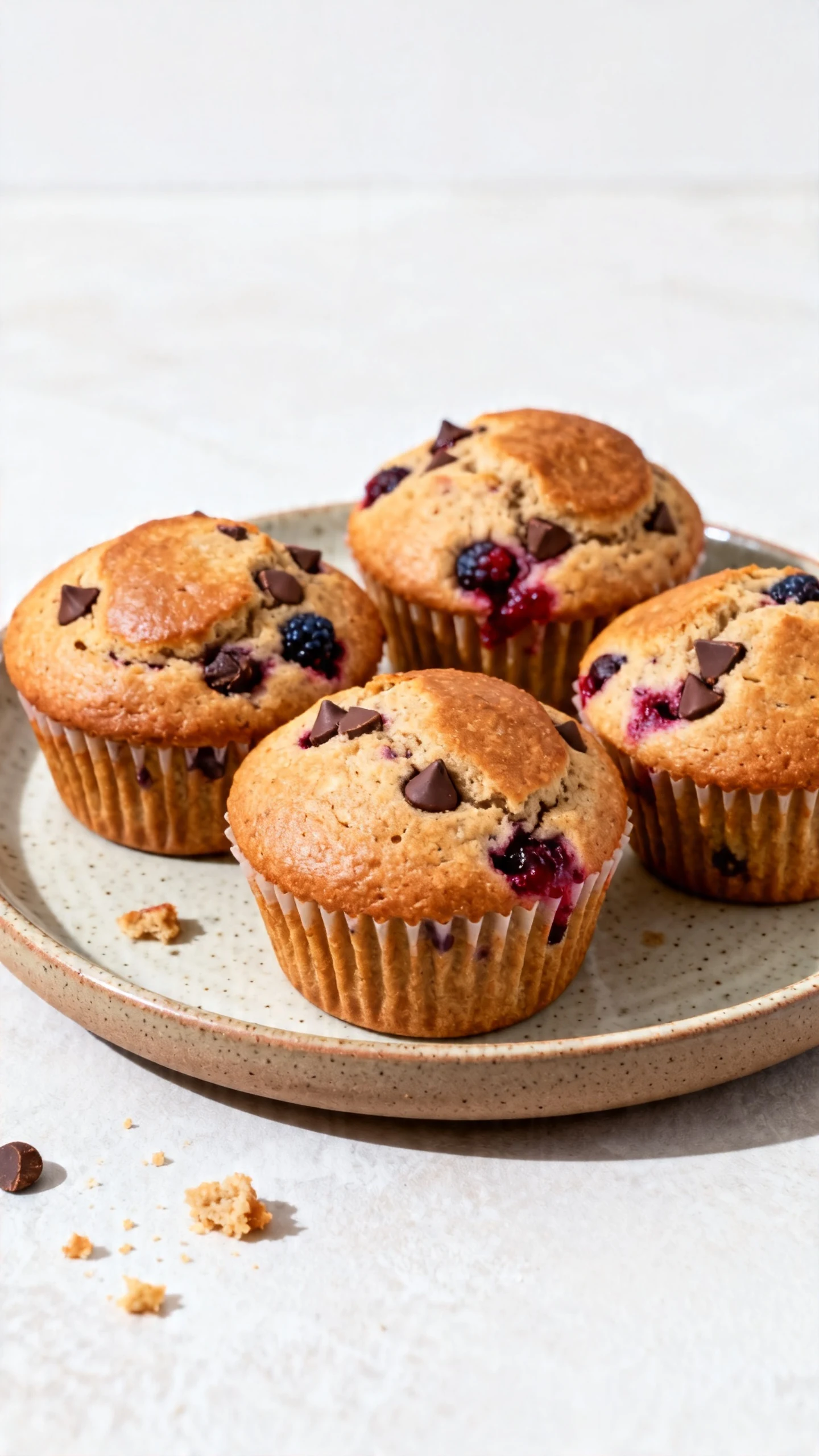
These steps give you a reliable base you can adapt into several popular options. Follow the method, then choose your finish based on what you crave. Breakfast stack, crispy snack, or cozy muffin? Yes.
-
Measure your discard. Add 1 cup sourdough discard to a medium bowl. If it smells pleasantly tangy, you are good. If it smells aggressively off or shows pink or orange streaks, toss it and start over, because no snack is worth that gamble.
-
Mix the wet ingredients. Whisk in the egg, melted butter or oil, and milk until smooth. For sweeter recipes, add sugar or honey and a splash of vanilla. For savory versions, skip the vanilla and think herbs, cheese, or garlic instead.
-
Add the dry ingredients. Stir in flour, salt, baking soda, and baking powder. Mix just until no dry patches remain. Overmixing gives you dense results, and nobody wakes up hoping for a pancake with the personality of a hockey puck.
-
Choose your texture. For pancakes or waffles, aim for a thick but pourable batter. For muffins, the batter should hold shape on a spoon. For crackers or flatbreads, add enough flour to create a soft dough you can roll out easily.
-
Add flavor boosters. Fold in berries, chocolate chips, cinnamon, or chopped nuts for sweet recipes. For savory ideas, try cheddar, Parmesan, green onions, rosemary, sesame seeds, or black pepper. The discard brings tang, so bold flavors work beautifully here.
-
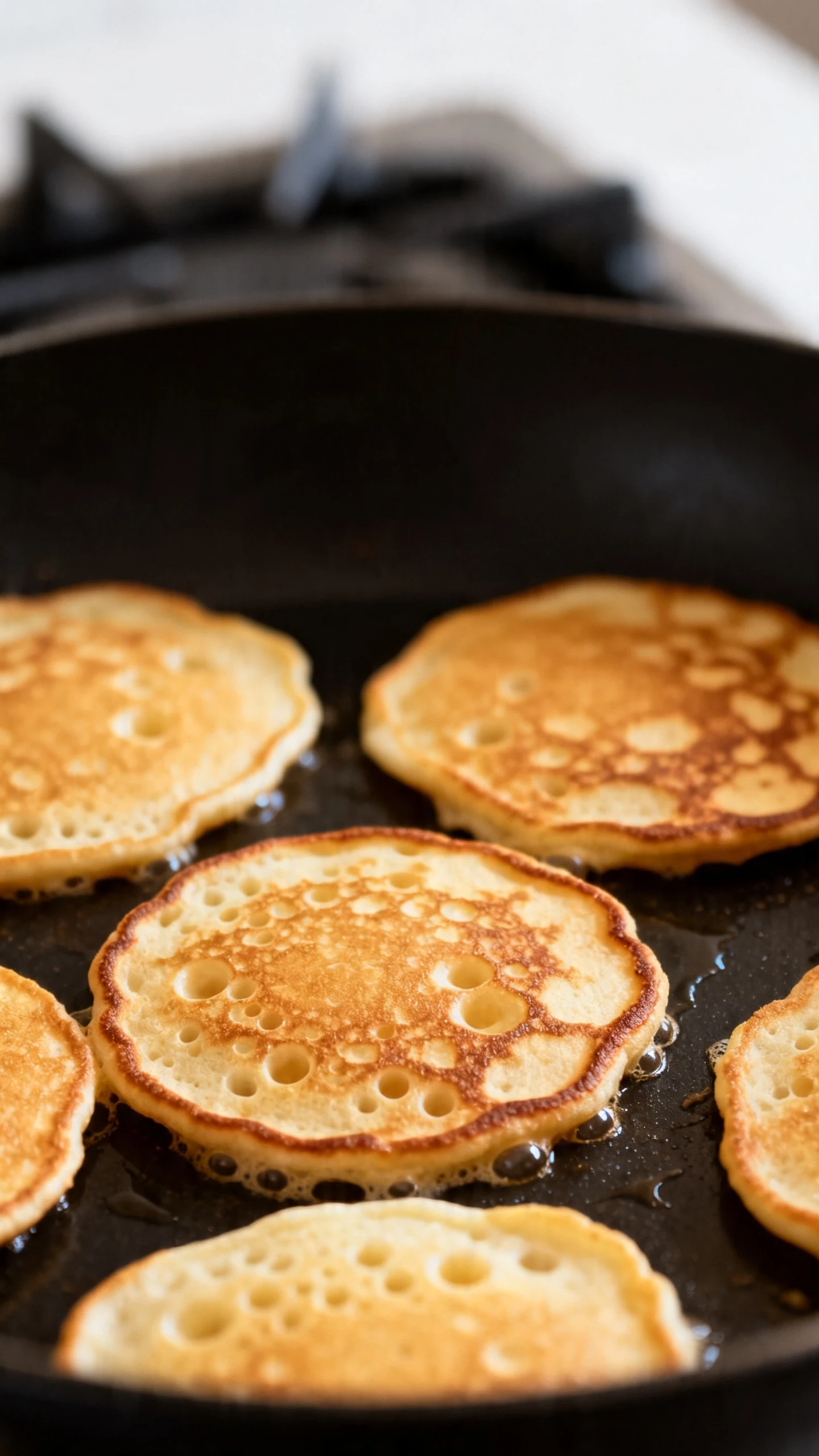
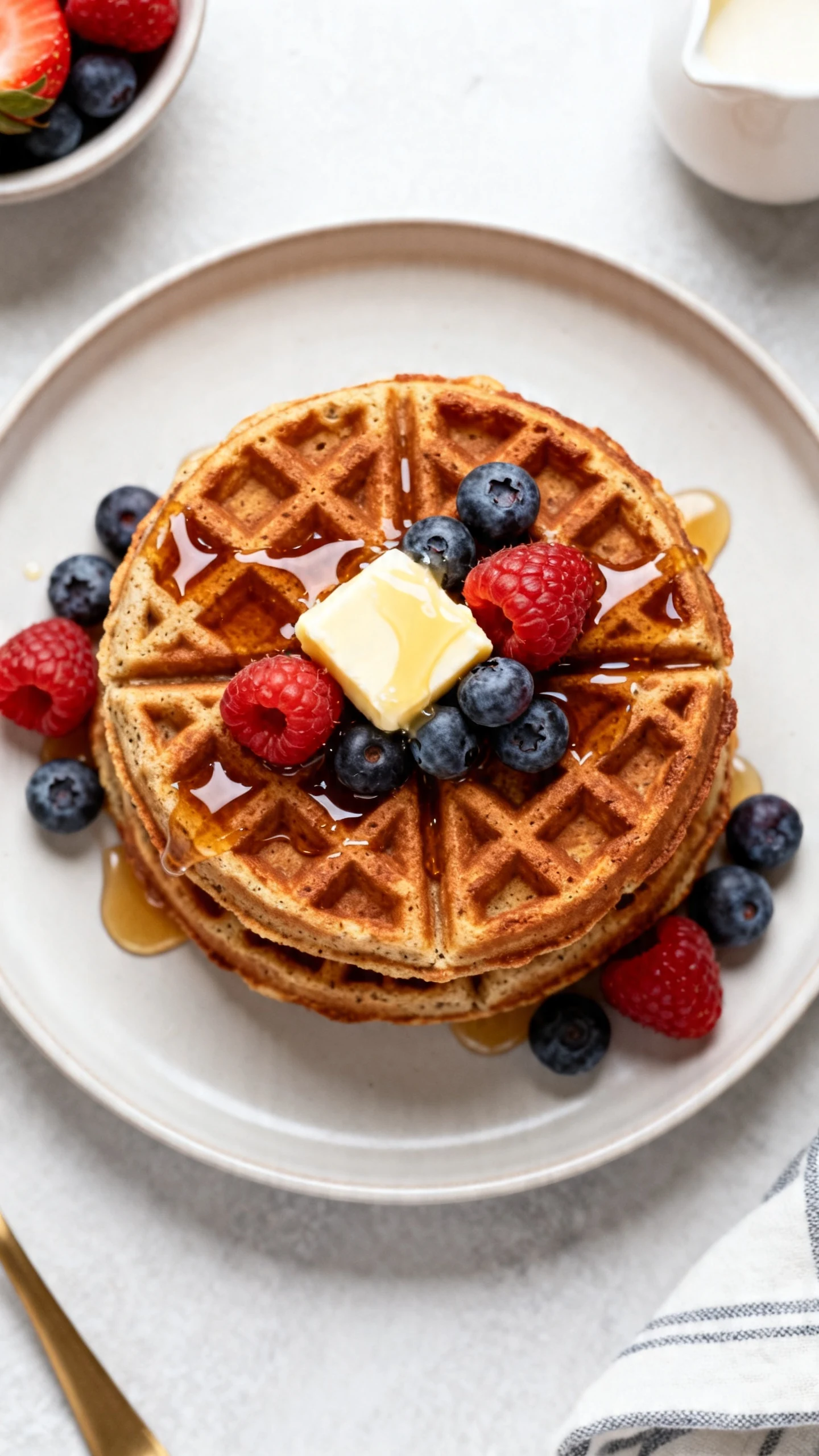
Cook pancakes or waffles. Heat a lightly greased skillet or waffle iron. Spoon or pour the batter and cook until golden and set, flipping pancakes once bubbles form and the edges look dry. Serve hot with butter, syrup, jam, or a heroic amount of peanut butter.
-
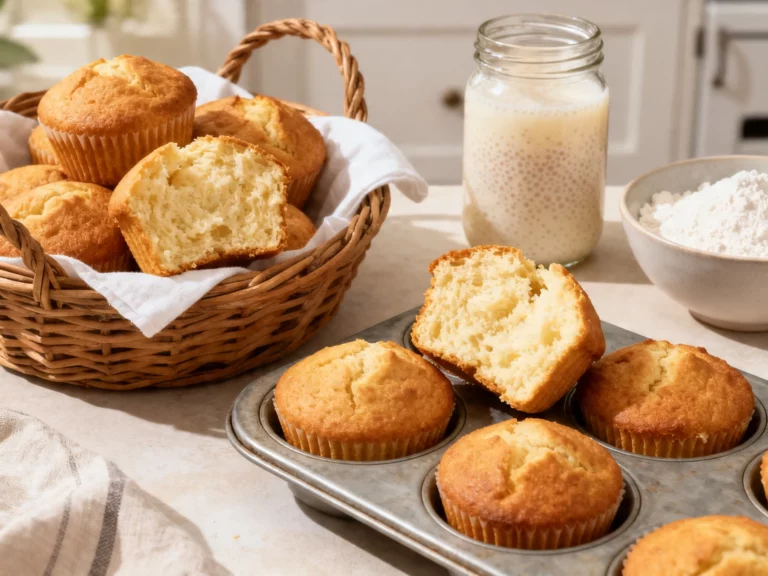
Bake muffins. Scoop batter into a lined muffin pan, filling each cup about two thirds full. Bake at 375°F until the tops spring back and a toothpick comes out mostly clean, usually about 16 to 22 minutes. Let them cool a bit so you do not burn your mouth in the name of impatience.
-
Make crackers or flatbreads. Roll dough thin between sheets of parchment, brush with olive oil, and sprinkle with salt or seasonings. Bake at 350°F until crisp and deeply golden, or cook flatbreads in a hot skillet until blistered. Thin dough makes crisp crackers, while slightly thicker dough gives you a chewy bite.
-
Taste and adjust next round. If the recipe tastes too tangy, add a little more flour or a touch of sweetener next time. If it feels flat, bump up the salt or add sharper mix-ins. This is one of those methods that gets better every time you make it.
Storage Instructions
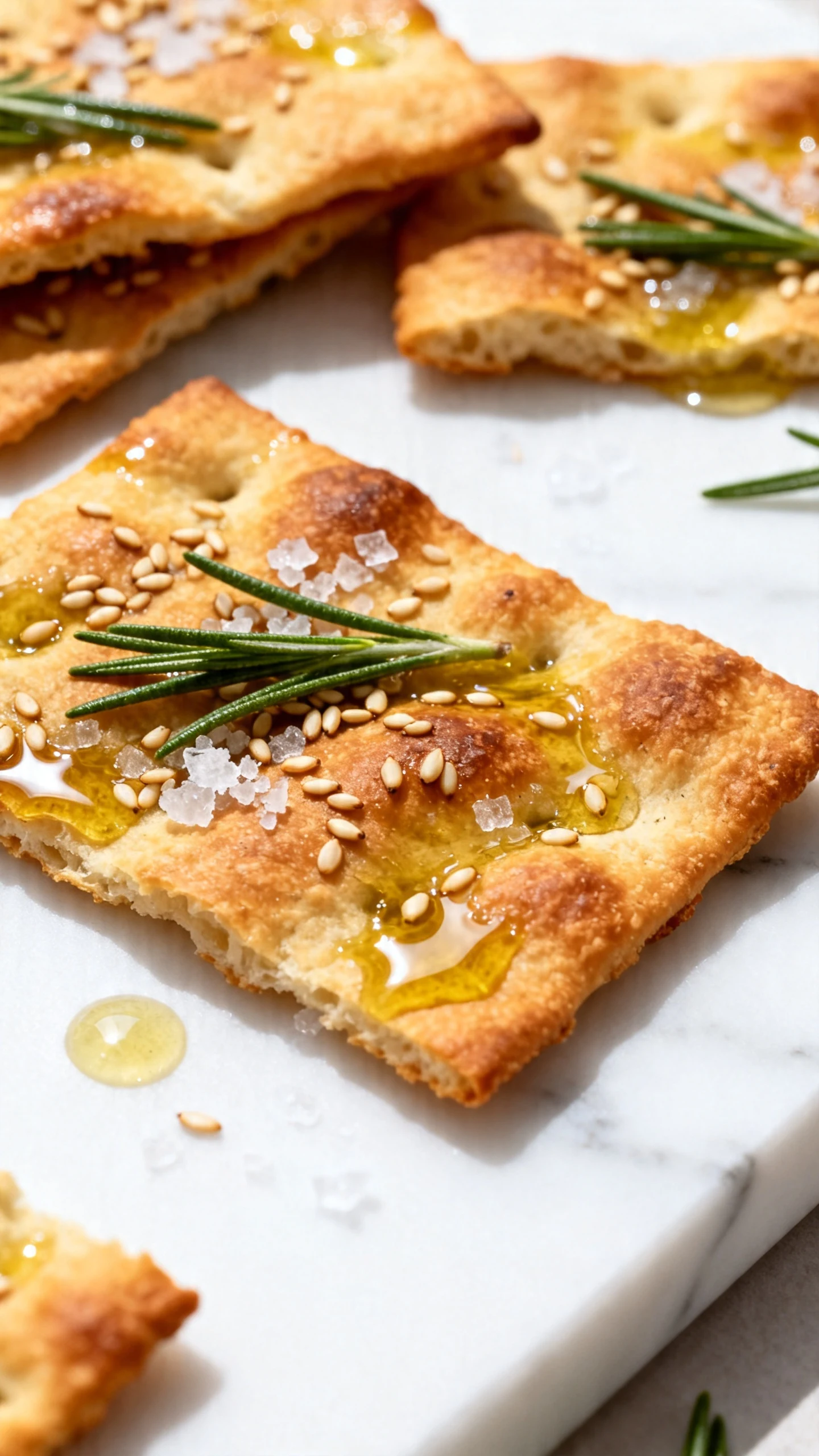
Most discard bakes store very well, which makes them ideal for meal prep. Keep pancakes, muffins, and flatbreads in an airtight container at room temperature for up to 2 days. For longer storage, refrigerate them for up to 5 days.
Crackers need a dry container so they stay crisp. If they soften, re-crisp them in a low oven for a few minutes and pretend nothing happened. You can also freeze pancakes, waffles, muffins, and flatbreads for up to 2 months. Separate layers with parchment so they do not become one giant carb iceberg.
Discard itself also stores well in the fridge. Keep it in a covered jar and use it within about a week or two for best flavor in quick recipes. Stir before measuring, because liquids sometimes separate and make it look suspiciously weird.
Nutritional Perks

Sourdough discard does not magically turn cookies into kale, but it does offer a few nice benefits. The fermentation process can make grains easier to digest for some people, and the tangy flavor often lets you use less sugar in sweet recipes. That is not a miracle, but it is a win.
When you use discard in homemade food, you also control the ingredients. You can choose better fats, reduce sodium, add whole grain flour, or include nuts and seeds for more fiber and texture. Compared with many packaged snacks, your homemade version usually tastes fresher and contains fewer mystery extras.
If you want more nutrition, swap part of the all purpose flour for whole wheat or oat flour. Add fruit to muffins, seeds to crackers, or yogurt alongside pancakes for protein. Small upgrades count, even if you still top everything with butter. Balance, right?
Avoid These Mistakes
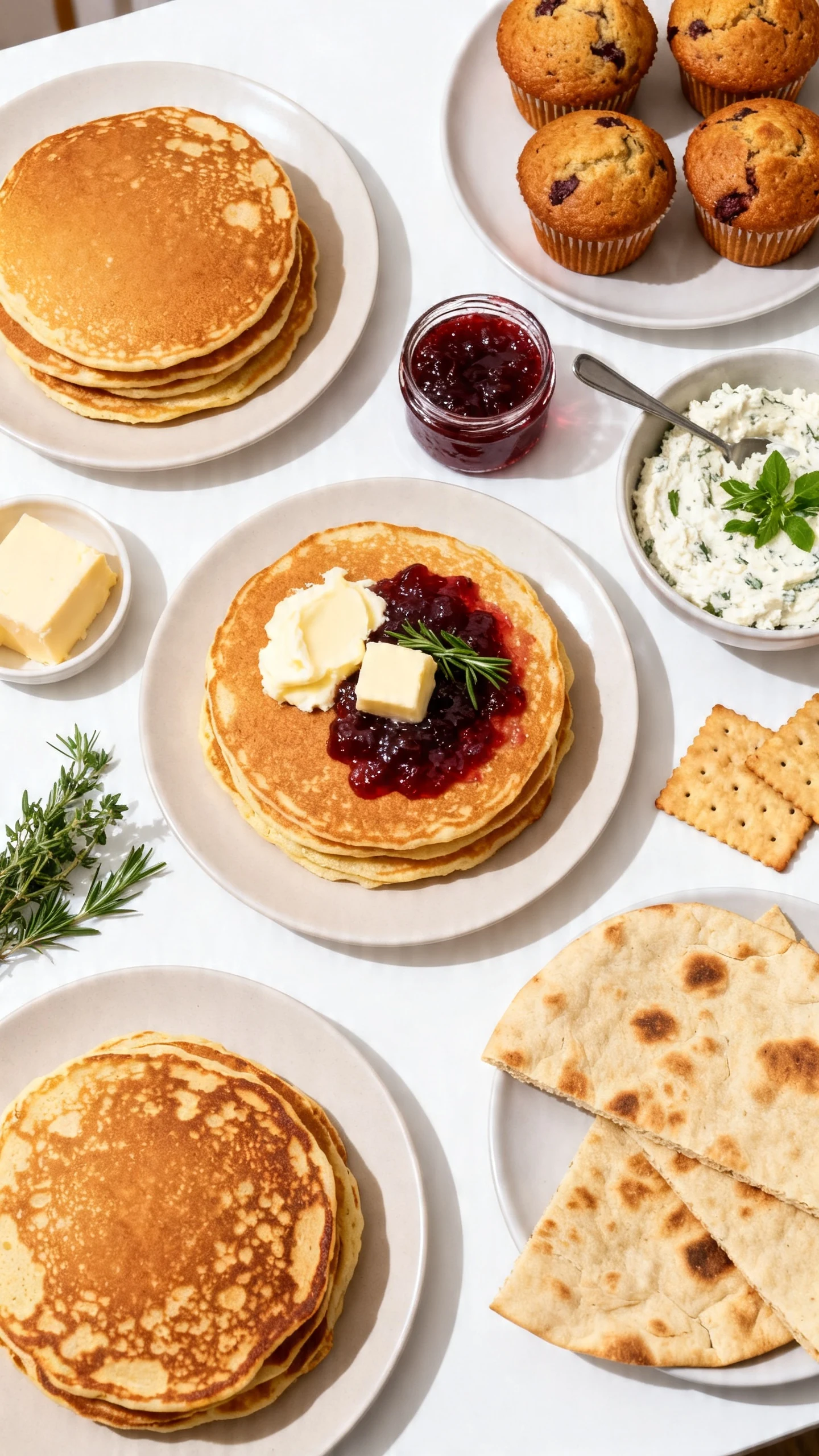
- Using spoiled discard: Tangy is normal. Mold, pink streaks, or rotten smells are not.
- Ignoring texture: Different starters hydrate differently, so adjust flour and liquid as needed.
- Overmixing the batter: Stir just enough to combine or your bake gets heavy.
- Forgetting seasoning: Especially in savory recipes, enough salt makes all the difference.
- Rolling cracker dough too thick: Thick dough stays chewy when you wanted crisp.
- Expecting huge rise from discard alone: For quick recipes, use baking soda or baking powder for reliable lift.
Another common mistake is assuming every discard recipe should taste boldly sour. It should taste balanced, not like vinegar with ambition. If the tang overwhelms the bake, pair it with richer ingredients like butter, cheese, banana, or chocolate to round it out.
Alternatives
If you need to change ingredients, this method gives you plenty of room. You can swap all purpose flour with part whole wheat flour, spelt flour, or oat flour, though each will affect texture slightly. Whole grain flours absorb more moisture, so add extra milk if the batter tightens too much.
No dairy? Use plant milk and neutral oil instead of butter. Need an egg free option? Try a flax egg in muffins or flatbreads, though pancakes may turn out a little softer. Want more protein? Stir in Greek yogurt or cottage cheese for a richer batter.
You can also take the same discard and head in a totally different direction. Turn it into banana bread, chocolate chip cookies, savory scallion pancakes, cheddar biscuits, pizza dough, or even fried fritters. Once you start using discard on purpose, you stop seeing it as leftovers and start seeing it as leverage.
FAQ
What is sourdough discard?
Sourdough discard is the portion of starter you remove before feeding it with fresh flour and water. It is usually unfed, less bubbly than active starter, and more acidic. You can still use it in many recipes, especially quick bakes that rely on baking soda or baking powder for lift.
Can I use discard straight from the fridge?
Yes. Cold discard works well in most pancakes, muffins, crackers, and flatbread recipes. If it is very thick, let it sit out for a few minutes or whisk it with the liquid ingredients first so it blends more easily.
How long can I keep discard before using it?
For best flavor, use refrigerated discard within 1 to 2 weeks. Older discard may become more sour and more separated, but it can still work in many savory or strongly flavored recipes. If you see mold or weird colors, throw it out immediately.
Do discard recipes need active starter?
No. Most discard recipes do not need an active, bubbly starter because they use chemical leaveners instead. Active starter matters more in classic sourdough bread where fermentation drives the rise.
Why add baking soda to sourdough discard?
Baking soda reacts with the acidity in the discard and helps create lift. It also softens some of the sharp tang. That is why pancakes and muffins often puff nicely even when the starter itself is not active.
Can I freeze sourdough discard?
Yes, though texture may change slightly after thawing. Freeze it in small portions so you can grab exactly what you need for a future batch of waffles, crackers, or muffins. Thaw in the fridge and stir well before using.
Which recipes work best for beginners?
Pancakes, waffles, muffins, and crackers are the easiest place to start. They are forgiving, fast, and easy to adjust. Plus, even an imperfect pancake usually disappears under syrup, so the stakes stay blessedly low.
The Bottom Line
Sourdough discard is not kitchen waste. It is preloaded flavor waiting for a smarter assignment. With a simple base of discard, flour, fat, and a leavener, you can make quick breakfasts, snackable crackers, easy muffins, and savory flatbreads without much fuss.
Start with one recipe style, learn the texture you like, and build from there. Soon your extra starter stops feeling like a chore and starts acting like a shortcut. That is the real flex: less waste, more good food, and zero need to apologize to the trash can.